



Conflict-Zone Supply Chain Compliance | Critical Sanctions Risk for Agricultural Commodity Traders
- EU threatens sanctions on Israeli entities; 30+ illegal grain shipments documented since 2023; sellers face compliance penalties up to 20% of transaction value
































Overview
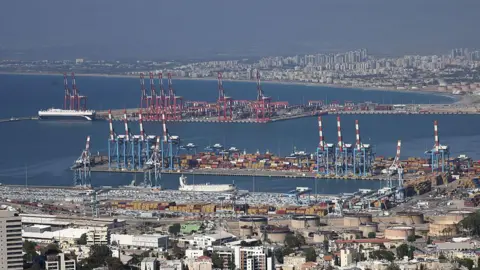
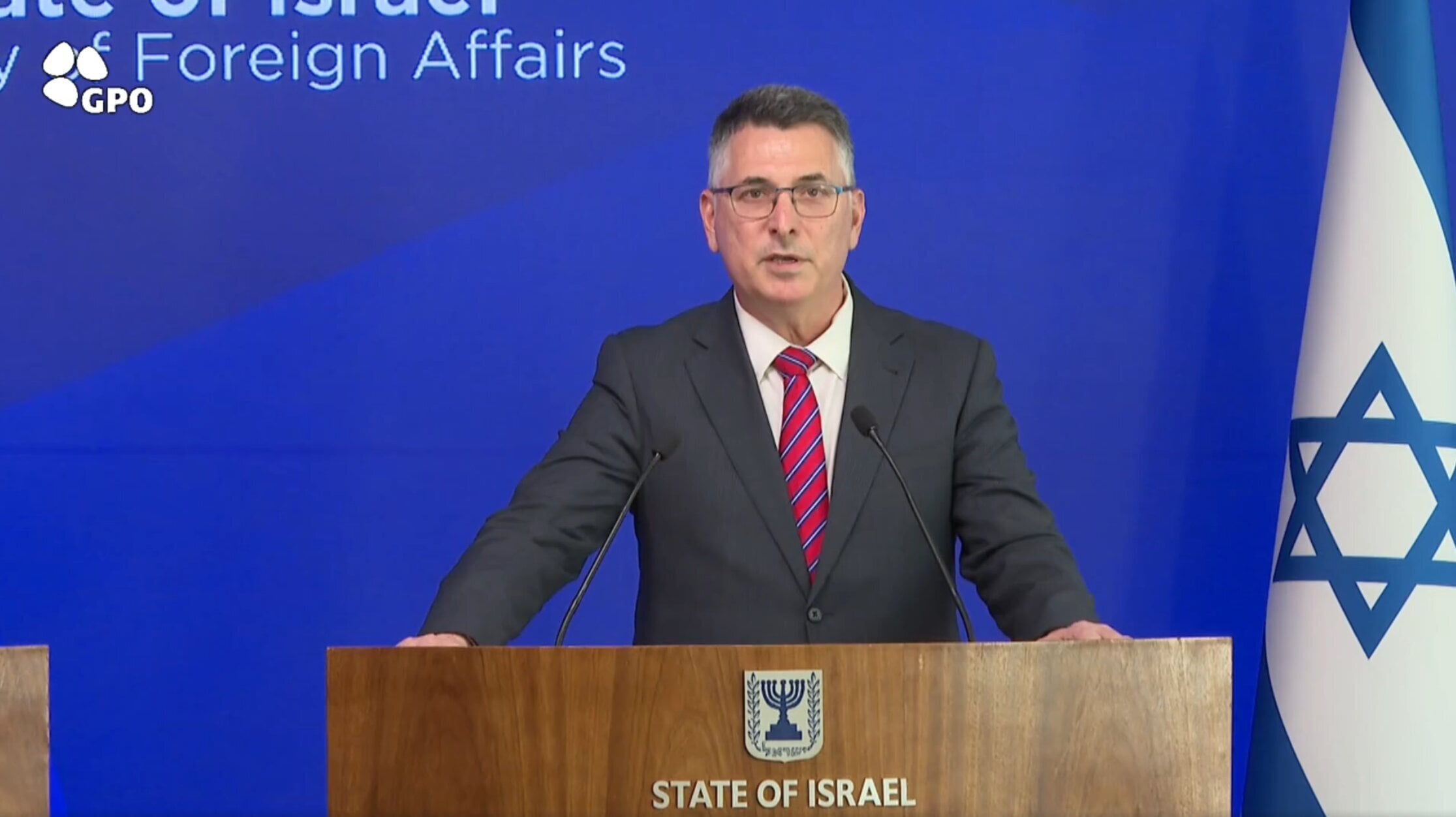
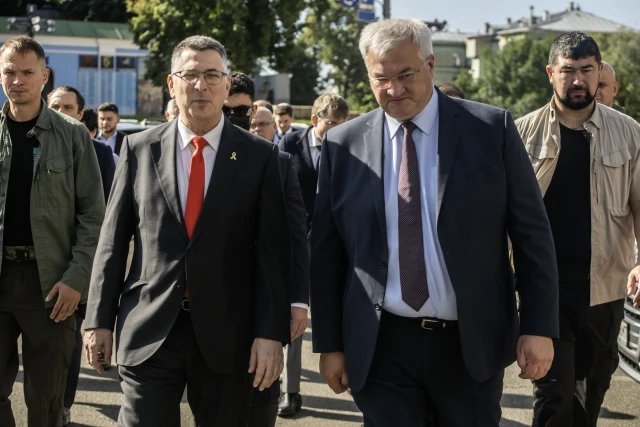
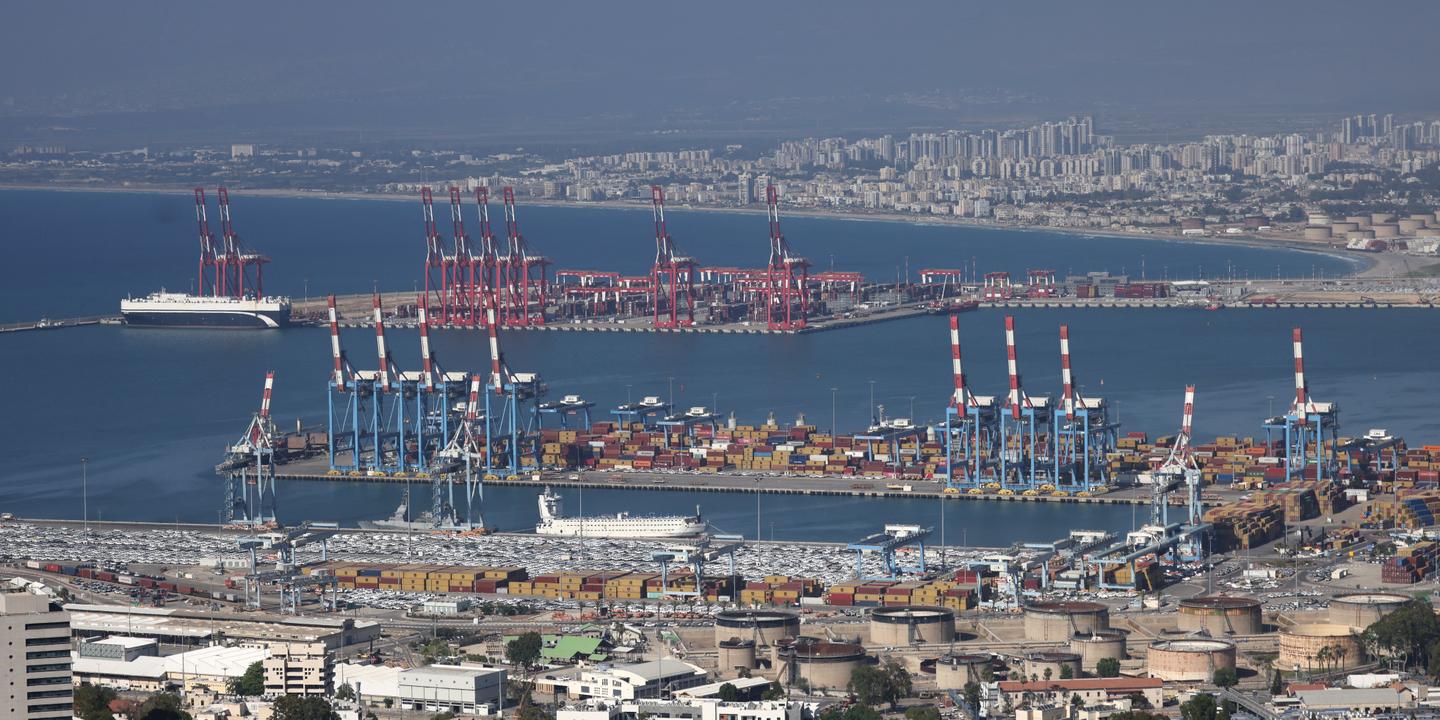
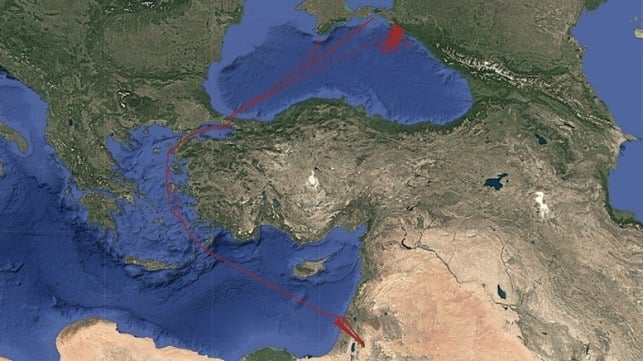
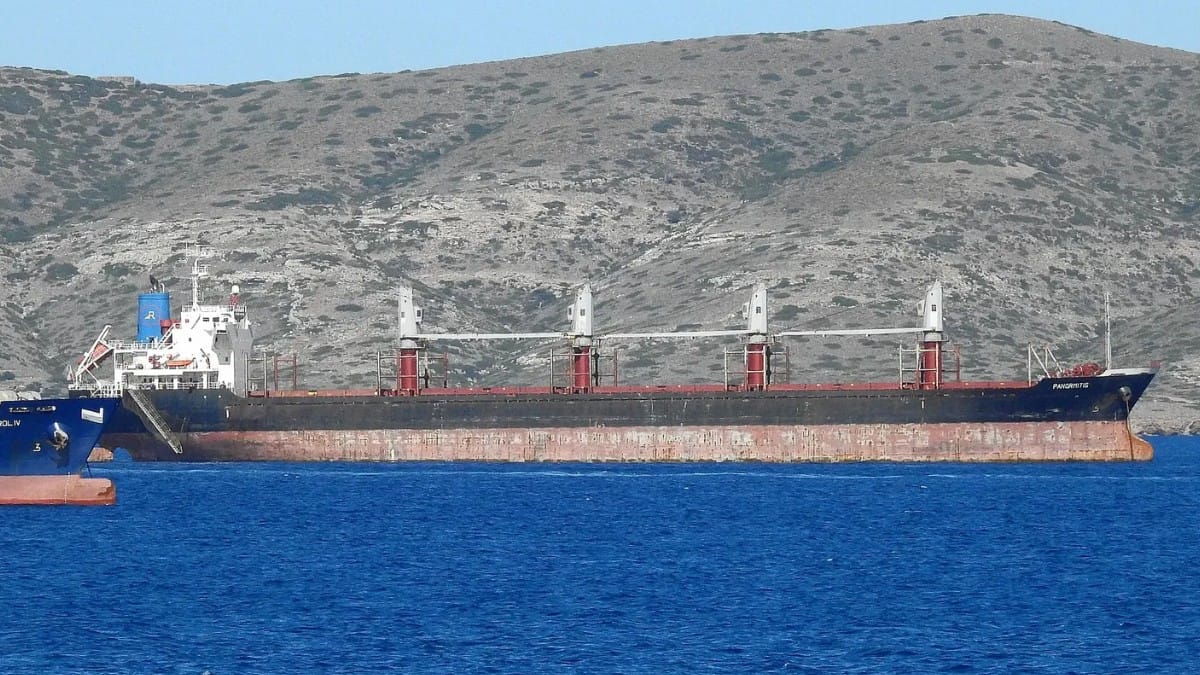
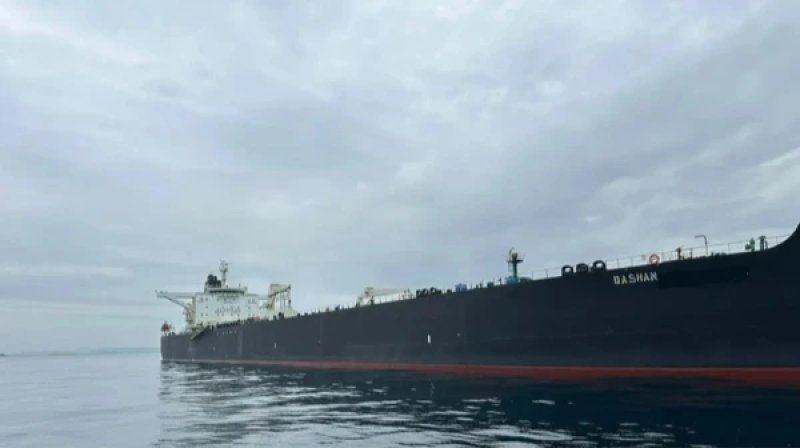
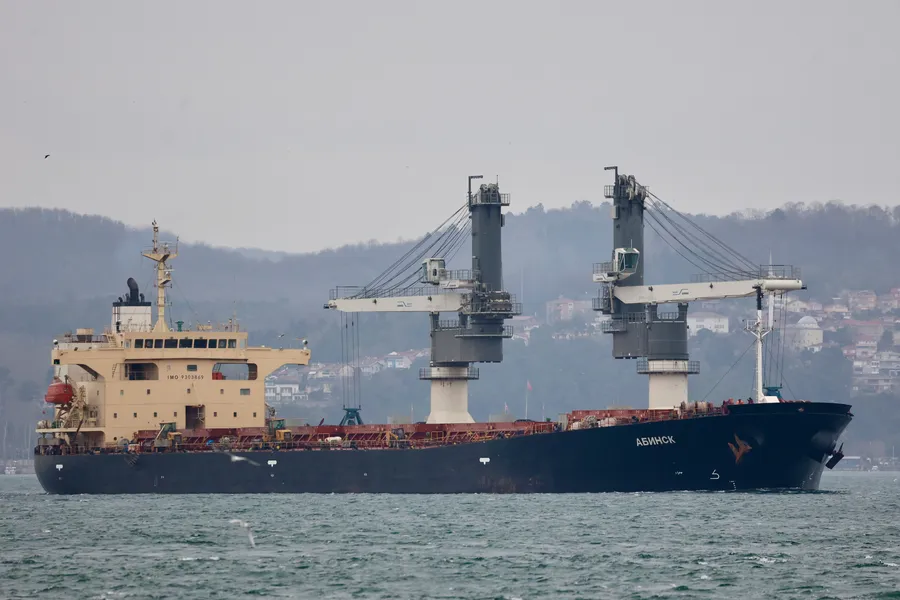
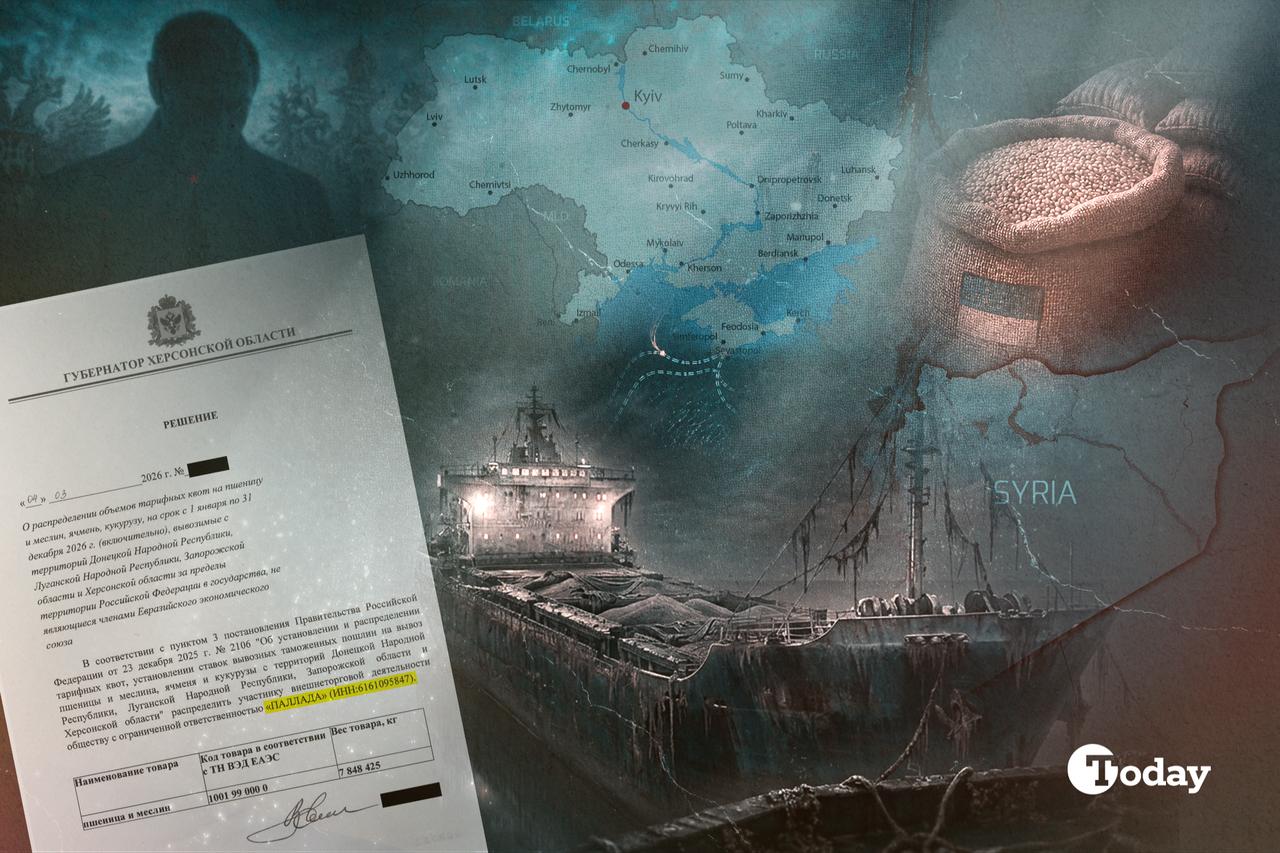
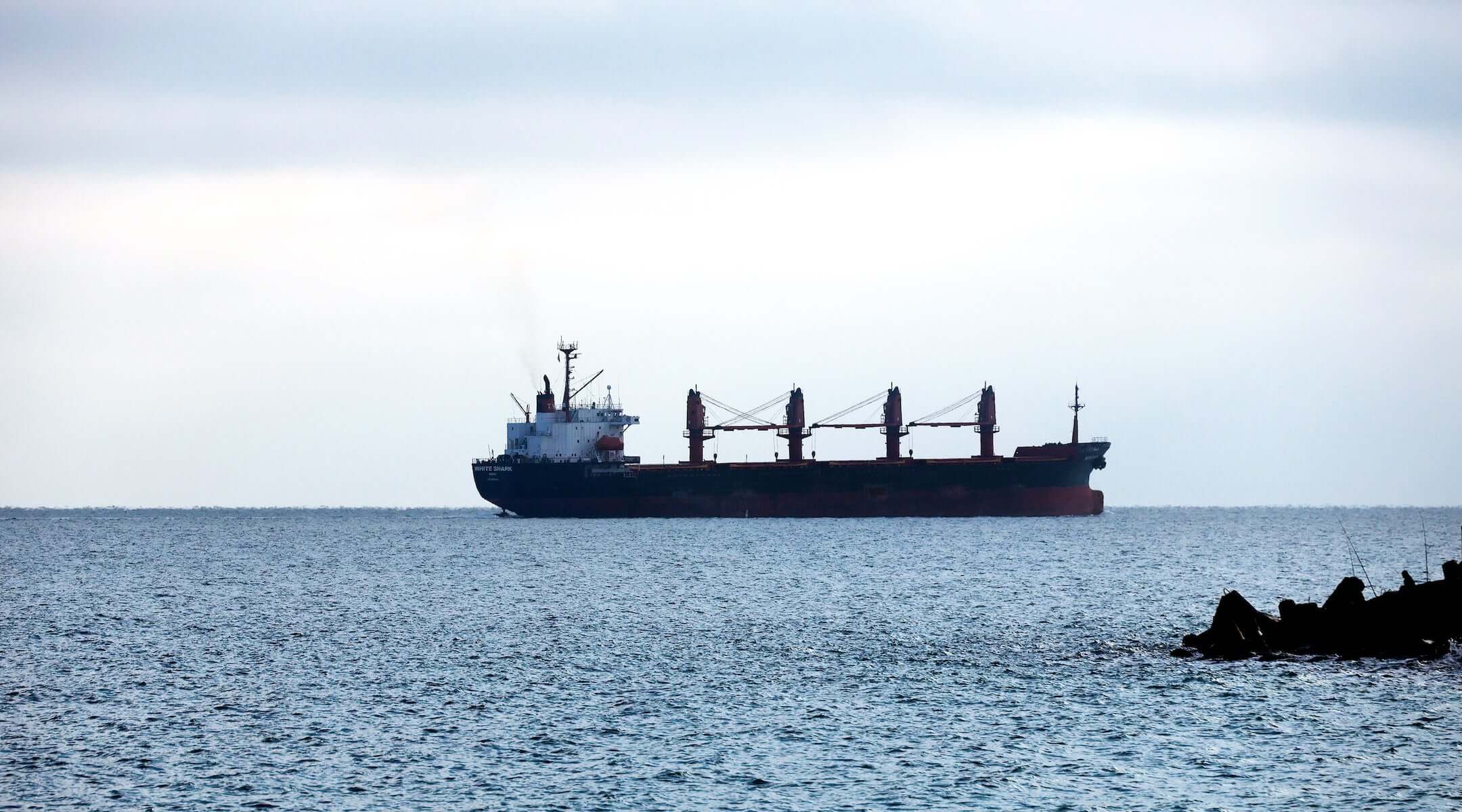
The escalating Ukraine-Israel grain trafficking dispute represents a critical watershed moment for cross-border commodity traders and agricultural product sellers operating in EU and international markets. Ukraine has documented at least 30 illegal grain shipments since 2023, with 4+ vessels docking in Israeli ports during 2026 alone, allegedly carrying wheat stolen from Russian-occupied Ukrainian territories. President Zelenskyy announced formal sanctions targeting individuals and entities profiting from these transactions, while the EU warned of potential sanctions against involved parties, stating it "condemns actions that fund Russia's war effort and circumvent EU sanctions."
The immediate compliance risk is substantial: Sellers importing or trading agricultural commodities must now verify supply chain provenance with unprecedented rigor. The dispute reveals systematic concealment methods including ship-to-ship transfers in the Black Sea, documented by Ukrainian intelligence. EU sanctions compliance officers are actively monitoring grain imports, and penalties for trading in conflict-sourced goods can reach 20% of transaction value plus criminal liability. For agricultural commodity traders, this creates a 30-60 day window to audit supplier relationships and implement enhanced due diligence protocols before EU sanctions lists are finalized.
Market access implications are significant: The dispute signals that Israel—a major grain import hub—faces potential sanctions designation, which would restrict EU-based sellers from using Israeli ports for transshipment or storage. This forces traders to reroute shipments through alternative Mediterranean ports (Greece, Cyprus, Turkey), increasing logistics costs by 8-15% and adding 5-7 days to transit times. Sellers sourcing from Ukraine-adjacent regions (Romania, Bulgaria, Poland) face heightened scrutiny on origin documentation. The EU's intervention indicates sanctions enforcement will extend beyond direct Russian entities to include third-country facilitators, fundamentally shifting risk calculus for commodity traders operating in conflict-adjacent markets.
Strategic sourcing implications: Traders currently sourcing wheat, barley, and corn from Black Sea regions must immediately implement blockchain-based supply chain verification or third-party certification (SGS, Bureau Veritas) to prove legitimate origin. Sellers who cannot verify non-conflict sourcing face exclusion from EU procurement contracts and potential delisting from major platforms. This creates a competitive advantage window for sellers with established relationships with certified Ukrainian producers in non-occupied territories or alternative suppliers in Canada, Australia, and Argentina. The 672 million euros in additional Russian oil revenue (documented in the first two weeks of the conflict) demonstrates the scale of sanctions evasion, suggesting enforcement will intensify significantly.
Questions 7
What are the compliance risks for sellers importing grain from Black Sea regions?
Sellers importing wheat, barley, or corn from Ukraine-adjacent regions face significant sanctions compliance risk. Ukraine has documented 30+ illegal grain shipments since 2023, with EU threatening sanctions on facilitating entities. Penalties for trading in conflict-sourced goods can reach 20% of transaction value plus criminal liability. Sellers must immediately implement third-party supply chain verification (SGS, Bureau Veritas certification) and maintain detailed origin documentation. The EU is actively screening grain imports, and failure to verify non-conflict sourcing can result in platform delisting and exclusion from EU procurement contracts. Implement enhanced due diligence within 30 days.
How will potential Israeli sanctions affect grain traders using Mediterranean ports?
If Israel faces EU sanctions designation, traders currently using Israeli ports for transshipment or storage must reroute shipments through alternative Mediterranean hubs (Greece, Cyprus, Turkey). This routing change increases logistics costs by 8-15% and adds 5-7 days to transit times. Sellers should immediately audit their supply chain routing and identify alternative port facilities. The dispute signals that third-country facilitators—not just direct Russian entities—face sanctions risk, fundamentally changing port selection strategy. Begin evaluating alternative logistics providers in non-sanctioned jurisdictions immediately.