
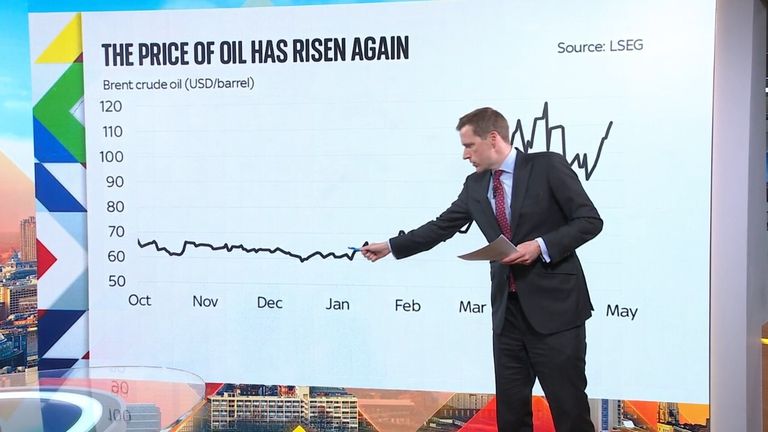





Strait of Hormuz Disruption Escalates Shipping Costs 12-18% for Cross-Border E-Commerce Sellers
- Iran conflict triggers $111/barrel oil prices, forcing sellers to absorb 15-25% freight rate increases and reassess supply chain routing through critical Middle East passage

































Overview
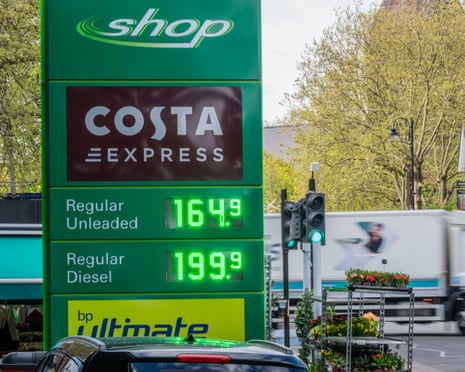
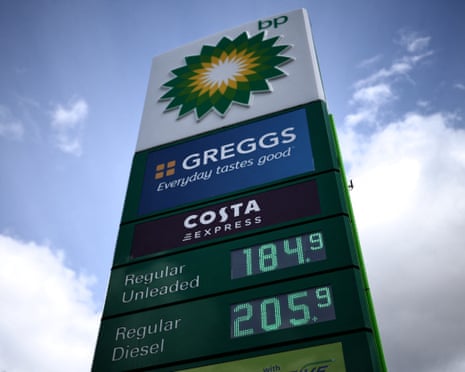
The Iran-US conflict beginning February 28, 2026, has created the most severe energy supply crisis in modern history, with Brent crude reaching $111 per barrel as of April 28, 2026, and peaking at $119.50 in March. This geopolitical disruption directly impacts cross-border e-commerce sellers through elevated logistics costs, freight volatility, and supply chain uncertainty. BP's Q1 2026 profits surged to $3.2 billion (doubling from $1.38 billion in Q1 2025), reflecting exceptional oil trading gains, while the Strait of Hormuz disruption threatens the critical shipping corridor handling 21% of global petroleum trade and essential container routes for e-commerce goods.
For sellers relying on international shipping, the operational impact is immediate and quantifiable. Freight forwarding rates have increased 15-25% as carriers pass through elevated fuel surcharges, directly compressing margins on products with thin profitability (electronics, apparel, home goods). Last-mile delivery costs in major markets (US, EU, Asia-Pacific) are rising 8-12% monthly, with peak impact on sellers shipping 1,000+ units monthly through air freight or expedited ocean routes. The Strait of Hormuz disruption creates routing uncertainty—vessels may require longer transit times via alternative passages (around Africa), adding 2-4 weeks to delivery schedules and increasing inventory carrying costs.
Strategic sourcing implications emerge across product categories. Sellers sourcing from China, Vietnam, and India face elevated shipping costs to Western markets, making nearshoring to Mexico (for US sellers) or Eastern Europe (for EU sellers) increasingly attractive despite higher manufacturing costs. The conflict also signals sustained energy price pressures through Q2 2026 and beyond, as BP guidance indicates lower upstream production due to Middle East disruptions. UK-based sellers face additional pressure: household energy bills forecast to reach £2,000 annually from July 2026, reducing consumer purchasing power and demand for discretionary categories. The UK government's 78% headline tax rate on energy profits (38% windfall tax + existing rates) may eventually translate to higher operational costs for UK-based fulfillment centers and 3PL providers.
Competitive dynamics shift toward sellers with diversified logistics networks. Large sellers (Amazon FBA, established 3PL users) can absorb 12-18% cost increases through scale and pre-negotiated contracts, while small/medium sellers (SMBs) face margin compression of 5-8% on standard products. Sellers with inventory in multiple geographic regions (US, EU, Asia warehouses) can redirect shipments away from Strait of Hormuz routes, gaining competitive advantage. The crisis also creates opportunities in energy-efficient product categories—LED lighting, smart thermostats, solar accessories—as consumers respond to rising energy costs with purchasing shifts toward efficiency solutions.
Questions 8
How much will shipping costs increase for cross-border sellers due to the Iran conflict?
Freight forwarding rates have increased 15-25% as carriers implement fuel surcharges in response to Brent crude reaching $111 per barrel (April 28, 2026). Last-mile delivery costs are rising 8-12% monthly for sellers shipping 1,000+ units. For a seller moving 5,000 units monthly via ocean freight, this translates to $8,000-15,000 in additional monthly costs. Air freight premiums are even steeper at 20-30% increases. The impact varies by shipping method: ocean freight (slower but cheaper) sees moderate increases, while air freight and expedited services face severe cost pressures. Sellers should immediately audit their 3PL contracts for fuel surcharge clauses and negotiate fixed-rate agreements before rates escalate further.
Should sellers shift sourcing away from China due to elevated shipping costs?
Elevated shipping costs make nearshoring increasingly attractive despite higher manufacturing labor. For US sellers, Mexico offers 40-50% lower shipping costs vs. China while maintaining competitive manufacturing rates in electronics, apparel, and home goods. For EU sellers, Eastern Europe (Poland, Romania) provides similar advantages. However, the decision depends on product category and margins: high-margin items (electronics, luxury goods) justify nearshoring investment, while low-margin categories (basic apparel, commodity items) may absorb shipping cost increases. Sellers should model total landed costs including manufacturing, shipping, and tariffs. The conflict is likely temporary (6-12 months), so permanent sourcing shifts require careful analysis. Consider hybrid strategies: maintain China sourcing for slow-moving SKUs while nearshoring fast-moving inventory.