




Steam Content Removal Policies | Platform Liability Standards Reshape Indie Game Seller Compliance
- Valve's rapid delisting of developer-associated content establishes precedent for platform accountability; indie game sellers face new reputational risk management requirements







Overview
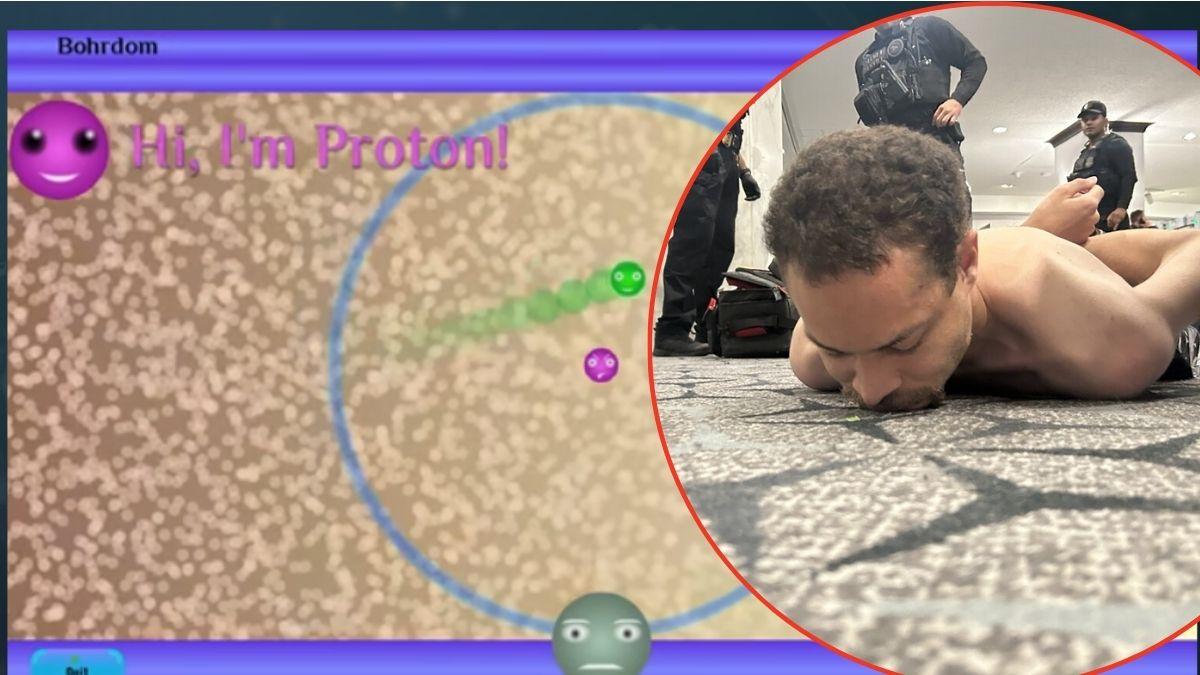
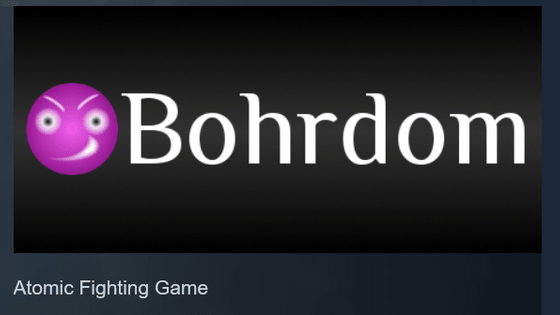
Valve's removal of 'Bohrdom' from Steam following developer Cole Tomas Allen's alleged involvement in a security incident establishes critical precedent for digital platform liability and content moderation standards. The incident—where Allen allegedly attempted a shooting at the White House Correspondents' Dinner on April 27, 2026, resulting in a Secret Service agent being shot—triggered Valve's decision to disable purchases within days, though the game's store page remained accessible and existing owners retained access. This represents a significant shift in how platforms balance free speech, developer rights, and institutional liability.
The compliance implications for indie game sellers are substantial. Prior to the incident, 'Bohrdom' had minimal engagement (2-3 concurrent players, insufficient reviews for a Steam score). Following news coverage, the game received 134 reviews within 36 hours—predominantly review-bombing with memes and politically motivated content rather than genuine gameplay feedback—resulting in a mixed 50:50 positive-to-negative rating split. Valve's response demonstrates that platforms now actively monitor developer backgrounds and will take preventive action to avoid profiting from or being associated with creators involved in criminal activity. This creates a new compliance burden: indie game sellers must now anticipate that personal conduct, social media presence, and background checks could trigger content removal regardless of the product's actual content or quality.
The operational impact extends beyond game removal to broader seller risk management. Valve did not provide official justification for the removal, creating ambiguity about the specific triggers and thresholds for content delisting. Industry analysis suggests the decision reflects Valve's desire to avoid profiting from work associated with criminal suspects—a liability concern that now applies to all digital platform sellers. For indie developers and game publishers, this means: (1) personal conduct and public associations are now platform compliance factors; (2) review-bombing campaigns can accelerate removal decisions; (3) platforms may delist content preemptively based on developer background rather than product violations; (4) existing owners retain access while new sales are blocked, creating a two-tier ownership model that complicates revenue projections.
Sellers in the indie game category face immediate compliance adjustments. The incident demonstrates that platforms prioritize institutional liability over developer rights when security concerns emerge. Sellers should expect increased scrutiny of developer backgrounds, social media monitoring, and potential content removal based on creator conduct rather than product quality. The 36-hour review-bombing cycle that preceded Valve's action suggests platforms now respond rapidly to coordinated negative campaigns, making review management and community moderation critical operational functions. Additionally, the precedent of disabling purchases while preserving existing access creates uncertainty about revenue recognition and refund obligations—sellers cannot assume that removal means complete delisting or customer compensation.
Questions 7
Can I appeal a content removal decision on Steam?
The 'Bohrdom' case provides no evidence of an appeals process. Valve removed the game without official statement, justification, or apparent opportunity for developer response. This suggests platform removal decisions may be final without formal appeals mechanisms. Sellers should not assume they can contest removal decisions through official channels. Instead, focus on preventive compliance: maintain professional public presence, avoid controversial associations, implement strong community moderation, and document policy compliance to demonstrate good faith if removal occurs.
How should indie game sellers prepare for potential removal based on developer conduct?
Implement three-layer risk management: (1) Personal conduct audit—review social media, past statements, and public associations for potential liability; (2) Community moderation—actively manage reviews and forums to prevent review-bombing campaigns that could trigger platform action; (3) Documentation—maintain records of policy compliance, customer communications, and business practices to demonstrate good faith if removal occurs. Additionally, diversify distribution beyond Steam to reduce dependency on a single platform's moderation decisions. Consider legal review of your public profile and statements, as platforms now treat creator conduct as a compliance factor.