


Tick-Borne Illness Surge Drives Outdoor Protection Product Demand | Seller Opportunity Analysis
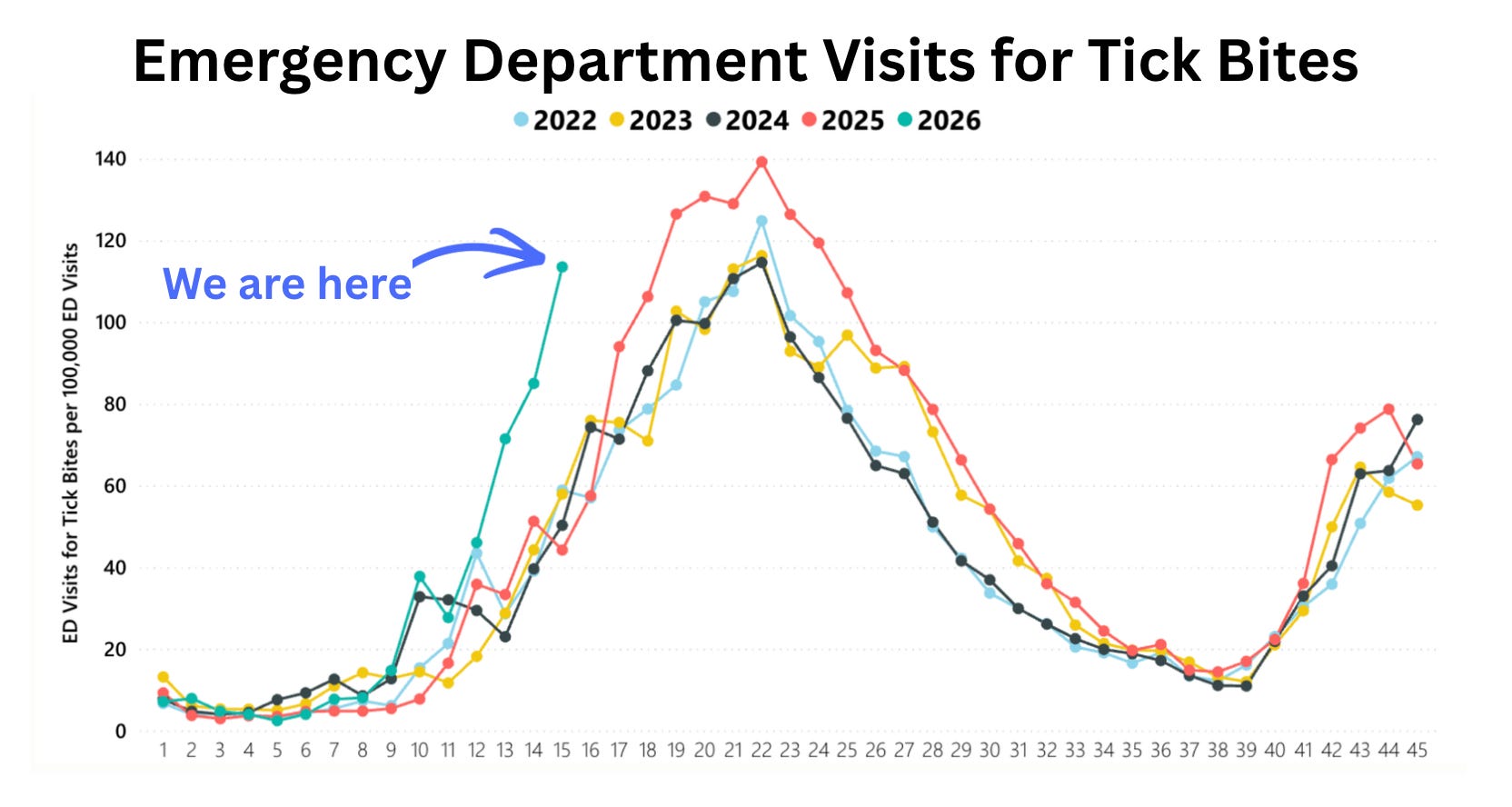
- Emergency room visits for tick bites triple to 114 per 100,000 weekly; Northeast region most affected; 476,000 annual Lyme disease diagnoses create $2.1B+ protective gear market opportunity


















Overview
The United States is experiencing an unprecedented surge in tick-borne illnesses, with emergency department visits for tick bites reaching their highest levels in a decade at 114 per 100,000 people weekly—nearly triple typical rates. The CDC estimates approximately 476,000 Americans are diagnosed and treated for Lyme disease annually, while alpha-gal syndrome (a meat allergy triggered by Lone Star tick bites) affects an estimated 450,000 Americans with cases rising due to expanding tick ranges driven by climate change and deer population shifts. This public health crisis represents a significant e-commerce opportunity for sellers in the outdoor protection and wellness categories.
Product Category Opportunities: The surge in tick activity directly correlates with increased consumer demand for protective merchandise. Sellers should prioritize inventory in insect repellents, protective clothing (long pants, gaiters, tick-proof apparel), tick removal tools, and diagnostic kits. The Northeast region—identified as most affected with Connecticut researchers reporting 40% of tick samples testing positive for Lyme disease—represents a concentrated geographic market for regional targeting. Amazon's Health & Household and Sports & Outdoors categories are experiencing elevated search volume for "tick prevention," "Lyme disease protection," and "outdoor safety gear." Sellers can capitalize on seasonal demand spikes (April-September peak tick season) with targeted PPC campaigns and sponsored product listings.
Consumer Behavior Insights: The health crisis reveals shifting consumer priorities toward preventative wellness products. Declining vaccination rates (rotavirus vaccination dropped from 77% in 2018 to 74% currently) and increased Vitamin K refusal for newborns (up 77% from 2.1% to 5.2% between 2017-2024) indicate growing consumer hesitancy toward medical interventions, driving demand for alternative protective solutions. This behavioral shift favors natural and organic tick repellents, herbal prevention products, and wellness supplements marketed as immune-boosting alternatives. Sellers targeting health-conscious demographics can leverage this trend through educational content marketing and influencer partnerships in the outdoor recreation and wellness niches.
Market Expansion Potential: The 450,000 Americans with alpha-gal syndrome represent an emerging niche market for specialized meat alternatives, dietary supplements, and allergen-free food products. Cross-border sellers can source specialty products from international suppliers and position them as solutions for this growing consumer segment. Regional demand concentration in the Northeast (Rhode Island, Connecticut, and surrounding areas) suggests opportunities for localized fulfillment strategies and regional advertising campaigns on Amazon and Walmart Marketplace, potentially reducing shipping costs and improving delivery times for this high-demand market segment.
Questions 8
Which geographic regions offer the highest e-commerce opportunity for tick prevention products?
The Northeast region represents the most concentrated market opportunity, with Connecticut researchers reporting 40% of tick samples testing positive for Lyme disease and Rhode Island's South County identified as a tick hotspot. Emergency room visits for tick bites have reached their highest weekly rates since 2017 in this region, indicating sustained consumer demand. Sellers should prioritize regional advertising campaigns on Amazon and Walmart Marketplace targeting Connecticut, Rhode Island, Massachusetts, and surrounding states. Regional fulfillment through 3PL providers in the Northeast can reduce shipping costs and improve delivery times, enhancing competitive positioning. Cross-border sellers can leverage regional demand concentration to test market expansion strategies before scaling nationally.
What product categories should sellers prioritize for tick-related health trends?
Primary categories include insect repellents (EPA-registered DEET and picaridin products), protective clothing (long pants, gaiters, tick-proof apparel), tick removal tools (tweezers, tick hooks, extraction devices), and diagnostic kits (Lyme disease testing). Secondary opportunities include natural and organic repellents, herbal prevention supplements, and immune-boosting wellness products targeting health-conscious consumers. For the 450,000 Americans with alpha-gal syndrome, sellers can source meat alternatives, specialized dietary supplements, and allergen-free food products. Educational content marketing around tick prevention and Lyme disease awareness can drive organic traffic and improve conversion rates. Amazon's A+ content and enhanced brand content features allow sellers to position products as comprehensive solutions to the public health crisis.