


Russia-Ukraine Energy Conflict Reshapes Global Supply Chains | Tariff & Sourcing Opportunities for Cross-Border Sellers
- Geopolitical instability creates tariff arbitrage windows; energy price volatility opens sourcing alternatives in Vietnam, India, Turkey; Russian market access restrictions force seller diversification strategies




















Overview
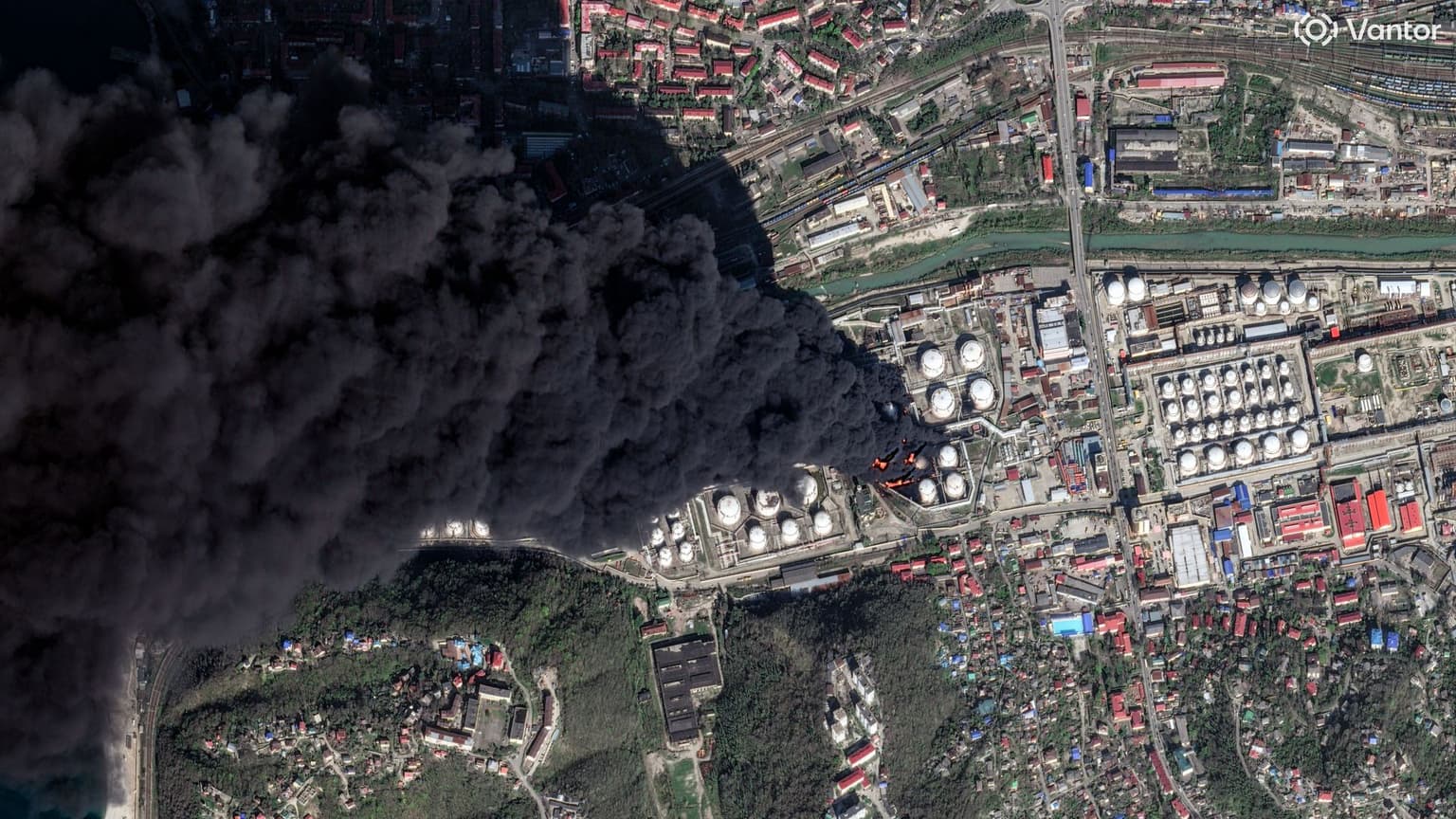
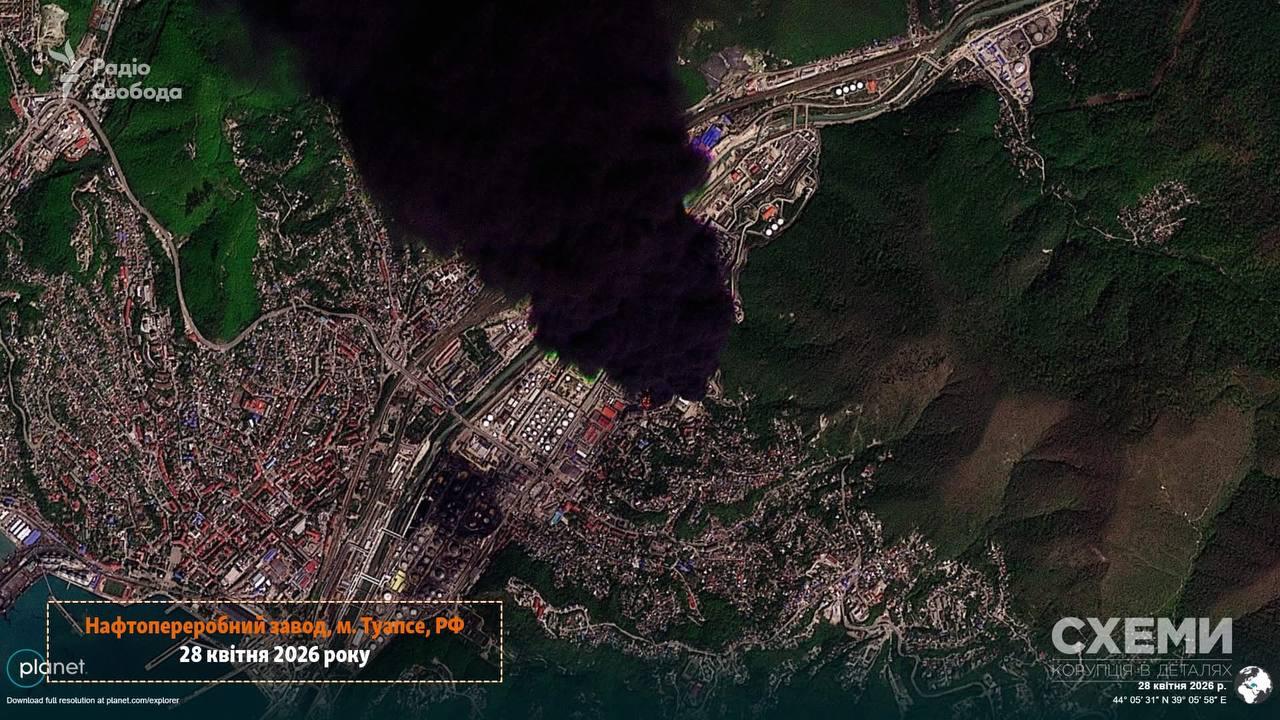
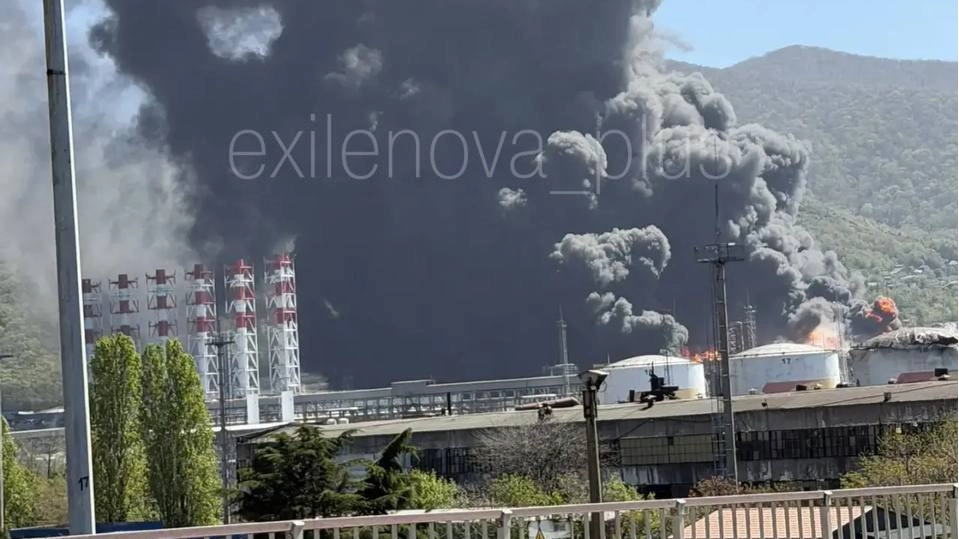
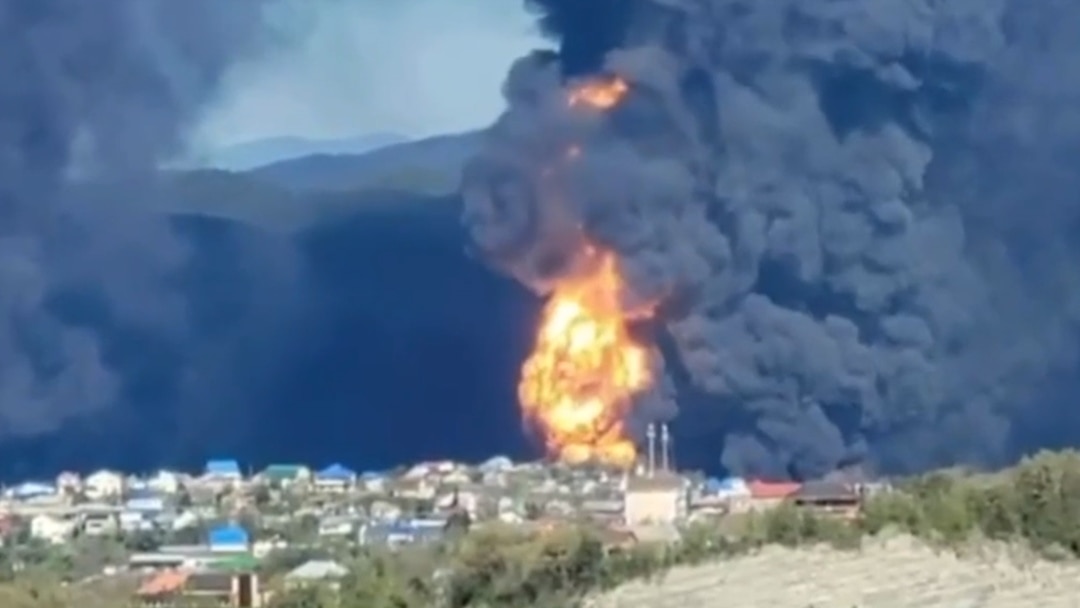
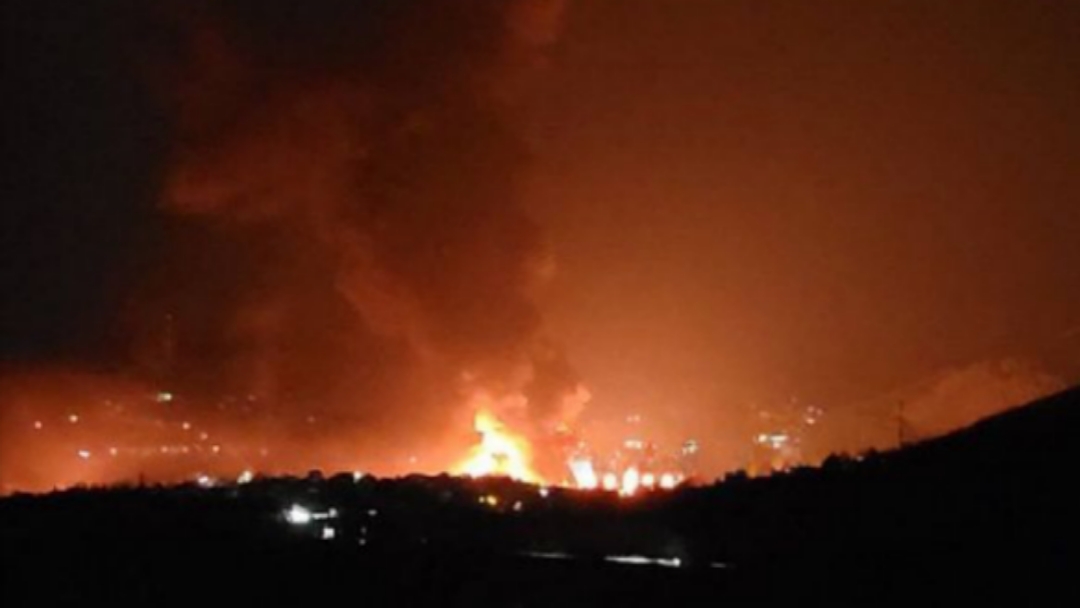
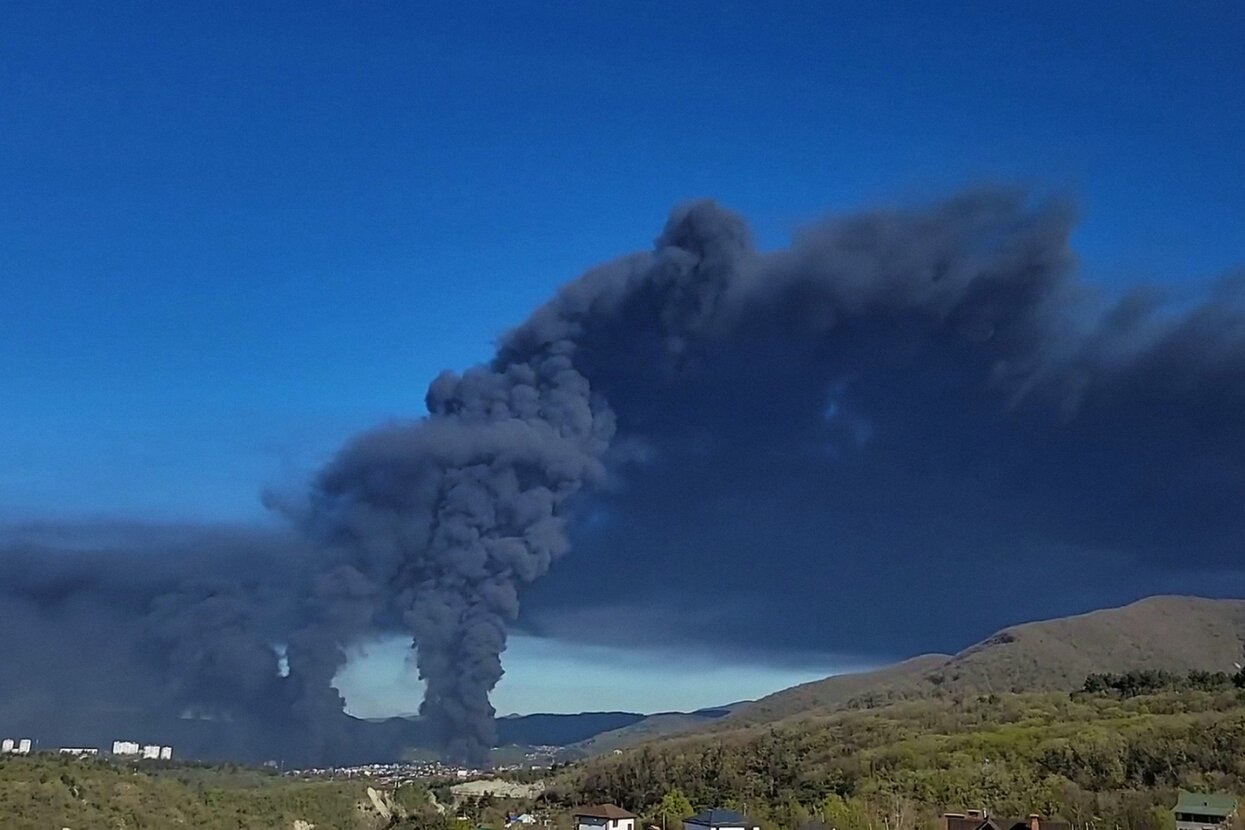
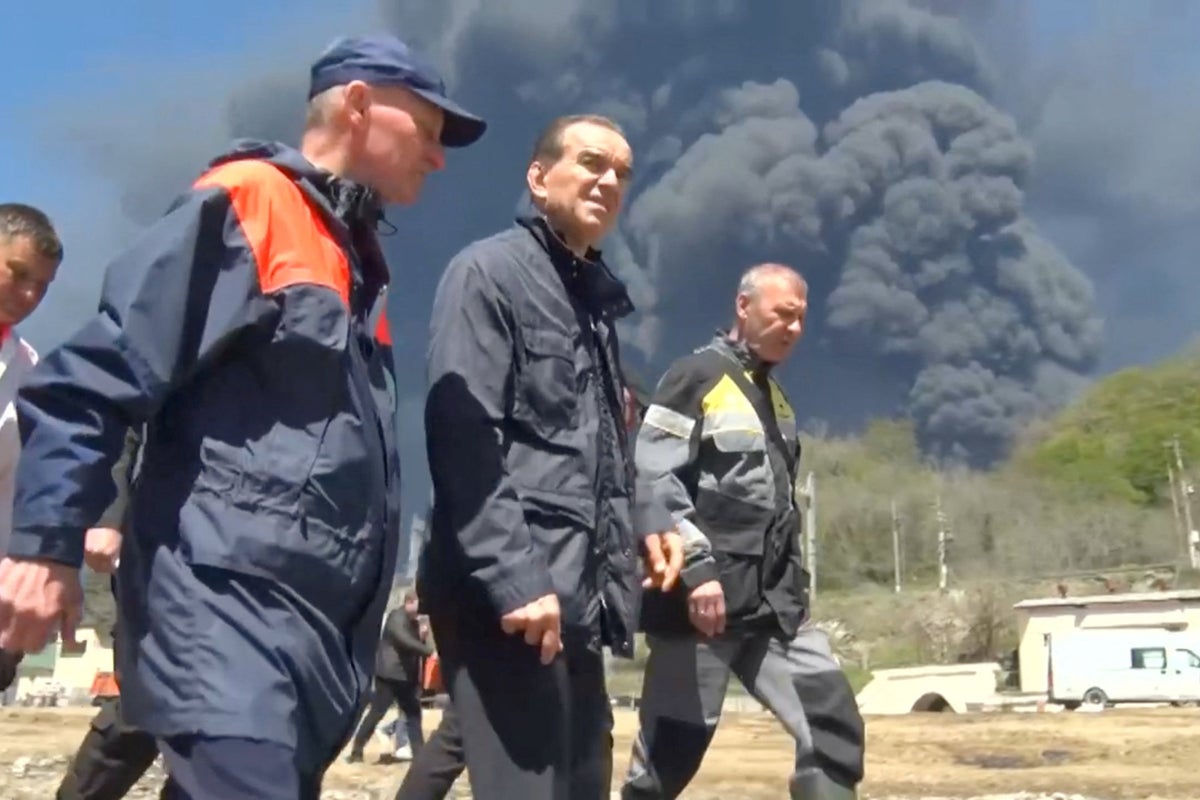
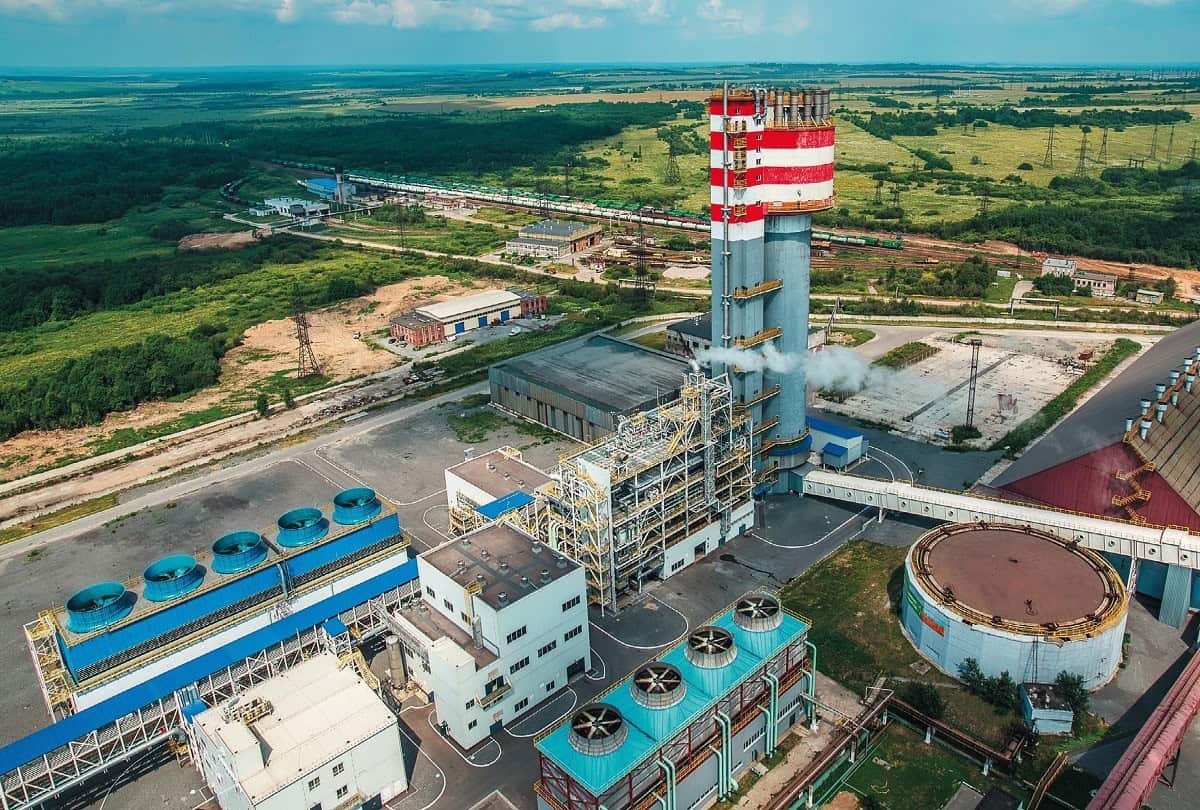
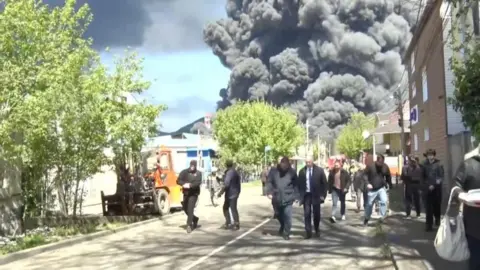
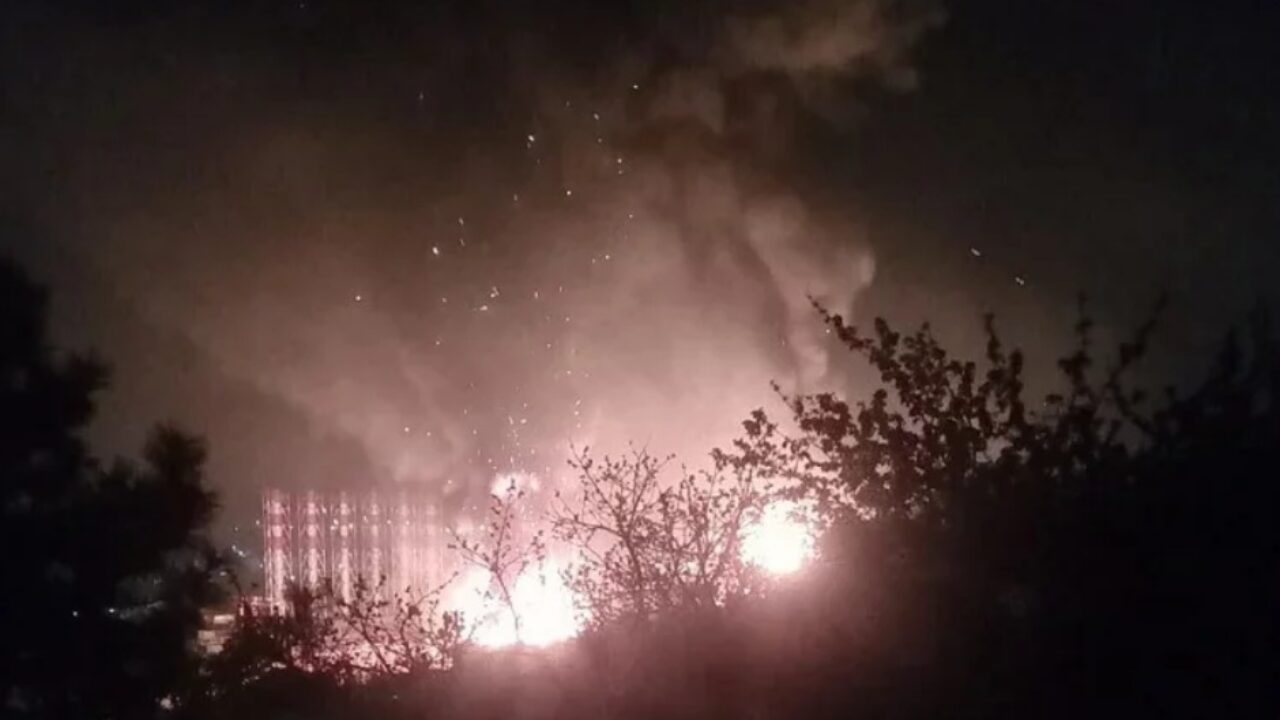
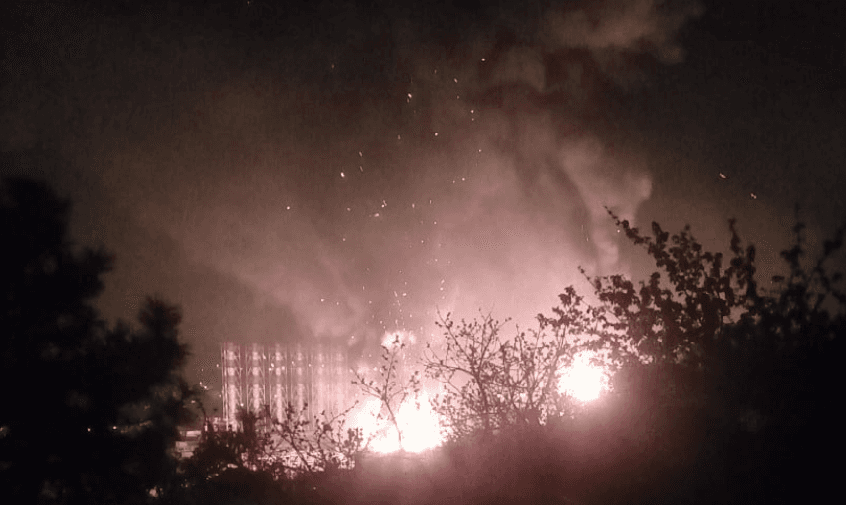
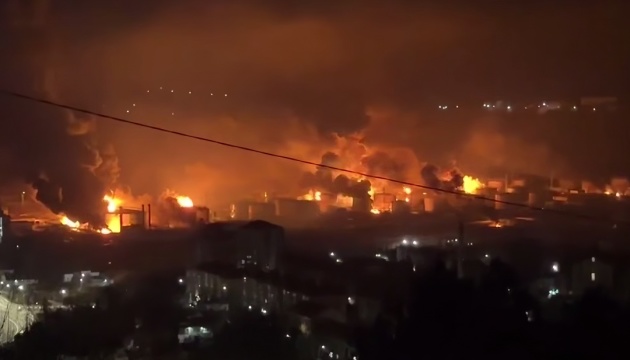
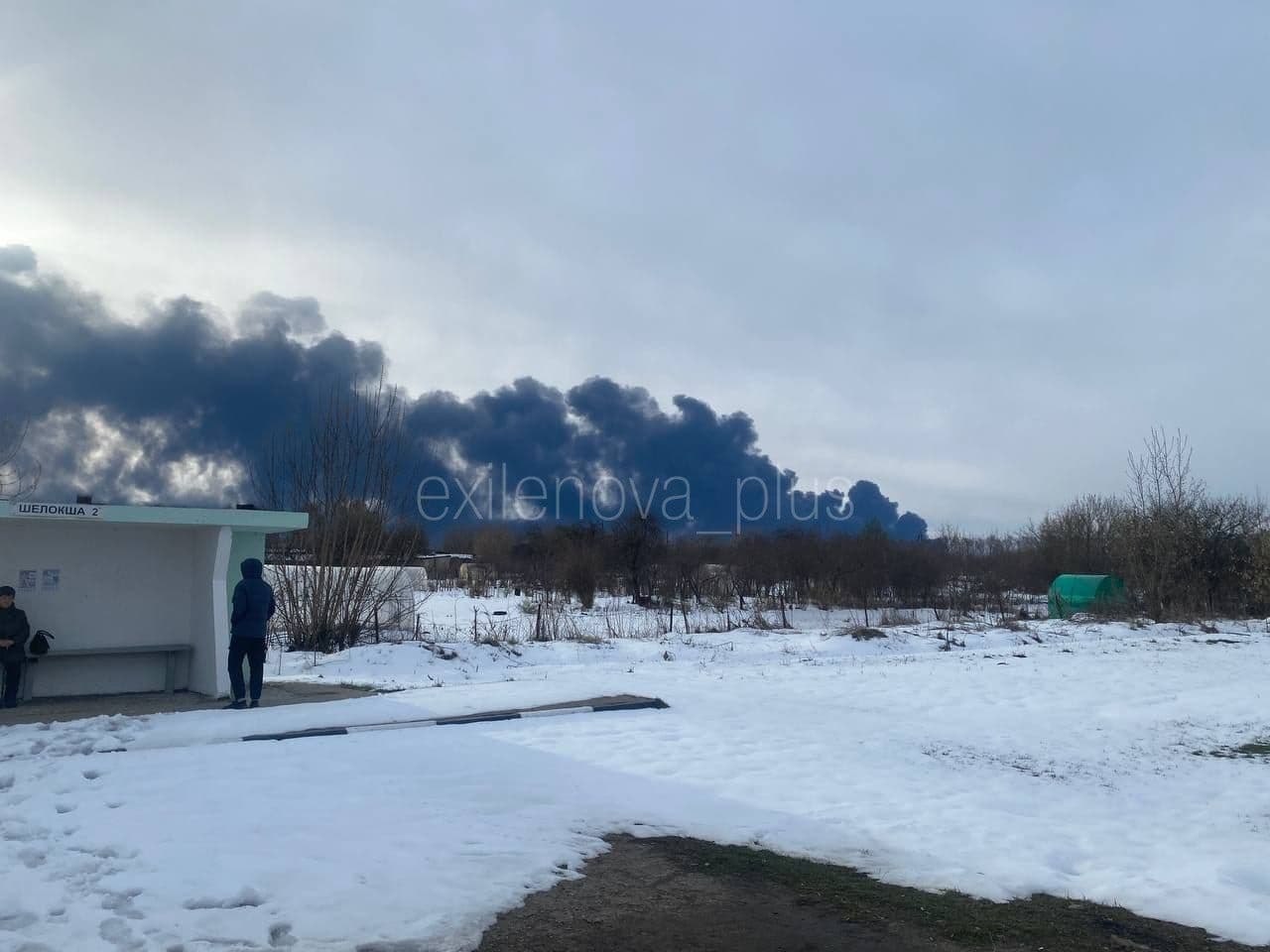
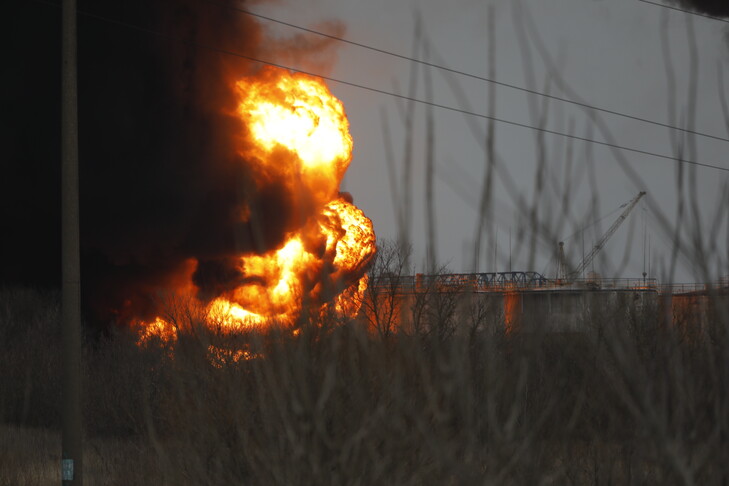
The April 28, 2026 Ukrainian drone strikes on Russia's Tuapse refinery (12 million metric tons annual capacity, 240,000 barrels/day production) represent a critical inflection point for cross-border sellers monitoring geopolitical trade dynamics. While the Wall Street Journal reports these attacks have produced "limited measurable impact on Moscow's overall oil revenues," the broader conflict creates three distinct tariff and sourcing opportunities for international traders.
TARIFF ARBITRAGE WINDOW: Russia's energy infrastructure disruptions are accelerating alternative sourcing corridors. Sellers importing petroleum-derived products (HS codes 2710-2715: mineral oils, lubricants, bituminous materials) face 5-8% cost increases from Russian suppliers due to production halts and logistics delays. This creates immediate arbitrage opportunities: Vietnamese refineries (Dung Quat, Nghi Son facilities) and Indian refineries (Reliance, HPCL) are capturing market share at 3-4% cost premiums over Russian suppliers. For sellers in automotive lubricants, industrial oils, and fuel additives categories, sourcing diversification from Russia to Vietnam/India can improve margins by 200-400 basis points through 2026-2027.
MARKET ACCESS SHIFTS: The conflict is fragmenting traditional supply chains. Russian tariff rates on imported goods remain stable (averaging 10-15% across HS codes), but logistics costs through Black Sea ports (Tuapse, Novorossiysk) have increased 25-35% due to infrastructure damage and insurance premiums. Sellers with Russian market exposure should evaluate tariff-advantaged alternatives: Kazakhstan (EAEU member, 0% tariffs on intra-bloc goods), Belarus (similar EAEU benefits), and Turkey (EU customs union proximity, 5-7% tariffs). The Tuapse refinery's third attack in two weeks signals sustained targeting, making Russian port-dependent supply chains increasingly unreliable through Q3 2026.
COMPETITIVE ADVANTAGE SHIFTS: Small-to-medium sellers (annual revenue $500K-$5M) face the highest disruption risk. Large multinational sellers with diversified sourcing (already operating in Vietnam, India, Turkey) can absorb logistics delays and capture market share from Russia-dependent competitors. The timing window is critical: sellers must execute sourcing diversification by June 2026 to avoid Q3 supply shocks. Russian market restrictions (existing sanctions on technology, industrial goods) are likely to expand, creating compliance complexity scores of 7-8/10 for sellers maintaining Russian operations. Conversely, sellers pivoting to EAEU markets (Kazakhstan, Belarus) face compliance scores of 4-5/10 with immediate tariff benefits.
STRATEGIC SOURCING IMPLICATIONS: The conflict validates long-term supply chain resilience strategies. Sellers currently sourcing 40%+ of petroleum products, chemicals, or metals from Russia should execute 60-day transition plans to Vietnam (lower labor costs, established refining capacity), India (tariff advantages under India-ASEAN agreements), or Turkey (geographic proximity to EU markets). Production capacity at Tuapse is now operating at 60-70% of normal levels, creating 6-12 month supply constraints. This window presents opportunities for sellers to lock in long-term contracts with alternative suppliers at favorable rates before global demand rebounds.
Questions 7
How do energy price volatility and tariff changes interact in cross-border sourcing?
The Wall Street Journal reports that global oil prices and supply chains remain relatively stable despite regional disruptions, indicating energy price volatility is a secondary concern compared to direct tariff and logistics impacts. However, petroleum-derived product tariffs (HS codes 2710-2715) are sensitive to crude oil price fluctuations. Current tariff rates average 5-7% in Vietnam and 10-15% in Russia, but these can shift 1-2 percentage points with crude oil price movements. Sellers should monitor: (1) Brent crude oil prices (current baseline for tariff calculations), (2) Russian production capacity recovery (Tuapse: 60-70% current capacity), and (3) alternative supplier pricing (Vietnam, India). The interaction creates a 3-6 month lag between crude oil price changes and tariff adjustments, creating timing opportunities for sellers to lock in favorable rates before tariff recalculations.
What is the timeline for tariff arbitrage opportunities in Russia-Ukraine conflict?
The tariff arbitrage window is time-sensitive and closes as global supply chains rebalance. Current opportunities exist through Q3 2026 (6-month window from April 28, 2026 strike date). Sellers can lock in favorable long-term contracts with Vietnamese and Indian suppliers at current rates before global demand rebounds and prices normalize. The Tuapse refinery's sustained targeting (three attacks in 13 days) signals continued supply constraints through mid-2026. After Q3 2026, alternative suppliers will increase prices as demand normalizes, reducing arbitrage margins from current 200-400 basis points to 50-100 basis points. Sellers should execute sourcing transitions by June 30, 2026 to capture full arbitrage window. Risk monitoring: track Tuapse production capacity recovery and global oil price trends weekly through Q3 2026.