


Fed Rate Hold 2026 | Cross-Border Sellers Face $2-4K Working Capital Squeeze
- Interest rates locked at 3.5-3.75% through May 2026; inflation at 3% ex-food/energy creates dual pressure on inventory financing costs and consumer purchasing power for e-commerce sellers





Overview
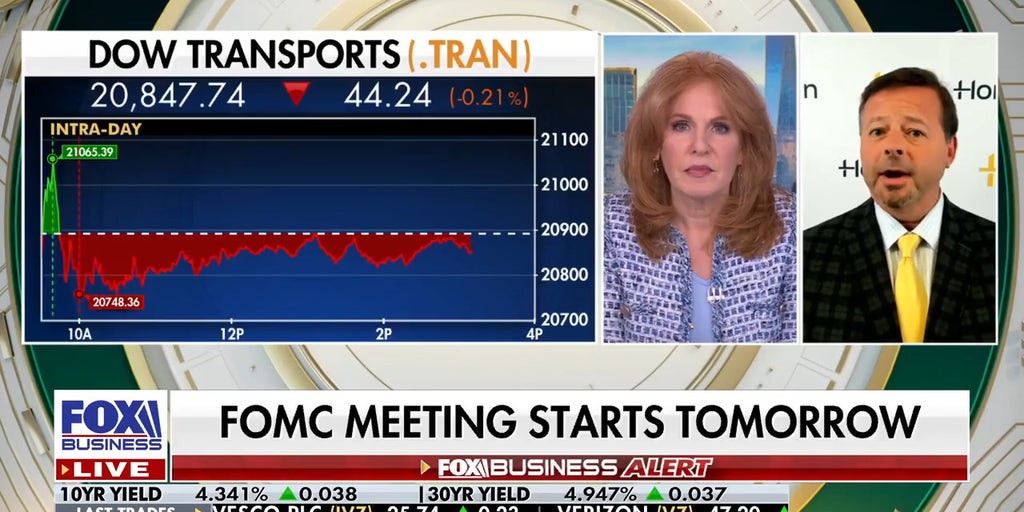
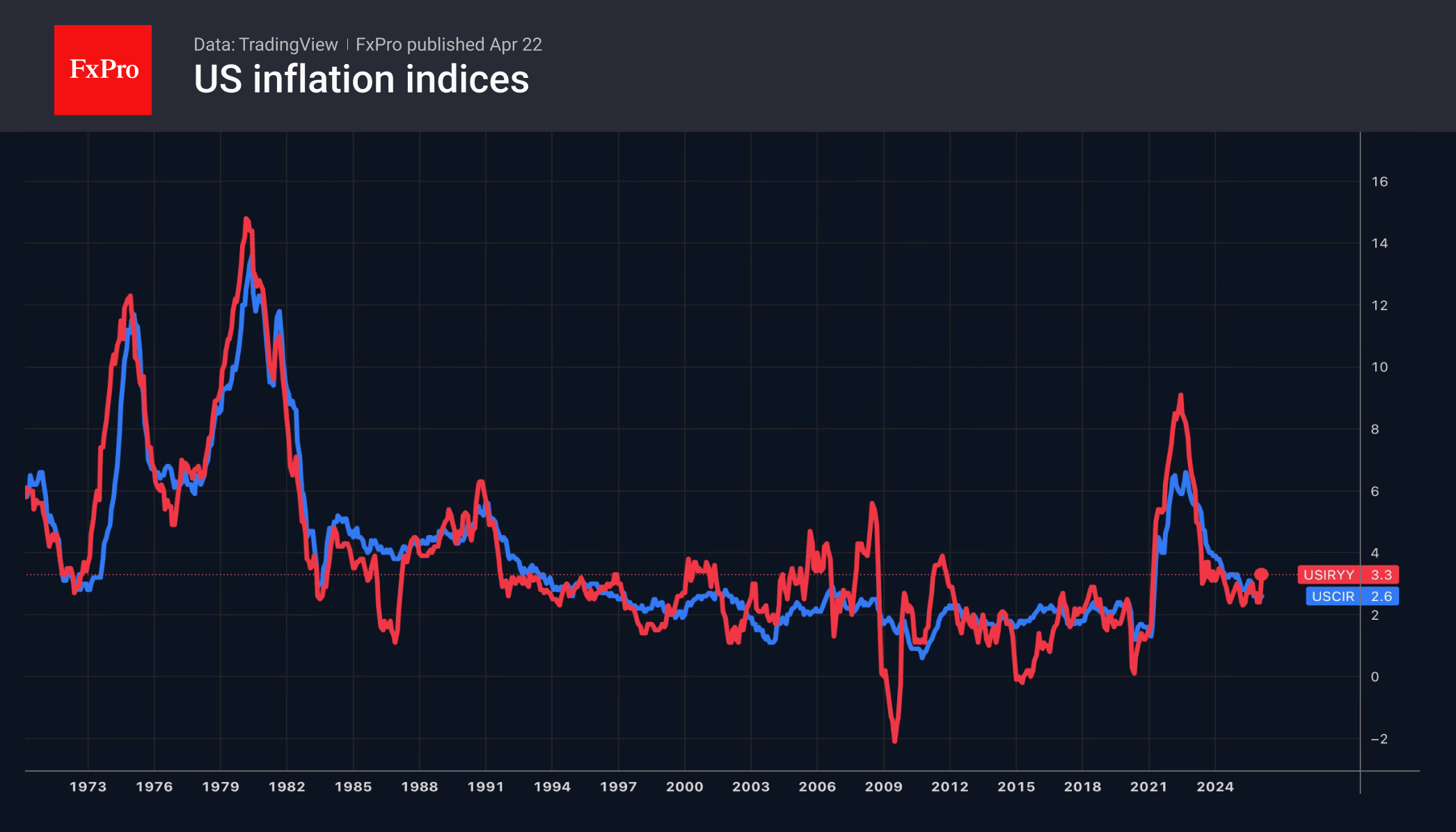
The Federal Reserve's March 2026 FOMC meeting maintained interest rates at 3.5-3.75%, with the April 30 decision (Powell's final as Fed Chair) virtually certain to hold steady at 100% market probability. This rate stability masks significant financial headwinds for cross-border e-commerce sellers: inflation remains sticky at 3% on an ex-food and energy basis—significantly above the Fed's 2% target for five consecutive years—while energy costs surge with crude oil at $100/barrel and gasoline averaging $4.18/gallon. For sellers, this creates a dual cash flow crisis: inventory financing costs remain elevated (no relief from rate cuts), while consumer purchasing power contracts from persistent inflation, directly compressing margins on imported goods.
Working Capital Pressure: Cross-border sellers importing goods face immediate financing challenges. With rates locked at 3.5-3.75%, inventory loans and supply chain financing remain expensive—sellers carrying $100K inventory typically pay $3,500-3,750 annually in interest costs alone, plus 2-3% origination fees ($2,000-3,000). The Fed's dot plot shows potential rate decreases later in 2026 (median projection shifting toward 3.25-3.75% by year-end), but expert consensus is divided: Mike Reynolds (Glenmede) predicts one to two cuts, while Robert Johnson (Economic Index Associates) warns rate hikes are increasingly likely given unpredictable policy environments. This uncertainty makes it impossible for sellers to hedge financing costs effectively. Tariff uncertainties compound the problem: elevated energy costs and potential trade barriers increase supply chain expenses by 8-15% for goods imported from Asia, directly reducing working capital available for inventory expansion.
Consumer Spending Constraints: The 2.4% GDP growth projection and 4.4% unemployment rate suggest stable labor markets, but sticky inflation erodes consumer purchasing power. Sellers in discretionary categories (apparel, electronics, home goods) face demand headwinds as consumers prioritize essentials. The April 28-29 FOMC meeting and May 2026 Fed Chair transition (Kevin Warsh replacing Powell) create additional uncertainty—markets will shift focus to Warsh's policy direction, potentially triggering volatility in USD/foreign currency pairs, affecting cross-border payment costs and FX hedging expenses. Immediate Actions: (1) Lock in inventory financing rates before May 2026 leadership transition—expect 50-100 bps volatility in lending spreads; (2) Shift 15-20% of inventory to 3PL providers to reduce working capital tied up in storage; (3) Accelerate invoice factoring programs—convert 30-60 day receivables to 5-7 day cash at 1.5-2.5% discount rates; (4) Evaluate cross-border payment providers offering fixed FX rates (Wise, OFX, Remitly) to lock currency exposure before potential USD volatility post-May transition.
Questions 8
What's the impact of 3% inflation on my cross-border seller margins?
Sticky inflation at 3% (ex-food/energy, above the Fed's 2% target for five consecutive years) directly compresses margins in two ways: (1) your cost of goods increases 3-5% annually while consumer purchasing power contracts, forcing you to absorb costs or reduce prices; (2) energy costs surge (crude at $100/barrel, gasoline at $4.18/gallon), increasing logistics and supply chain expenses by 8-15% for Asia imports. Sellers in discretionary categories (apparel, electronics, home goods) face demand headwinds as consumers prioritize essentials. **Action**: Shift pricing strategy to value-focused categories (essentials, consumables) and accelerate inventory turnover to minimize holding costs.
How do frozen interest rates at 3.5-3.75% affect my inventory financing costs?
With the Fed holding rates steady through at least May 2026, inventory loans remain expensive—sellers financing $100K inventory pay approximately $3,500-3,750 annually in interest plus 2-3% origination fees ($2,000-3,000). Unlike previous rate-cut cycles, there's no near-term relief: the Fed's dot plot shows potential decreases later in 2026, but expert consensus is divided (Glenmede predicts 1-2 cuts; Economic Index Associates warns hikes are increasingly likely). This uncertainty makes it difficult to lock favorable financing rates. **Action**: Secure inventory financing before May 2026 Fed Chair transition when lending spreads may widen 50-100 bps due to policy uncertainty.