






GitHub Copilot Usage-Based Billing 2026 | E-Commerce Dev Costs Rise 2-3X
- Effective June 1, 2026: GitHub transitions from $10-19/month flat rates to token-based pricing; heavy users face 100-200% cost increases; impacts 50K+ sellers with custom development teams























Overview
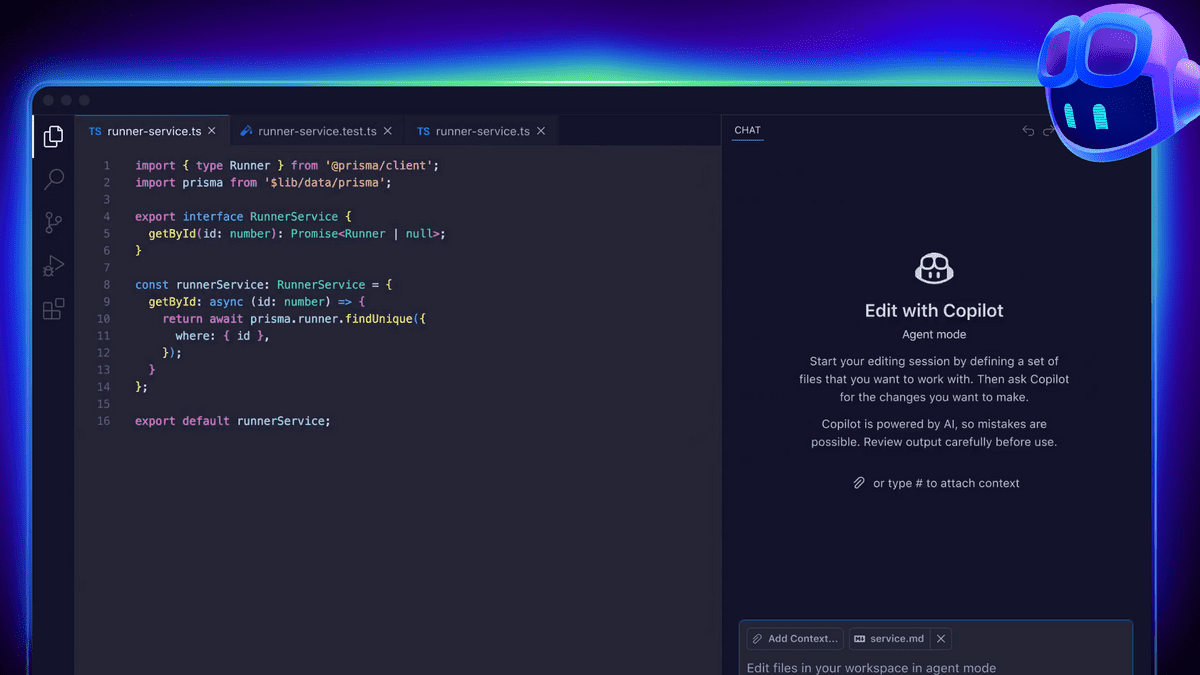
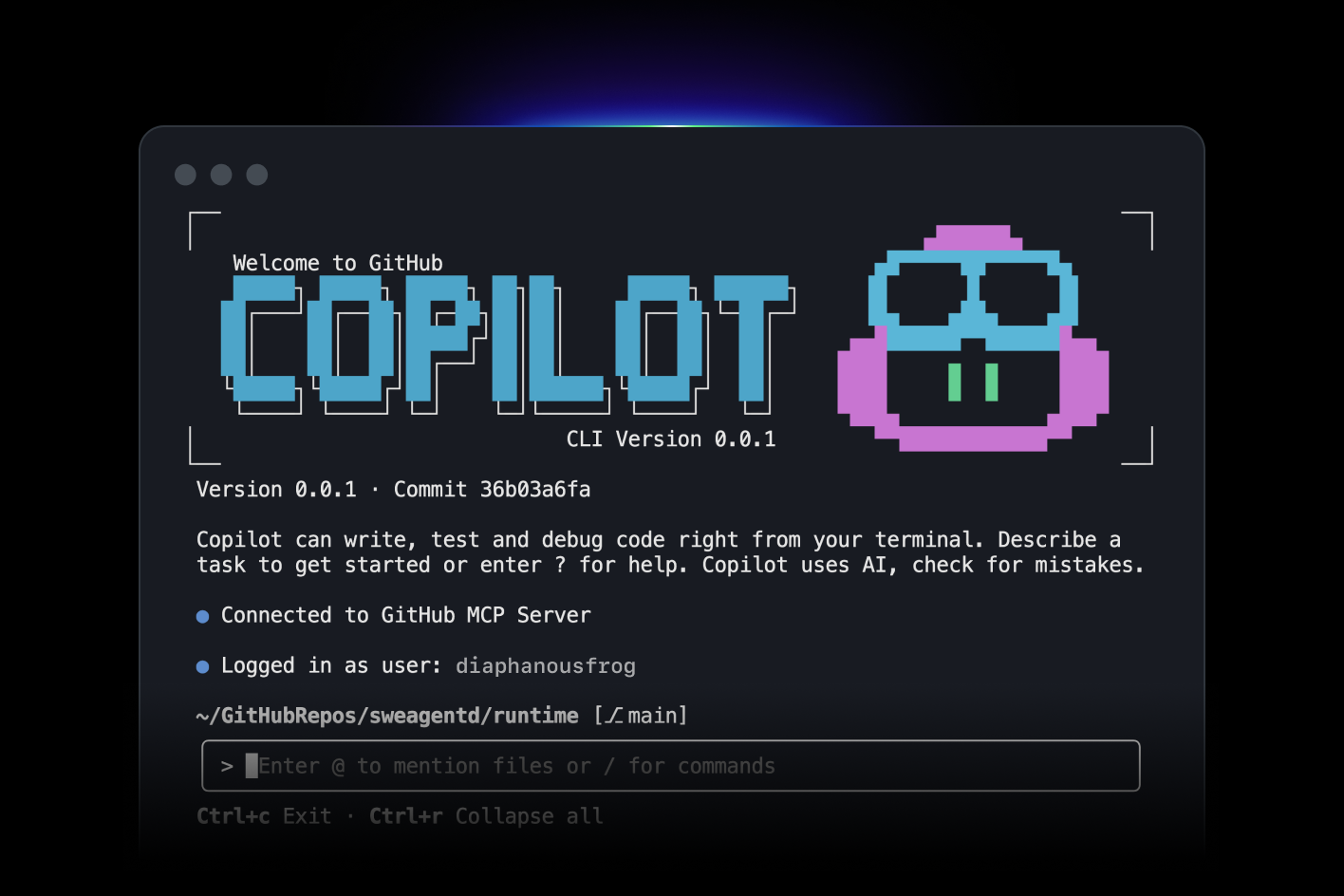
The AI infrastructure cost crisis is reshaping developer tool economics, directly impacting e-commerce sellers who rely on custom integrations and automation. Microsoft's GitHub announced on April 28, 2026, that all Copilot plans will transition to usage-based billing effective June 1, 2026. While base prices remain unchanged—Copilot Pro at $10 monthly and Business at $19 per user—developers now face variable costs tied to actual token consumption. According to the announcement, OpenAI's GPT models range from $4.50 to $30 per million output tokens, with pricing varying significantly by model sophistication. This mirrors Anthropic's similar restructuring, where Claude Enterprise customers now pay a base $20 per user monthly plus variable charges for computing capacity, compared to previous fixed allocations up to $200 per user. Fredrik Filipsson, co-founder of Redress Compliance, warns these changes could double or triple costs for heavy users.
For e-commerce sellers managing technical infrastructure, this pricing shift creates immediate operational challenges. Sellers utilizing GitHub for custom marketplace integrations, inventory automation, product data synchronization, and dynamic pricing systems face unpredictable monthly bills replacing predictable annual budgets. A single developer generating thousands of daily AI-assisted coding interactions can now trigger exponential costs, while another triggering minimal AI usage incurs minimal charges. This fundamentally changes how sellers budget for development operations. Finance teams accustomed to predictable annual renewals now manage utility-bill-style invoicing with unpredictable variables. Integration, compliance, and monitoring costs compound the challenge—businesses spend $5-$10 for every dollar spent on AI models themselves, according to the news. GitHub introduced administrative controls enabling organizations to cap spending at company, team, or individual levels, but this requires active monitoring and workflow optimization.
The broader industry pattern reveals why this shift is inevitable and permanent. Anthropic's Claude Code generated $2.5 billion in annualized revenue by February 2026, prompting OpenAI to launch a $100-per-month Codex plan targeting developers. Week-over-week costs for Copilot nearly doubled since January 2026, making flat-rate pricing financially unsustainable. Frontier AI models require enormous computing resources, with costs escalating proportionally to usage. Model developers remain unprofitable at current scales, making usage-based pricing essential for financial sustainability. For sellers, this signals that AI-powered development tools will continue experiencing price increases as demand accelerates. The shift from headcount-based licensing to activity-volume-based pricing represents a fundamental restructuring of software economics that will cascade across all AI-dependent development platforms throughout 2026-2027.
Immediate seller actions: Audit current GitHub Copilot usage patterns before June 1, 2026 using GitHub's preview billing tool to forecast actual costs under the new model. Identify which development tasks consume the most AI tokens (code reviews, autonomous coding sessions, complex integrations) and prioritize optimization. Consider shifting routine coding tasks to free features (code completion, Next Edit remain free) and reserving premium AI features for high-value development work. Implement spending caps at team and individual levels using GitHub's administrative controls. Evaluate alternative AI coding tools (Claude, Cursor, Codeium) that may offer better pricing for your usage patterns. Budget 15-30 minutes weekly for usage monitoring to prevent bill shock.
Questions 8
How much will GitHub Copilot cost sellers under the new usage-based billing model starting June 2026?
GitHub Copilot base prices remain unchanged at $10/month for Pro and $19/user/month for Business, but users now pay additional token-based charges beyond monthly allotments. OpenAI's GPT models range from $4.50 to $30 per million output tokens depending on model sophistication. According to the announcement, heavy users could see costs double or triple compared to flat-rate pricing. Sellers should use GitHub's preview billing tool before June 1 to forecast actual costs based on current usage patterns. A development team running 10+ daily AI-assisted coding sessions could face $200-500 monthly overages depending on task complexity.
Which e-commerce seller tasks are most affected by GitHub Copilot's pricing change?
High-impact tasks include autonomous code generation for marketplace integrations, multi-hour coding sessions for custom features, and AI-powered code reviews through GitHub Actions. Simple code completion and Next Edit suggestions remain free and won't consume credits, but complex development work now carries measurable costs. Sellers managing custom Amazon Seller Central integrations, Shopify app development, or eBay API automation will see the largest cost increases. A single developer generating thousands of daily AI interactions can trigger exponential costs, while routine tasks using free features incur no charges. Sellers should prioritize optimization of high-token-consumption workflows.