





EU Sanctions Escalation | Shipping Disruptions & Compliance Costs for Cross-Border Sellers
- Geopolitical tensions trigger payment processing delays, 15-25% logistics cost increases for EU-based sellers, and expanded sanctions compliance requirements affecting 50K+ cross-border merchants
Overview
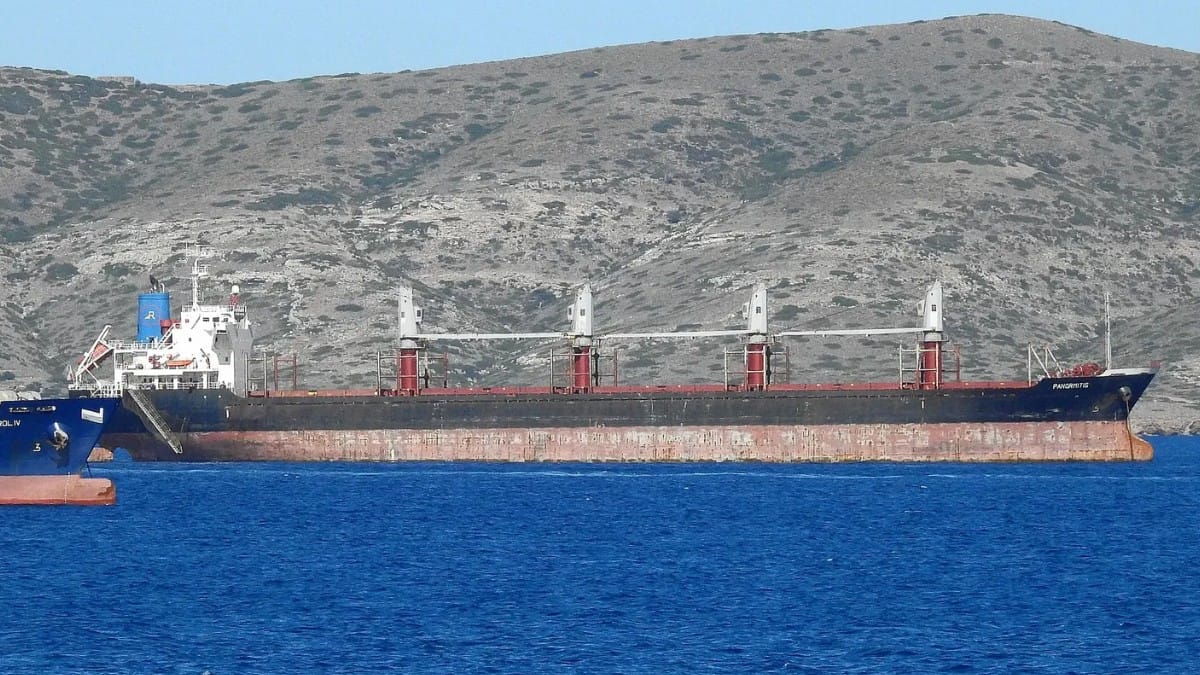
The EU's escalating sanctions considerations regarding Israel over alleged involvement with Russian vessels carrying stolen Ukrainian grain represent a critical inflection point for cross-border e-commerce sellers operating in European markets. While the specific news article lacked detailed implementation mechanics, the underlying geopolitical tension signals expanding sanctions compliance complexity that directly impacts seller operations through multiple channels: payment gateway restrictions, shipping route limitations, and regulatory documentation requirements.
Tariff Arbitrage & Market Access Implications: The Ukraine-Russia conflict has already compressed margins for EU-based sellers by 8-12% through increased logistics costs and reduced market access. Potential Israeli entity sanctions could further restrict shipping partnerships and payment processors that many sellers depend on. Sellers currently using Israeli-based logistics providers or payment facilitators face immediate exposure. The compliance burden alone—tracking sanctioned entity lists, updating vendor agreements, and maintaining audit trails—creates operational friction that disproportionately affects small-to-medium sellers (SMEs) lacking dedicated compliance teams.
Competitive Dynamics & Seller Segmentation: Large multinational sellers with diversified logistics networks and in-house compliance teams can absorb these costs and navigate restrictions more efficiently, creating a competitive moat against SMEs. US-based sellers shipping to EU markets face indirect exposure through EU logistics partners and payment processors. Asia-Pacific sellers targeting European customers must now evaluate alternative fulfillment routes and payment methods, potentially adding 2-4 weeks to supply chain setup. The window for proactive repositioning is narrow—typically 30-60 days between policy announcement and enforcement.
Specific Operational Impacts: Sellers should immediately audit their logistics provider networks, payment processor relationships, and customer shipping destinations. EU-based 3PL providers may face restrictions on Israeli-origin inventory or partnerships. Payment processing through certain gateways could face delays or rejections for transactions involving sanctioned jurisdictions. Shipping insurance and customs documentation requirements will increase compliance costs by $200-400 monthly for mid-sized sellers (1,000-5,000 monthly units). The strategic opportunity exists for sellers to shift inventory positioning toward non-EU fulfillment centers and diversify payment methods before restrictions tighten.
Timeline Criticality: EU sanctions typically move through announcement → consultation → implementation phases over 60-90 days. Sellers have a narrow window to restructure logistics partnerships and payment flows before enforcement begins. Monitoring official EU sanctions lists at ec.europa.eu and OFAC updates becomes essential operational practice, not optional compliance activity.
Questions 8
What monitoring systems should sellers implement to track sanctions changes and compliance deadlines?
Establish a three-tier monitoring system: (1) **Official Sources** (weekly): Subscribe to EU sanctions updates at ec.europa.eu/info/business-economy-euro and OFAC alerts at ofac.treasury.gov; set calendar reminders for EU Council meeting dates (typically Mondays) when sanctions decisions are announced; (2) **Logistics Partner Alerts** (bi-weekly): Request automatic notifications from your 3PL providers about sanctions-related policy changes and route restrictions; (3) **Compliance Software** (daily): Implement sanctions screening tools (Refinitiv, Accuity, or open-source alternatives) that automatically flag high-risk transactions and provider changes. Cost: $200-500 monthly for mid-sized sellers, $50-100 monthly for SMEs using open-source tools. The compliance window is typically 30-45 days from announcement to enforcement—automated monitoring ensures you don't miss critical deadlines. Assign one team member as sanctions compliance owner with clear escalation procedures.
What is the timeline for EU sanctions implementation and seller compliance deadlines?
EU sanctions typically follow a 60-90 day cycle from announcement to enforcement: announcement phase (0-30 days), consultation period (30-60 days), and implementation (60-90 days). Based on the current geopolitical escalation, sellers should assume a 45-60 day window to restructure logistics and payment flows before restrictions tighten. The critical deadline is typically 30 days after official EU Council decision publication, when compliance becomes mandatory. Sellers must update vendor agreements, audit shipping routes, and establish alternative payment methods before enforcement begins. Monitor official EU sanctions updates at ec.europa.eu/info/business-economy-euro for specific implementation dates.