




West African Democracy Under Siege: Regional Powers Mobilize to Crush Benin Coup Attempt
- Unprecedented inter-state military cooperation signals new era of democratic defense in fragile regional landscape














Overview
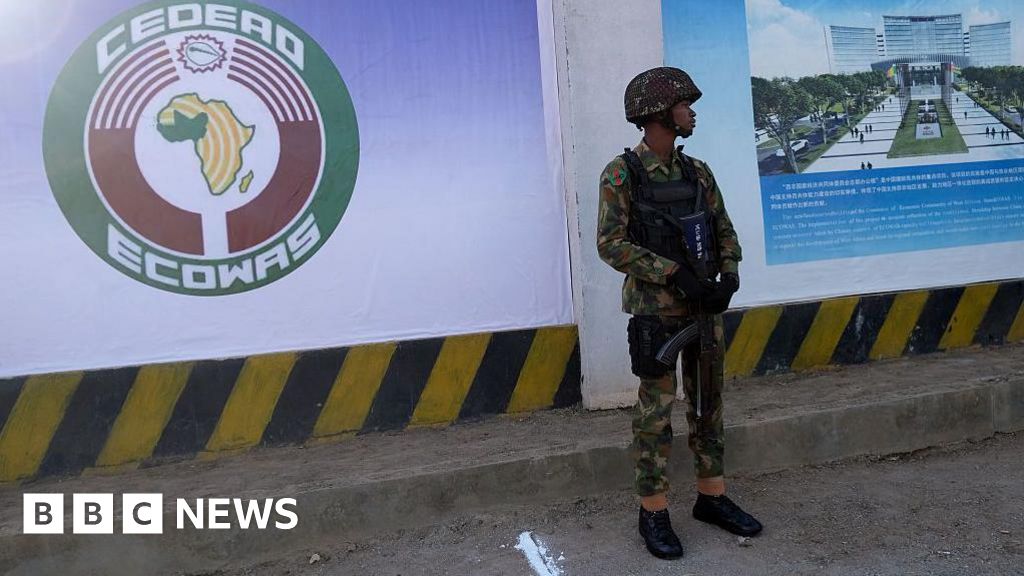
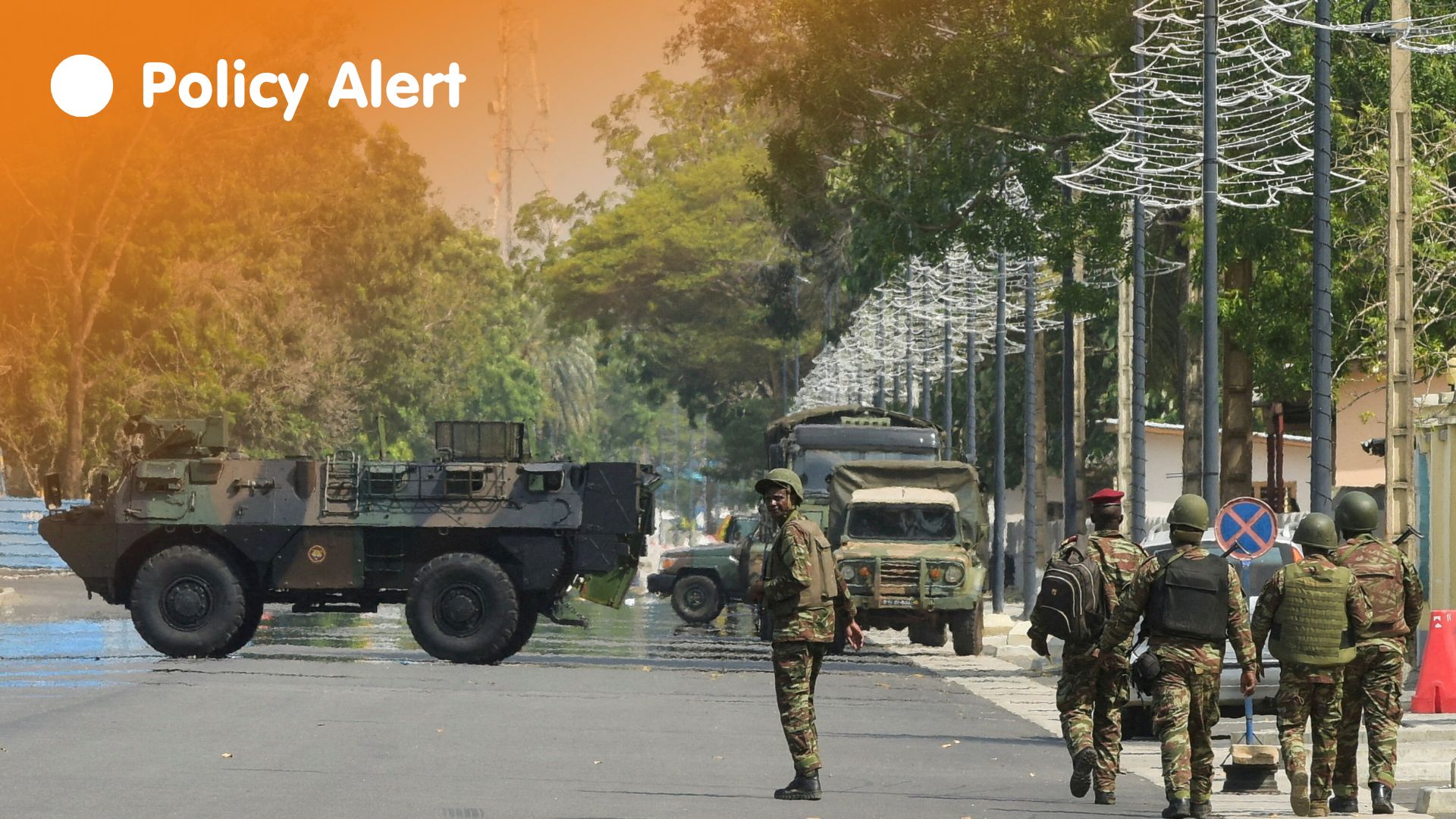
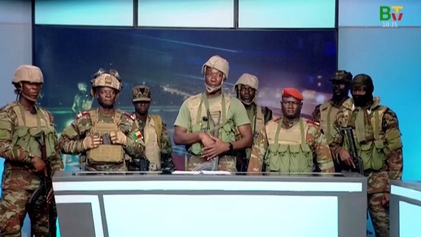
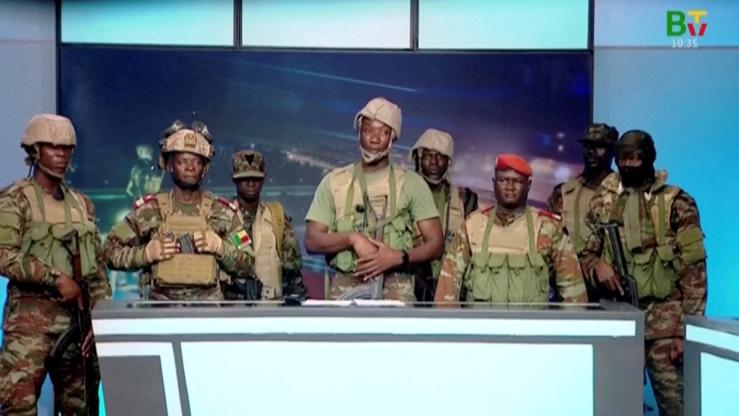
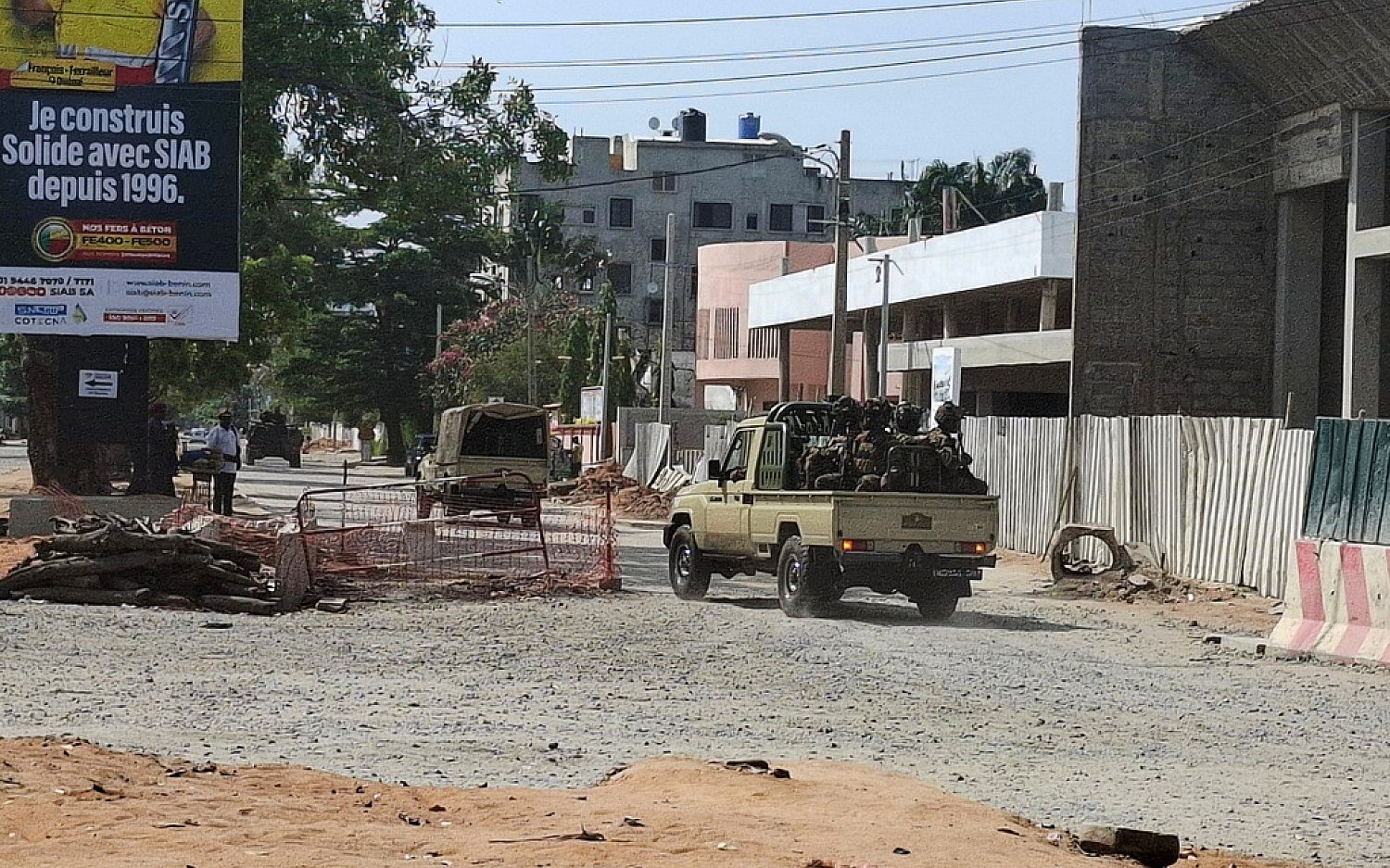
The failed coup attempt in Benin represents a critical inflection point in West African geopolitical dynamics, revealing a sophisticated regional security architecture emerging in response to persistent political instability. With approximately 200 soldiers from multiple countries rapidly deployed, the Economic Community of West African States (Ecowas) demonstrated an unprecedented coordinated response that transforms traditional notions of national sovereignty.
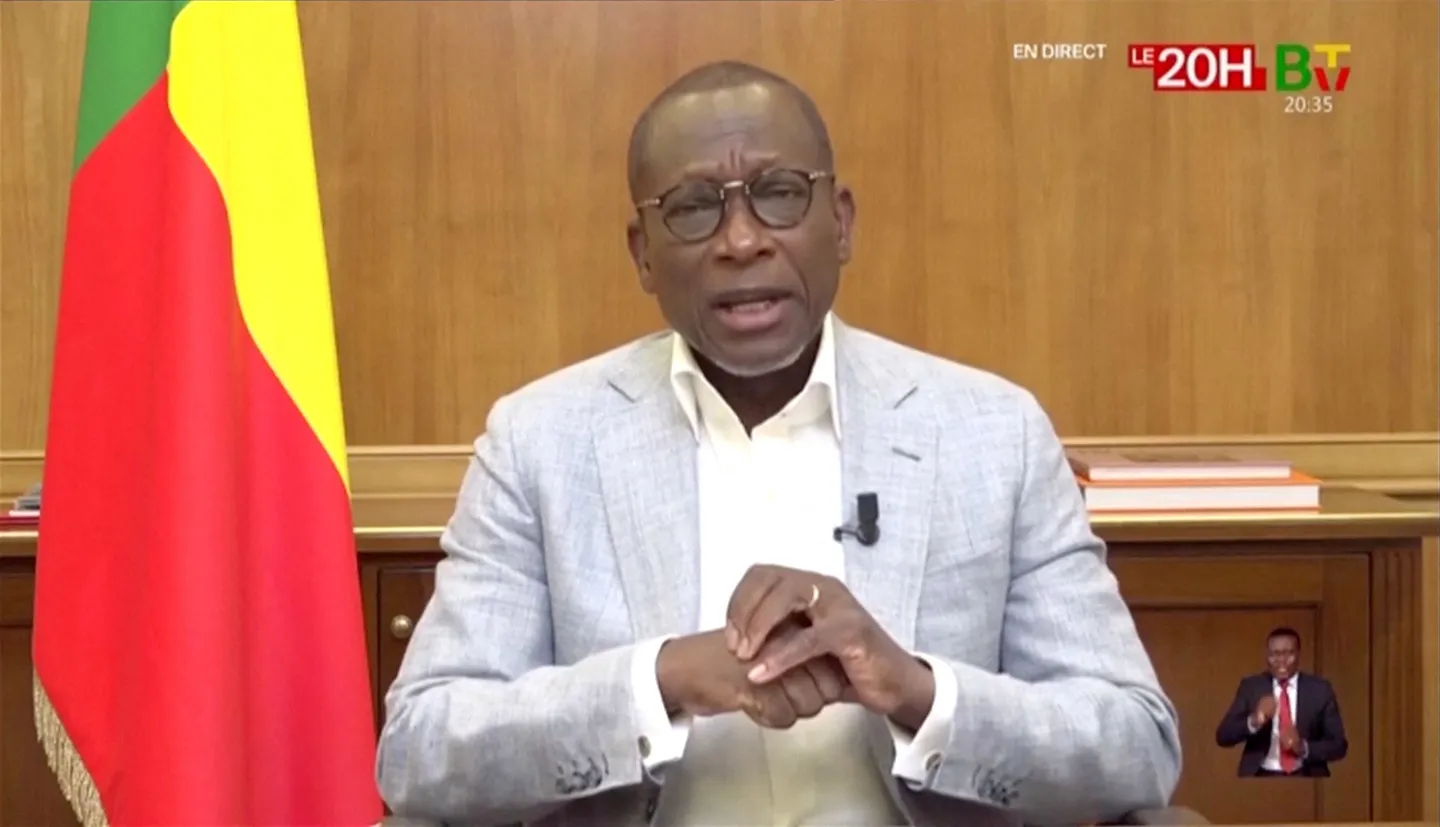
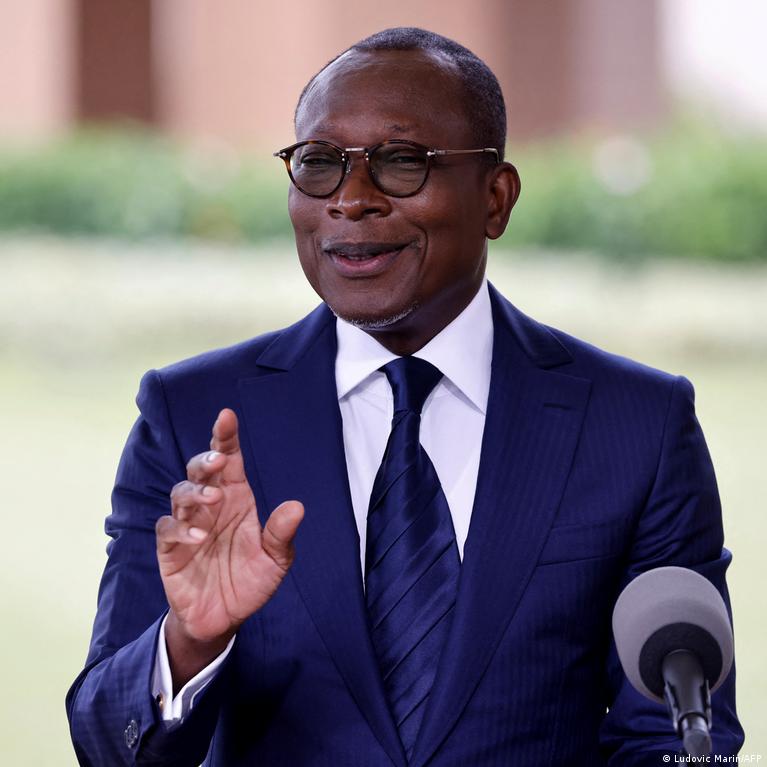
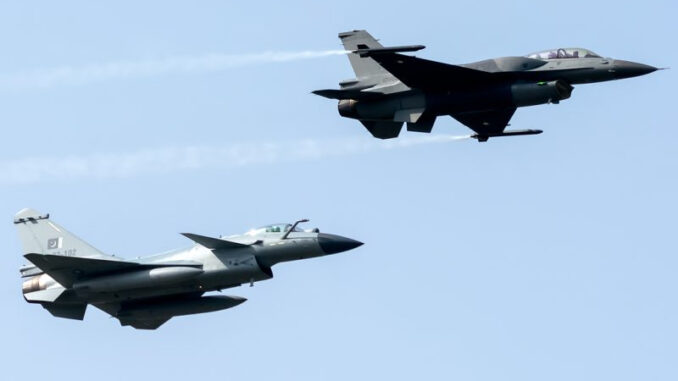
Strategic Intervention Dynamics: The swift neutralization of the coup plotters, led primarily by Nigerian fighter jets and supported by forces from Ivory Coast, Ghana, and Sierra Leone, signals a profound shift in regional conflict management. By rapidly intervening to protect President Patrice Talon's democratically elected government, these nations are establishing a powerful precedent: military takeovers will be met with immediate, multilateral resistance.
The geopolitical complexity deepens with the coup's aftermath. The alleged coup leader, Colonel Pascal Tigri, seeking refuge in neighboring Togo, introduces intricate diplomatic tensions. Benin's demand for Tigri's extradition and the revelation of potential cross-border coordination among coup participants underscore the region's interconnected security challenges. This incident occurs against the backdrop of Benin's upcoming April elections, adding layers of political uncertainty to an already volatile landscape.
The regional response goes beyond mere military intervention. By describing the coup as a 'direct assault on democracy', Ecowas is positioning itself as a guardian of democratic processes, not just a reactive peacekeeping force. The organization is signaling that political transitions must occur through constitutional mechanisms, particularly in countries like Benin experiencing complex security environments near insurgency-affected regions like Niger and Burkina Faso.
Actionable Insights:
- Monitor Ecowas's evolving role as a democratic stabilization mechanism
- Assess potential spillover effects on upcoming elections and regional investment climate
- Track diplomatic negotiations between Benin and Togo regarding coup participants' extradition
Questions 3
What are the broader implications for regional security in West Africa?
This incident demonstrates that West African nations are developing more sophisticated, collaborative security mechanisms. The rapid, multilateral response suggests a growing institutional capacity to prevent political destabilization, which could serve as a deterrent for future coup attempts across the region.
How might this coup attempt impact Benin's upcoming elections?
The failed coup introduces significant uncertainty into the April elections. It potentially weakens the current government's stability while simultaneously highlighting the regional commitment to protecting democratic processes. Investors and international observers will likely scrutinize the electoral environment more closely.