
South Korea Safety Crackdown | 20% Cross-Border Products Fail Standards
- KATS enforcement surge eliminates non-compliant sellers; children's products face 27% failure rate; compliance certification becomes competitive moat for AliExpress, Temu, Shein sellers
Overview
South Korea's Korean Agency for Technology and Standards (KATS) released a critical safety report on April 28-29, 2026, revealing that 20% of products sold on overseas direct-purchase platforms fail domestic safety standards—four times higher than the 5% failure rate for domestically distributed products. The investigation examined 431 products from AliExpress, Temu, and Shein, identifying 85 non-compliant items subsequently blocked from distribution. This represents a watershed moment in cross-border e-commerce compliance enforcement.
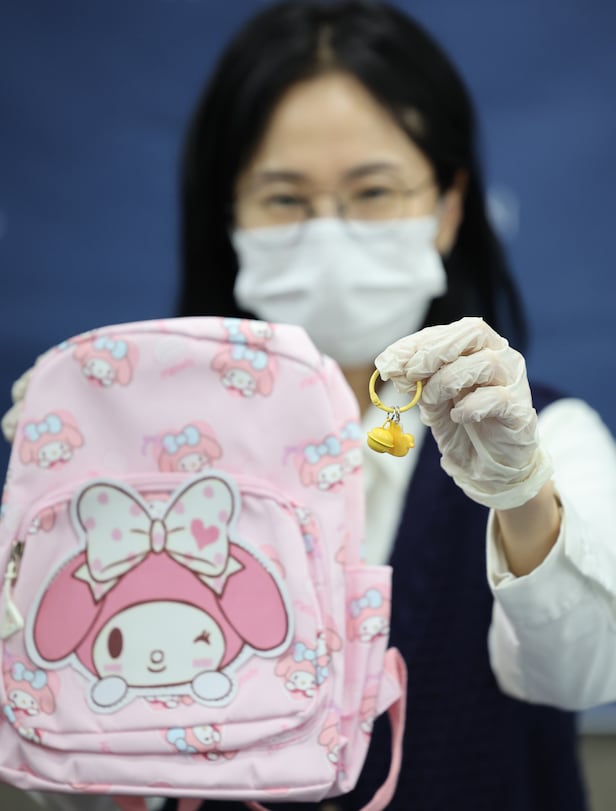
High-risk categories face catastrophic failure rates: Children's products showed 27.7% non-compliance (56 of 202 items), with 100% failure in children's bicycles and 88.9% in LED lighting fixtures. DC power supplies failed at 60%, children's leather products at 58%, and children's textiles at 41%. Hazard severity was extreme—lead levels in children's keyrings exceeded Korean standards by 549 times. These findings signal that overseas direct-purchase platforms have become regulatory blind spots, with sellers bypassing domestic safety certifications entirely.
KATS enforcement intensity is escalating dramatically: The agency increased annual safety inspections from 1,000 to 1,200 cases (20% increase), signaling sustained crackdown momentum. This creates a compliance barrier that eliminates non-certified competitors. Sellers currently operating without Korean safety certifications face three immediate risks: (1) product blocking on major platforms, (2) consumer awareness campaigns via Product Safety Information Portal and Consumer24 platform, and (3) potential liability exposure as enforcement tightens. The government's public disclosure of all 85 hazardous products amplifies reputational damage for non-compliant sellers.
This enforcement model will cascade globally: South Korea's proactive stance establishes a template other markets will adopt. EU, Japan, and Southeast Asian regulators are likely to implement similar inspection regimes within 12-24 months. Sellers currently shipping non-certified children's products, textiles, bicycles, and electrical items to South Korea face immediate delisting risk. However, this creates a compliance moat opportunity: sellers who invest in Korean safety certifications (KS Mark, KC Mark for electrical products) can capture market share from eliminated competitors. Certification timelines range from 4-12 weeks depending on category, with costs of $2,000-8,000 per product line. The margin expansion from reduced competition typically offsets certification investment within 6-9 months for high-volume categories.
Questions 8
What compliance services and tools will be in high demand for sellers?
The KATS enforcement surge will drive demand for three critical compliance services: (1) product testing and certification (lead testing, electrical safety, structural analysis), (2) regulatory consulting for Korean market entry, and (3) compliance documentation and registration support. Third-party certification providers will see 40-60% demand increases for Korean certification services. Sellers will also need supply chain auditing services to verify manufacturer compliance. Compliance management software platforms that track certification status, testing deadlines, and regulatory updates will become essential operational tools. Service providers offering bundled certification packages (testing + documentation + registration) at $3,000-5,000 per product will capture significant market share from sellers seeking fast-track compliance.
What are the specific hazards KATS identified in non-compliant products?
KATS identified extreme hazard severity across multiple product categories. Lead levels in children's keyrings exceeded Korean standards by 549 times, representing acute poisoning risk. Electrical hazards included non-compliant plugs, sockets, safety helmets, and batteries that failed safety testing. Children's bicycles showed structural defects and component failures. LED lighting fixtures failed electrical safety standards at 88.9% rate. These findings indicate that overseas direct-purchase platforms source from manufacturers with minimal quality control. Sellers must implement rigorous testing protocols and supplier audits to achieve compliance. Third-party testing labs can verify lead content, electrical safety, and structural integrity within 2-4 weeks.