
Kansas City Retail Revitalization | O2O Opportunity for Cross-Border Sellers
- Municipal grants subsidize 6-month pop-up storefronts; $10K buildout allocation + affordable rent unlock omnichannel conversion for online-only sellers ahead of FIFA World Cup 26
Overview
Municipal-Subsidized Retail Activation Creates Immediate O2O Conversion Pathway for Cross-Border Sellers
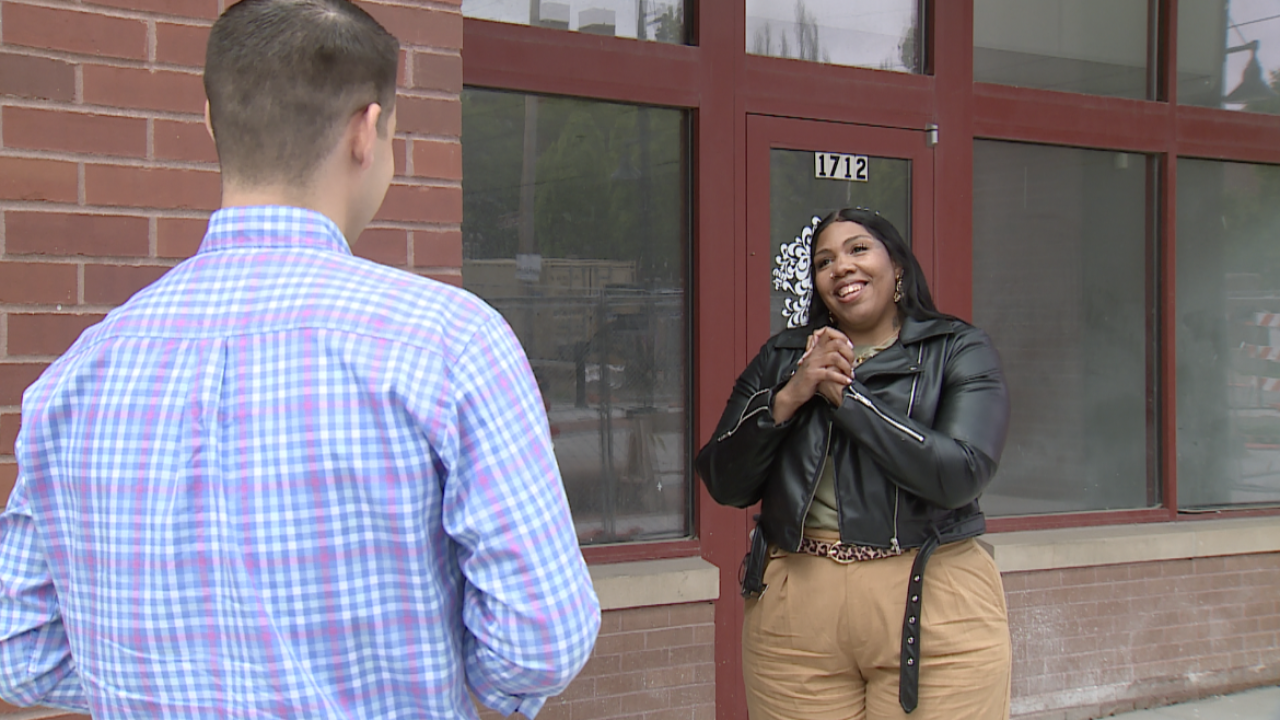
Kansas City's Open Doors! initiative represents a critical inflection point for online-only sellers seeking low-risk offline presence. The program provides rental subsidies and $10,000 storefront buildout allocations to entrepreneurs converting from digital-only operations to omnichannel retail. Morgan Irvin's case—operating Boxx Decor Co. exclusively through social media since 2020—demonstrates the growth ceiling for pure-play e-commerce sellers without physical touchpoints. Her 18th and Vine District storefront, secured through the grant program, operates on a six-month trial basis, reducing capital risk while testing offline conversion metrics.
Strategic Retail Activation Across Three High-Traffic Districts
The program targets three key districts: Crossroads, 18th and Vine, and Main Street areas—all positioned to capture FIFA World Cup 26 tourism traffic. This represents a 12-18 month runway for sellers to establish brand presence before the event drives international visitor volume. For cross-border sellers, this creates three distinct O2O opportunities: (1) wholesale partnerships with grant-funded retailers seeking inventory, (2) dropshipping arrangements leveraging Kansas City as a fulfillment hub, and (3) direct pop-up participation in revitalized districts. The May 1, 2026 release of comprehensive grant recipient list signals broader program scope—potentially 50-100+ additional storefronts beyond Irvin's business, creating a concentrated retail ecosystem.
Omnichannel Conversion Economics and LTV Impact
Industry data shows O2O conversion typically increases customer lifetime value (LTV) by 25-40% compared to online-only operations. Physical retail presence improves brand trust, enables experiential engagement, and drives repeat purchase behavior. For home décor category (Irvin's vertical), offline showrooms increase average order value by 15-22% as customers visualize products in context. Kansas City's subsidized model reduces typical storefront setup costs ($15,000-30,000) to effectively $0-5,000 after grants, enabling sellers to test offline viability with minimal capital. The six-month trial period provides data on foot traffic density, conversion rates, and customer acquisition costs—critical metrics for scaling to additional cities.
World Cup Tourism Multiplier and Regional Demand Signals
FIFA World Cup 26 will drive estimated 2-3M international visitors to host cities, with Kansas City as a secondary venue. Tourism-driven foot traffic typically increases retail conversion rates by 30-50% during major sporting events. For sellers in home décor, gifts, and experiential retail categories, this represents a 6-12 month window to establish brand presence before peak demand. The initiative's focus on "underrepresented entrepreneurs" signals municipal commitment to diverse product categories—creating opportunities for sellers in ethnic home goods, artisanal décor, and culturally-specific merchandise.
Questions 8
How can cross-border sellers leverage Kansas City's Open Doors! retail grants for O2O expansion?
The Open Doors! program provides $10,000 storefront buildout allocations plus rental subsidies for entrepreneurs converting from online-only to omnichannel operations. Cross-border sellers can participate through three pathways: (1) direct storefront application if establishing US operations, (2) wholesale partnerships with grant-funded retailers seeking inventory, or (3) dropshipping arrangements using Kansas City as a fulfillment hub. Morgan Irvin's case demonstrates the program's practical impact—she secured substantially more retail space than anticipated with affordable rent terms that would have been financially prohibitive without municipal support. The six-month trial period reduces capital risk while testing offline conversion metrics. Sellers should monitor the May 1, 2026 grant recipient list to identify partnership opportunities with 50-100+ newly activated storefronts.
What is the expected customer LTV increase from establishing offline presence in Kansas City?
Industry data shows O2O conversion typically increases customer lifetime value by 25-40% compared to online-only operations. For home décor and experiential retail categories, physical showrooms increase average order value by 15-22% as customers visualize products in context. Kansas City's subsidized model reduces typical storefront setup costs ($15,000-30,000) to effectively $0-5,000 after grants, enabling sellers to test offline viability with minimal capital investment. The six-month trial period provides critical data on foot traffic density, conversion rates, and customer acquisition costs. Sellers in Irvin's category (customized home décor) typically see 30-45% higher repeat purchase rates when combining online and offline channels compared to digital-only operations.