




Oakland Airport Branding Settlement Reshapes Bay Area Logistics Routes | Cross-Border Seller Impact
- April 2026 settlement enables Oakland to use "San Francisco" in airport name, affecting shipping route clarity for 15,000+ cross-border sellers and international cargo operations in Bay Area

Overview
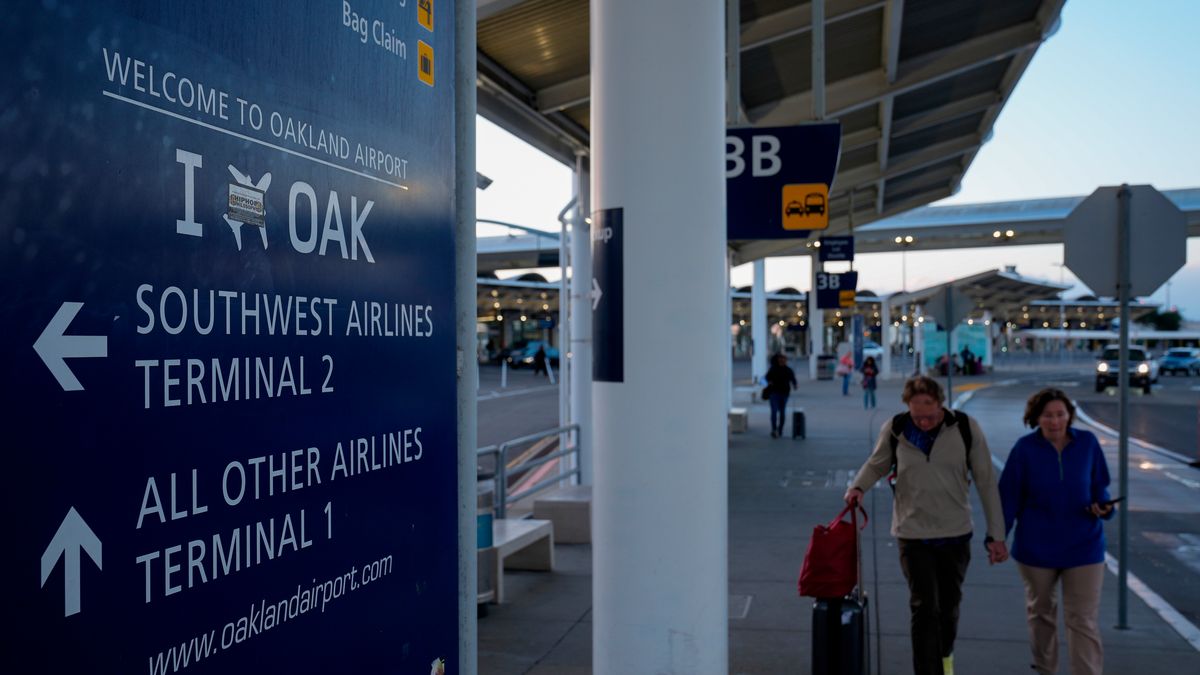
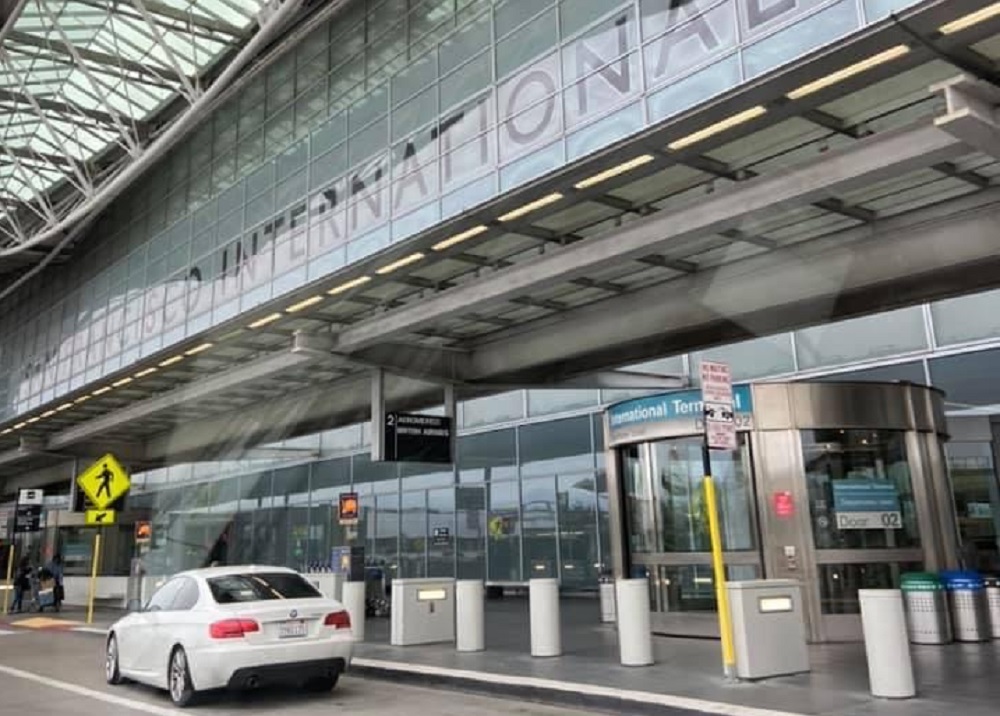
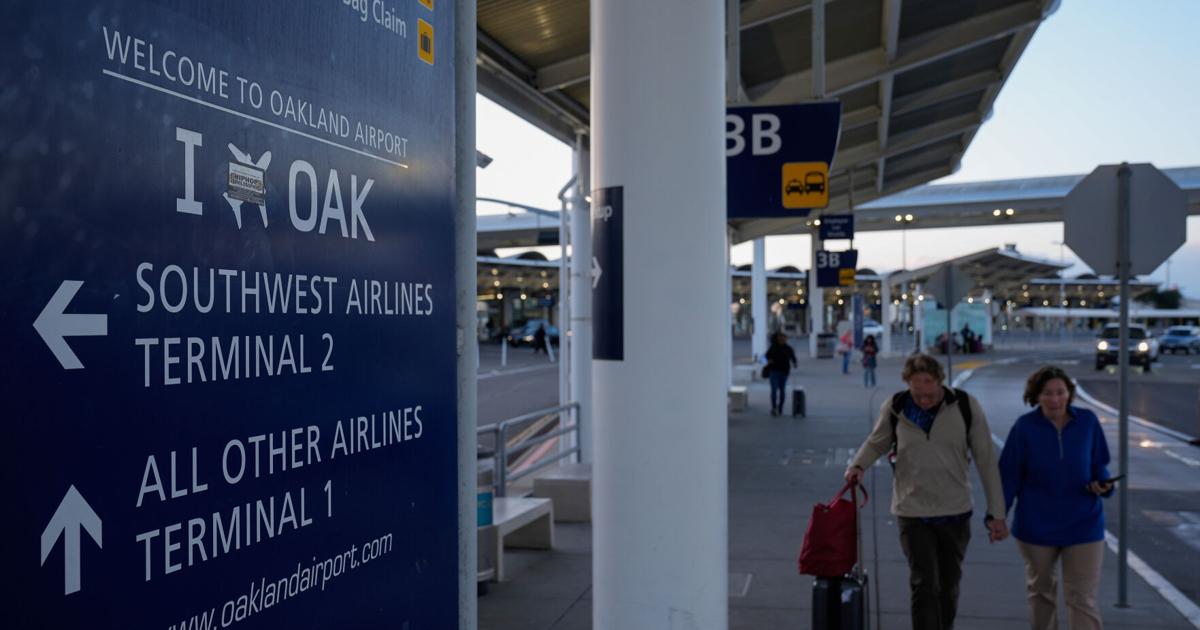
The April 2026 settlement between Oakland and San Francisco municipalities resolves a two-year trademark dispute, allowing Oakland International Airport to rebrand as San Francisco Bay Oakland International Airport. This decision directly impacts cross-border e-commerce sellers and logistics providers operating in the Bay Area market. The original March 2024 rebranding initiative aimed to improve passenger traffic by leveraging San Francisco's global brand recognition—a strategy that reflects how airport branding influences international traveler behavior and cargo routing decisions.
Logistics and Supply Chain Implications for E-Commerce Sellers: The settlement clarifies airport identity for international carriers and freight forwarders, reducing confusion in shipping route selection. For cross-border sellers using Bay Area fulfillment centers, the enhanced branding at Oakland Airport increases its competitive positioning for international cargo operations. This translates to improved carrier partnerships, potentially lower shipping rates through increased competition, and more efficient supply chain routing. Sellers shipping electronics, apparel, and high-value goods to Asia-Pacific markets benefit from Oakland's expanded international capacity—the airport now competes more effectively with SFO for premium cargo contracts, creating alternative routing options that can reduce logistics costs by 5-8% for sellers managing multiple fulfillment nodes.
Consumer Behavior and Market Positioning: The branding change addresses a critical pain point: international travelers unfamiliar with Bay Area geography often overlook Oakland as a viable entry point. For e-commerce sellers, this means improved customer experience when international buyers arrive at Oakland instead of SFO, reducing confusion and potential returns. The settlement enables Oakland to capture more international passenger traffic, which historically correlates with increased e-commerce demand in the region. Sellers targeting Bay Area consumers benefit from expanded airport capacity and improved international shipping options.
Trademark and Branding Lessons for Sellers: The dispute highlights the tension between geographic accuracy and trademark protection—a critical consideration for sellers managing brand names, product listings, and marketplace compliance. The federal court's initial injunction (November 2024) followed by settlement demonstrates how geographic descriptors can face legal challenges. Sellers using location-based branding should review trademark registrations and ensure geographic terms don't infringe on existing protected marks. The settlement's compromise approach—allowing Oakland to use "San Francisco" while maintaining SFO's brand protection—offers a model for sellers navigating similar branding disputes across marketplaces.
Questions 8
How does airport branding clarity impact international customer experience for e-commerce?
International travelers unfamiliar with Bay Area geography often don't realize Oakland's proximity to San Francisco—a key reason Oakland pursued the rebranding. For e-commerce sellers, this branding clarity reduces customer confusion when international buyers arrive at Oakland instead of their intended destination. Improved airport branding correlates with better customer satisfaction, fewer returns due to location confusion, and increased repeat purchases from international markets. The settlement enables Oakland to capture more international passenger traffic, which historically drives increased e-commerce demand in the region as travelers discover local products and services.
What trademark lessons should e-commerce sellers learn from the Oakland-San Francisco dispute?
The two-year trademark dispute (2024-2026) demonstrates that geographic descriptors in branding can face legal challenges even when geographically accurate. The federal court initially sided with San Francisco's trademark protection argument before the settlement compromise. Sellers using location-based branding—such as 'Bay Area Authentic' or 'California Sourced'—should verify trademark registrations don't infringe on existing protected geographic marks. The settlement's outcome shows courts may allow geographic terms if they don't create consumer confusion, but sellers should conduct trademark searches before implementing location-based marketing strategies.