



Big Tech's $600B AI Bet Reshapes E-Commerce Infrastructure | Sellers Face Cost Pressures & Opportunity Windows
- $600B annual AI spending by hyperscalers drives 42% diesel cost surge, 50% oil price spike, and semiconductor supply constraints affecting Amazon, Microsoft, Meta cloud services that power 2M+ e-commerce sellers globally
/2d%20illustration%20of%20Cloud%20computing%20by%20Blackboard%20via%20Shutterstock.jpg)































Overview
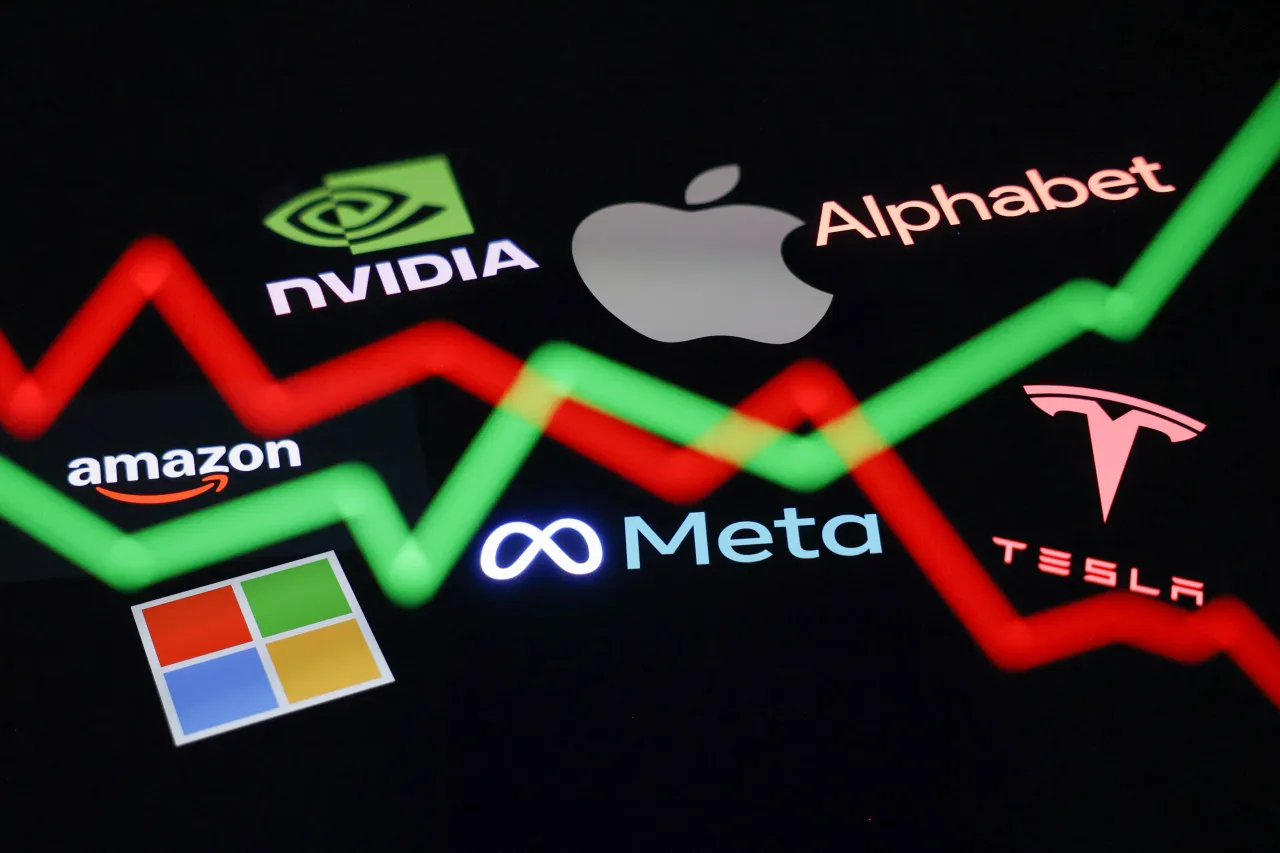
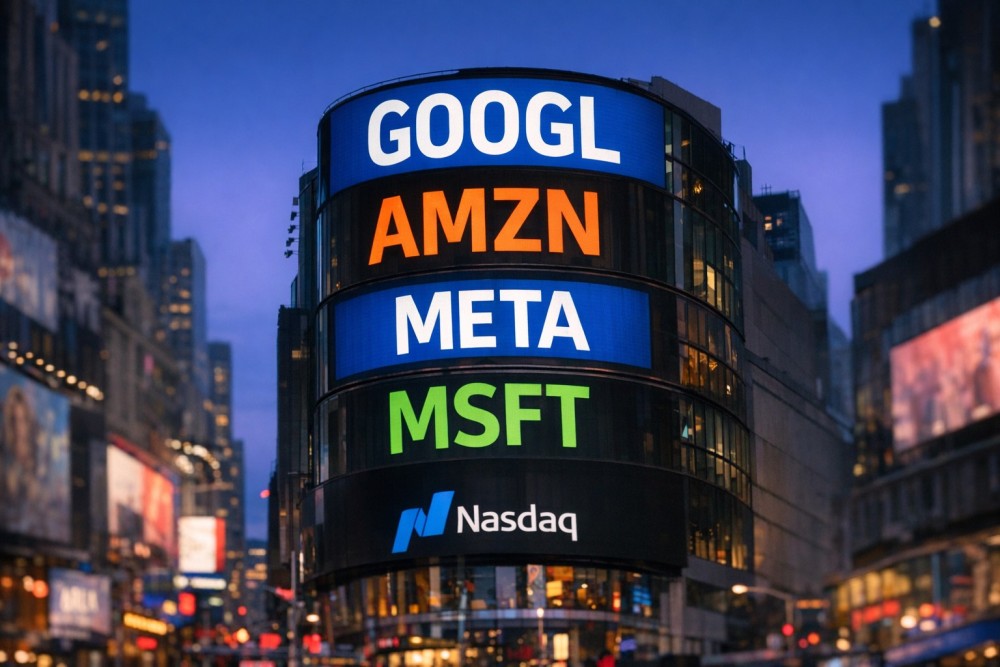
The $600 billion AI infrastructure investment by Alphabet, Amazon, Meta, and Microsoft in 2025 represents the largest capital reallocation in tech history—and it's directly reshaping the cost structure and competitive dynamics of e-commerce platforms. These four giants are collectively spending more on AI infrastructure than the entire GDP of 140+ countries, yet geopolitical disruptions (U.S.-Iran conflict, Strait of Hormuz shipping constraints, helium supply halts) are creating unprecedented cost pressures that will cascade through e-commerce logistics and cloud services by Q2-Q3 2025.
For e-commerce sellers, this creates a critical inflection point: AWS, Azure, and Google Cloud are absorbing massive cost increases (diesel +42%, oil +50%, semiconductor supply constraints) while maintaining price stability—but this margin compression is unsustainable. Amazon CEO Andy Jassy committed to $200B spending (50% increase from 2024) with "no plans to raise prices," yet analysts flag operating margin risks. This signals that price increases are coming, likely disguised as new service tiers, storage fee adjustments, or fulfillment surcharges rather than direct rate hikes. Sellers using FBA, AWS Lambda, or cloud-based inventory management should expect 8-15% cost increases within 6-9 months.
The AI spending surge is simultaneously creating competitive advantages for sellers who adopt AI tools NOW. Meta's 31% revenue growth is driven by AI-improved ad targeting—sellers using AI-powered PPC optimization, dynamic pricing, and product recommendation engines are capturing disproportionate share. Microsoft's Copilot adoption (only 3.3% of 450M enterprise customers) reveals massive untapped potential: sellers implementing AI-driven customer service automation, inventory forecasting, and listing optimization can gain 6-12 month competitive moats before mainstream adoption. The workforce reductions (Meta cutting 8,000 employees, Microsoft offering buyouts to 8,750) indicate these companies are shifting from labor-intensive to AI-intensive operations—sellers must follow this pattern or face margin compression.
Supply chain implications are immediate and actionable. Helium production halted (previously 33% of global supply), sulfur prices spiking due to Strait of Hormuz shipping concerns, and semiconductor memory pricing volatility directly impact electronics sellers. Sellers in consumer electronics, smart home, and IoT categories should expect 12-18 month lead time extensions and 15-25% component cost increases. However, U.S.-based sellers have a structural advantage: America is the world's largest LNG supplier, enabling domestic data center operations with 30-40% lower electricity costs than international competitors. This creates an opportunity window for sellers to shift fulfillment to U.S.-based 3PLs before international logistics costs become prohibitive.
Questions 8
Which product categories face the biggest supply chain risks from geopolitical disruptions?
Electronics, smart home devices, and IoT products face 15-25% component cost increases and 12-18 month lead time extensions due to helium shortage (33% of global supply halted), semiconductor memory pricing volatility, and sulfur price spikes from Strait of Hormuz shipping concerns. Sellers in these categories should immediately diversify suppliers away from Middle East-dependent sources and consider nearshoring to U.S. manufacturers. Conversely, sellers in apparel, home goods, and non-electronic categories face lower direct impact but should expect 8-12% logistics cost increases from diesel and shipping rate hikes.
How will Big Tech's $600B AI spending affect Amazon FBA fees and fulfillment costs for sellers?
Amazon's $200B annual AI infrastructure investment is driving massive cost increases (diesel +42%, oil +50%, semiconductor supply constraints) that will compress operating margins. While AWS currently maintains price stability, analysts expect 8-15% cost increases within 6-9 months, likely disguised as new storage fee tiers, fulfillment surcharges, or service tier restructuring rather than direct rate hikes. Sellers shipping 1,000+ units monthly should budget for $200-400 additional monthly costs by Q3 2025. Monitor Amazon Seller Central announcements closely—historical precedent shows Amazon announces fee changes 30-60 days before implementation.