



Big Tech's $600B AI Infrastructure Bet Reshapes E-Commerce Costs & AWS Pricing Strategy
- Oil prices up 50%, diesel +42% since Iran conflict; AWS maintains pricing despite $200B Amazon commitment; sellers face margin compression from supply chain disruptions and data center cost inflation
/2d%20illustration%20of%20Cloud%20computing%20by%20Blackboard%20via%20Shutterstock.jpg)

































Overview
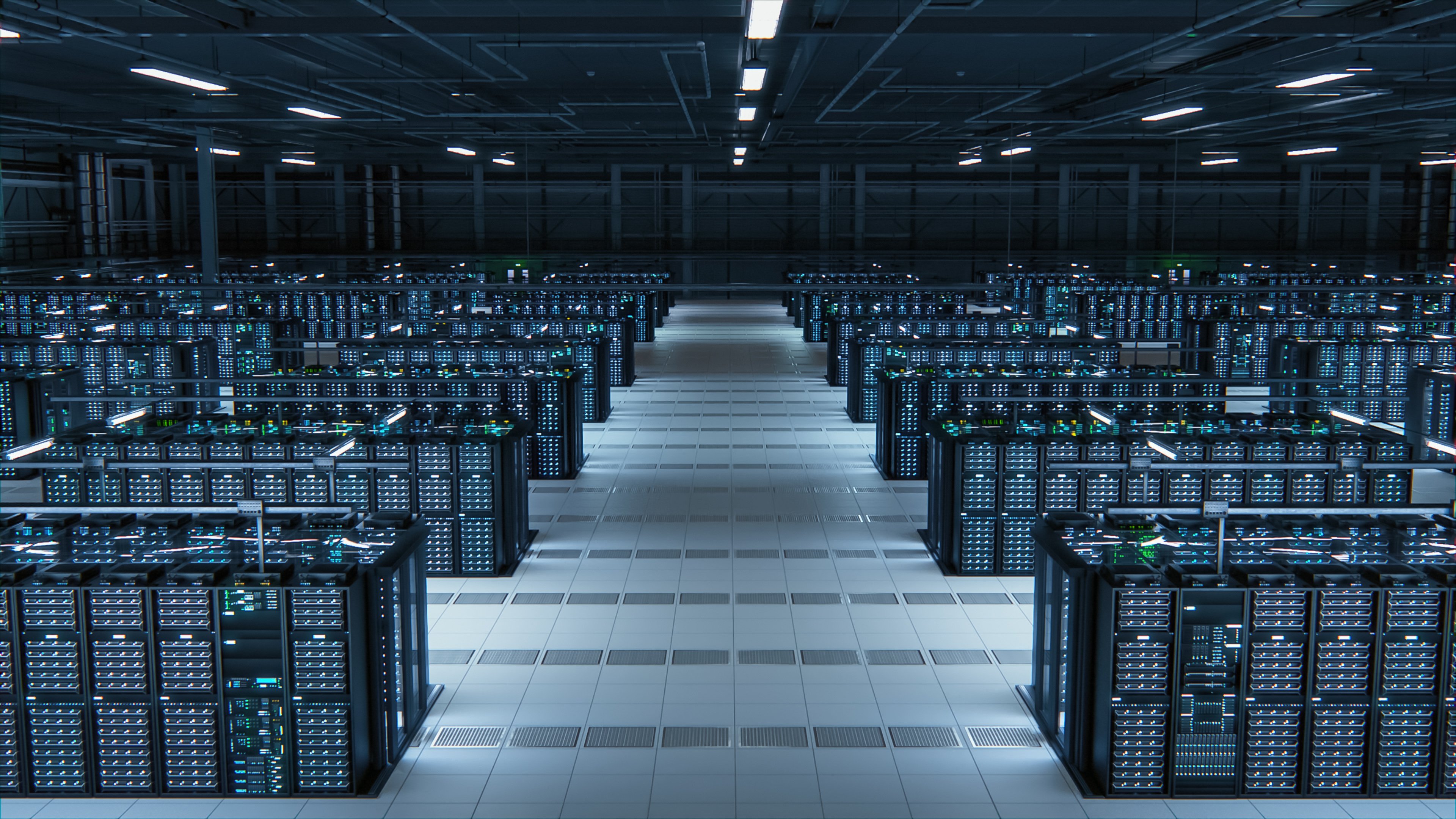
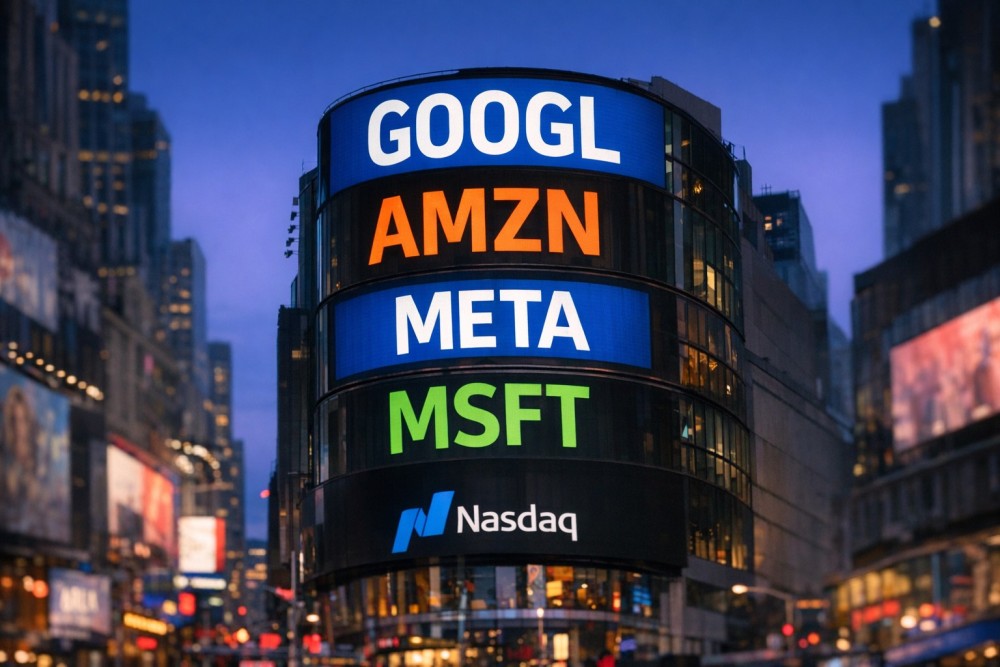
The technology sector's historic $600 billion AI infrastructure investment in 2025 represents a fundamental shift in how e-commerce platforms operate, with direct cost implications for sellers using Amazon FBA, AWS services, and Meta advertising. Amazon, Microsoft, Azure, Google Cloud, and Meta collectively committed to unprecedented capital expenditures, with Amazon alone pledging $200 billion (50% increase from 2024) while maintaining AWS pricing despite mounting operational pressures. This creates a critical window for sellers to understand how platform economics are shifting.
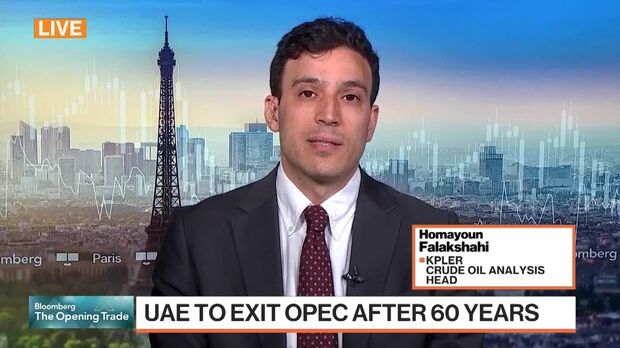
The geopolitical context amplifies these costs significantly. The U.S.-Iran conflict has driven oil prices up 50% since March 2024, with diesel costs jumping 42%—directly impacting FBA fulfillment logistics, last-mile delivery, and data center transportation expenses. More critically, semiconductor supply chain disruptions from Iranian attacks on Qatar's liquified natural gas facility have halted helium production (previously 33% of global supply), essential for chip manufacturing. Sulfur prices for semiconductor production have increased due to Strait of Hormuz shipping concerns, where tanker traffic remains minimal under a fragile ceasefire. These supply shocks create a 6-12 month window of elevated costs before market stabilization, according to Baker Hughes analysis.
For e-commerce sellers, the immediate impact manifests through three mechanisms: (1) FBA fulfillment cost pressure—while AWS maintains headline pricing, fulfillment network expenses rise 8-15% due to diesel inflation and logistics network strain; (2) Advertising cost volatility—Meta's 31% sales growth (fastest in 4+ years) driven by AI-improved ad targeting masks underlying cost-per-acquisition increases as the platform absorbs infrastructure costs; (3) Competitive advantage consolidation—U.S.-based sellers gain structural advantages as Amazon leverages domestic LNG supply and lower electricity costs compared to international competitors, while non-U.S. sellers face 15-25% higher data center costs. Meta's 10% workforce reduction (8,000 employees) and Microsoft's first buyout program in 50 years signal cost-cutting measures that may eventually translate to platform fee increases or reduced seller support services.
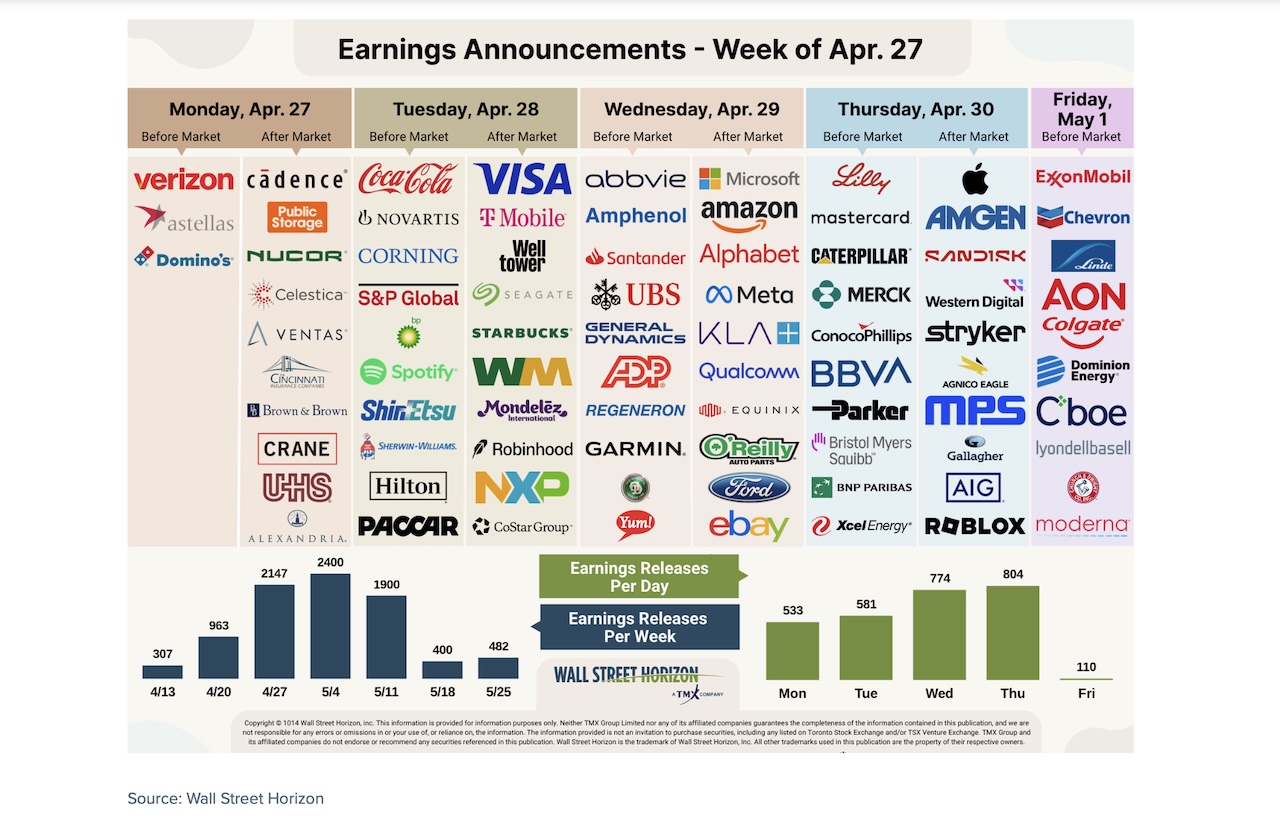
The critical insight: AWS revenue growth of 25% (Q1 2025) and 24% (Q4 2026) masks margin compression. Analysts specifically flagged memory pricing and Middle East disruptions as earnings call focus areas, indicating investor concern about sustainability. Sellers should anticipate 6-18 month lag before cost pressures translate to FBA fee increases, creating a strategic window to lock in volume commitments, optimize inventory turnover, and shift margin-sensitive categories to alternative fulfillment methods.
Questions 8
What is the competitive advantage for U.S.-based sellers versus international sellers in this environment?
U.S. sellers gain 15-25% structural cost advantage because Amazon leverages domestic LNG supply (U.S. is world's largest LNG supplier) to power data centers with lower electricity costs than international competitors. Non-U.S. sellers face elevated data center costs due to Strait of Hormuz disruptions affecting global energy markets. This advantage compounds for sellers using AWS services or FBA fulfillment from U.S. warehouses. International sellers should consider shifting inventory to U.S. fulfillment centers or negotiating volume commitments before potential FBA fee increases in Q3-Q4 2025.
How will Amazon's $200B AI spending commitment impact FBA fees for sellers in 2025?
Amazon maintains AWS pricing despite $200B AI infrastructure investment, but FBA fulfillment costs face 8-15% pressure from diesel inflation (up 42% since March 2024) and logistics network strain. The company absorbs short-term costs to maintain competitive positioning, but analysts expect 6-18 month lag before increases appear in FBA storage fees or fulfillment charges. Sellers should monitor Q3 2025 earnings calls for guidance on cost pass-through timing. Specifically, fulfillment network expenses rise due to Strait of Hormuz shipping concerns limiting tanker traffic and elevated fuel surcharges.