



)
US Tariff Barriers on Chinese EVs Strengthen | Sellers Face Supply Chain Realignment
- 73 House Democrats demand permanent ban on Chinese vehicles; Canada's 70K EV quota creates USMCA arbitrage risk; automotive supply chain sellers must pivot sourcing strategies by Q3 2026






Overview
The April 28, 2026 congressional push to permanently block Chinese automakers from the US market represents a critical tariff enforcement moment with cascading implications for cross-border sellers in automotive components, EV batteries, and related supply chains. Led by 73 House Democrats and supported by bipartisan Republican legislation, this effort directly targets the tariff arbitrage window that Chinese manufacturers have exploited through Mexico and Canada—specifically Canada's January 2026 decision to drop its 100% tariff on Chinese EVs in exchange for Beijing lowering tariffs on Canadian farm products (canola seeds). This creates a documented "backdoor" entry mechanism under USMCA that sellers must immediately assess.
The tariff arbitrage opportunity is collapsing. China controls 62% of the global EV market and exported 8 million vehicles annually, with expanding sales across South America, Middle East, and Europe. However, the US market remains protected: Chinese-built vehicles represent less than 1% of US sales, exclusively from Western brands (GM's Buick, Ford's Lincoln, Volvo). The congressional letter explicitly demands Trump "prohibit Chinese-owned or controlled vehicles from entering the U.S. market through any mechanism, including USMCA"—signaling that the Mexico/Canada sourcing loophole faces imminent closure. For sellers sourcing EV batteries (HS Code 8507), electric motor components (HS Code 8501-8505), and automotive electronics from Chinese suppliers, this means tariff rates will likely remain elevated at 25%+ rather than declining through USMCA reclassification.
Supply chain sellers must immediately evaluate sourcing country shifts. The competitive advantage China achieved through "exploitative labor practices and suppressed wages" (per the congressional letter) is now explicitly targeted for tariff enforcement. Sellers currently sourcing automotive components from China face three scenarios: (1) Accept 25%+ tariffs on Chinese-origin parts, (2) Shift sourcing to Vietnam, India, or Mexico to access lower tariff rates, or (3) Establish US manufacturing to qualify for domestic content preferences. The timing window is critical—Trump's Xi Jinping summit (mentioned in both news items) could finalize policy within 60-90 days. Sellers with inventory sourced from Chinese suppliers should model tariff impact immediately: a $500 EV battery component faces $125+ in additional tariffs, compressing margins 15-25% depending on category.
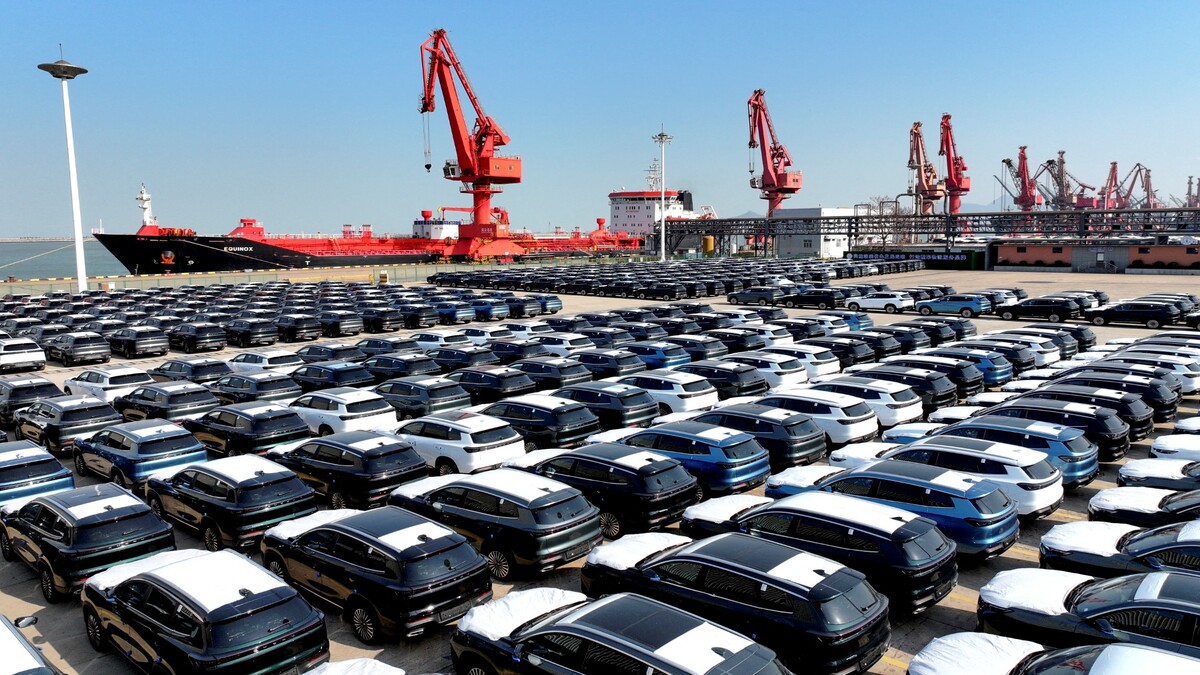
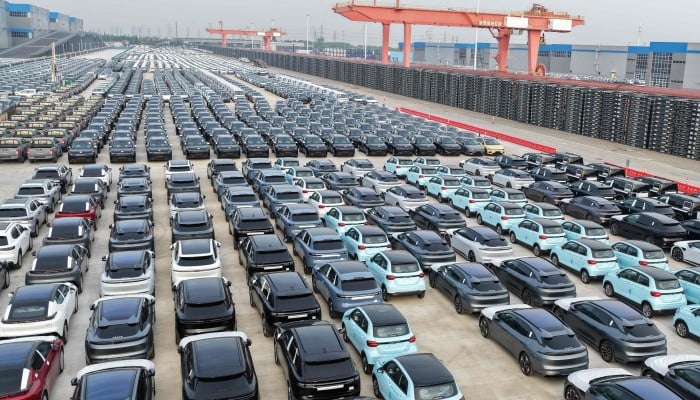
Mexico's surge in Chinese vehicle imports (2021-2025) signals the exact arbitrage route Congress is closing. Canada's quota system (70,000 vehicles annually by 2030) demonstrates the scale of the circumvention attempt. For sellers in automotive aftermarket parts, charging infrastructure, and EV accessories, this policy shift creates both risk and opportunity: tariff protection strengthens domestic US suppliers' competitive position, but also locks in higher input costs for sellers relying on Chinese components. The "national security" framing around vehicle data collection and remote interference capabilities suggests future restrictions may extend beyond vehicles to connected automotive electronics and IoT components.
Questions 7
How will the proposed Chinese auto ban affect sellers sourcing EV batteries and components?
The congressional push to permanently block Chinese vehicles directly threatens tariff arbitrage for automotive component sellers. Currently, Chinese-origin EV batteries (HS Code 8507) face 25%+ tariffs, but sellers have exploited USMCA reclassification loopholes through Mexico and Canada. The April 28, 2026 congressional letter explicitly demands closure of this "backdoor" mechanism, meaning tariff rates will remain elevated rather than declining. For a $500 battery component, this translates to $125+ in additional tariffs, compressing margins 15-25%. Sellers must immediately model tariff impact and evaluate sourcing shifts to Vietnam or India within 60-90 days before Trump's Xi summit finalizes policy.
Which sourcing countries offer tariff advantages as alternatives to China for automotive parts?
Vietnam and India emerge as primary alternatives under current trade policy frameworks. Vietnam benefits from CPTPP tariff preferences and lower labor costs (though higher than China), while India offers USMCA-adjacent advantages through emerging trade negotiations. Mexico itself becomes attractive for final assembly to claim USMCA origin, though Chinese component sourcing through Mexico faces explicit congressional scrutiny. Canada's quota system (70,000 Chinese EVs annually by 2030) demonstrates the scale of circumvention Congress is closing. Sellers should evaluate Vietnam for HS Code 8507 (batteries) and India for HS Code 8501-8505 (electric motors) within 30 days to lock in supplier relationships before tariff policy finalizes.