



Geopolitical Resistance: How Private Extraction Firms Are Rewriting Political Escape Strategies
- A new model of international political mobility emerges through specialized veteran-led rescue operations





















Overview
In a remarkable demonstration of modern geopolitical resistance, the extraction of María Corina Machado reveals a transformative approach to political mobility that transcends traditional diplomatic channels. The high-stakes maritime operation, executed by Bryan Stern's Grey Bull Rescue Foundation, represents more than just a single escape—it signals a profound shift in how opposition leaders can challenge authoritarian regimes.
The operation's complexity is staggering: a 5,500-mile clandestine journey involving navigating treacherous Caribbean waters, evading multiple intelligence services from Venezuela, Cuba, and Russia, and coordinating a delicate extraction that involved maritime, land, and air components. What makes this extraction extraordinary is not just its technical sophistication, but its strategic implications for political resistance.
Private extraction capabilities are emerging as a critical geopolitical tool. Grey Bull Rescue, formed in the aftermath of the 2021 U.S. Afghanistan withdrawal, demonstrates how veteran-led organizations can create alternative pathways for political actors facing existential threats. The mission, funded by anonymous donors and operating in a grey zone of international support, highlights a new model of transnational political support that bypasses traditional governmental constraints.
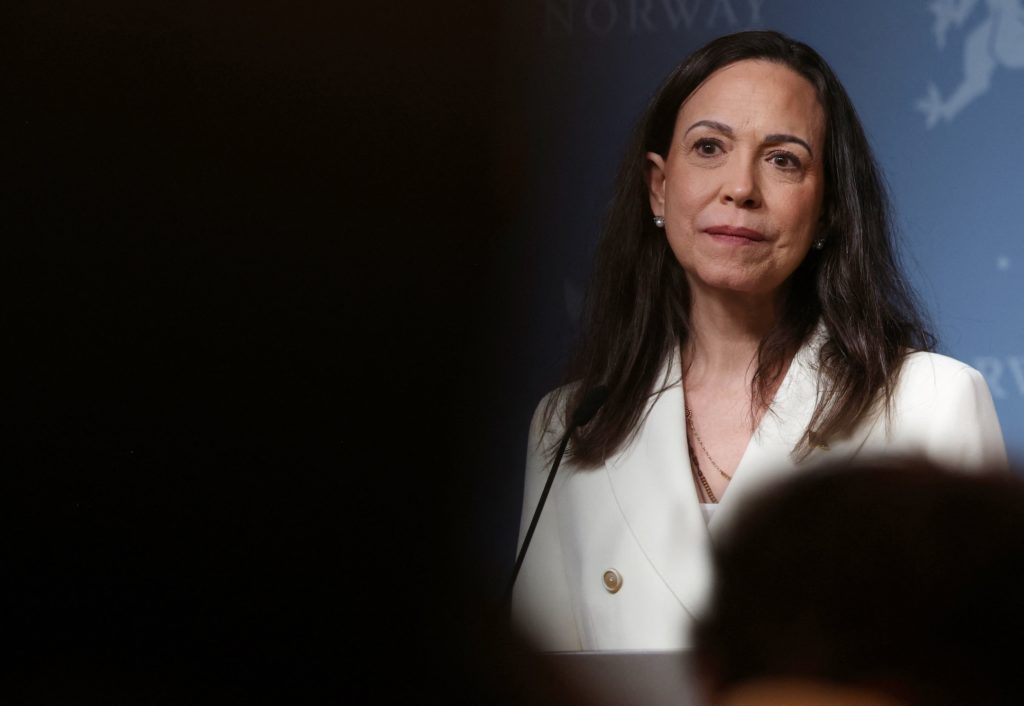
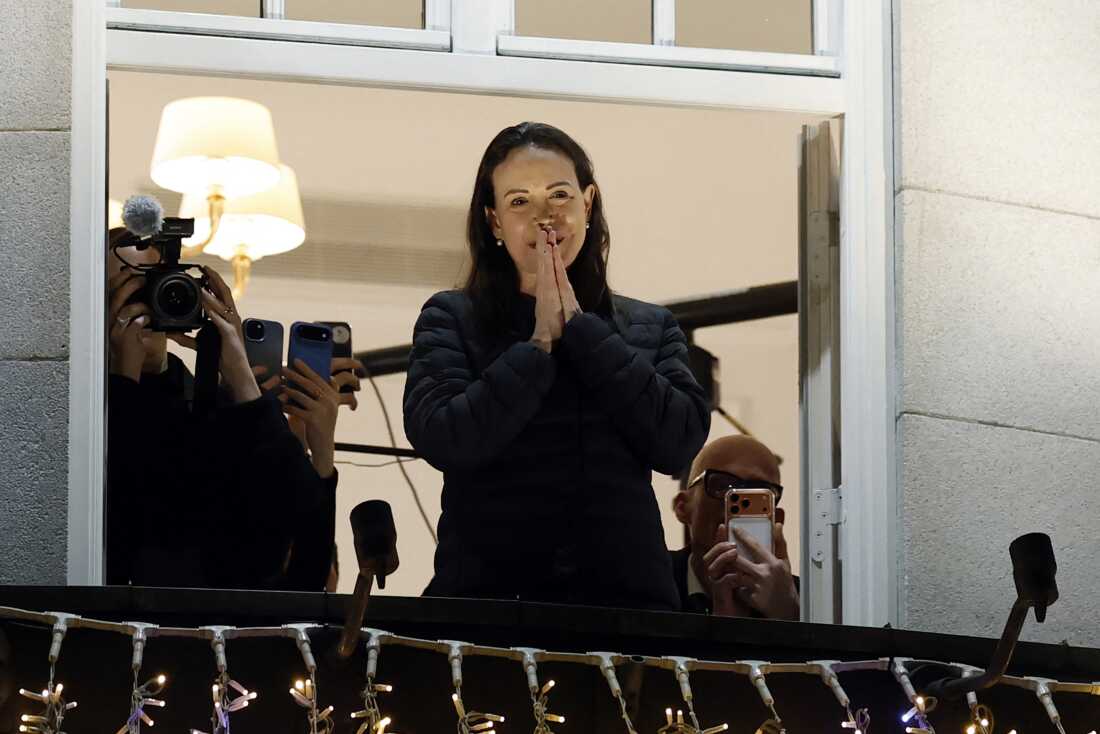
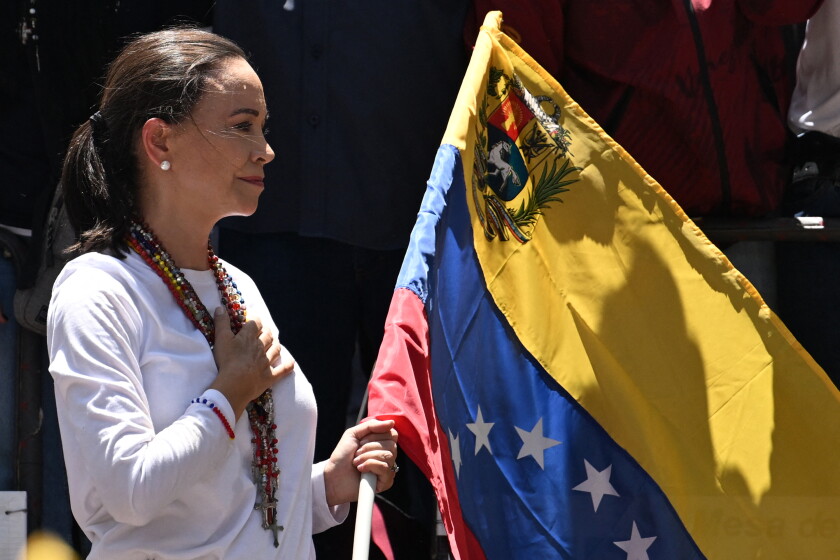
Machado's extraction is particularly significant because it transforms her from a potentially silenced opposition leader to an international symbol of resistance. By successfully navigating multiple roadblocks and intelligence networks, the operation not only preserved her physical safety but amplified her political narrative. Her ability to travel to Oslo and accept the Nobel Peace Prize becomes a powerful statement against the Nicolás Maduro regime.
The strategic implications are profound. This operation reveals a emerging ecosystem where specialized private firms can provide mobility and protection for political activists in ways traditional diplomatic channels cannot. It suggests a future where geopolitical resistance is no longer solely dependent on state actors, but can be facilitated by agile, mission-driven organizations with deep operational expertise.
Questions 3
What are the broader implications of private extraction firms like Grey Bull Rescue?
These firms represent a new geopolitical tool that provides alternative pathways for political actors facing existential threats. By operating in diplomatic grey zones and leveraging veteran expertise, they can facilitate political mobility in ways traditional governmental channels cannot, potentially reshaping how resistance movements operate internationally.
What makes this extraction strategically significant beyond Machado's personal safety?
The operation transforms Machado from a potentially silenced opposition leader to an international resistance symbol. By enabling her to accept the Nobel Peace Prize in Oslo, the extraction amplifies her political narrative and demonstrates how private organizations can challenge authoritarian regimes through sophisticated mobility strategies.