

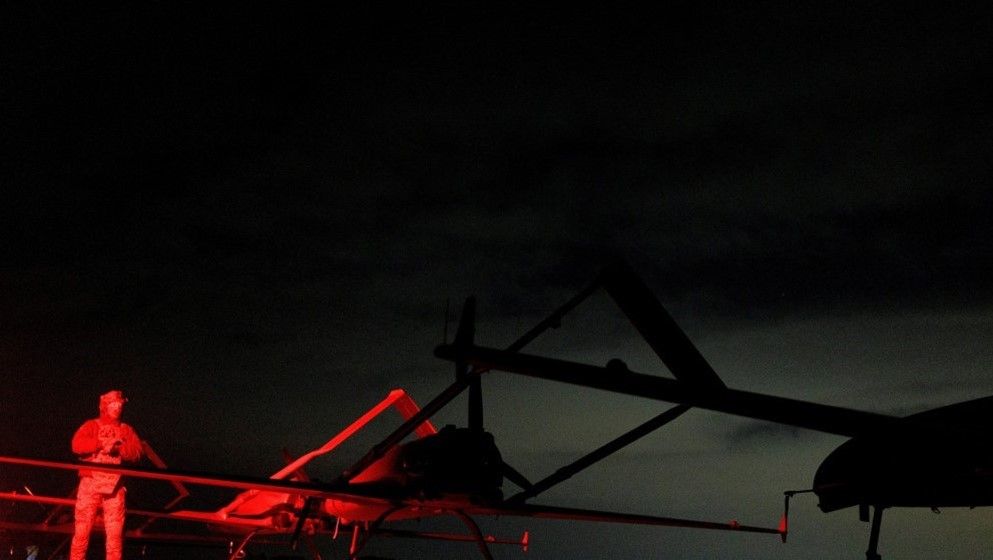
Drone Warfare Transforms Geopolitical Conflict Dynamics
- Technological Innovation Reshapes Strategic Military Engagement Between Russia and Ukraine















)











)
Overview
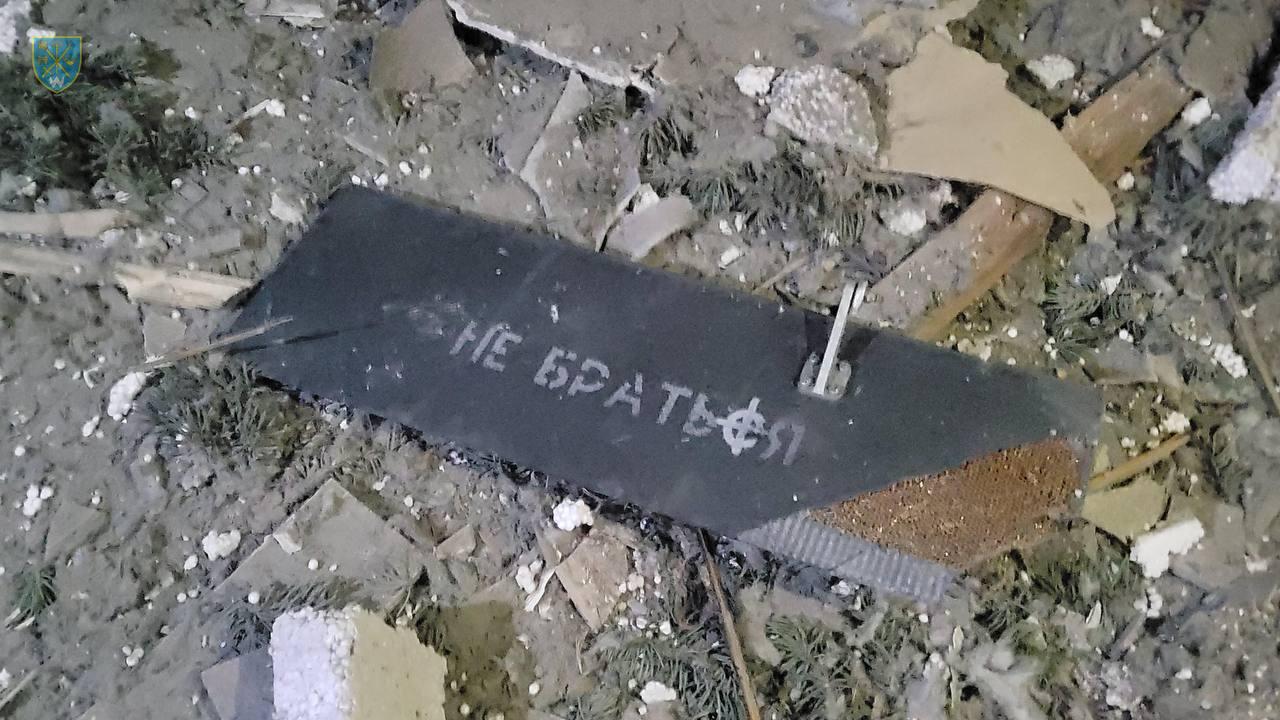
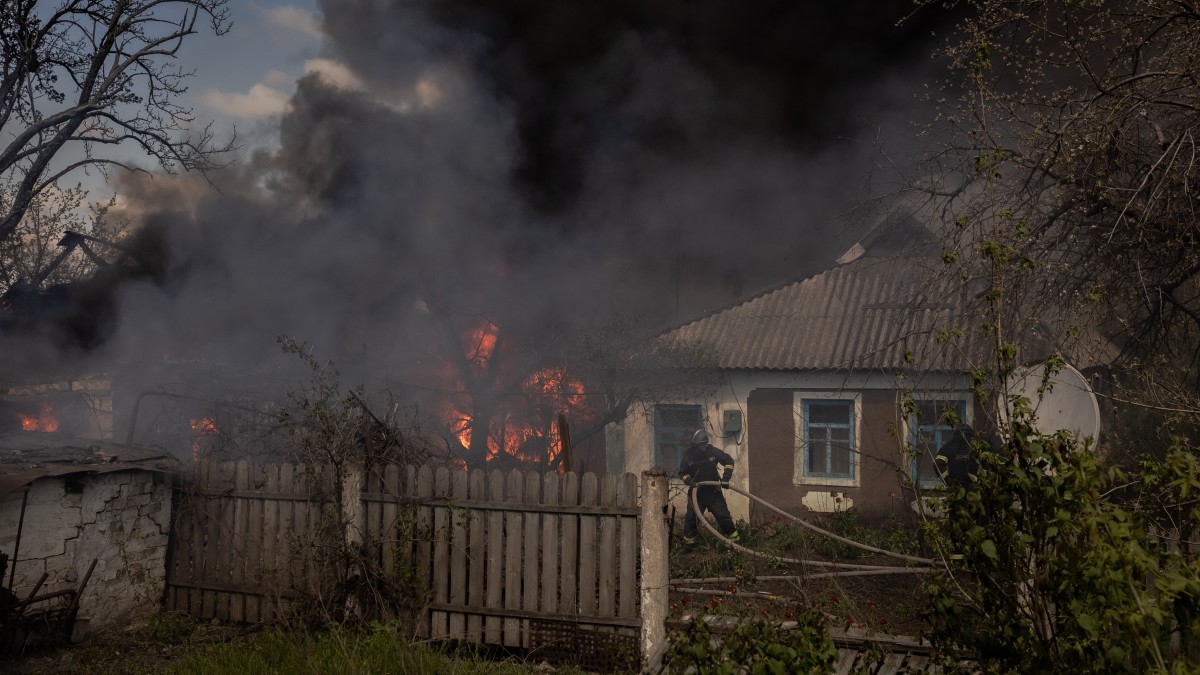
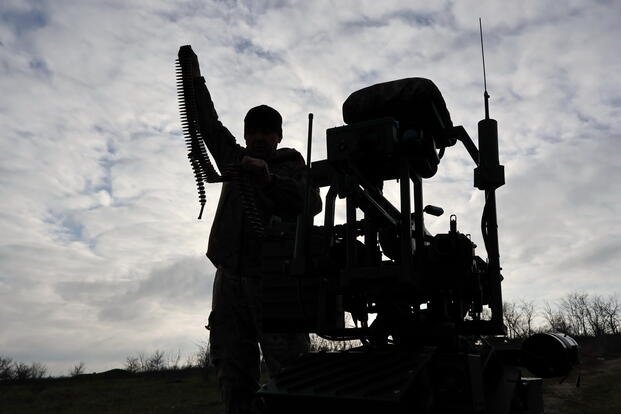
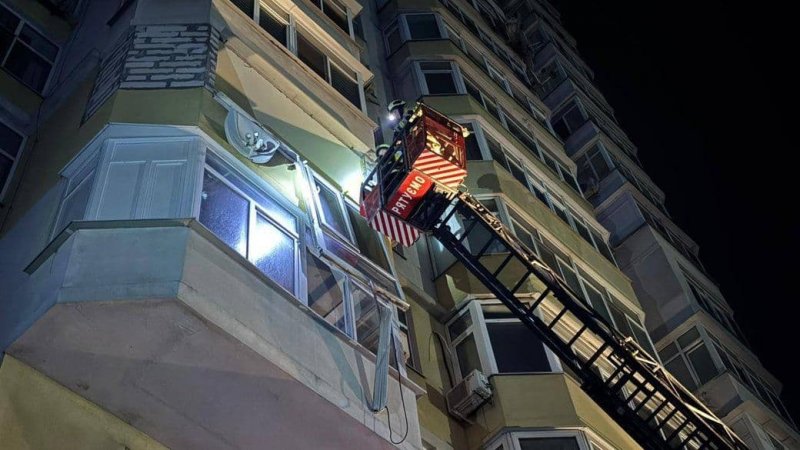
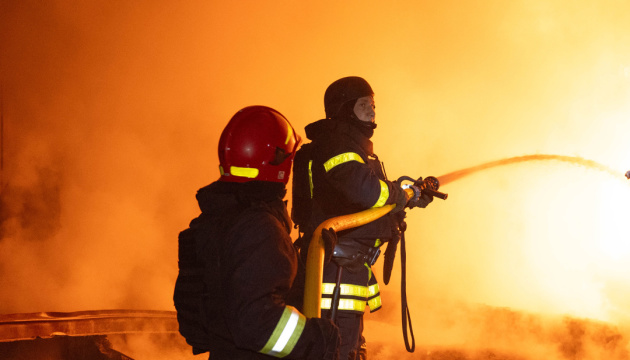
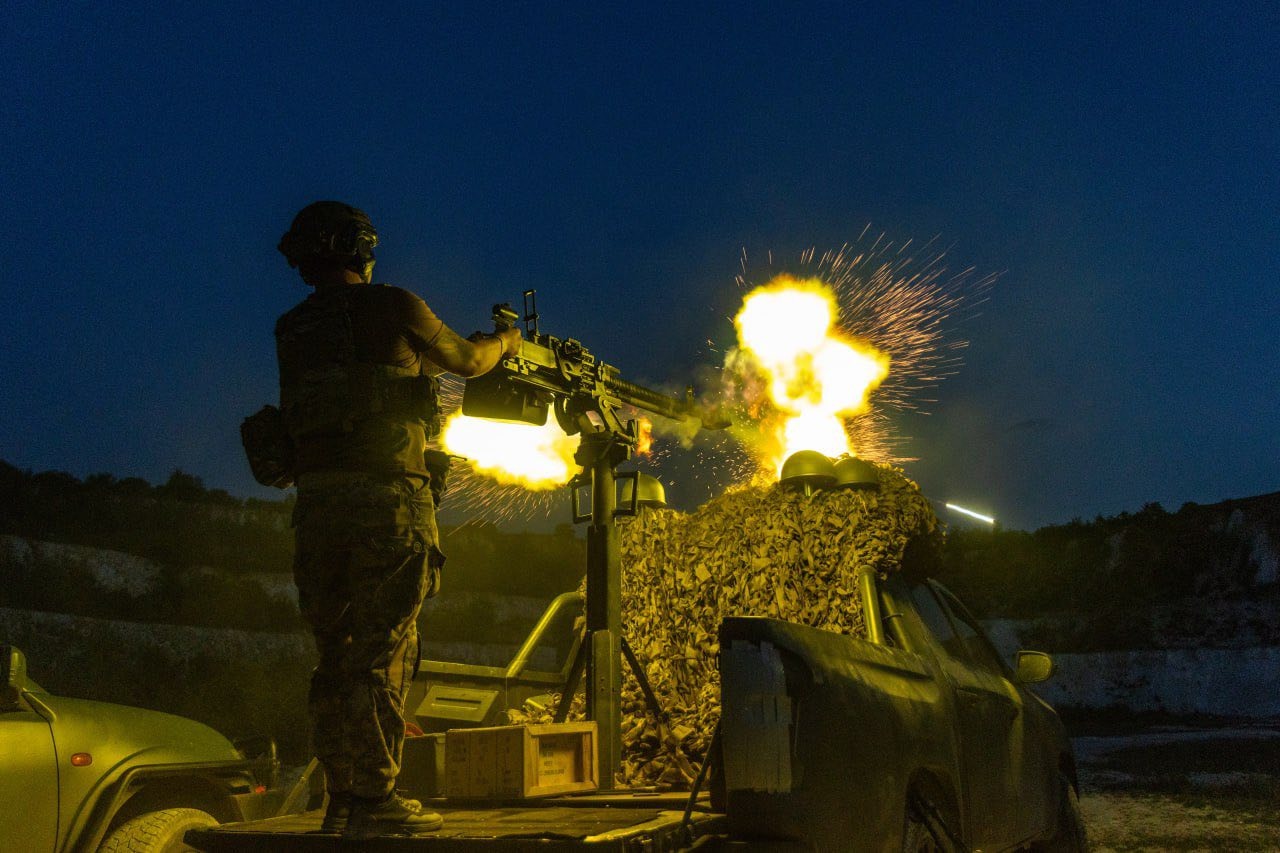
The escalating drone warfare between Russia and Ukraine represents a pivotal transformation in modern military strategy, revealing how technological innovation is fundamentally reshaping geopolitical conflict dynamics. On December 11, 2025, Ukraine launched an unprecedented aerial assault involving 287 drones, with 40 specifically targeted over the Moscow region, demonstrating a sophisticated and asymmetric approach to military engagement.
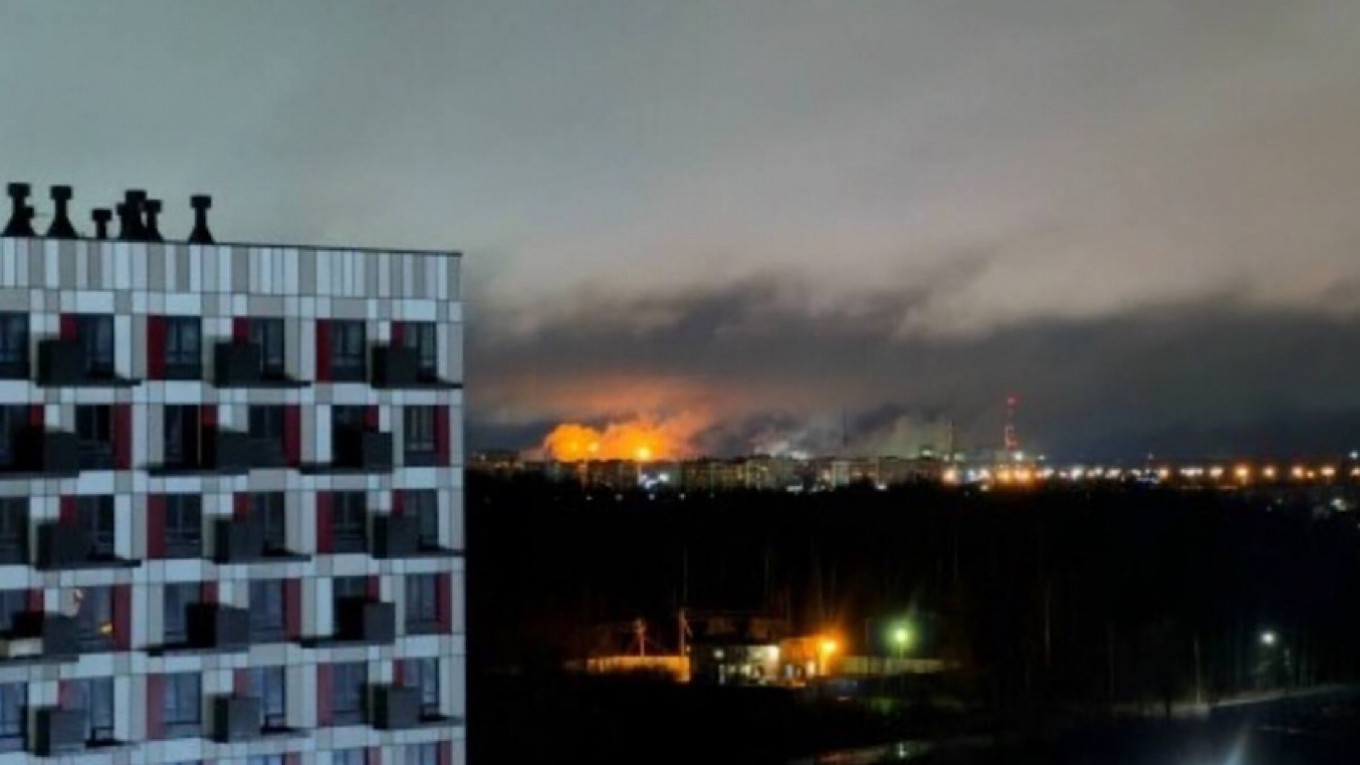
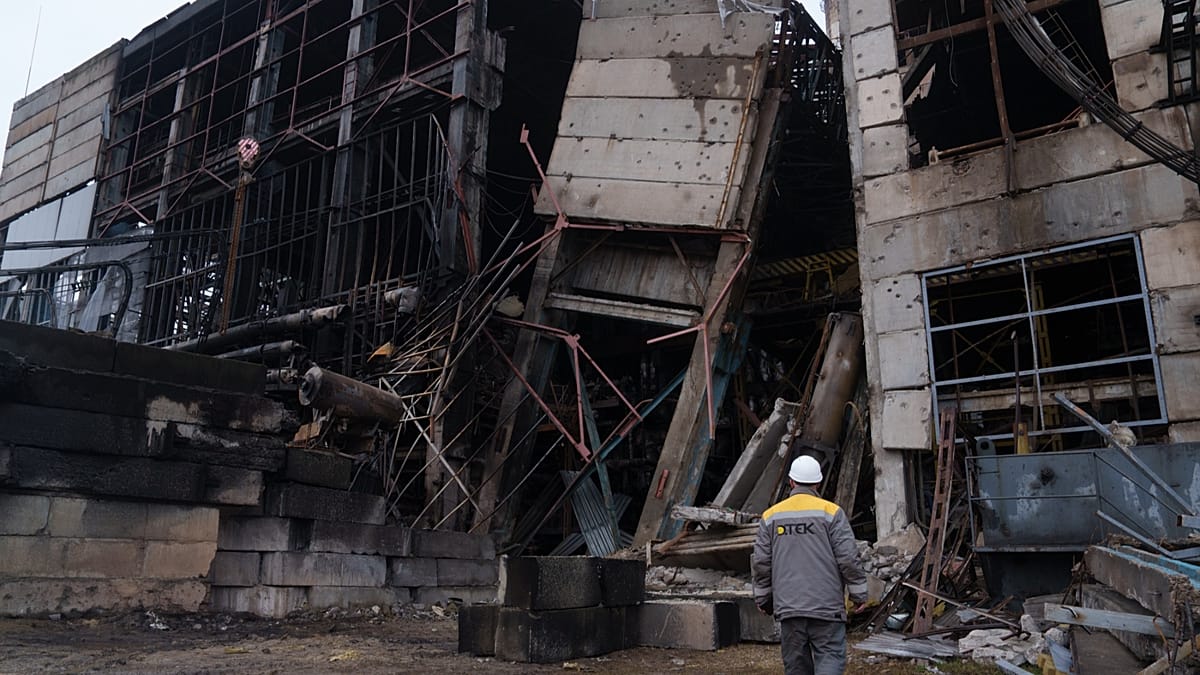
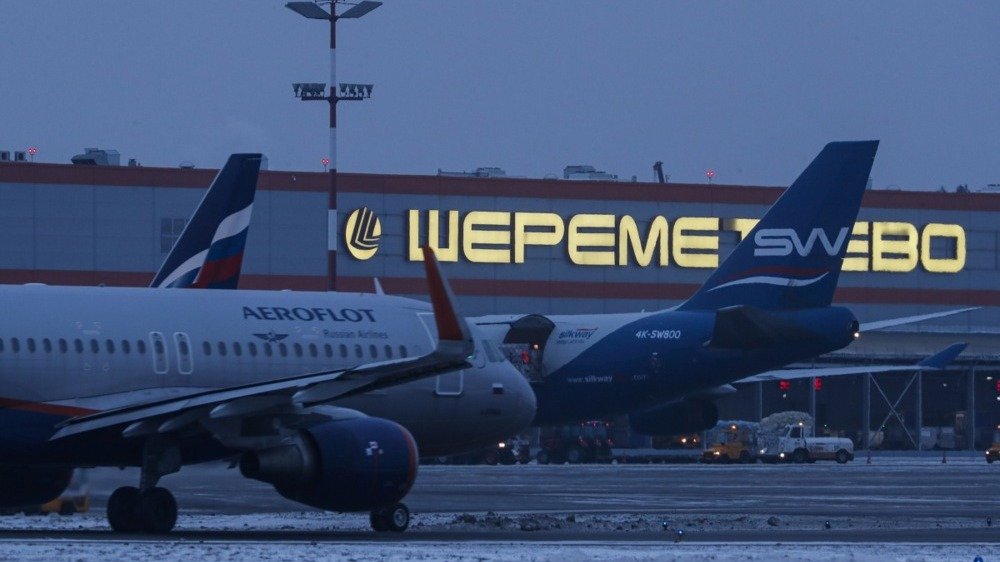
Technological Disruption in Warfare emerges as the core narrative. The Ukrainian drone strikes systematically targeted critical infrastructure, forcing the closure of all four Moscow airports—Domodedovo, Vnukovo, Sheremetyevo, and Zhukovsky—and causing over 200 flight cancellations. This goes beyond traditional military confrontation, representing a strategic shift toward precision-targeted disruption of civilian and economic systems.
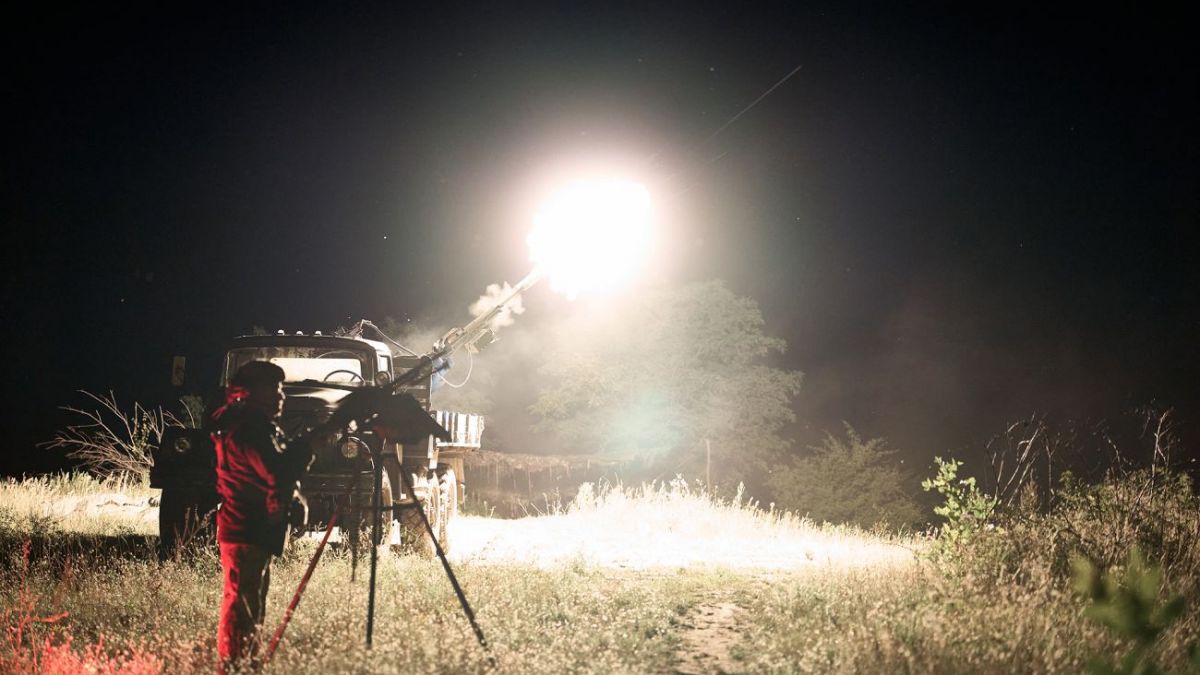
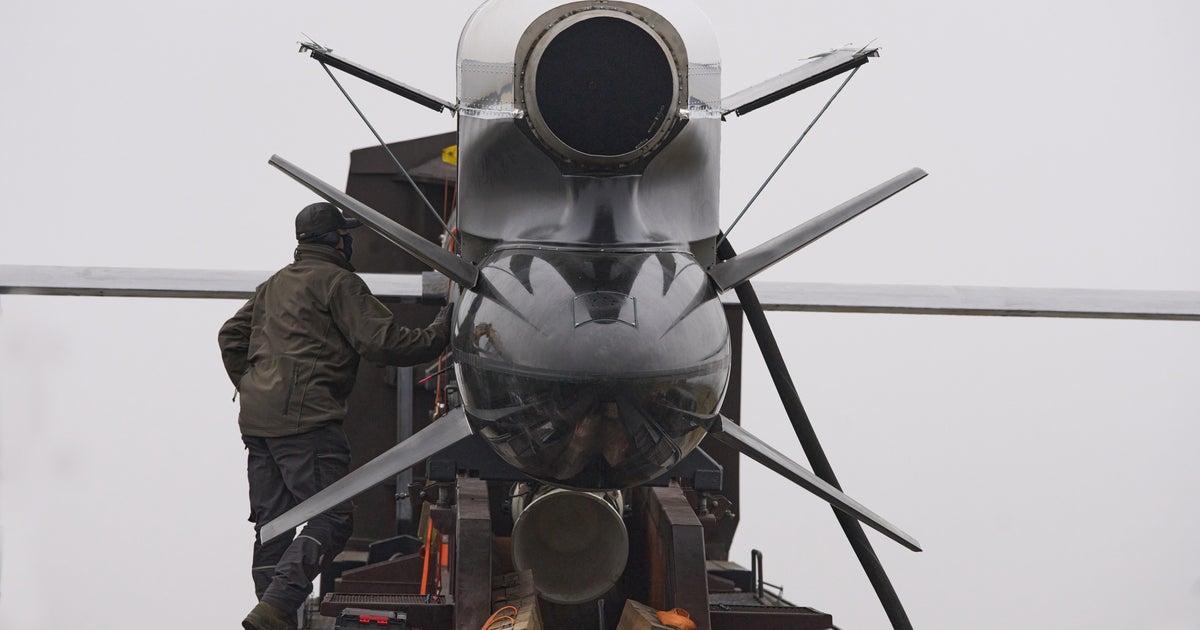
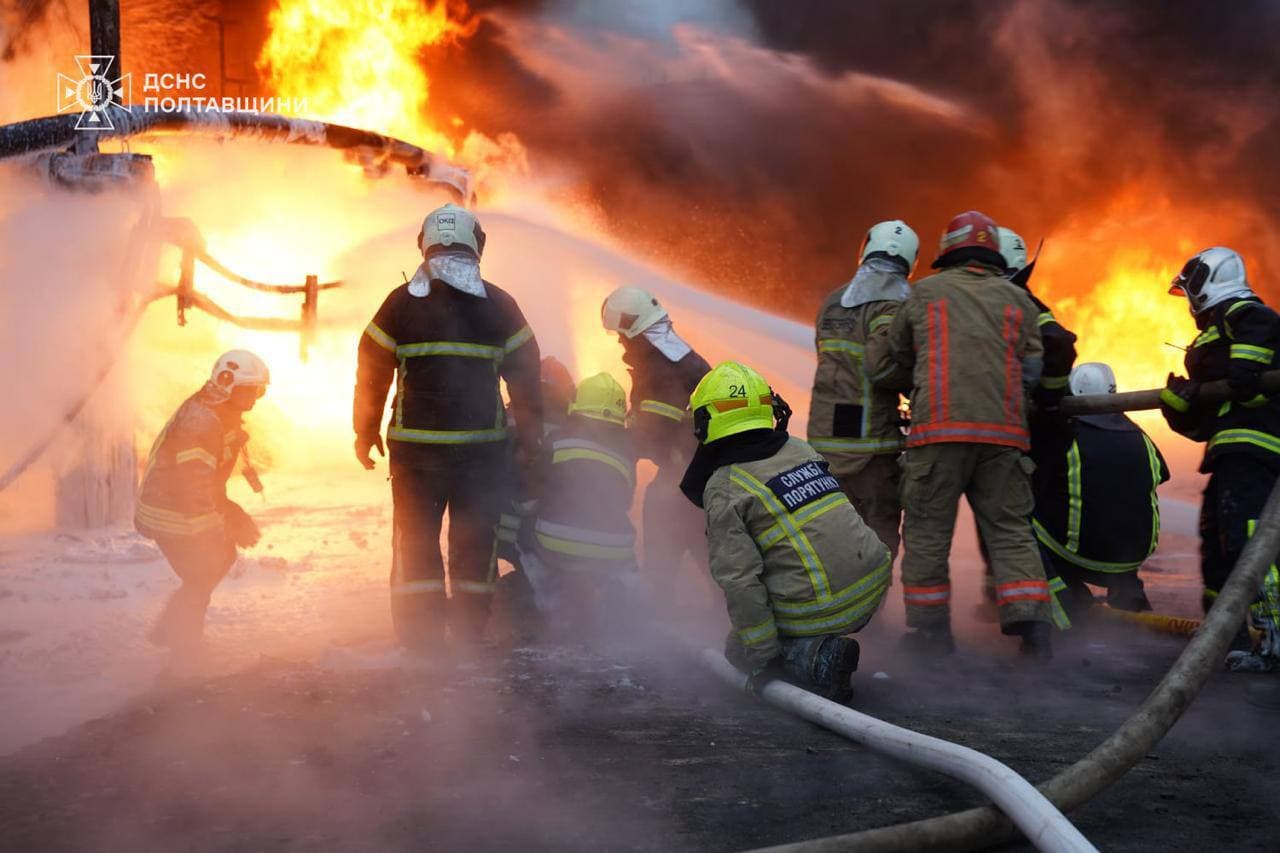
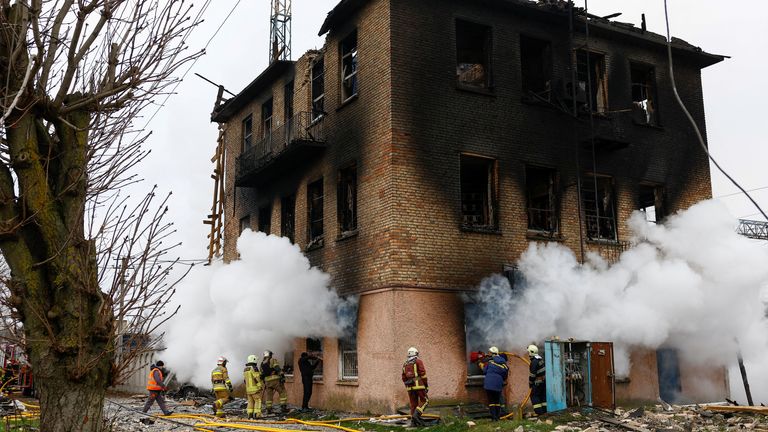
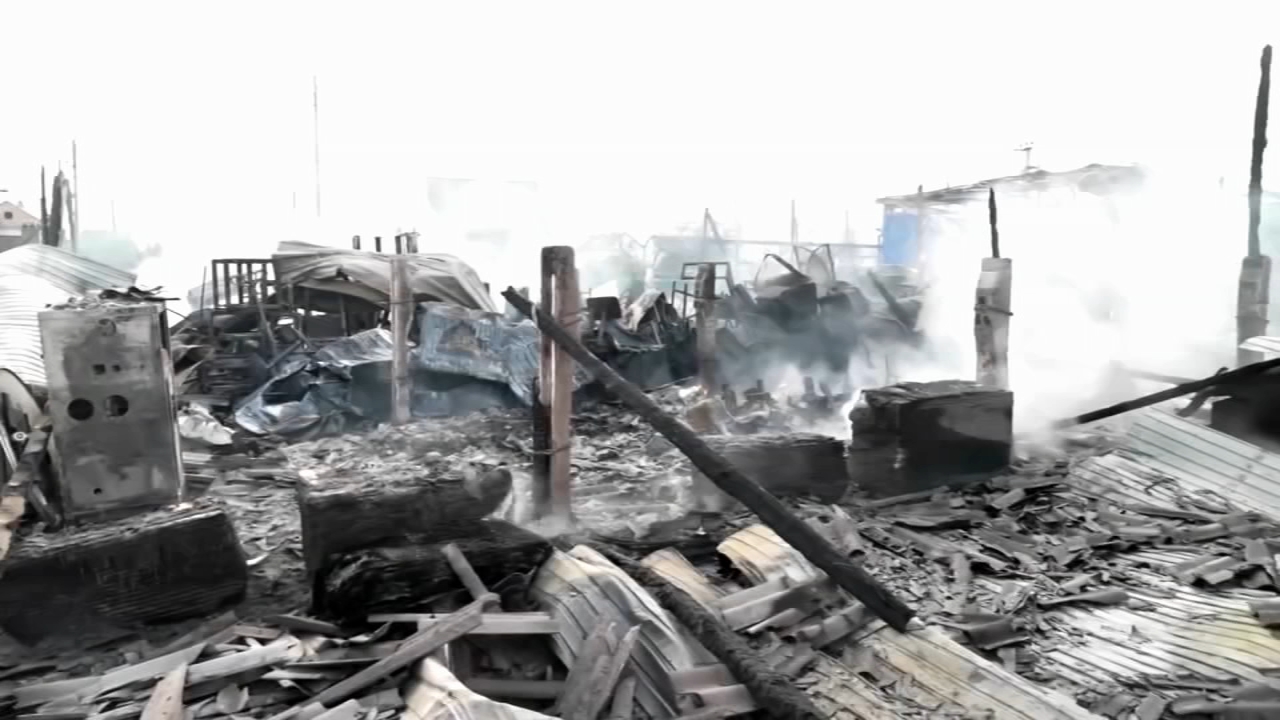
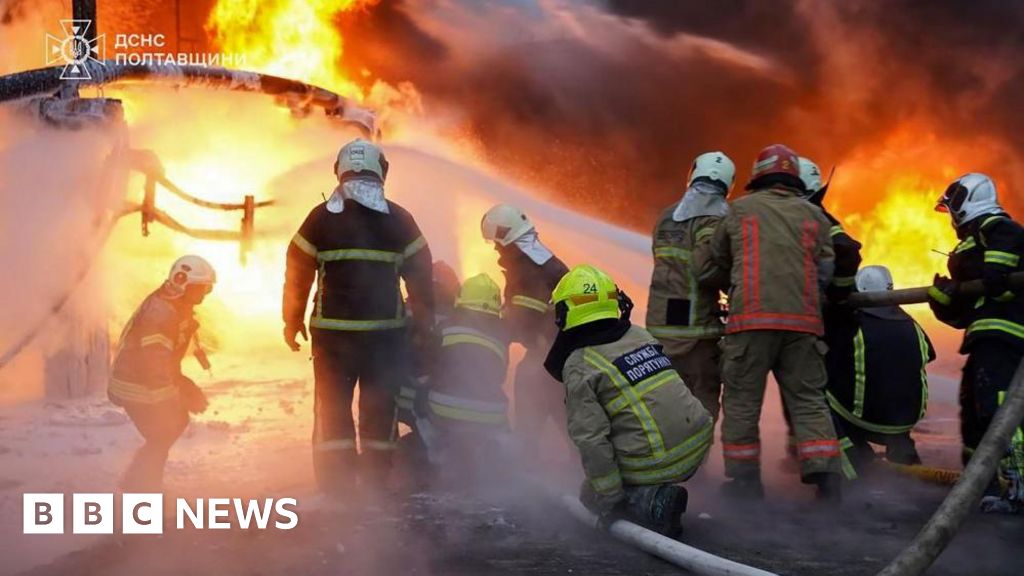
The conflict reveals a complex technological chess match. Ukraine's drone capabilities have evolved from simple reconnaissance tools to sophisticated weapons capable of penetrating deep into Russian territory. The attacks extended beyond Moscow, affecting airports in Grozny, Vladikavkaz, and multiple other regions, with notable incidents including a drone strike on a mineral fertilizer plant in Novgorod producing ammonium nitrate. The Russian response—shooting down 118 drones in the Bryansk border region alone—underscores the intense technological countermeasures being developed.
Maritime and Economic Implications are equally significant. The conflict has dramatically impacted maritime operations, with war insurance costs for Black Sea shipping spiking. Insurers are now reviewing policies daily, reflecting the expanding dimensions of this technological warfare. Ukraine's ability to disable a tanker trading Russian oil using sea drones further illustrates how technological innovation is creating new vectors of economic and strategic pressure.
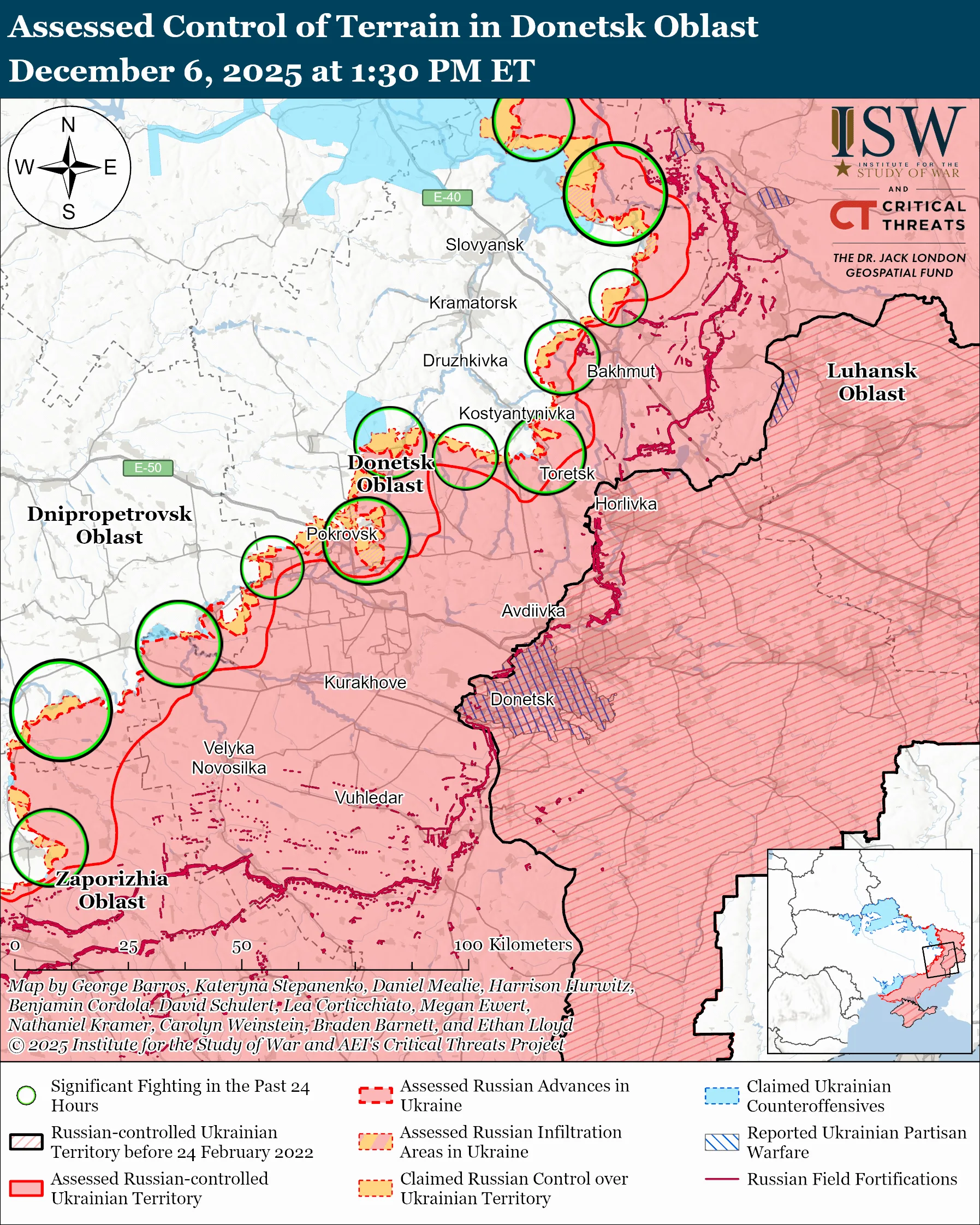
The broader strategic significance cannot be overstated. Currently controlling approximately one-fifth of Ukrainian territory, Russia faces a technologically adaptive opponent capable of conducting complex, large-scale aerial operations. This represents more than a military confrontation—it's a demonstration of how technological sophistication can level asymmetric power dynamics in contemporary geopolitical conflicts.
Questions 3
What economic impacts are emerging from this drone warfare?
The conflict is causing dramatic shifts in maritime insurance, with Black Sea shipping insurance costs spiking. Additionally, the ability to disable economic assets like oil tankers demonstrates how technological warfare can create substantial economic pressure beyond traditional military confrontation.
How are drones changing modern military strategy?
Drones are transforming military engagement by enabling precision infrastructure targeting, deep penetration of enemy territories, and asymmetric warfare tactics. They allow smaller forces to create significant strategic disruption with lower human risk and higher technological precision.