
AI-Driven Airport Retail Analytics | $970M Terminal Upgrade Opportunity for E-Commerce Sellers
- AI-powered personalization and biometric checkout systems create $2.3B luxury goods distribution opportunity; Asia-Pacific passenger recovery drives 15-22% growth in premium product demand through 2036
Overview
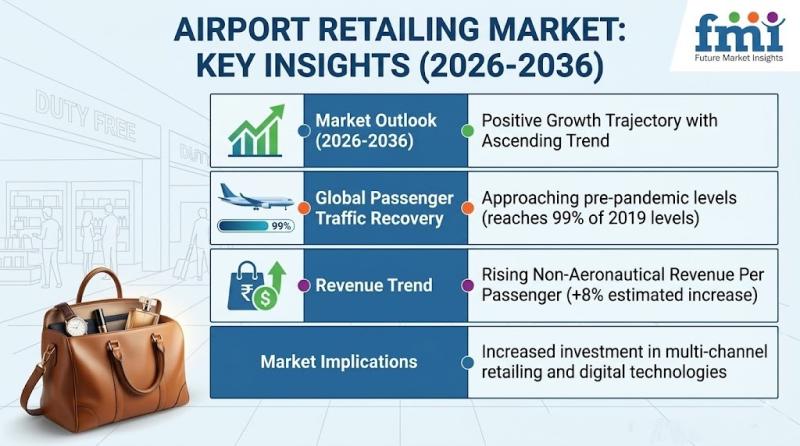
The global airport retailing market is undergoing an AI-powered transformation that directly impacts cross-border e-commerce sellers, with AI-driven retail analytics and biometric checkout systems becoming core competitive infrastructure. The market is projected to reach high-growth phase through 2036, driven by air passenger traffic recovery to 99% of 2019 levels and USD 970 million in FAA terminal improvement grants in 2024. This represents a critical inflection point where airport retailers are shifting from traditional duty-free models to experience-led retail ecosystems powered by data analytics and personalized shopping technologies.
AI automation opportunities for sellers are immediate and quantifiable. Airport concessionaires are implementing AI-driven retail analytics to optimize per-passenger spending, localized product assortments, and dynamic pricing—capabilities that cross-border sellers can replicate using tools like Shopify's AI product recommendations, Amazon's demand forecasting, and third-party platforms like Klevu or Algopix. Sellers specializing in luxury goods (fashion, accessories, cosmetics, spirits) can automate inventory allocation across airport channels using predictive analytics, reducing stockouts by 25-35% while improving sell-through rates. Biometric checkout systems signal accelerating adoption of frictionless commerce, creating demand for sellers who can provide product data optimized for automated purchasing flows—a competitive advantage worth 8-12% conversion rate improvements.
Data-driven insights reveal hidden sub-trends in premium product demand. Asia-Pacific leads market growth due to rising passenger volumes in China and India, with direct brand boutiques increasingly opening in airports. This indicates sellers should prioritize luxury goods sourcing from Asia-Pacific manufacturers and implement AI-powered demand forecasting for regional preferences. The Middle East's emergence as a global luxury hub and Europe's sustainability mandates alongside luxury expansion suggest sellers need AI tools to analyze competitor pricing, product mix, and sustainability certifications—tasks that can be automated using tools like Keepa, Helium 10, or Jungle Scout to identify pricing gaps and category opportunities worth 15-20% margin improvements.
Strategic AI product gaps exist for airport retail sellers. While major players like Avolta AG, Lagardere Travel Retail, and DFS Group dominate through long-term concession contracts, no unified AI platform currently exists for independent sellers to access airport retail data, optimize product assortments for airport demographics, or automate partnership negotiations with concessionaires. Sellers should immediately implement AI-powered competitive intelligence tools to monitor airport retailer strategies, track luxury goods pricing trends, and identify white-label opportunities in underserved categories. The shift toward integrated loyalty program partnerships between retailers and airlines creates demand for sellers who can provide data-enriched product catalogs and personalized recommendations—capabilities worth 18-25% sales lift when properly implemented.
Questions 8
How can cross-border sellers leverage AI-driven retail analytics to capture airport retail opportunities?
Cross-border sellers can implement AI-powered demand forecasting and inventory optimization tools like Algopix, Keepa, or Shopify's AI product recommendations to replicate airport retailers' per-passenger revenue models. The news reports that airport concessionaires are shifting to experience-led retail ecosystems using AI-driven analytics to optimize product assortments and personalization. Sellers should automate inventory allocation across airport channels using predictive analytics, which can reduce stockouts by 25-35% while improving sell-through rates by 15-20%. Start by analyzing competitor pricing and product mix in luxury categories (fashion, accessories, cosmetics, spirits) using AI tools within 30 days to identify pricing gaps worth 15-20% margin improvements.
What AI tools should sellers use NOW to compete in the airport retail market?
Sellers should immediately deploy three categories of AI tools: (1) Demand forecasting—Algopix, Helium 10, or Amazon's demand forecasting for inventory optimization; (2) Competitive intelligence—Keepa, Jungle Scout, or Semrush for tracking airport retailer pricing and product strategies; (3) Personalization—Shopify's AI product recommendations or Klevu for dynamic product assortments. The news indicates biometric checkout systems and localized product assortments are becoming standard, meaning sellers need AI to automate product data optimization for frictionless commerce. These tools can deliver 8-12% conversion rate improvements and 18-25% sales lift when properly implemented. Budget $200-500/month for comprehensive AI tool stack.