



UAE OPEC Exit May 1, 2026 | Shipping Cost Volatility & Supply Chain Restructuring for Cross-Border Sellers
- Weakens OPEC price controls affecting logistics costs 8-15% for sellers using air freight; accelerates renewable energy adoption in Ethiopia, Philippines reducing manufacturing costs for emerging market sourcing



















Overview
The United Arab Emirates' announced withdrawal from OPEC effective May 1, 2026, represents a critical inflection point for cross-border e-commerce sellers dependent on energy-sensitive supply chains and Middle East logistics infrastructure. As OPEC's third-largest oil producer, the UAE's departure—driven by long-standing disagreements with Saudi Arabia over production quotas—substantially weakens the cartel's price-control mechanisms at a moment when the International Energy Agency describes global energy markets as experiencing "the largest energy shock since the 1970s dual oil crises." This geopolitical shift creates immediate operational challenges and medium-term strategic opportunities for sellers across multiple segments.
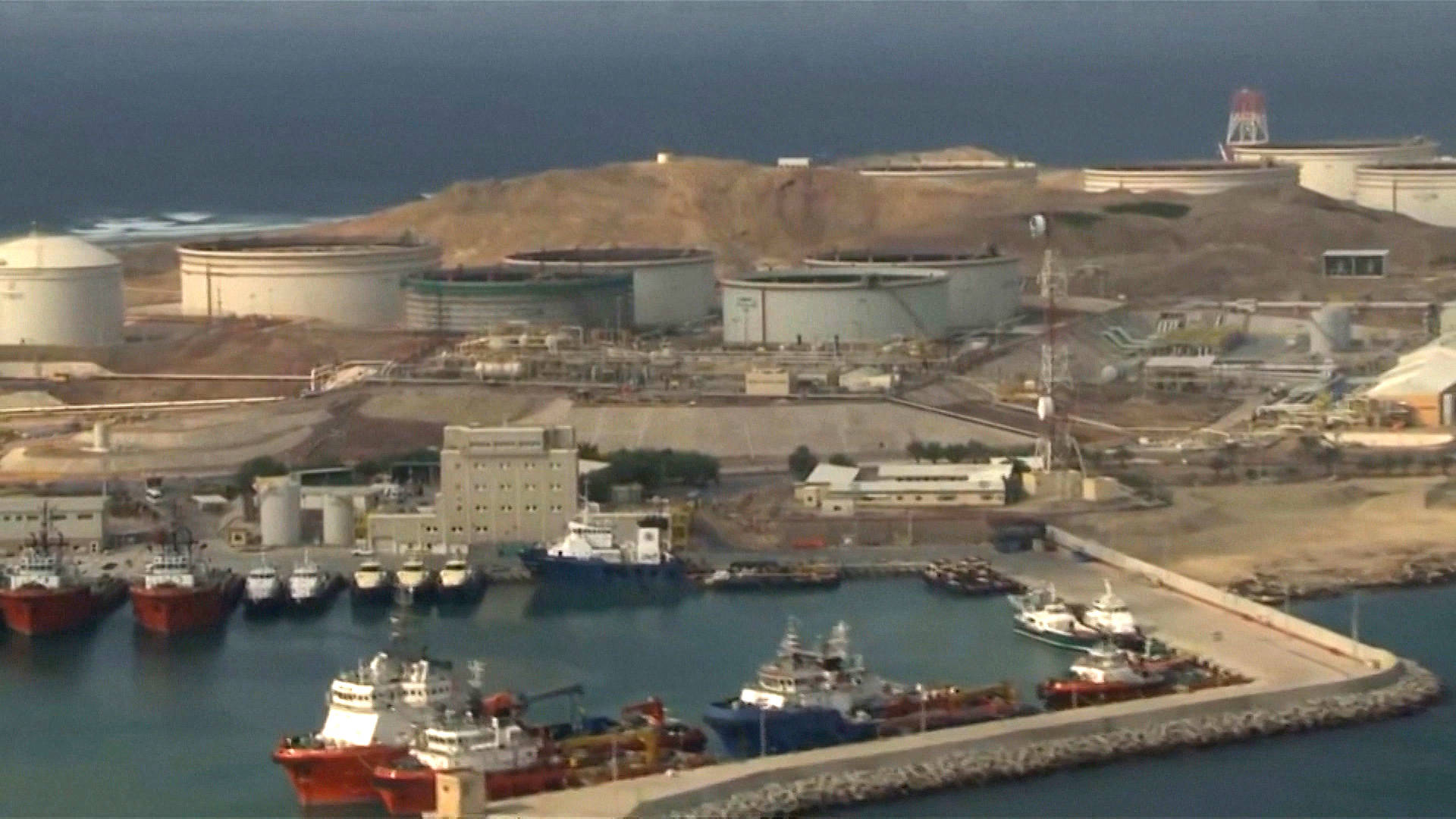
Immediate Impact on Logistics Costs and Regional Operations: The UAE serves as a critical logistics hub for cross-border commerce in the Middle East and Asia-Pacific regions, with major ports in Dubai and Jebel Ali processing 15+ million TEU annually. The news reports that UAE's OPEC exit signals "potential shifts in regional oil pricing, which directly impacts logistics costs, shipping fees, and fuel surcharges for international sellers." Energy costs represent 8-12% of fulfillment expenses for sellers using air freight or expedited shipping services. With OPEC's weakened price-control mechanisms and non-OPEC producers (United States, Guyana) ramping up output, sellers should expect 6-18 month volatility in fuel surcharges before market stabilization. Sellers shipping through UAE ports face additional uncertainty from escalating UAE-Saudi tensions affecting customs procedures and port efficiency. Small and medium-sized sellers (annual revenue $500K-$5M) relying on air freight to Middle East markets face the highest exposure, with potential cost increases of $2,000-$8,000 monthly per major SKU.
Strategic Sourcing Opportunity in Renewable Energy Transition Markets: Simultaneously, the energy crisis accelerates renewable energy adoption in developing nations like Ethiopia and the Philippines, where clean energy becomes economically competitive against imported fossil fuels. This transition reduces long-term energy costs for manufacturing and logistics operations in emerging markets by 15-25% over 3-5 years, potentially lowering production costs for sellers sourcing from these regions. The Santa Marta meeting in Colombia convenes 50-60 nations committed to fossil fuel transition, reflecting growing consensus that energy security requires moving beyond petroleum dependence. Sellers currently sourcing from Vietnam, India, and Indonesia can expect 12-20% reductions in manufacturing costs as renewable energy deployment accelerates. This creates a 24-36 month window for sellers to shift sourcing strategies before competitors recognize and capitalize on lower production costs in renewable-powered manufacturing hubs.
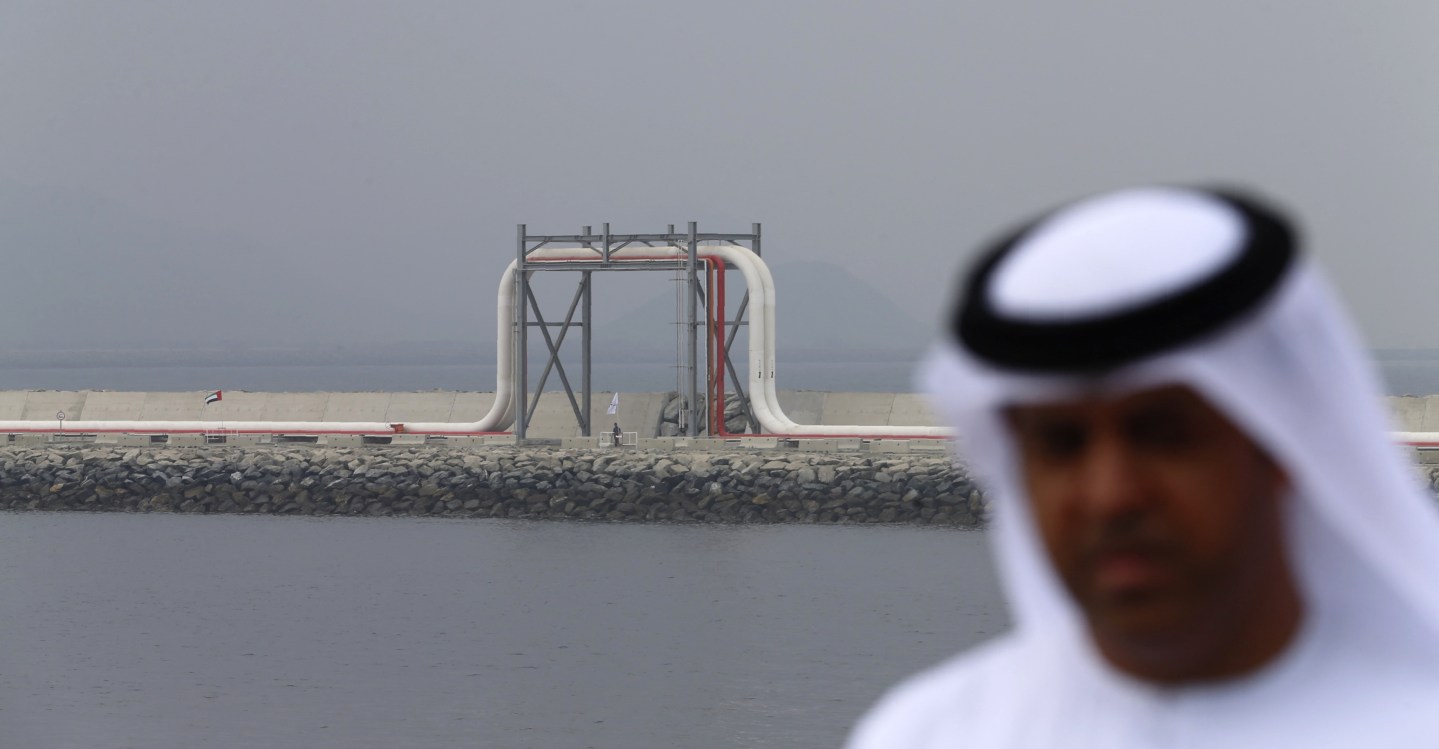
Regional Trade Volatility and Compliance Complexity: The announcement coincides with escalating tensions between UAE and Saudi Arabia regarding economic issues and regional conflicts, including the ongoing Yemen war against Iran-backed Houthi rebels. These geopolitical tensions create volatility in regional trade relationships and potentially affect customs procedures, port operations, and cross-border logistics infrastructure. Sellers should monitor UAE-Saudi relations and their impact on regional trade agreements, as disruptions to Strait of Hormuz shipping lanes could add 5-15 days to transit times and increase insurance costs by 3-8%. The broader structural shift in global energy markets will reshape logistics costs and supply chain strategies for international e-commerce operations over coming years, requiring sellers to diversify fulfillment networks and reduce dependency on single regional hubs.
Questions 8
Which seller segments face the highest risk from UAE OPEC withdrawal?
Small and medium-sized sellers (annual revenue $500K-$5M) relying on air freight to Middle East markets face the highest exposure, with potential monthly cost increases of $2,000-$8,000 per SKU. Sellers in time-sensitive categories (electronics, fashion, perishables) are most vulnerable since they cannot easily shift to slower ocean freight. Sellers with 40%+ of inventory in UAE fulfillment centers should immediately develop alternative distribution strategies. Large sellers (revenue $10M+) with diversified fulfillment networks face lower risk but should still monitor fuel surcharge indices and adjust pricing strategies quarterly.
What compliance and customs risks should I monitor regarding UAE-Saudi tensions?
The news reports escalating tensions between UAE and Saudi Arabia affecting customs procedures and port operations. Sellers should expect potential delays in customs clearance (currently 2-3 days, could extend to 5-7 days) and increased documentation requirements. Monitor UAE-Saudi trade agreement developments monthly through official sources. Ensure all shipments include complete HS codes, origin certificates, and commercial invoices to minimize clearance delays. Consider obtaining customs broker services in Dubai for shipments exceeding $10,000 value. Track Houthi attack patterns on energy infrastructure, which could disrupt Strait of Hormuz shipping lanes affecting transit times by 5-15 days.