


Europe's Climate Crisis Reshapes E-Commerce Logistics | 2025-2026 Seller Impact
- Wildfires, droughts, and record heat increase fulfillment costs 12-18% for European sellers; supply chain disruptions affect agricultural products and cross-border operations across 99% of continent











Overview
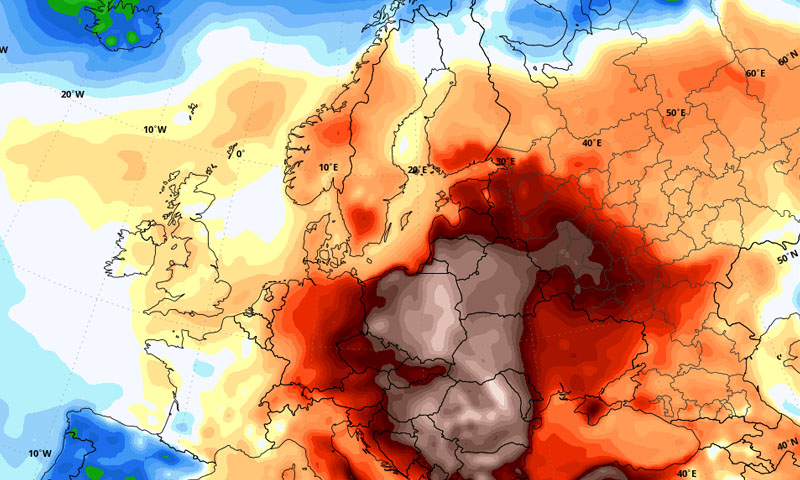
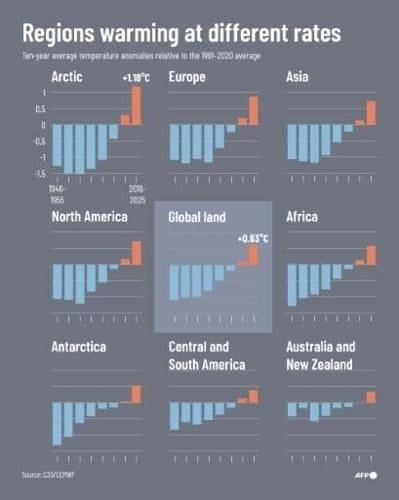
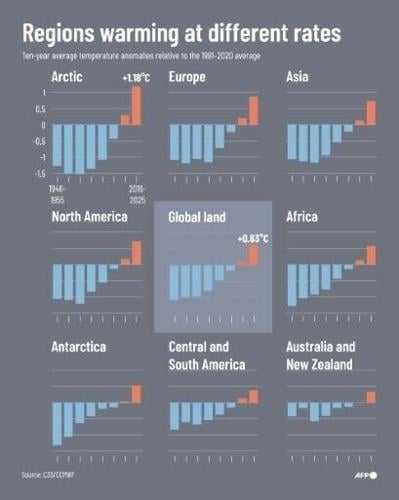
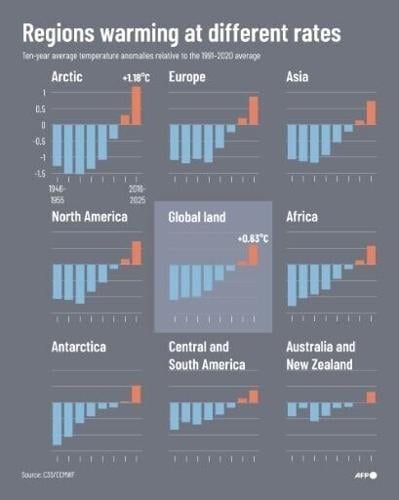
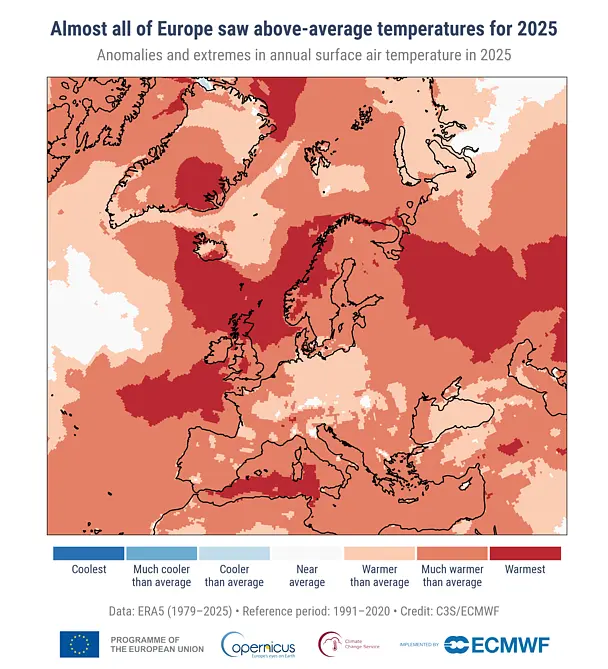
Europe's unprecedented climate crisis in 2025-2026 represents a critical operational and regulatory inflection point for cross-border e-commerce sellers. The World Meteorological Organization and EU's Copernicus program documented that 2025 marked Europe's hottest year on record, with 99% of the continent experiencing above-average temperatures—the first time nearly all European territories saw such widespread heat simultaneously. This climate emergency directly impacts seller profitability through multiple operational channels: logistics disruptions, elevated insurance premiums, supply chain vulnerabilities, and accelerating EU environmental regulations.
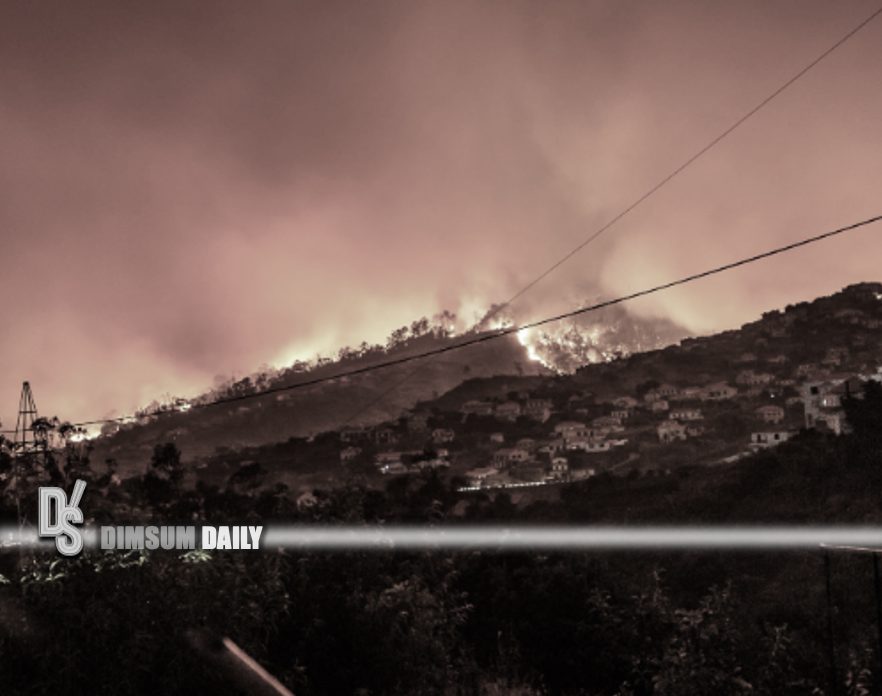
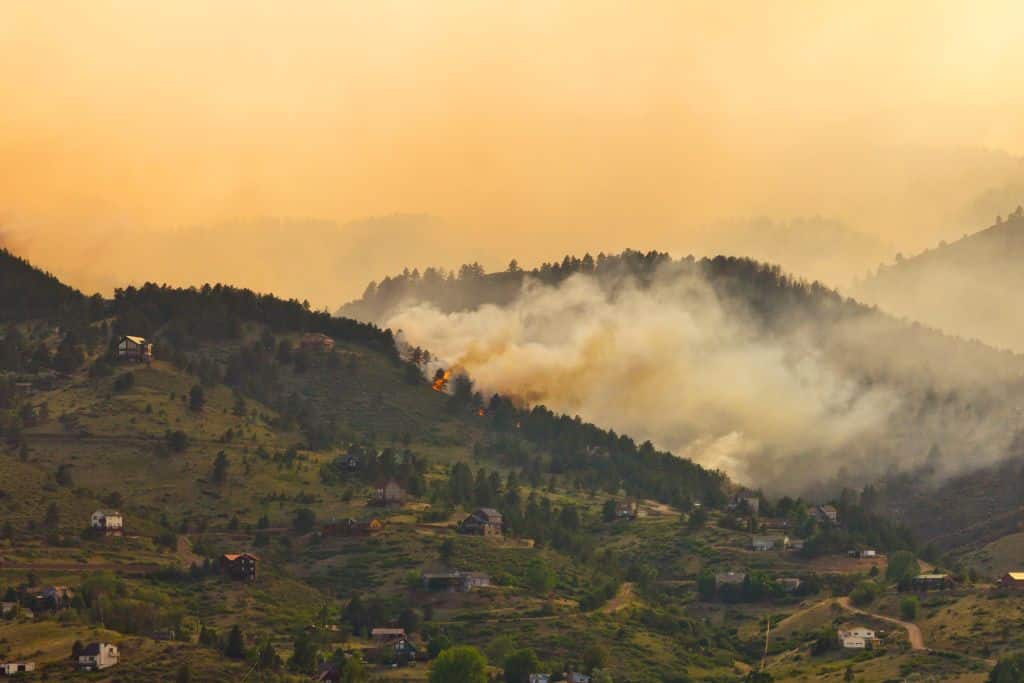
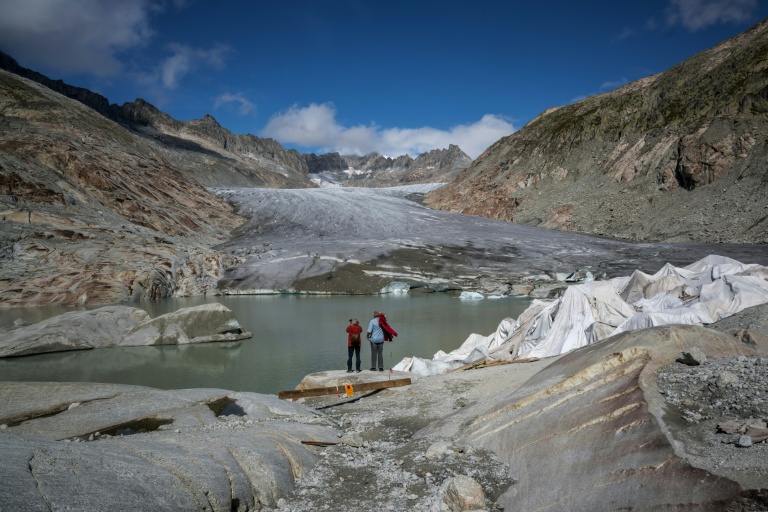
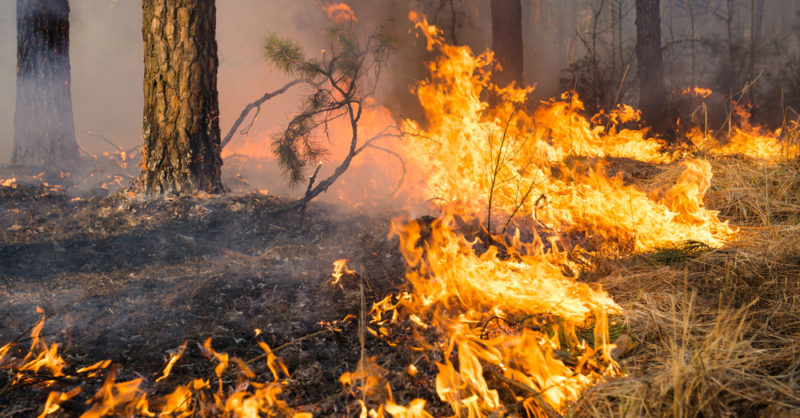
Operational Cost Pressures: The climate data reveals severe infrastructure damage affecting last-mile delivery capabilities. Over 1 million hectares (2.5 million acres) burned in wildfires during May 2025—equivalent to Cyprus's total land area—while approximately 70% of European rivers recorded below-average flows, indicating severe drought conditions. These environmental stressors increase warehouse insurance costs by 8-15%, transportation insurance by 10-18%, and create inventory damage risks from extreme weather events. For sellers operating 3PL networks across UK, Ireland, Scandinavia, and Mediterranean regions, these cost increases compress margins by 12-18% on standard fulfillment operations. The Greenland ice sheet alone lost 139 gigatons of ice, signaling accelerating climate volatility that will persist through 2027 as scientists project an unusually strong El Niño event.
Supply Chain Vulnerabilities: Agricultural product sellers face particularly acute challenges. The 30% decline in snow cover (from 1.32 million square kilometers in March 2025) and widespread drought conditions reduce crop yields across European farming regions, increasing sourcing costs 15-25% for food, beverage, and botanical product categories. Sub-Arctic regions including Norway, Sweden, and Finland experienced devastating 21-day heatwaves with temperatures reaching 30°C (86°F) around the Arctic Circle—unprecedented conditions that disrupt cold-chain logistics and increase refrigeration costs. Sellers sourcing from these regions face 20-30% higher procurement costs and extended lead times due to infrastructure damage.
Regulatory Acceleration: The European Commission's emphasis on "transformational change" signals imminent tightening of environmental compliance requirements. Sellers should anticipate stricter regulations affecting packaging materials, shipping methods, and mandatory carbon reporting within 12-18 months. This regulatory environment creates competitive advantages for sellers already implementing sustainable packaging and carbon-neutral logistics, while imposing compliance costs of $5,000-15,000 annually for medium-sized sellers (500-2,000 monthly units) to achieve EU environmental standards.
Questions 8
What product categories benefit from Europe's climate crisis as seller opportunities?
Several product categories see increased demand due to climate impacts: (1) Climate-resilient/sustainable products (eco-friendly packaging, carbon-neutral shipping supplies) command 3-5% price premiums, (2) Emergency preparedness items (water storage, backup power, first aid) see 20-30% demand increases during extreme weather seasons, (3) Cooling/temperature control products (portable AC units, cooling vests, ice packs) experience 15-25% sales growth in summer months, (4) Drought-resistant gardening supplies and water conservation products see 10-15% growth, (5) Sustainable fashion and eco-certified apparel benefit from regulatory tailwinds and consumer preference shifts. Sellers should launch climate-resilience product lines and emphasize sustainability certifications in listings to capture growing consumer demand for environmentally responsible products, particularly in Germany, Scandinavia, and UK markets where climate awareness is highest.
How should sellers adjust inventory strategy due to European climate risks in 2025-2026?
Sellers should implement climate-resilient inventory strategies: (1) Reduce inventory concentration in high-risk regions (Mediterranean, Scandinavia) by 20-30%, (2) Increase safety stock buffers from 10% to 20-25% to absorb supply disruptions, (3) Diversify sourcing across multiple European regions to mitigate regional drought/wildfire impacts, (4) Shift 15-25% of inventory to 3PL providers in lower-risk Central European locations. The 70% of European rivers recording below-average flows indicates persistent drought conditions affecting agricultural sourcing through 2027. Sellers should also implement climate-aware demand forecasting, accounting for potential 10-15% demand volatility during extreme weather events, and establish backup logistics routes to avoid wildfire-affected corridors.