



Starbucks 7.1% US Growth Signals Premium Retail Resilience | O2O Expansion Opportunity
- Consumer discretionary spending remains stable despite macroeconomic headwinds; 6.2% global same-store sales growth creates pop-up and experiential retail opportunities in high-traffic urban markets


/Starbucks%20Corp_%20coffee%20by-%20stockphoto%20for%20you%20via%20Shutterstock.jpg)













Overview
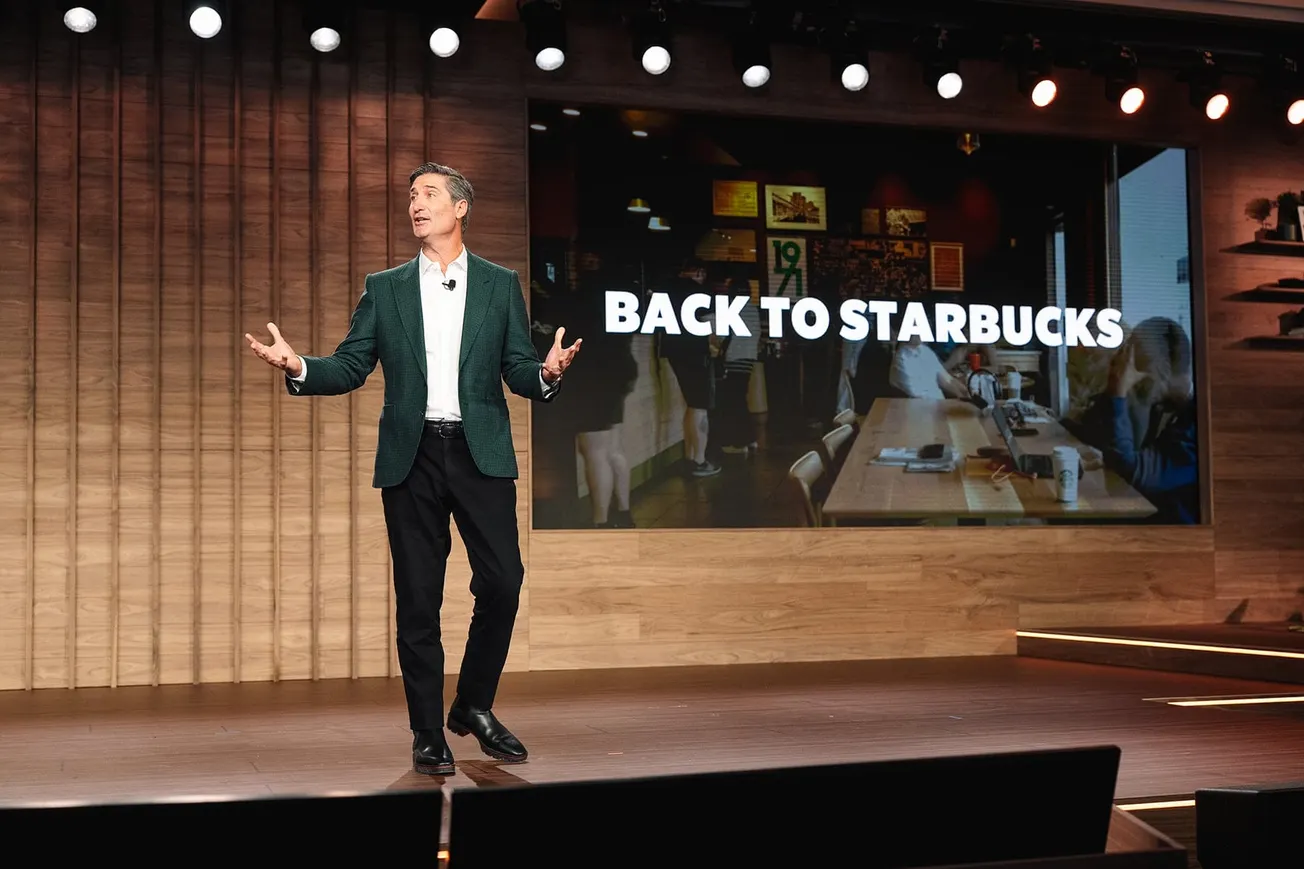
Starbucks' Q1 2026 earnings report (quarter ending March 29, 2026) reveals critical insights for retail operators and cross-border sellers pursuing omnichannel strategies. The company achieved 6.2% global same-store sales growth driven by increased customer traffic, with US same-store sales jumping 7.1% while international markets grew 2.6%. CEO Brian Niccol attributed this turnaround to operational excellence rather than store expansion, signaling that customer experience optimization and operational efficiency are the primary drivers of retail success in uncertain economic conditions.
Key Retail Operations Insight: Despite macroeconomic headwinds including the Iran conflict and surging gas prices, Starbucks has not observed significant negative impacts on consumer spending patterns. Niccol stated: "We haven't seen a lot of the macro effects trickle into consumer behavior as it relates to Starbucks." This demonstrates that premium-positioned brands with strong loyalty maintain traffic resilience even during economic uncertainty. For cross-border sellers and O2O operators, this validates the opportunity to establish offline touchpoints in high-traffic urban markets where premium consumer segments remain active.
O2O and Pop-Up Opportunity Framework: The divergence between US growth (7.1%) and international growth (2.6%) highlights regional market variations that sellers should leverage. High-performing US markets—particularly major metropolitan areas with strong foot traffic (New York, Los Angeles, Chicago, Seattle, San Francisco)—represent optimal locations for pop-up showrooms, experiential retail spaces, and brand activation events. Starbucks' success through operational improvements rather than expansion suggests that temporary retail presence in high-traffic venues (shopping districts, transit hubs, lifestyle centers) can achieve strong ROI without long-term lease commitments.
Margin Pressure and Retail Partnership Implications: Niccol's cautionary stance regarding elevated gas and utility costs signals potential margin pressures ahead. This creates opportunities for sellers to partner with retail chains seeking operational efficiency improvements. Retailers facing utility cost increases may be more receptive to revenue-sharing pop-up arrangements, consignment models, and temporary retail partnerships that reduce their fixed overhead while introducing new product categories. The focus on operational excellence also indicates retailers are prioritizing high-conversion product categories and experiential differentiation to justify premium positioning and maintain traffic.
Strategic Recommendation for Sellers: Establish O2O presence in US metropolitan markets where consumer discretionary spending remains stable. Target retail partnerships with premium chains and lifestyle centers experiencing strong foot traffic. Develop experiential in-store activations that align with premium brand positioning and operational efficiency (minimal staff requirements, quick setup/teardown, high-margin products).
Questions 8
What retail partnership models align with Starbucks' operational efficiency focus?
Niccol's emphasis on operational improvements rather than store expansion suggests retailers are prioritizing **low-overhead partnership models**. Recommended approaches: (1) revenue-sharing pop-ups (60-70% retailer, 30-40% seller split), (2) consignment arrangements with minimal upfront inventory commitment, (3) temporary showrooms in existing retail spaces (leveraging partner's foot traffic and utilities), (4) co-branded experiential activations that share operational costs. Retailers facing elevated utility costs are increasingly receptive to partnerships that reduce fixed overhead while introducing new product categories. Negotiate 30-90 day initial commitments with performance-based renewal options. Target retail chains with 50+ locations and strong foot traffic metrics, offering to handle merchandising, staffing, and inventory management to minimize partner operational burden.
What margin pressures should sellers anticipate from rising utility and operational costs?
Starbucks CEO Niccol expressed caution about elevated gas and utility costs affecting both consumers and operational expenses, signaling potential margin compression across retail sectors. For sellers, this creates two strategic opportunities: (1) develop low-overhead retail formats (pop-ups, kiosks, consignment models) that minimize utility dependency, (2) partner with retailers seeking operational efficiency improvements through revenue-sharing arrangements. Expect retail chains to prioritize high-margin product categories (30%+ margins) and temporary retail partnerships over permanent store expansion. Sellers should model 8-12% margin pressure from increased logistics and operational costs, particularly for international shipments affected by elevated fuel surcharges.