


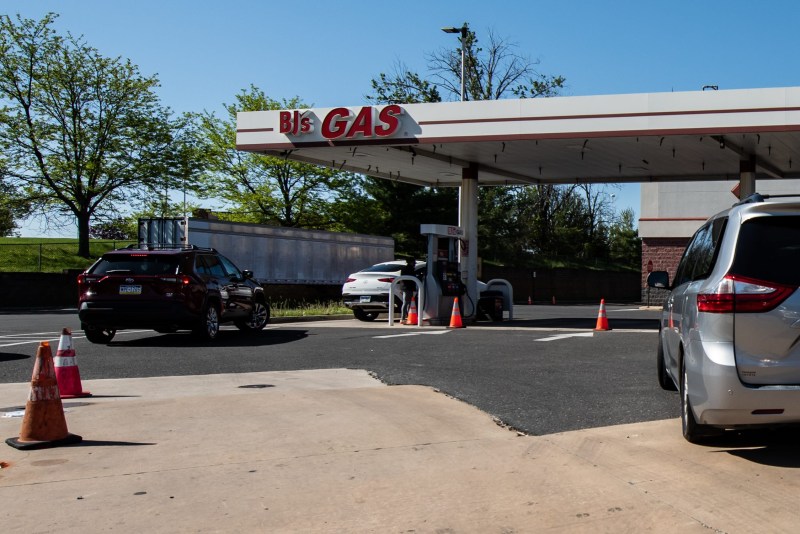


Gas Price Surge Reshapes Consumer Spending | Midwest Sellers Face Demand Shift
- Michigan hits $4.25/gal threshold; 41% cut dining, 29% reduce travel; $4.87 tipping point triggers major budget reallocation for Midwest e-commerce sellers




















Overview
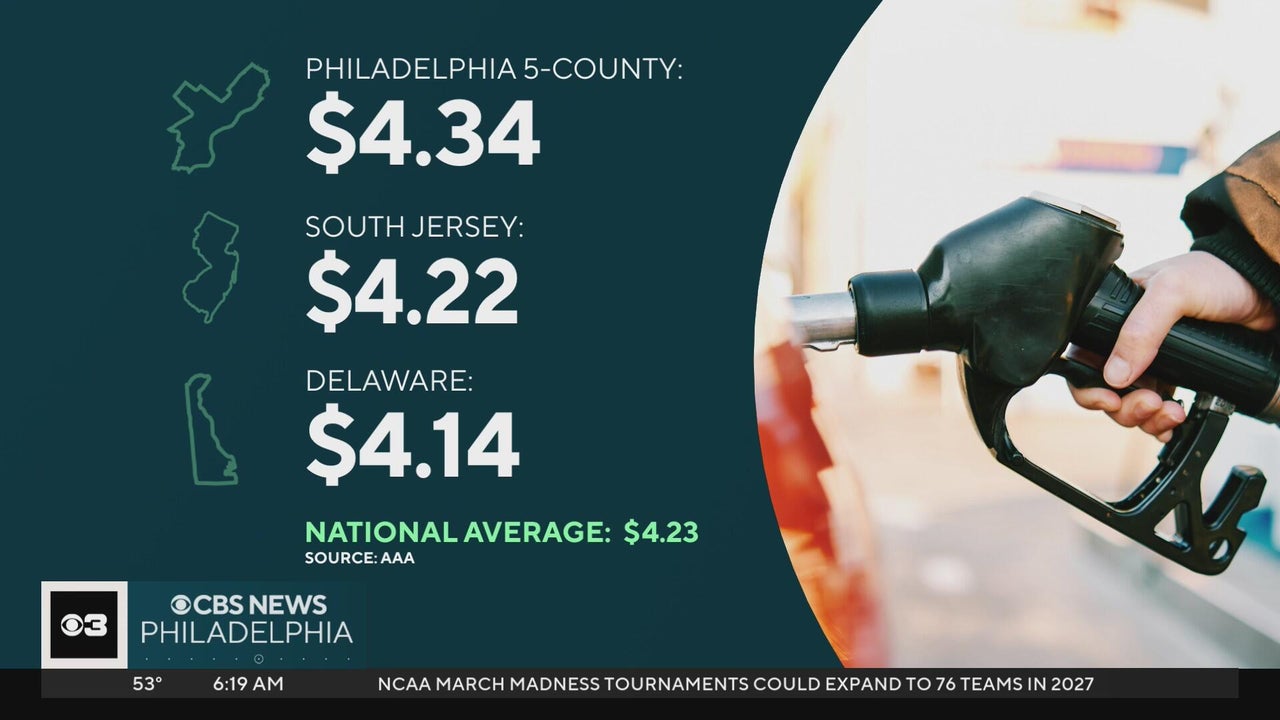
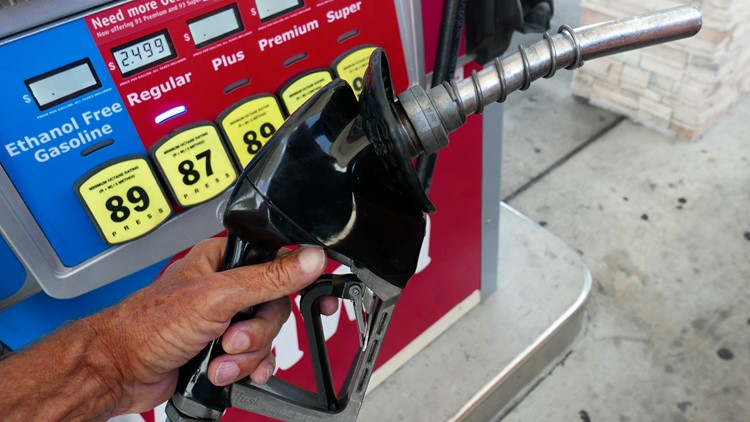
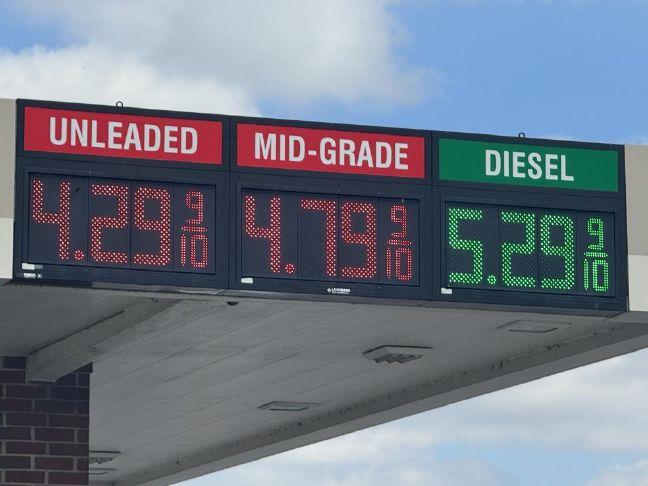
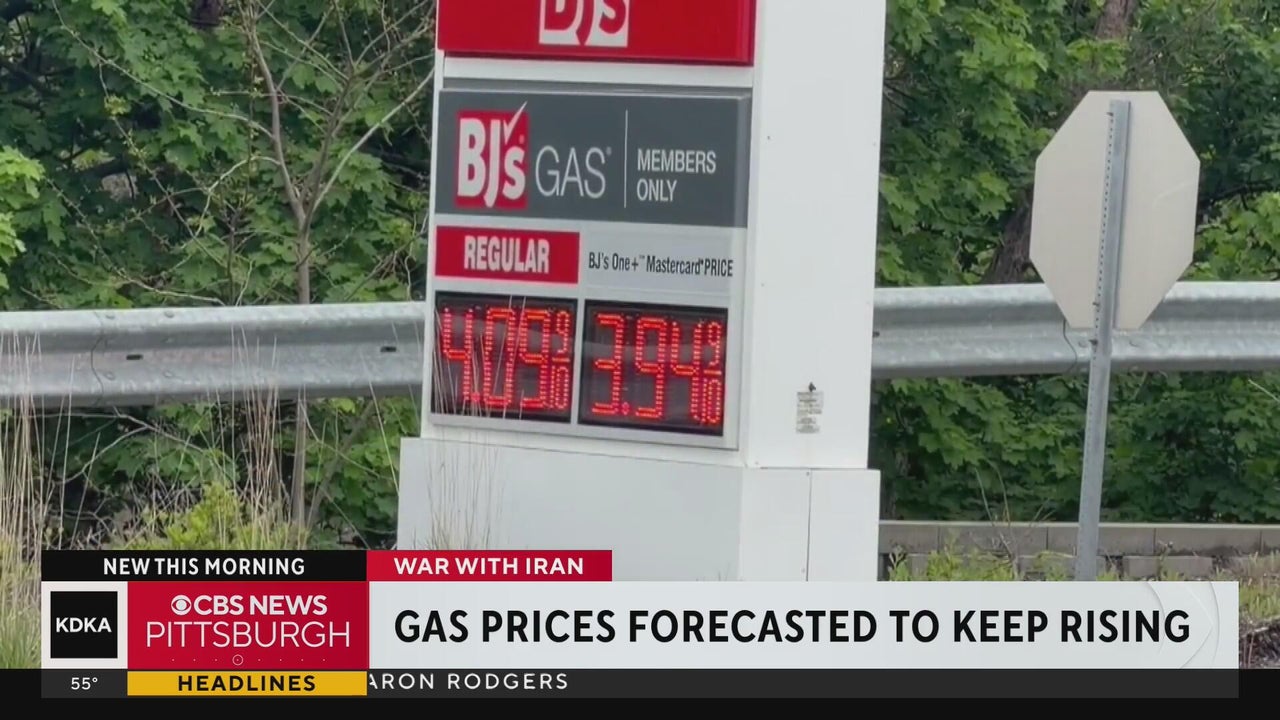
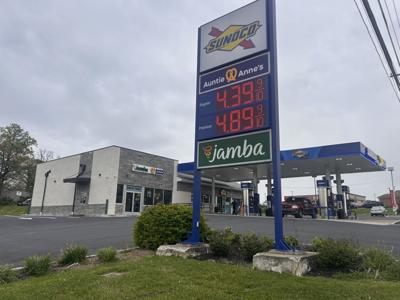
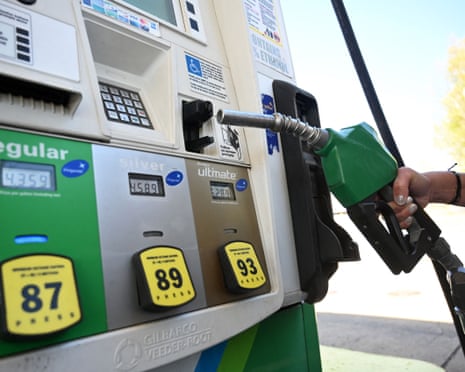
Rising fuel costs are fundamentally reshaping consumer spending patterns across the Midwest, creating both challenges and opportunities for cross-border e-commerce sellers. The Advance America study of 3,002 adults (April 2026) reveals that Michigan residents identify $4.87 per gallon as the critical tipping point where families implement significant spending cuts. With Michigan's current average at $4.25/gallon for regular unleaded and diesel at $5.19/gallon—3 cents above the national average—the state is approaching this threshold. Experts warn geopolitical tensions could push prices to $5/gallon soon, triggering immediate consumer behavior shifts that directly impact seller demand across multiple categories.
The spending reallocation pattern is clear and quantifiable for sellers targeting Midwest consumers. When gas prices exceed tolerance thresholds, 41% of surveyed Americans reduce dining out and takeout spending first, followed by 29% cutting travel and leisure activities. Approximately 13% reduce grocery purchases, while savings and utility bills rank close behind. This cascading reduction creates immediate opportunities in budget-conscious product categories: meal-prep containers, home entertainment systems, fitness equipment, and DIY home improvement supplies see increased demand as consumers shift spending from experiences to home-based consumption. The Midwest region demonstrated the lowest tolerance for high prices overall, making this region particularly price-sensitive and opportunity-rich for value-oriented sellers. Sellers offering budget alternatives, bulk purchasing options, and subscription models can capitalize on consumers seeking to stretch discretionary budgets.
Consumer behavior adaptation reveals secondary e-commerce opportunities across logistics and convenience categories. Before drastic measures, 40% of consumers simply drive less, 19% combine trips and plan routes efficiently, and 17% seek additional income through side work. This behavioral shift creates demand for: route-planning software subscriptions, fuel-efficient vehicle accessories, work-from-home equipment, and gig-economy tools. The 17% seeking side income represents a growing segment for freelance platforms, skill-development courses, and home-based business supplies. Regional variation matters significantly—Michigan's cheapest gas (Menominee County at $4.13/gal) versus highest (Schoolcraft County at $4.32/gal) shows county-level price sensitivity that sellers can exploit through geo-targeted marketing. More disruptive options like public transportation switching (8%), carpooling (7%), or job changes (5%) remain uncommon, indicating consumers prefer incremental adjustments rather than lifestyle overhauls—a signal that convenience-enhancing products outperform radical alternatives.
Questions 8
What gas price triggers major spending cuts for Michigan consumers?
According to the Advance America study of 3,002 adults (April 2026), Michigan residents identify $4.87 per gallon as the critical tipping point where families implement significant spending cuts. As of April 29, 2026, Michigan's average stands at $4.25/gallon for regular unleaded, positioning the state approximately 3 cents above the national average. With experts warning that geopolitical tensions could push prices to $5/gallon soon, sellers should expect demand shifts within the next 4-8 weeks. This threshold is particularly important for Midwest-focused sellers, as the region demonstrated the lowest tolerance for high fuel prices compared to other U.S. regions.
Which product categories see increased demand when gas prices rise?
When gas prices exceed tolerance thresholds, 41% of consumers reduce dining out and takeout spending, creating demand for home meal-prep products, kitchen equipment, and bulk food supplies. The 29% cutting travel and leisure activities shift spending toward home entertainment systems, fitness equipment, and DIY supplies. Additionally, 17% of consumers seek side income through gig work, driving demand for home-based business tools, skill-development courses, and freelance platform subscriptions. Budget-conscious categories—value packs, subscription services, and efficiency-enhancing products—see consistent growth during fuel price spikes. Sellers should prioritize inventory in these categories and adjust marketing messaging toward cost-saving and home-based solutions.