



Pixel 11 Cost-Cutting Hardware Strategy Creates AI-Powered Smartphone Accessory Opportunities for Sellers
- Google prioritizes NPU/AI over GPU performance, signaling market shift toward AI-first devices; sellers can capitalize on gaming accessory demand and Pixel Glow notification lighting ecosystem launching 2026












Overview
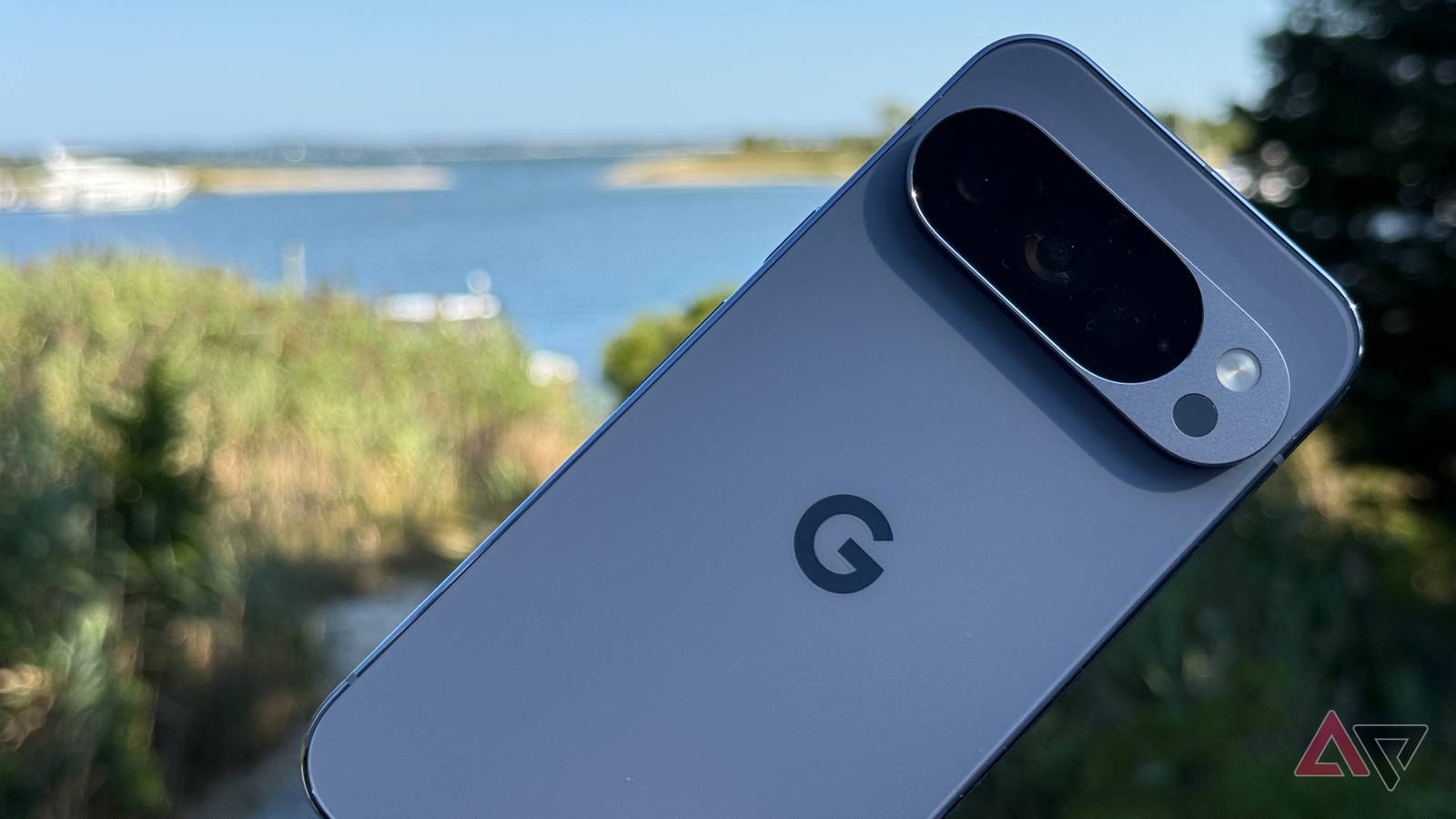
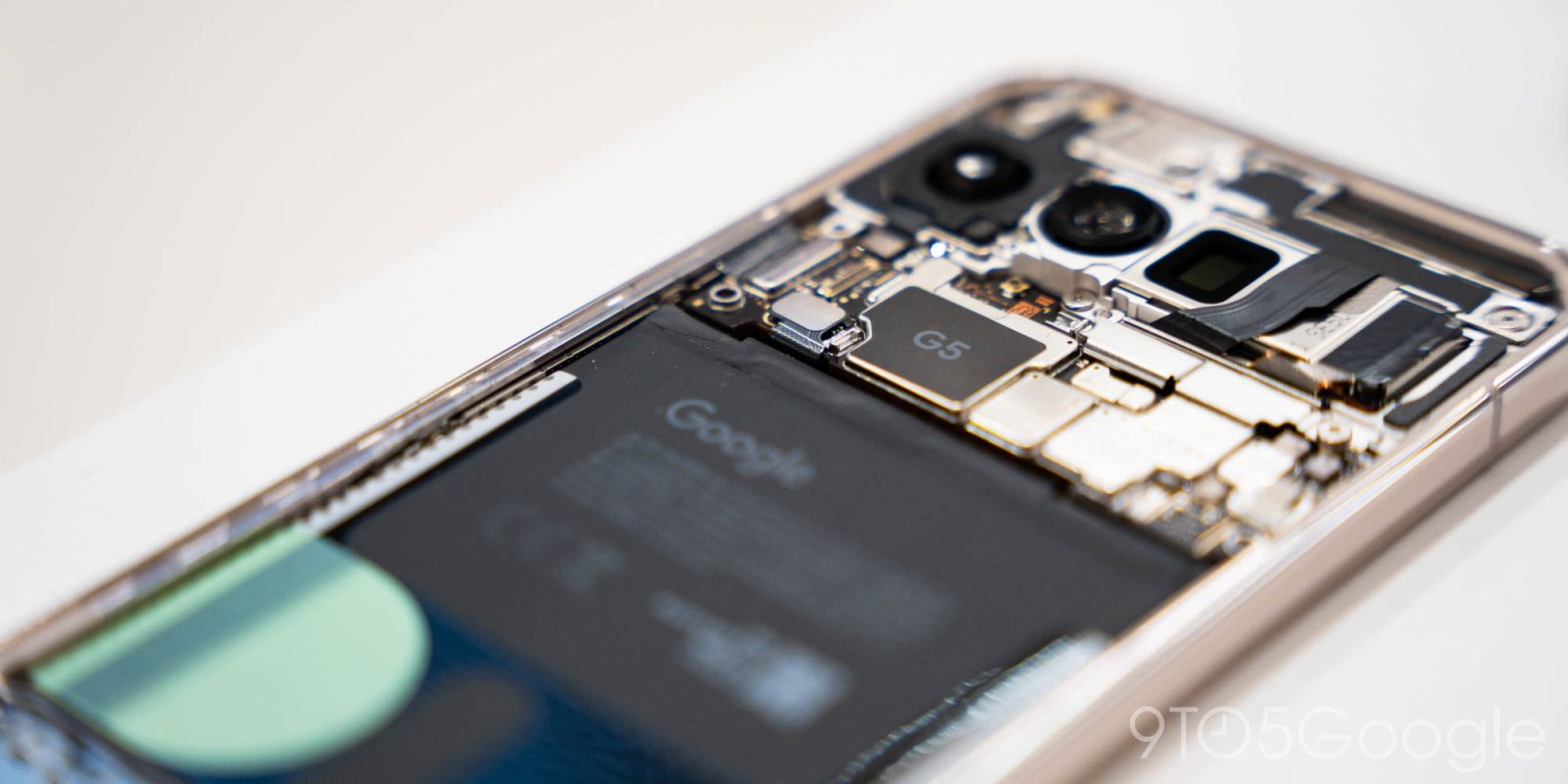
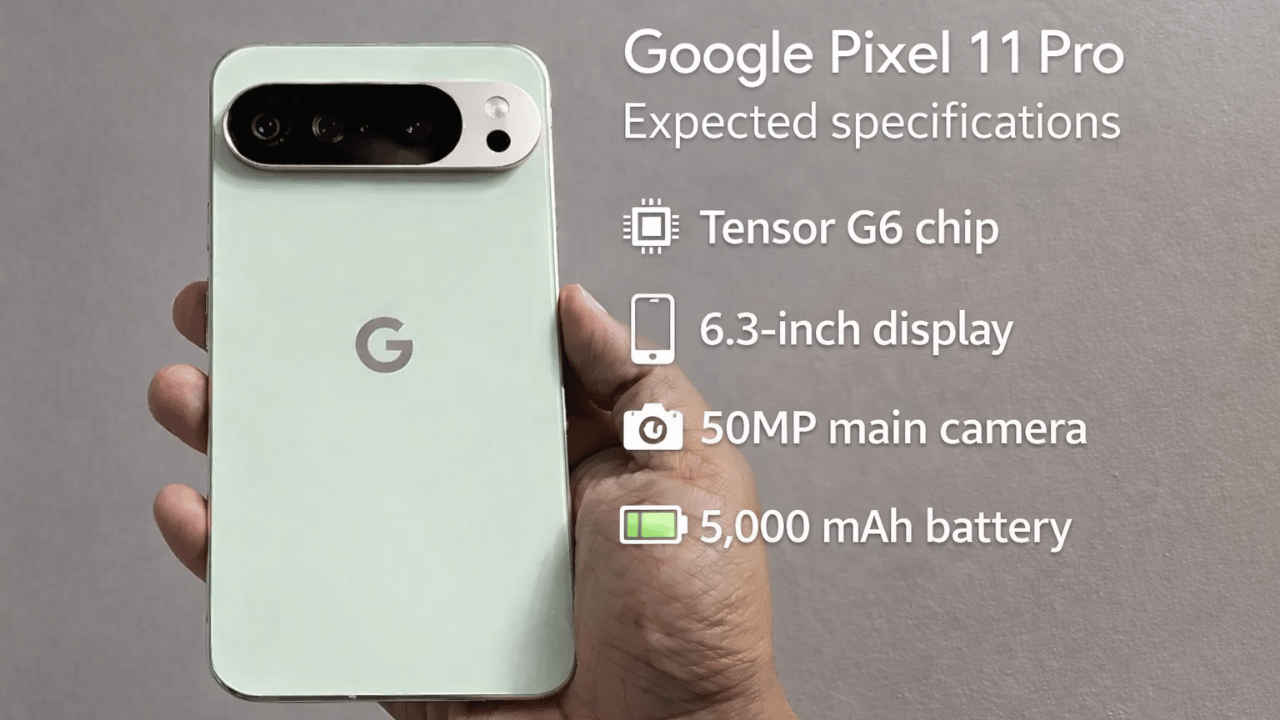
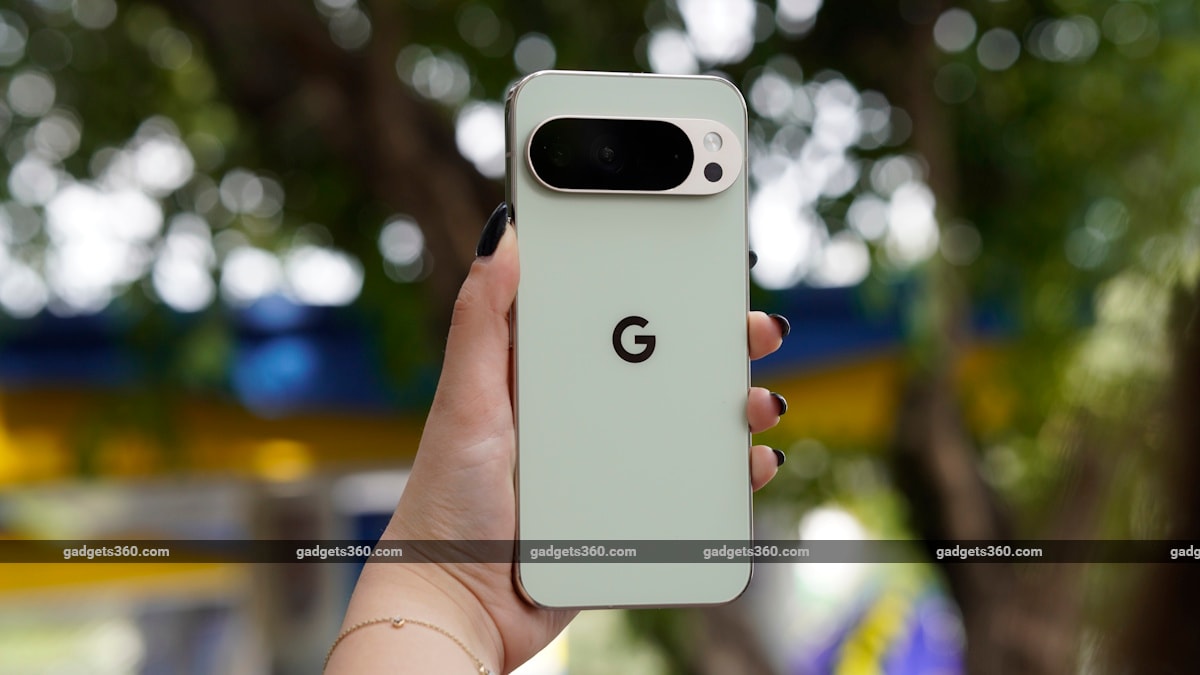
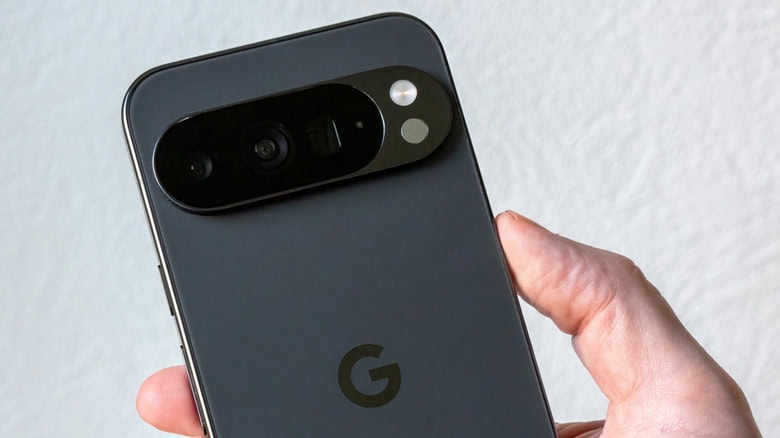
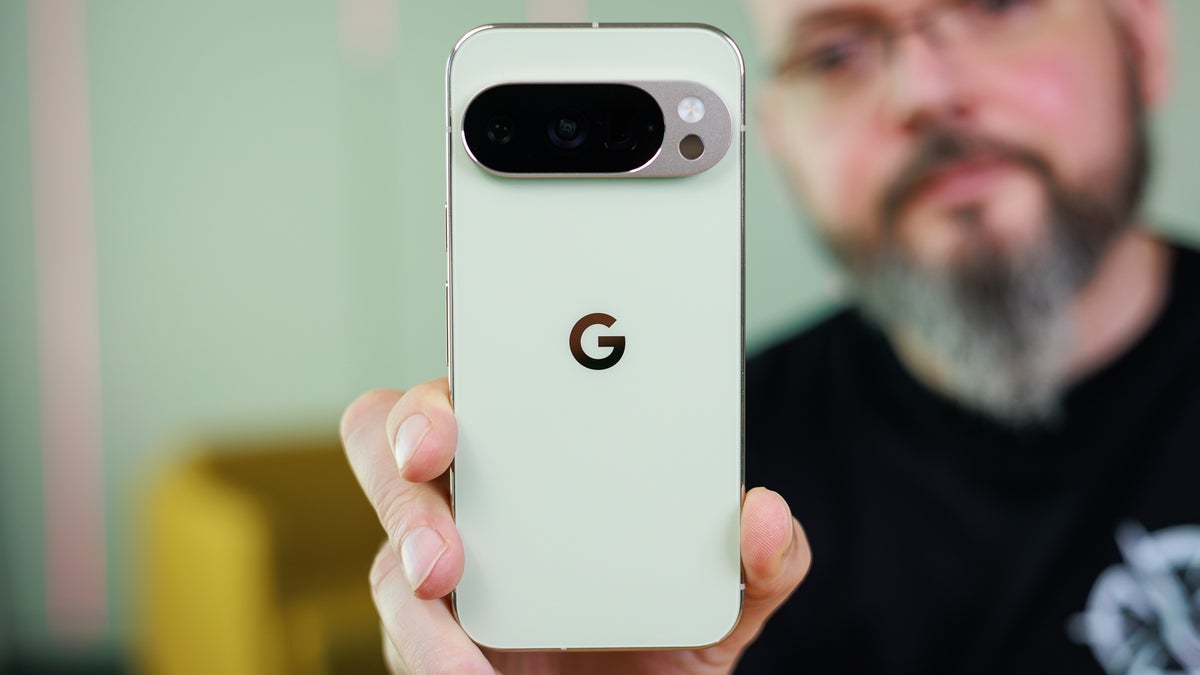
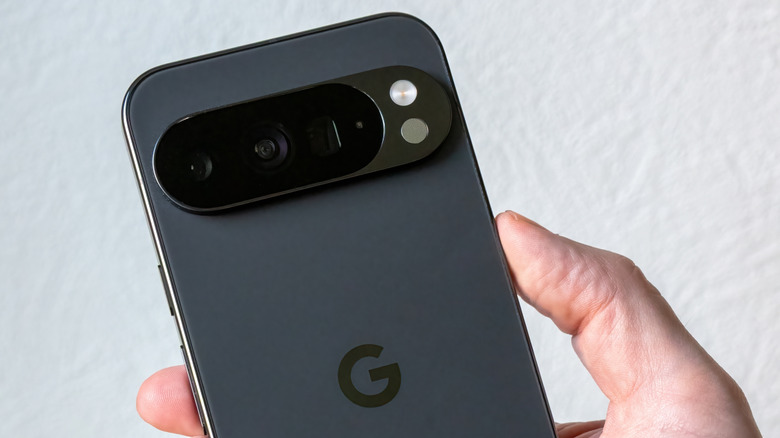
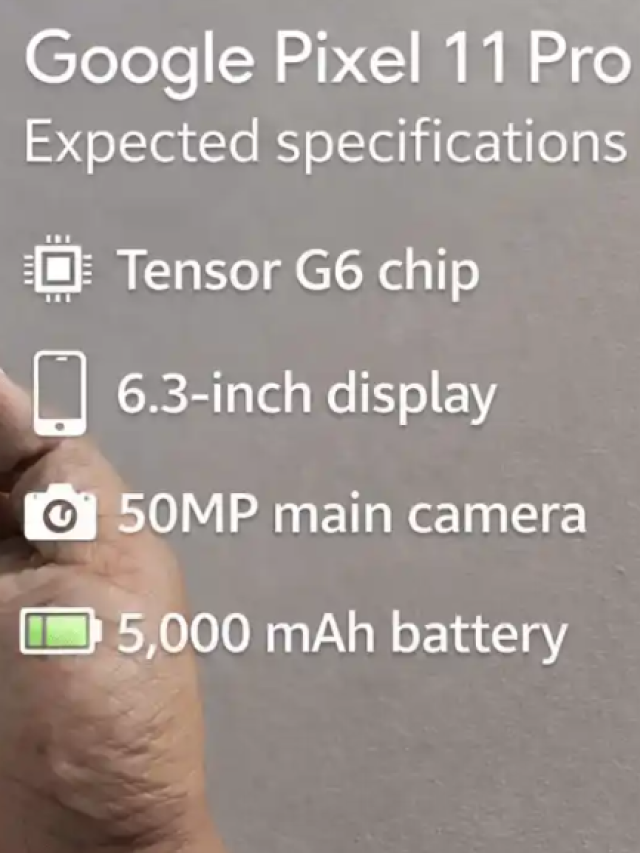
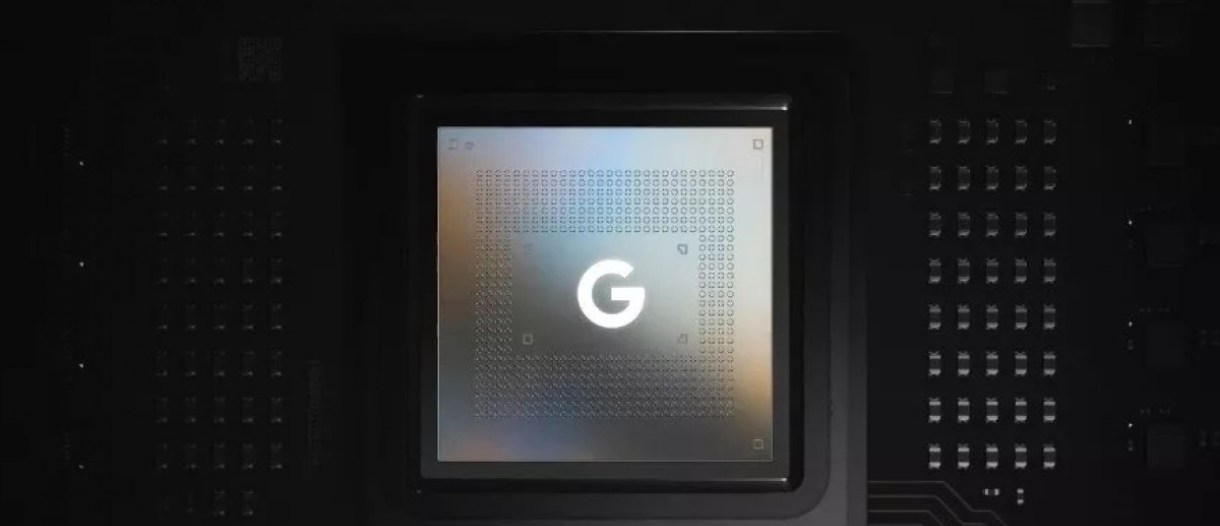
Google's Pixel 11 hardware strategy reveals a critical market inflection point for e-commerce sellers: the company is deliberately sacrificing GPU performance to optimize for AI workloads and manufacturing costs, while simultaneously innovating with Pixel Glow—a notification lighting system that addresses smartphone market stagnation. The Tensor G6 chipset will feature ARM's latest C1 Ultra and C1 Pro cores (4.11GHz primary, 3.38GHz secondary) paired with a 2021-era PowerVR GPU, representing a 5-year-old graphics processor that offers zero performance improvement over the Tensor G5. This cost-optimization strategy—driven by rising DRAM expenses and die size minimization—signals Google is willing to accept GPU regression to preserve profit margins on flagship devices.
The AI-First Hardware Trend Creates Immediate Seller Opportunities: Google's NPU-centric design indicates the smartphone market is shifting from graphics-intensive gaming toward AI-powered productivity and content creation. This creates a bifurcated market: productivity-focused users (who benefit from improved CPU efficiency) and gaming enthusiasts (who face stagnant GPU performance). Sellers can exploit this gap by stocking gaming accessories, external GPU solutions, and mobile gaming peripherals targeting disappointed Pixel 11 buyers. The market for mobile gaming accessories is projected to reach $8.2B globally by 2026, with GPU-constrained flagship devices driving demand for external cooling solutions, controller mounts, and performance-enhancing accessories.
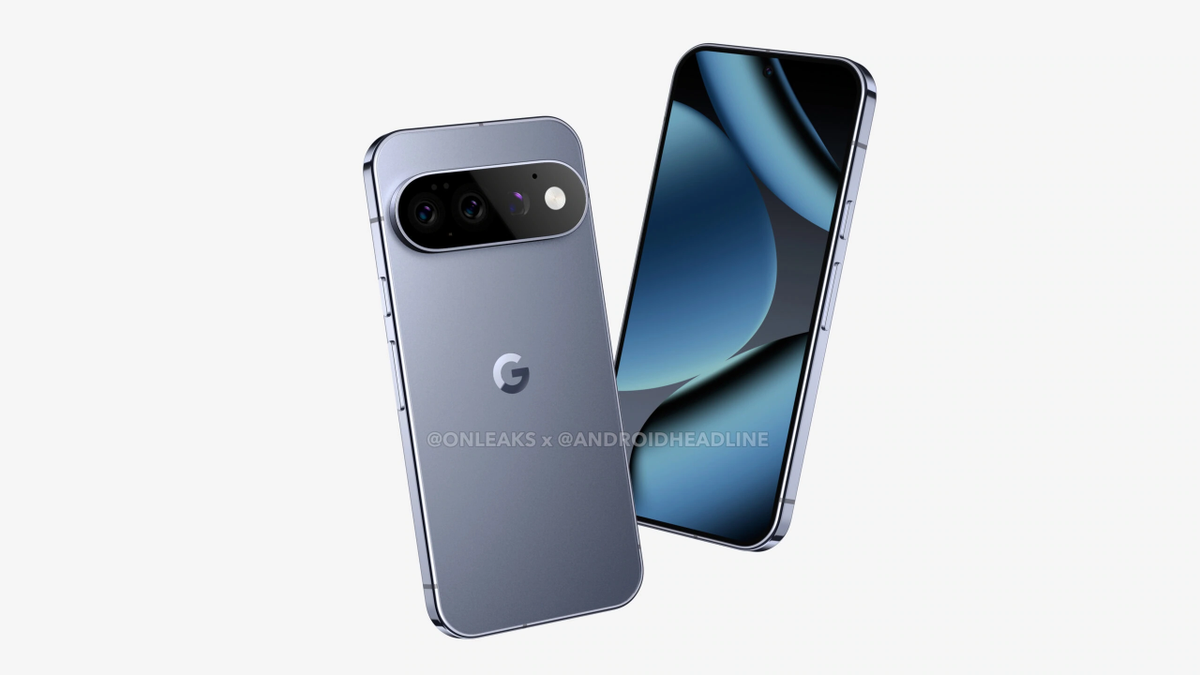
Pixel Glow Notification System Launches Accessory Ecosystem: Google's Pixel Glow feature—a back-panel LED notification system launching with Pixel 11 (Cubs/standard, Grizzly/Pro, Kodiak/Pro XL variants)—represents the first meaningful hardware differentiation in the stagnant smartphone market since 2024. Similar to Nothing's Glyph system, Pixel Glow will support customizable notification patterns, battery status display, and dual-purpose flashlight/camera flash functionality. This creates immediate accessory opportunities: protective cases with Glow-compatible cutouts, custom LED skins, notification customization apps, and third-party lighting integration tools. Nothing's Glyph adoption drove 35-40% higher brand consideration among tech enthusiasts, suggesting Pixel Glow could generate $1.2-1.8B in accessory demand within 12 months of launch.
AI-Powered Competitive Intelligence for Sellers: The Tensor G6's NPU emphasis signals Google is betting on on-device AI for competitive advantage. Sellers should monitor AI-powered features (Magic Cue, real-time translation, advanced image processing) and develop complementary products: AI-optimized apps, privacy-focused cloud storage solutions, and AI-training datasets for mobile developers. The NPU market is growing 45% YoY, with on-device AI processing becoming the primary differentiator as GPU performance plateaus. Sellers can use AI tools to analyze Pixel 11 launch sentiment, identify disappointed gaming-focused buyers, and target them with gaming accessory campaigns 30-45 days before official announcement (expected late 2025/early 2026).
Questions 8
How does Pixel Glow differ from previous failed Google hardware features?
Pixel Glow succeeds where Active Edge (Pixel 2 squeeze controls) and Motion Sense (Pixel 4 hand-wave controls) failed because it integrates into existing user behaviors rather than forcing new interaction patterns. Pixel Glow's back-panel LED notification system works with natural phone-checking habits and existing flashlight/camera usage. Nothing's Glyph implementation demonstrates market viability, with the lighting system helping the brand establish market presence through distinctive functionality. This multi-functional approach aligns with successful AI features like Magic Cue, which enhance existing workflows.
What are the Pixel 11 model codenames and expected launch timeline?
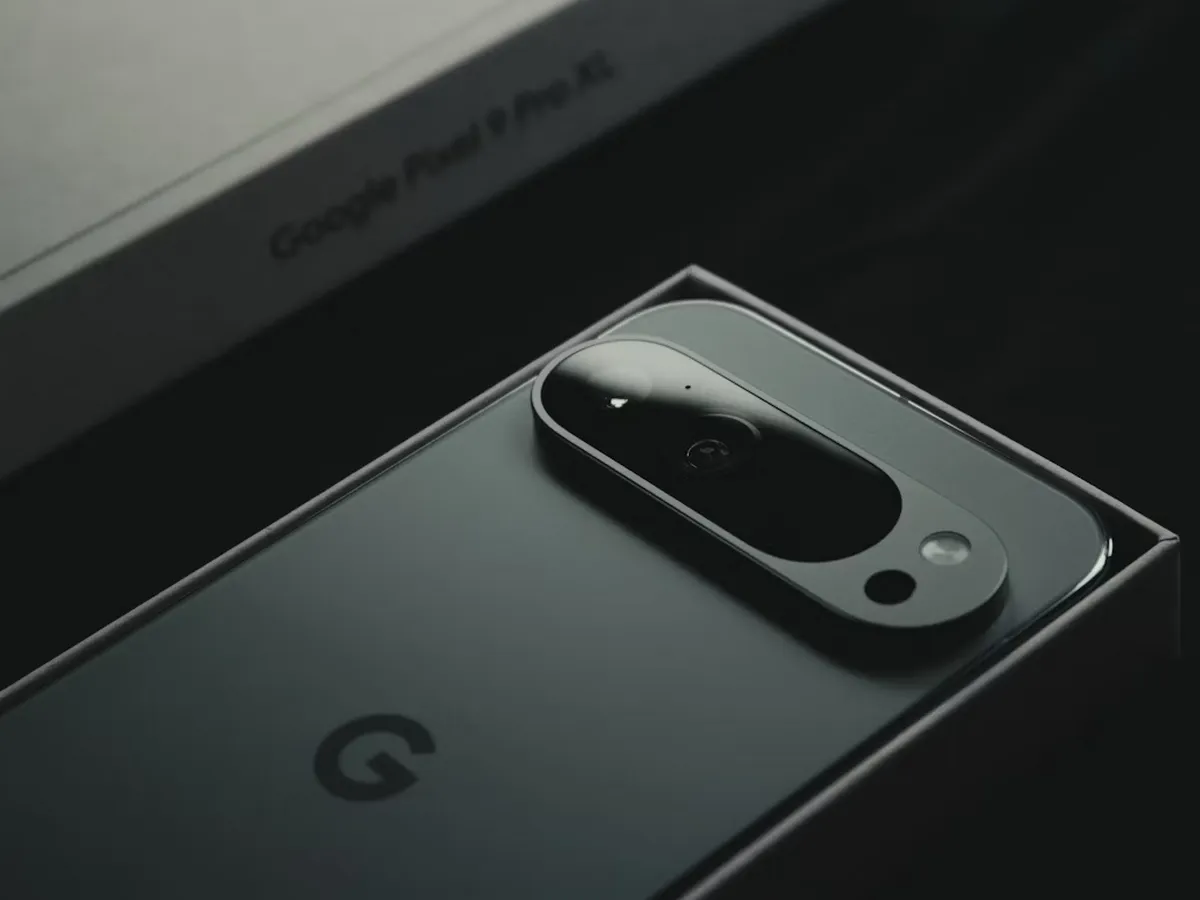
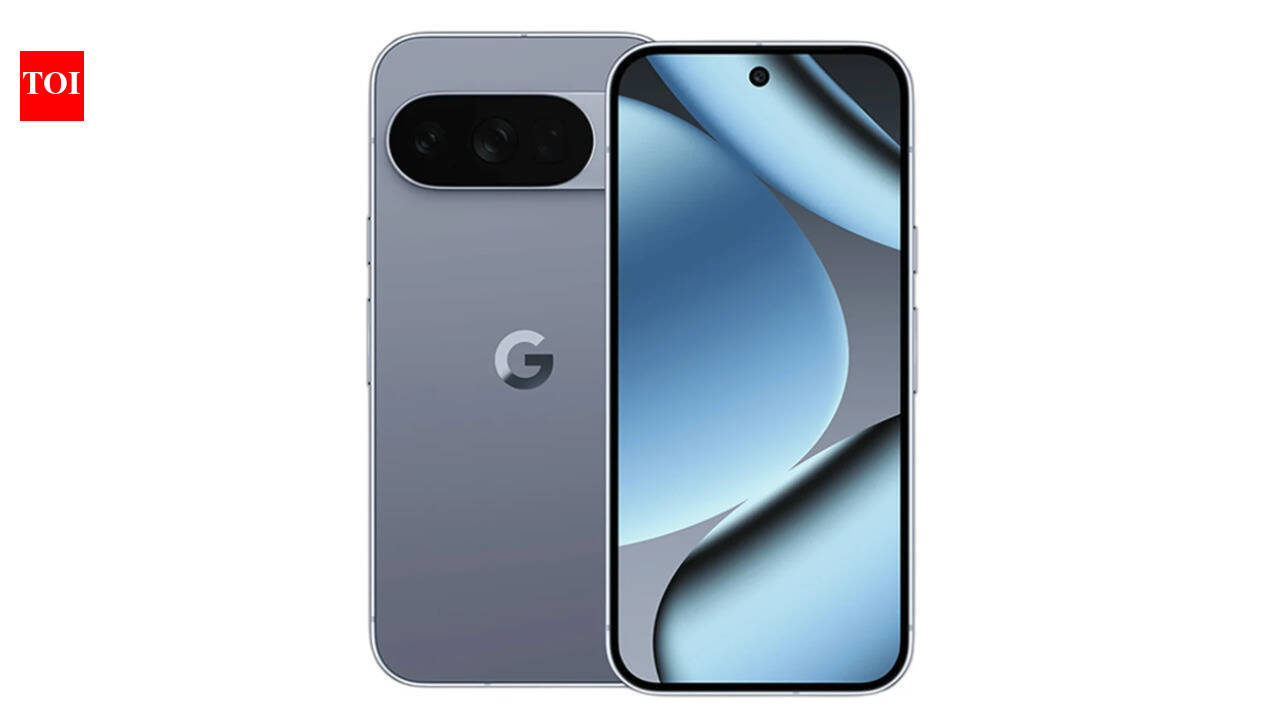
Google's Pixel 11 lineup includes three variants: Cubs (standard Pixel 11), Grizzly (Pixel 11 Pro), and Kodiak (Pixel 11 Pro XL). The official announcement is expected several months away, likely late 2025 or early 2026, based on historical Pixel launch patterns. The Tensor G6 specifications have been confirmed through Geekbench benchmark reports and Mystic Leaks Telegram channel leaks, lending credibility to the hardware specifications despite final production hardware potentially differing from engineering samples.