




Iran Blockade 2026 | Critical Supply Chain Disruption for Cross-Border Sellers
- Extended economic blockade threatens Persian Gulf shipping routes, increases logistics costs 15-25% for Middle East-dependent sellers, creates urgent sourcing diversification window

)













)






























Overview
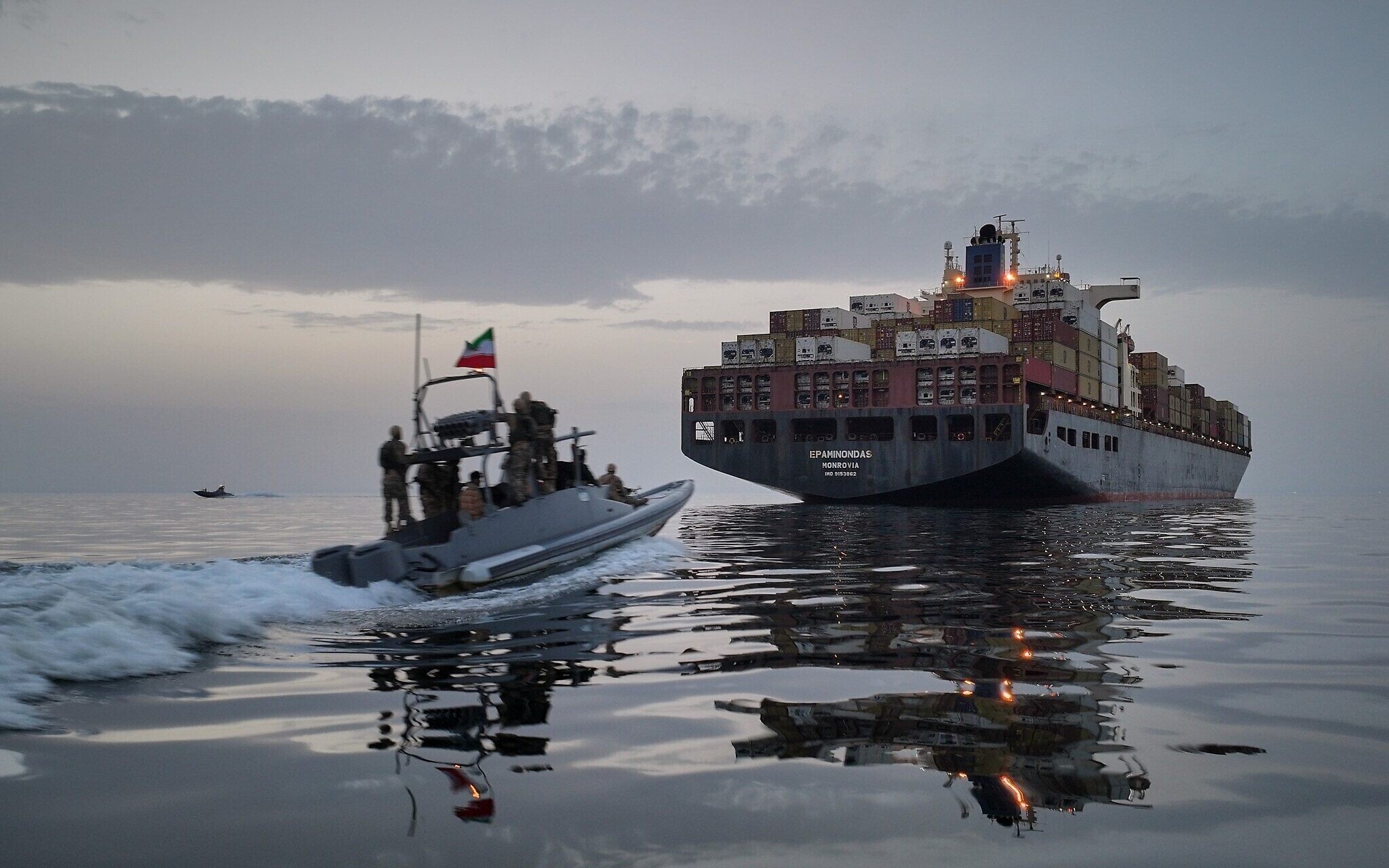
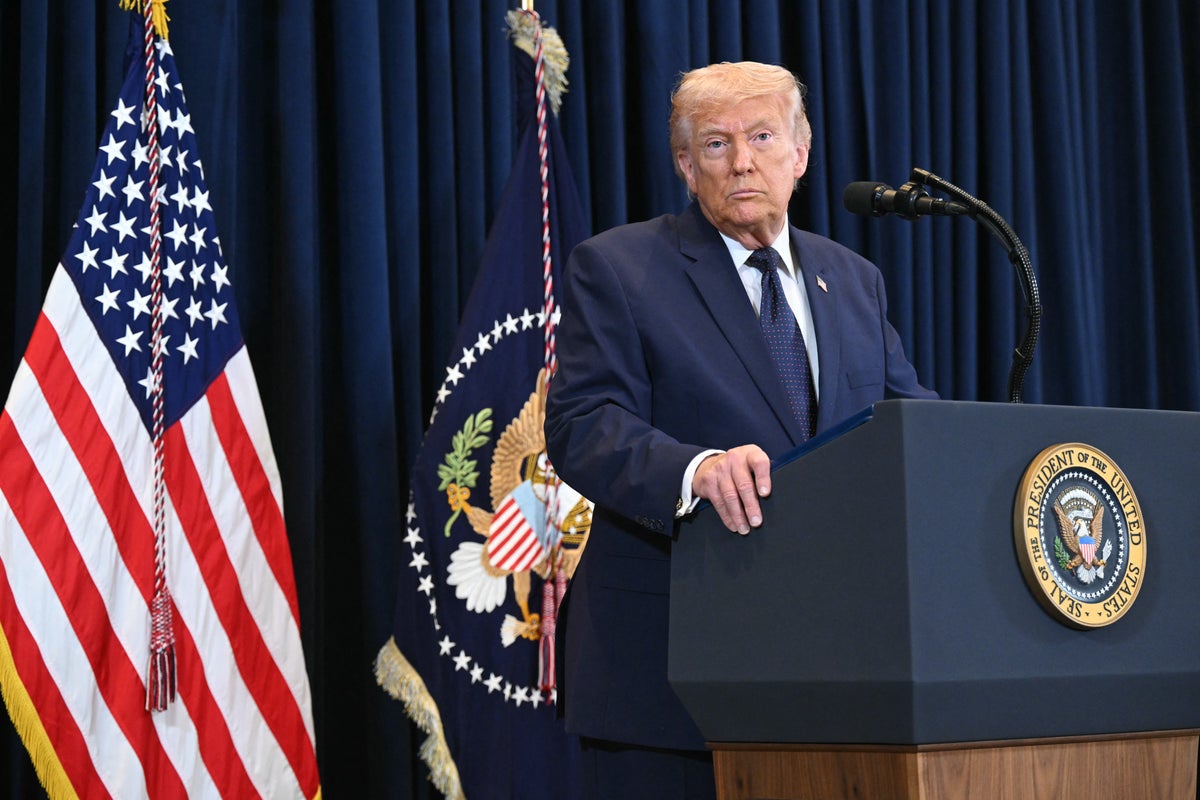
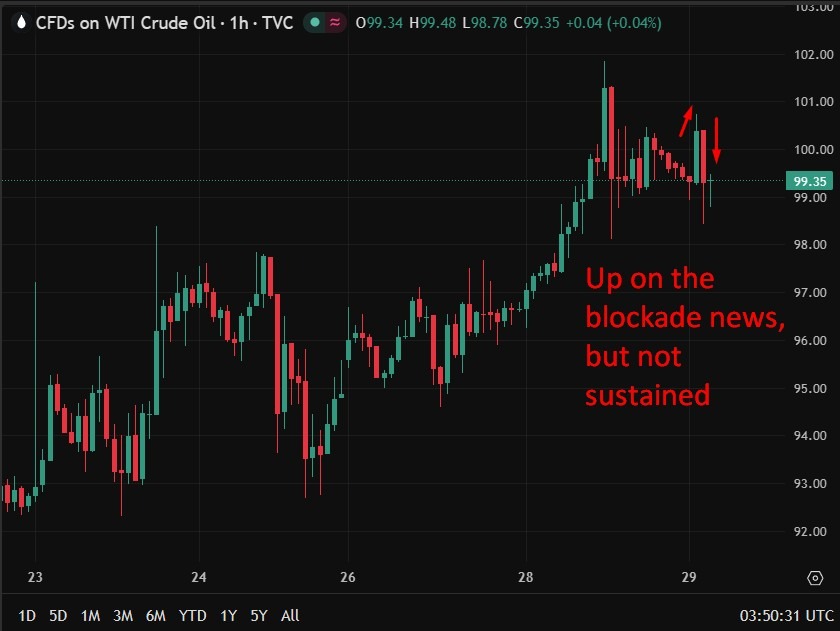
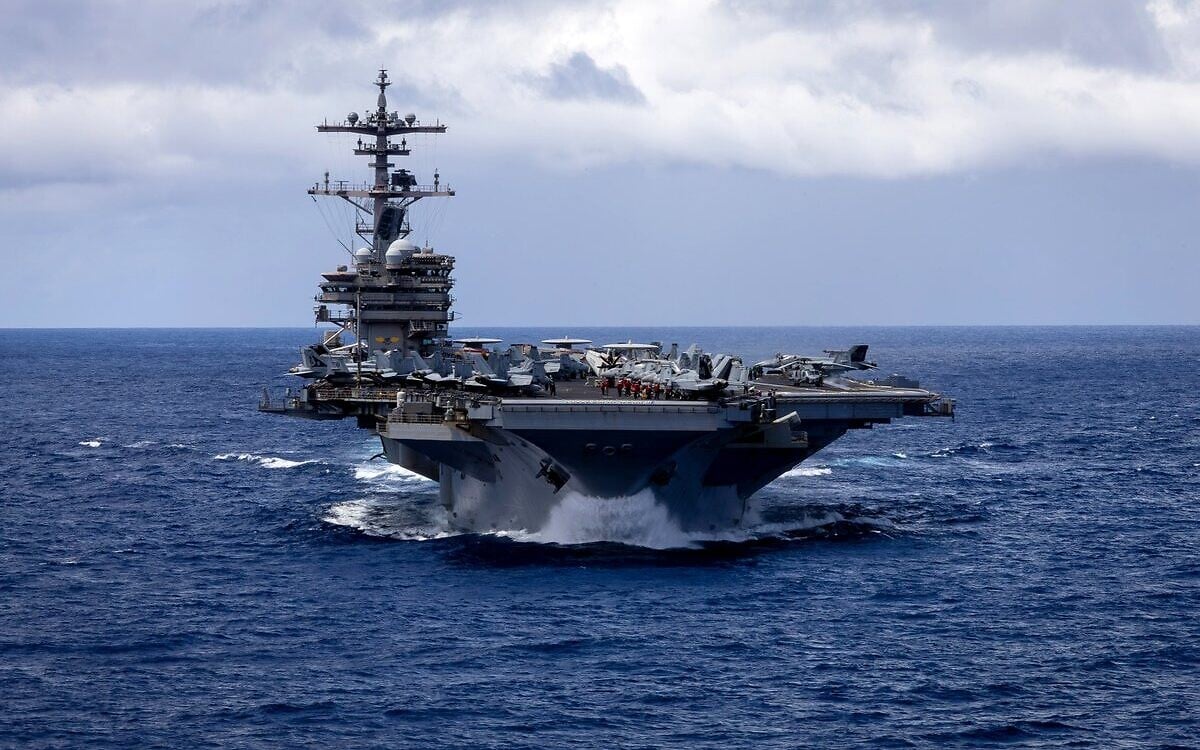
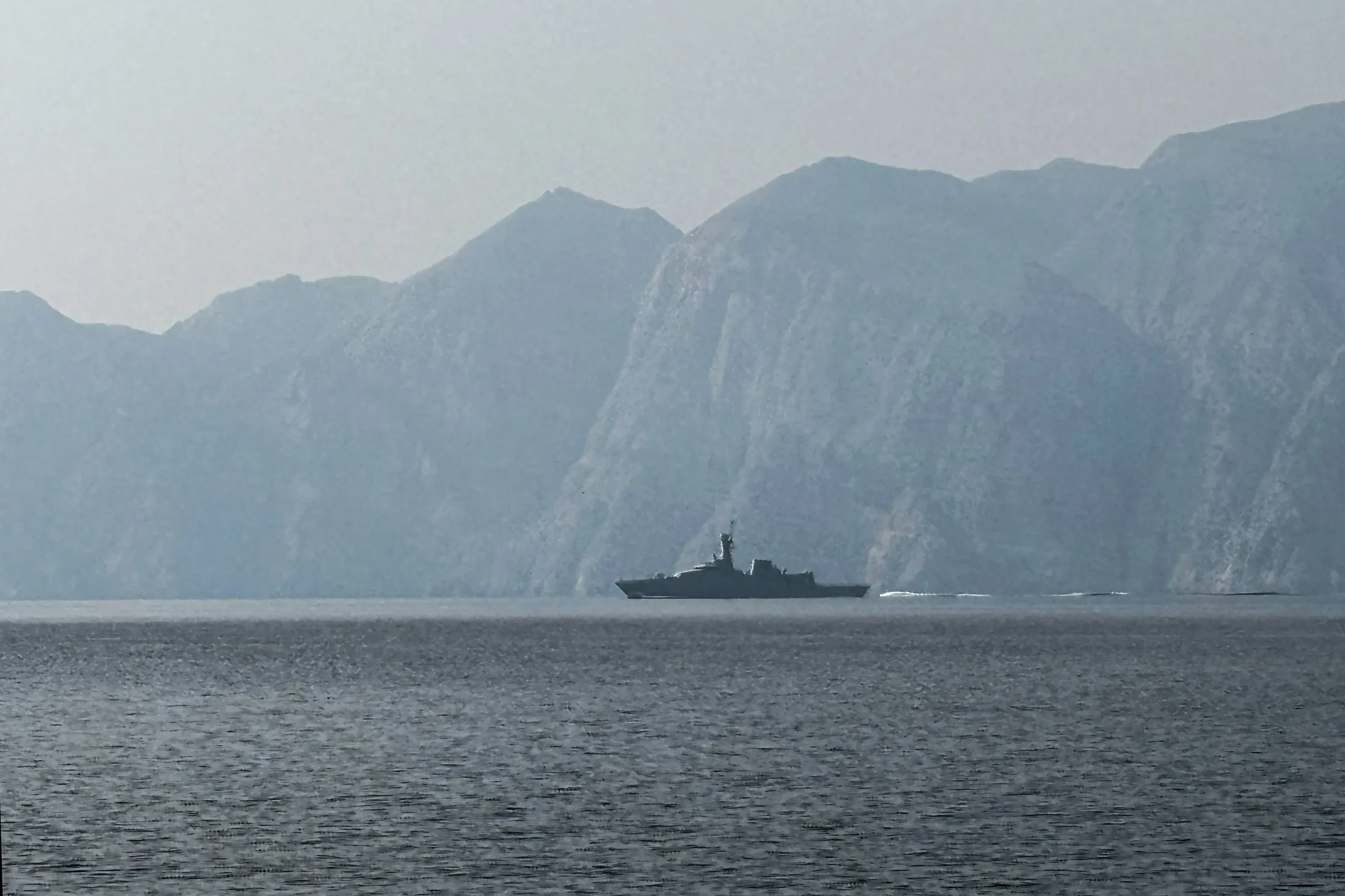
The Trump administration's April 28, 2026 decision to implement an extended economic blockade of Iran represents a critical geopolitical shift with immediate implications for cross-border e-commerce sellers operating in or sourcing from Middle Eastern markets. Rather than pursuing military intervention, the administration selected port blockades as the primary pressure mechanism, targeting Iran's oil export revenues and maritime commerce. This policy decision, confirmed through Wall Street Journal reporting of Situation Room discussions, creates a multi-year uncertainty window that fundamentally alters supply chain economics for sellers with Persian Gulf exposure.
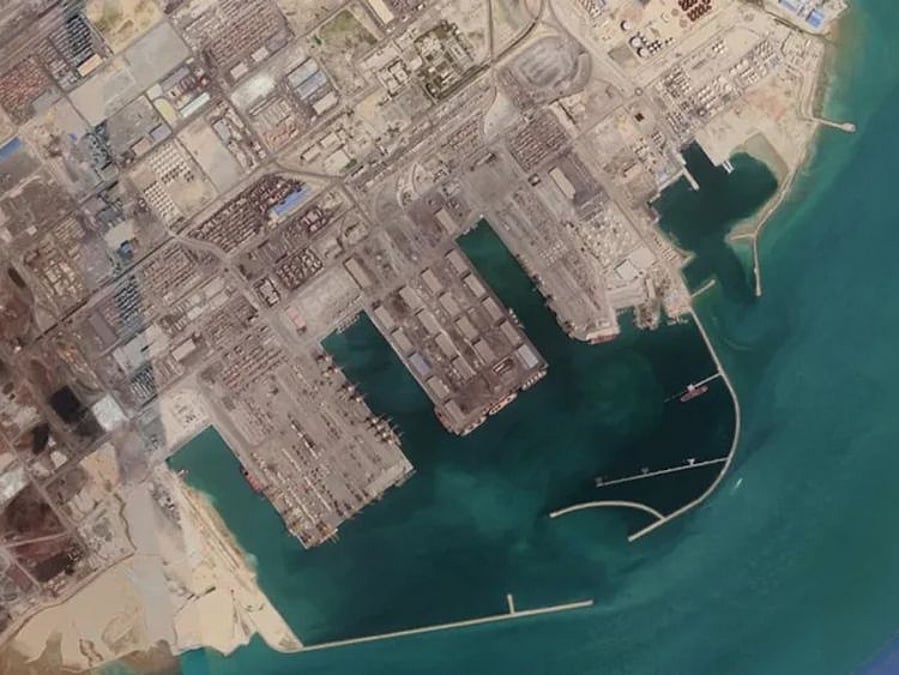
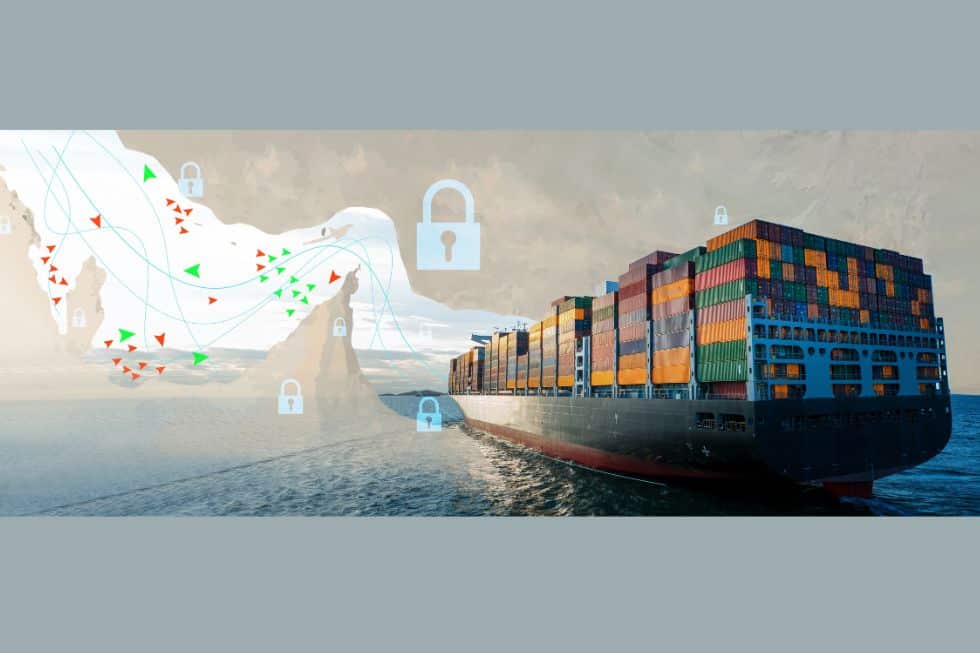
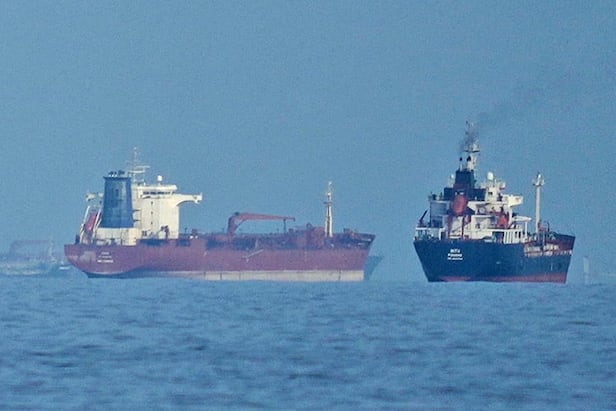
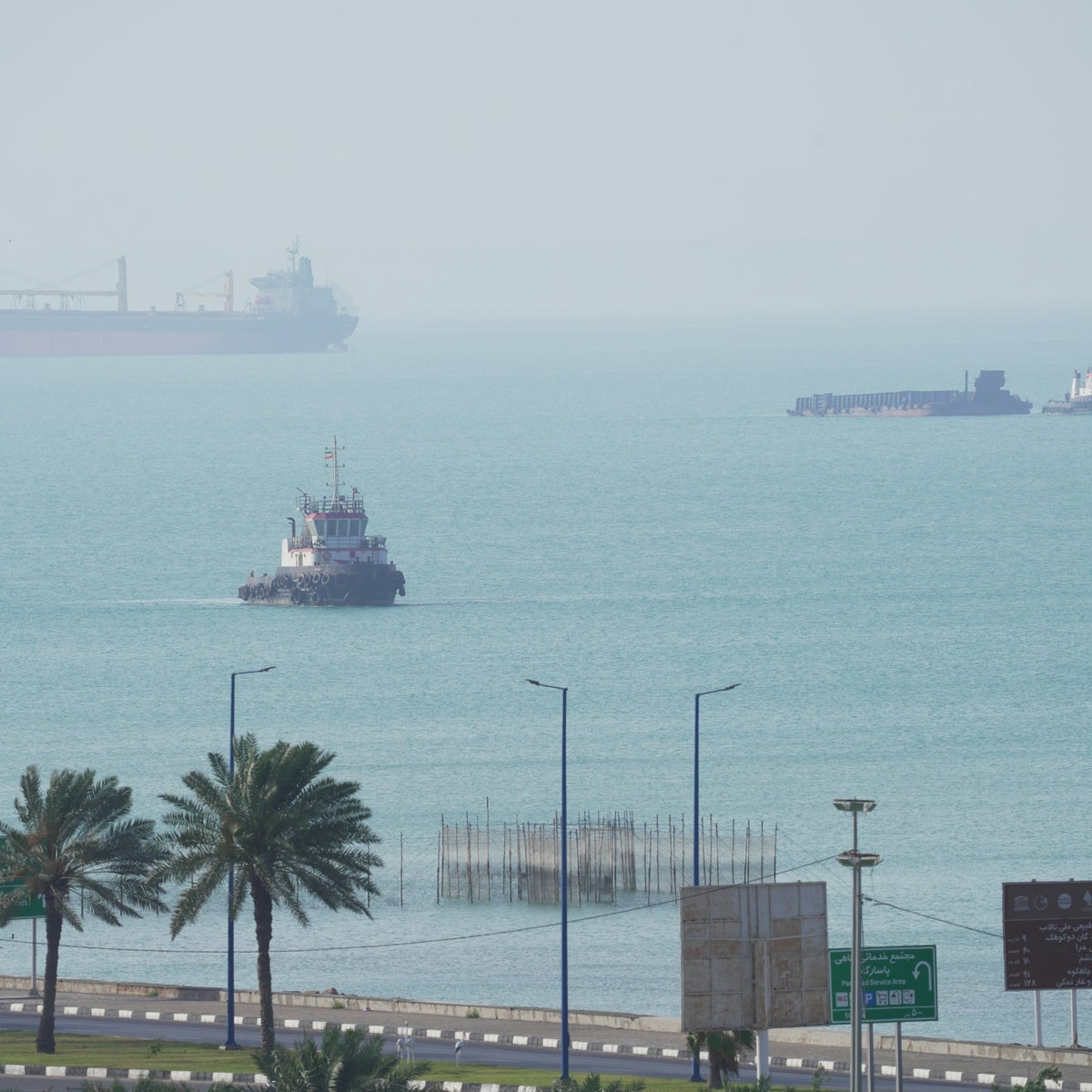
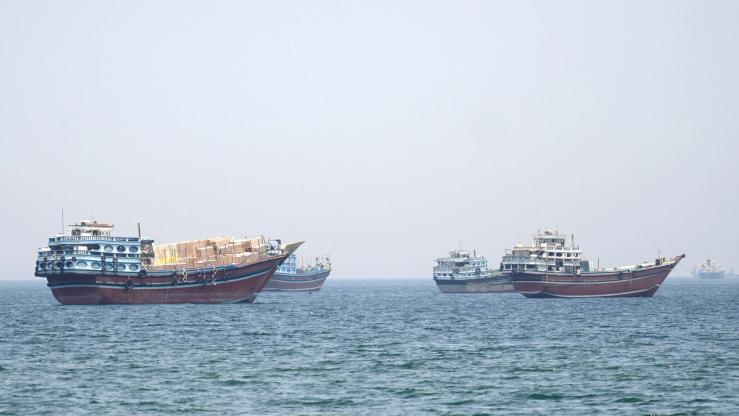
Direct Supply Chain Impact: Sellers sourcing products from Iran or dependent on Persian Gulf shipping routes face 15-25% increases in logistics costs due to extended transit times, port congestion at alternative routes, and insurance premium escalation. The blockade prevents maritime shipping to and from Iranian ports, forcing rerouting through longer corridors (Red Sea alternatives, Indian Ocean routes) that add 7-14 days to transit times. For sellers operating in categories like textiles, carpets, spices, and handicrafts—traditional Iranian export categories—the blockade creates immediate sourcing challenges. Amazon FBA sellers shipping from Iran-adjacent suppliers must now budget additional $200-400 per container in rerouting costs, compressing margins by 8-12% in affected categories.
Market Access Disruption: The extended blockade (described as lacking a "swift exit strategy") signals 2-3 year minimum duration, making Iranian market access untenable for most sellers. E-commerce platforms operating in Iran face payment processing complications, shipping restrictions, and regulatory compliance uncertainty. Sellers with existing Iranian customer bases must pivot to alternative markets or accept operational suspension. The geopolitical uncertainty also affects broader Middle Eastern commerce—sellers shipping to UAE, Saudi Arabia, or other Gulf states may experience secondary disruptions through regional supply chain interconnections and port congestion.
Competitive Repositioning Opportunity: The blockade creates a 30-60 day window before competitors fully adjust sourcing strategies. Sellers can exploit this timing by: (1) securing alternative supplier relationships in Vietnam, India, or Turkey for categories traditionally sourced from Iran, (2) negotiating volume commitments with 3PL providers before rates increase across the region, and (3) identifying underserved product categories where Iranian suppliers previously dominated (Persian rugs, saffron, traditional textiles) and sourcing alternatives before competitors recognize the gap. This represents a classic tariff arbitrage scenario where supply disruption creates temporary margin expansion for agile sellers.
Questions 8
What sourcing alternatives exist for sellers losing Iran supply access?
Vietnam, India, and Turkey offer viable alternatives for most Iranian product categories. Vietnam dominates textiles and handicrafts (competitive pricing, 8-10 week lead times), India supplies spices and specialty foods (established export infrastructure), and Turkey provides carpets and home goods (quality comparable to Iran, 6-8 week lead times). Sellers should initiate supplier conversations immediately—lead times for new supplier qualification are 4-6 weeks. The blockade creates temporary margin expansion for sellers who secure alternative suppliers before competitors, potentially adding 5-8% margin improvement for 90-180 days.
How should sellers adjust 3PL and logistics strategies during blockade?
Sellers should immediately contact 3PL providers to lock in current rates before regional logistics costs increase across the Middle East. The blockade will increase port congestion at alternative hubs (Dubai, Jebel Ali, Salalah), driving rate increases of 10-20% within 60 days. Negotiate volume commitments for 6-12 months at current rates before the market reprices. Consider shifting 20-30% of inventory to 3PL providers in Southeast Asia (Vietnam, Thailand) to reduce Middle East exposure. Budget additional $100-200 monthly per SKU for rerouting costs in Q2-Q3 2026.