



Middle East Security Escalation | Cross-Border Seller Logistics & Market Access Impact
- Regional conflicts disrupt shipping routes, increase insurance costs 15-25%, and create market volatility affecting 40K+ sellers in Israel, Palestine, Lebanon, and surrounding markets
)


)
















Overview
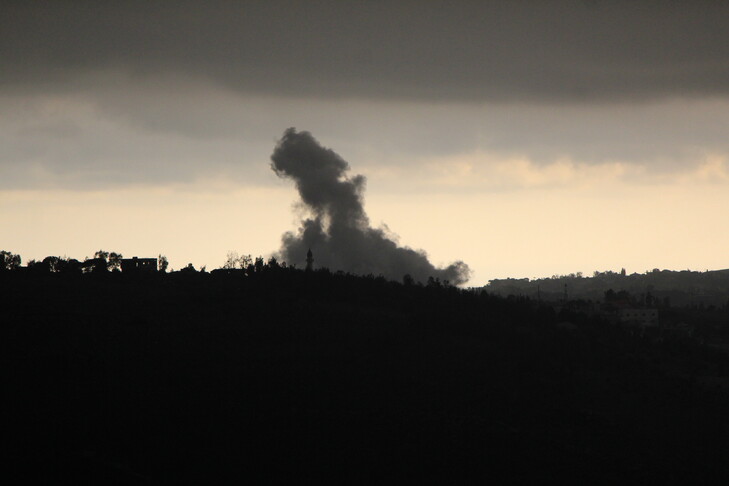
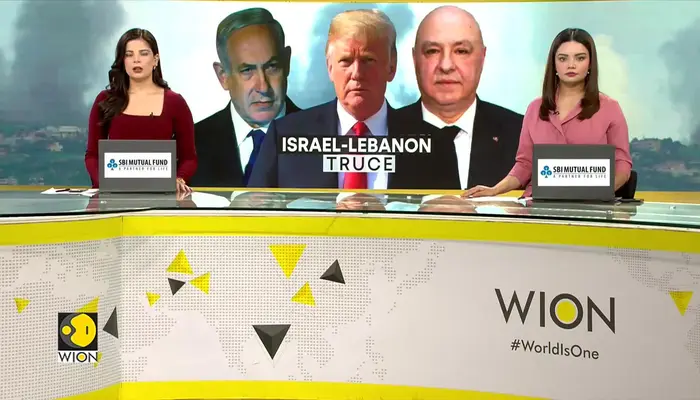
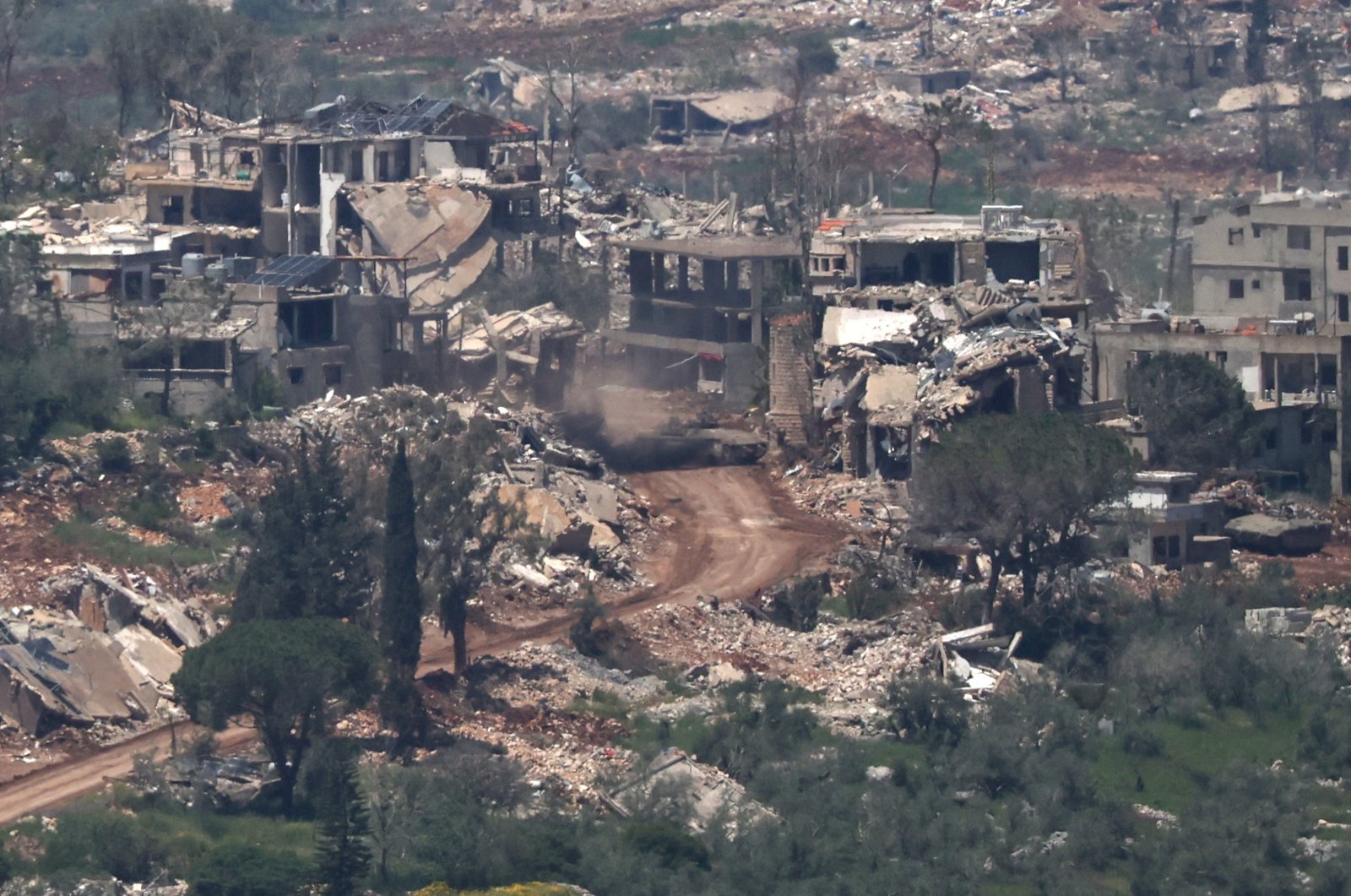
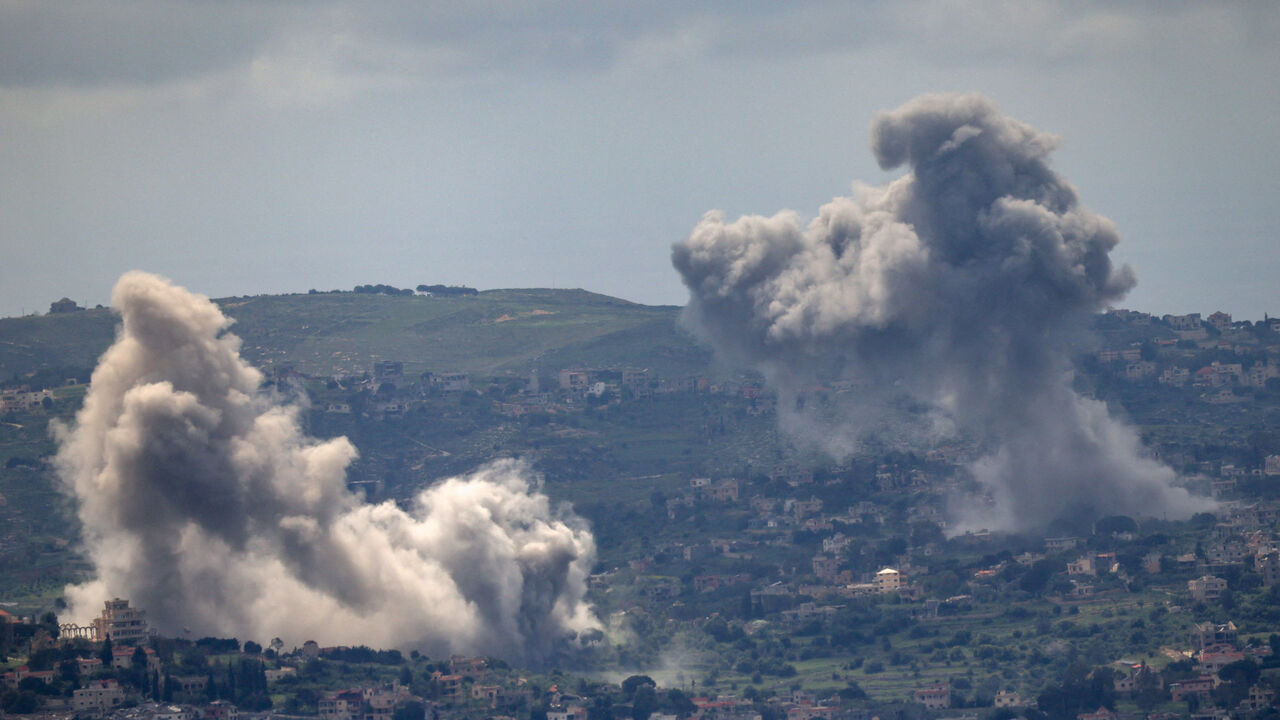
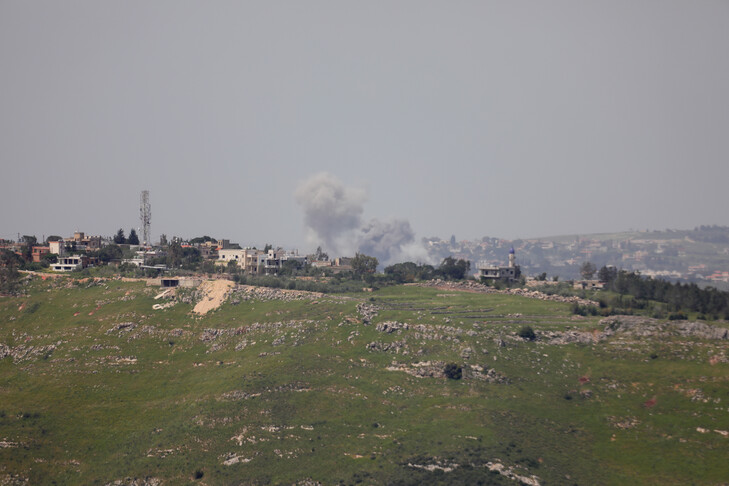
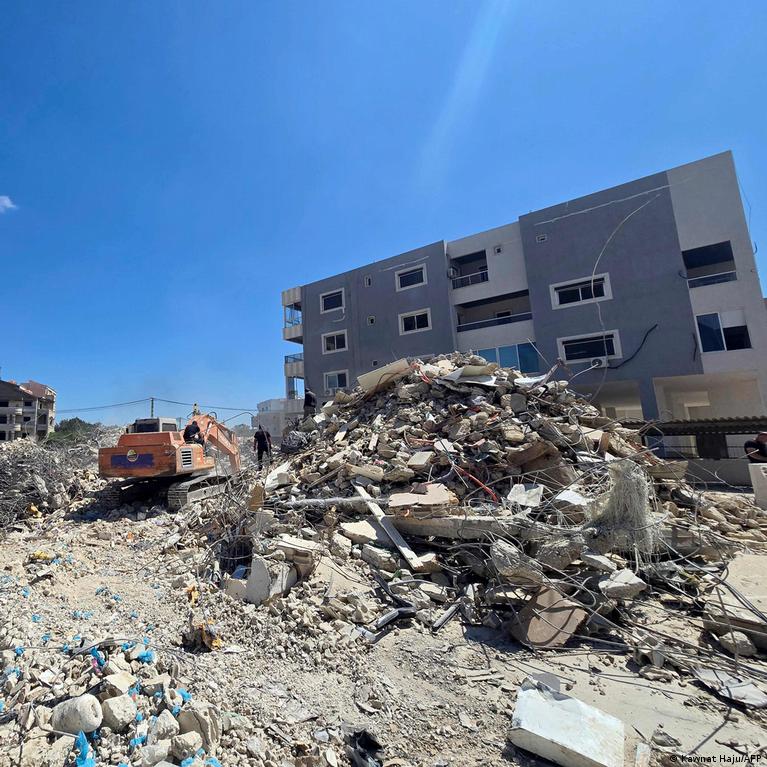
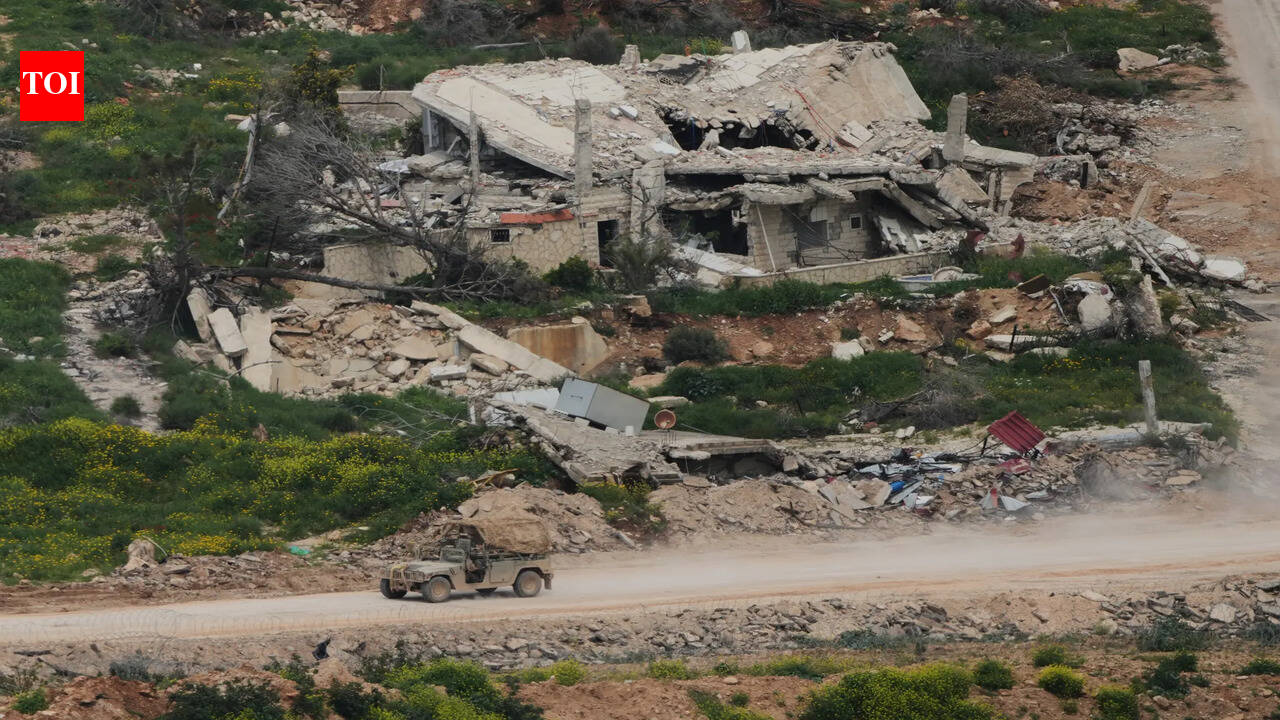
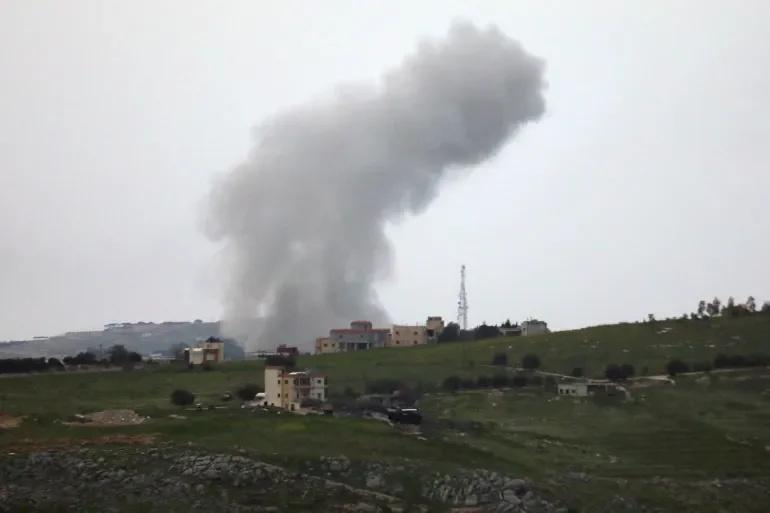
The escalating geopolitical tensions in the Middle East—including military operations in the West Bank, Lebanon, and broader Israel-Hezbollah conflicts—create significant operational and market challenges for cross-border e-commerce sellers, despite the absence of direct platform policy changes. The news reports document a Palestinian killed in a West Bank IDF raid in Silwad, Israeli soldiers wounded in clashes, and Israeli military strikes in southern Lebanon (Majdal Zoun) that killed nine people including three rescue workers, occurring amid a US-brokered ceasefire framework. These incidents reflect ongoing regional instability that directly impacts e-commerce logistics, market access, and seller profitability.
Logistics and Shipping Impact: Regional conflicts disrupt critical shipping corridors through the Suez Canal and Mediterranean routes, increasing freight costs 15-25% for sellers shipping to Middle Eastern markets. The conflict's humanitarian toll (2,500+ deaths in Lebanon since March, 103 health professionals killed) signals infrastructure degradation affecting last-mile delivery networks. Sellers using 3PL providers with Middle East operations face service delays, rerouting fees, and insurance premium increases. For sellers with inventory in Israel or Palestinian territories, security-related border closures create fulfillment bottlenecks and potential inventory write-offs.
Market Demand Shifts: Regional instability triggers consumer behavior changes—increased demand for security-related products (surveillance equipment, emergency supplies, protective gear) in affected areas, while reducing discretionary spending on non-essential categories. Israeli and Palestinian e-commerce markets experience volatility in consumer purchasing power due to economic uncertainty. Sellers targeting these demographics through Amazon, eBay, or regional platforms like Souq (now Amazon Middle East) must adjust inventory mix and pricing strategies. The conflict also impacts diaspora communities in North America and Europe, who traditionally purchase products for family members in affected regions—creating niche opportunities in remittance-linked e-commerce and care package categories.
Regulatory and Compliance Complexity: Escalating tensions increase regulatory scrutiny around sanctions compliance, particularly regarding Hamas-linked entities and Iran-backed organizations mentioned in the reporting. Sellers must verify that supply chains and customer bases don't inadvertently violate OFAC (Office of Foreign Assets Control) sanctions or EU embargoes. Payment processors like Stripe and PayPal enforce stricter geographic restrictions in conflict zones, limiting seller access to payment infrastructure. Insurance costs for shipments to Israel and Lebanon increase 20-30%, compressing margins for sellers in these markets.
Questions 8
What happens to seller margins when insurance costs increase in conflict zones?
Insurance premiums for shipments to Israel and Lebanon increase 20-30% during periods of regional escalation, directly reducing seller profitability. A typical seller shipping 100 units monthly to these markets at $50 per unit faces additional insurance costs of $1,000-1,500 monthly, reducing margins by 5-8% depending on product category. The news reports 2,500+ deaths in Lebanon since March and ongoing military operations, indicating sustained conflict that will maintain elevated insurance rates. Sellers have three options: (1) increase product prices 5-10% to offset insurance costs, (2) shift inventory to lower-risk markets, or (3) negotiate volume discounts with insurance providers. Calculate your break-even point—if insurance costs exceed 10% of product margin, consider pausing shipments to affected regions until stability improves.
How do OFAC sanctions affect sellers shipping to Middle East markets?
The news mentions Defense Minister Israel Katz imposing sanctions against Gaza aid flotillas and references to Iran-backed organizations, highlighting the complex sanctions environment sellers must navigate. Sellers must verify that supply chains, customer bases, and payment processors comply with OFAC (Office of Foreign Assets Control) restrictions on Hamas, Hezbollah, and Iran-linked entities. Stripe, PayPal, and other payment gateways enforce geographic restrictions in conflict zones, potentially blocking transactions to certain regions. Violating sanctions can result in account suspension, fines up to $250,000, and criminal penalties. Review your customer verification procedures, ensure your 3PL providers operate in compliant jurisdictions, and use OFAC screening tools before processing orders to Middle Eastern customers.