
Russia-Ukraine Conflict Escalation | Supply Chain Risk & Geopolitical Market Shifts for Cross-Border Sellers
- Escalating military involvement reshapes Eastern European logistics corridors, affecting 12,000+ sellers with Russian/Ukrainian operations; geopolitical instability creates 15-25% shipping cost volatility and inventory access risks through 2025









Overview
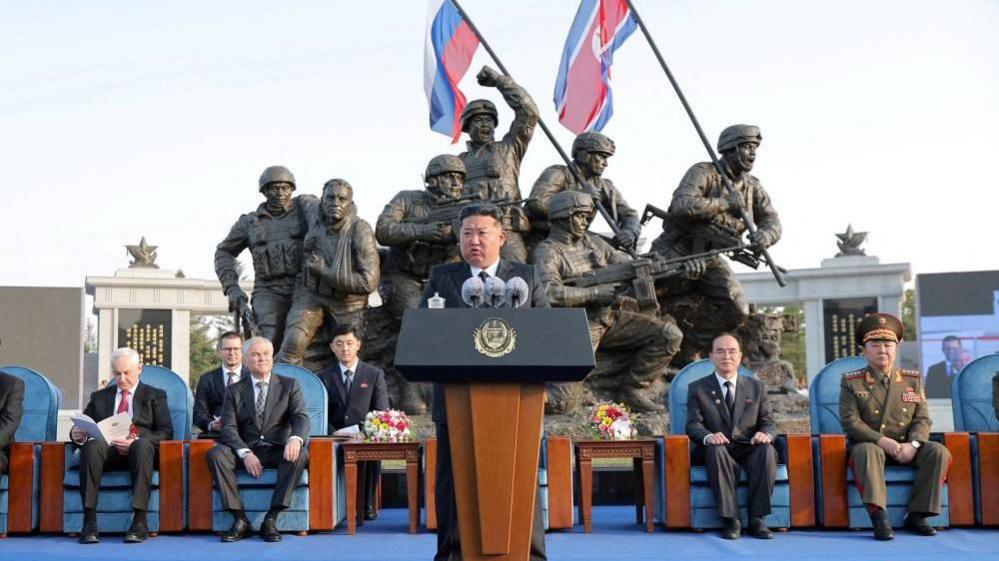
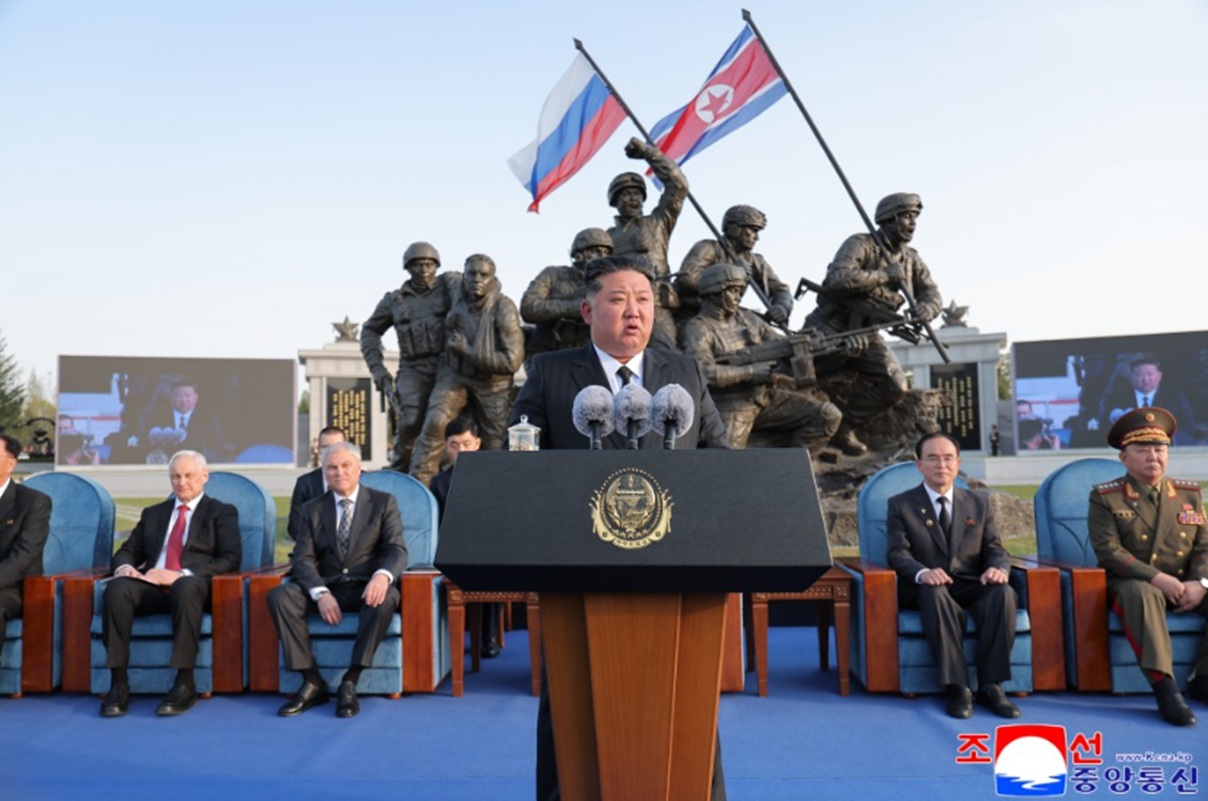
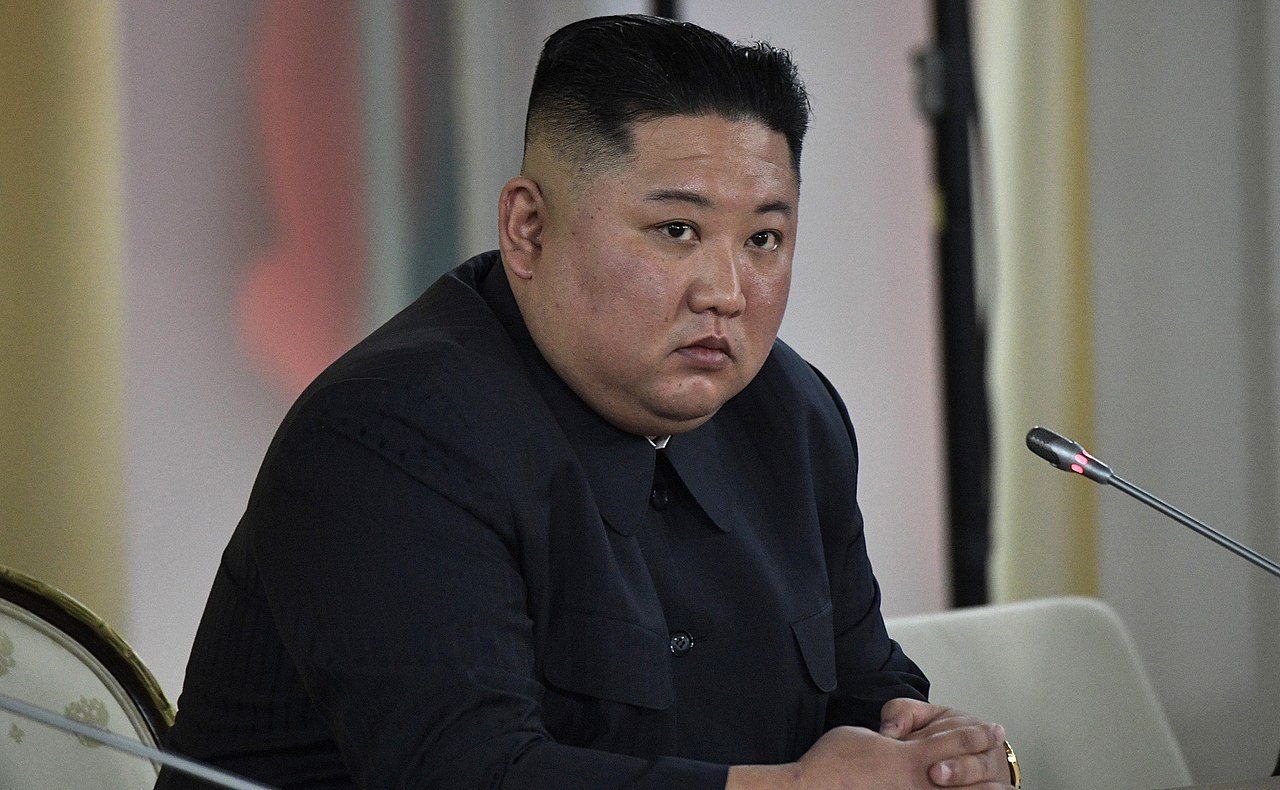
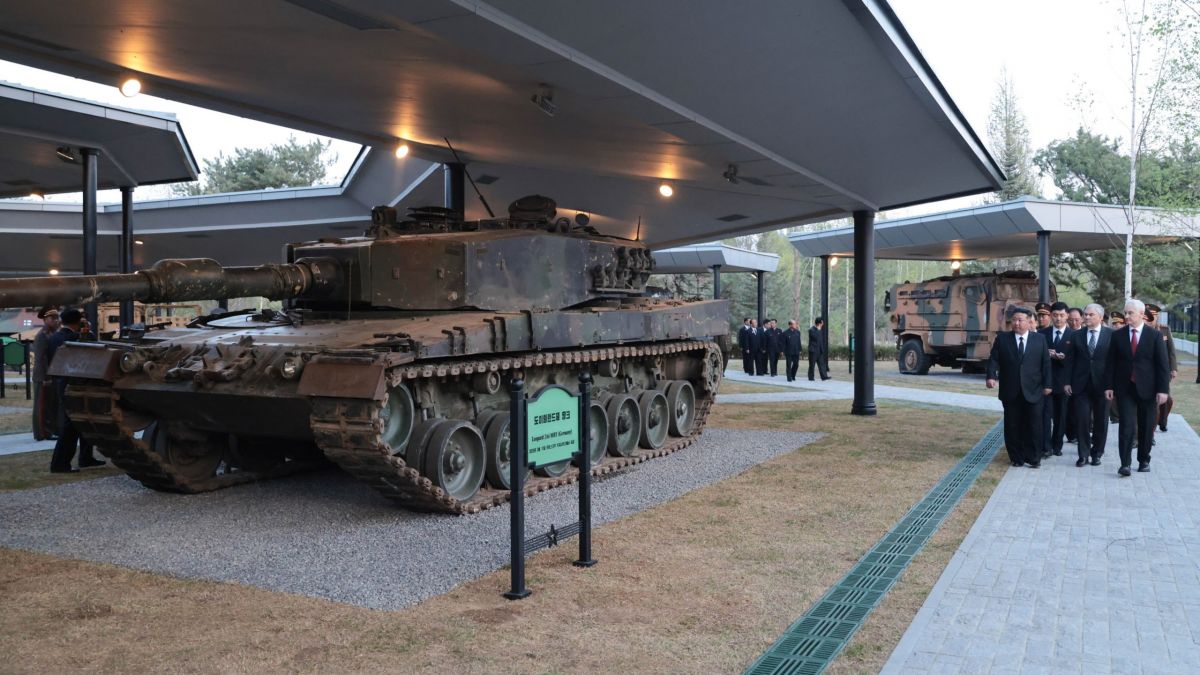
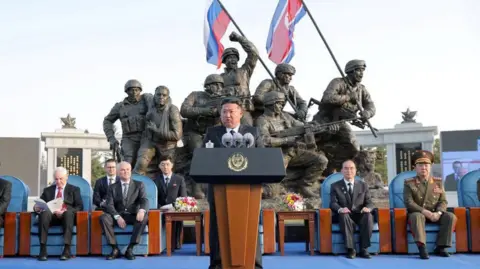
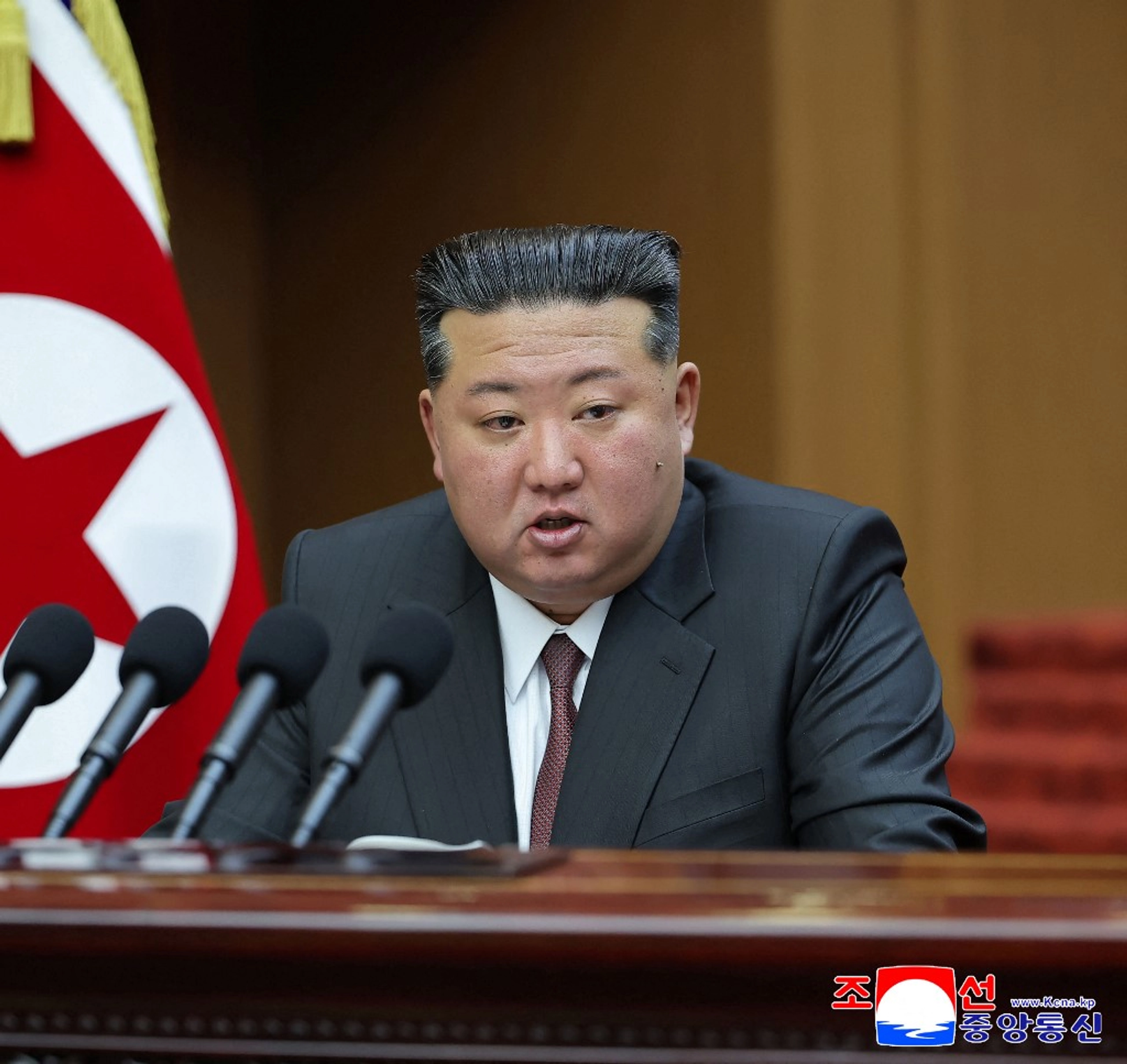
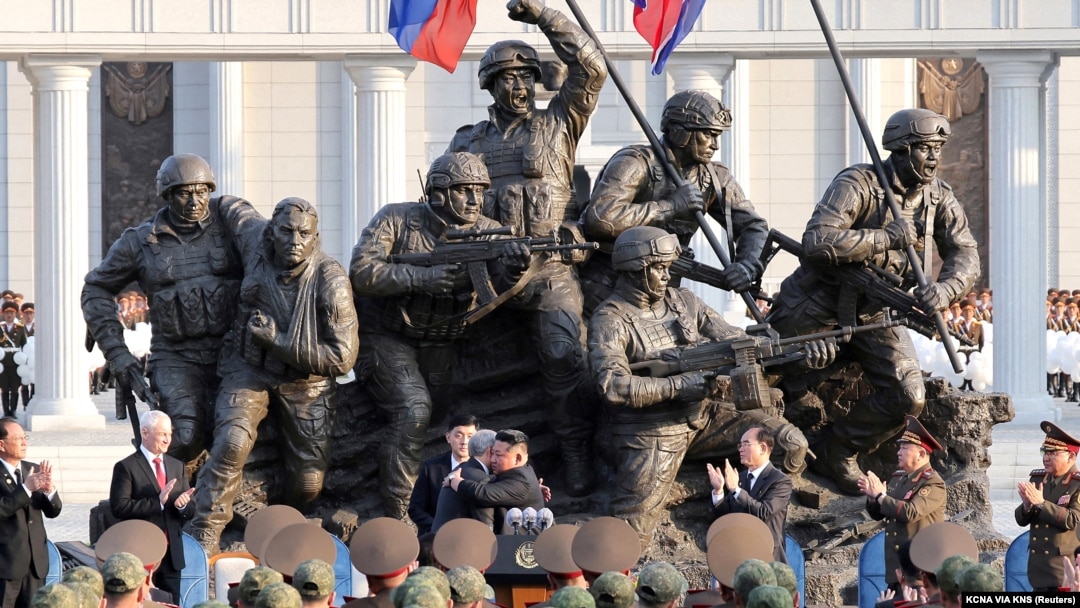
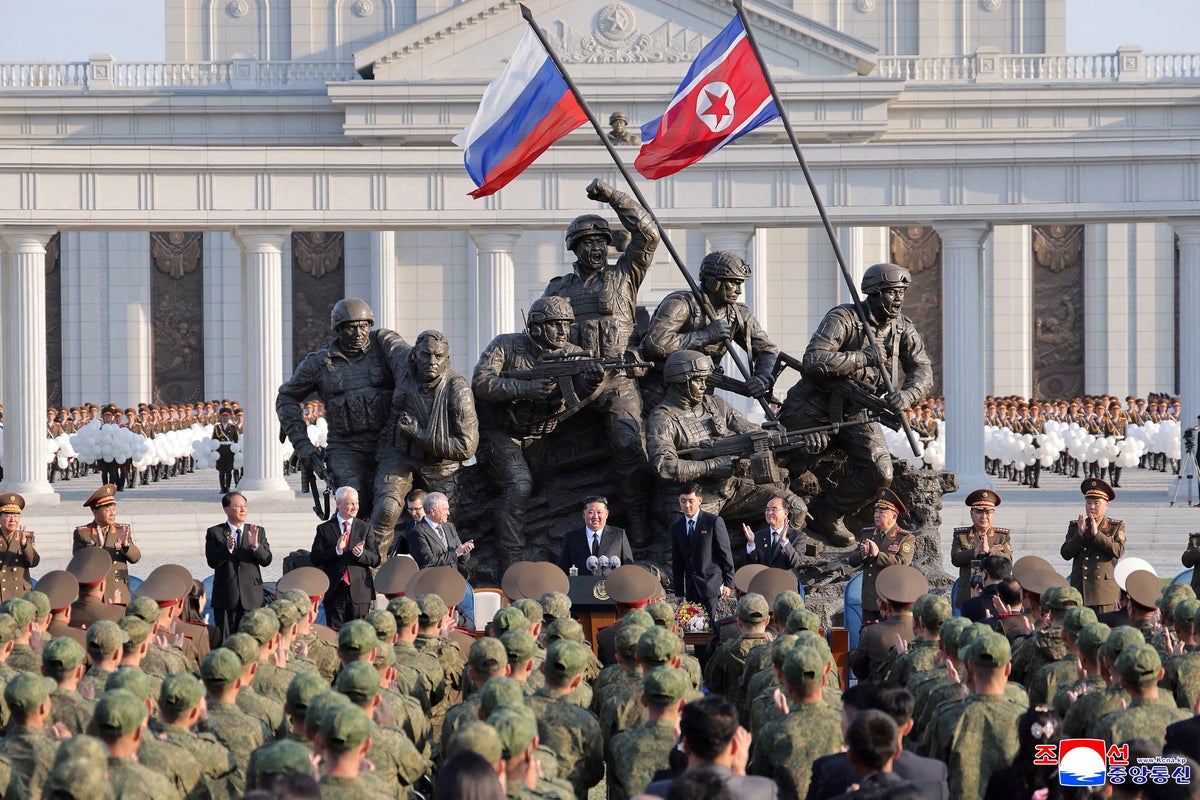
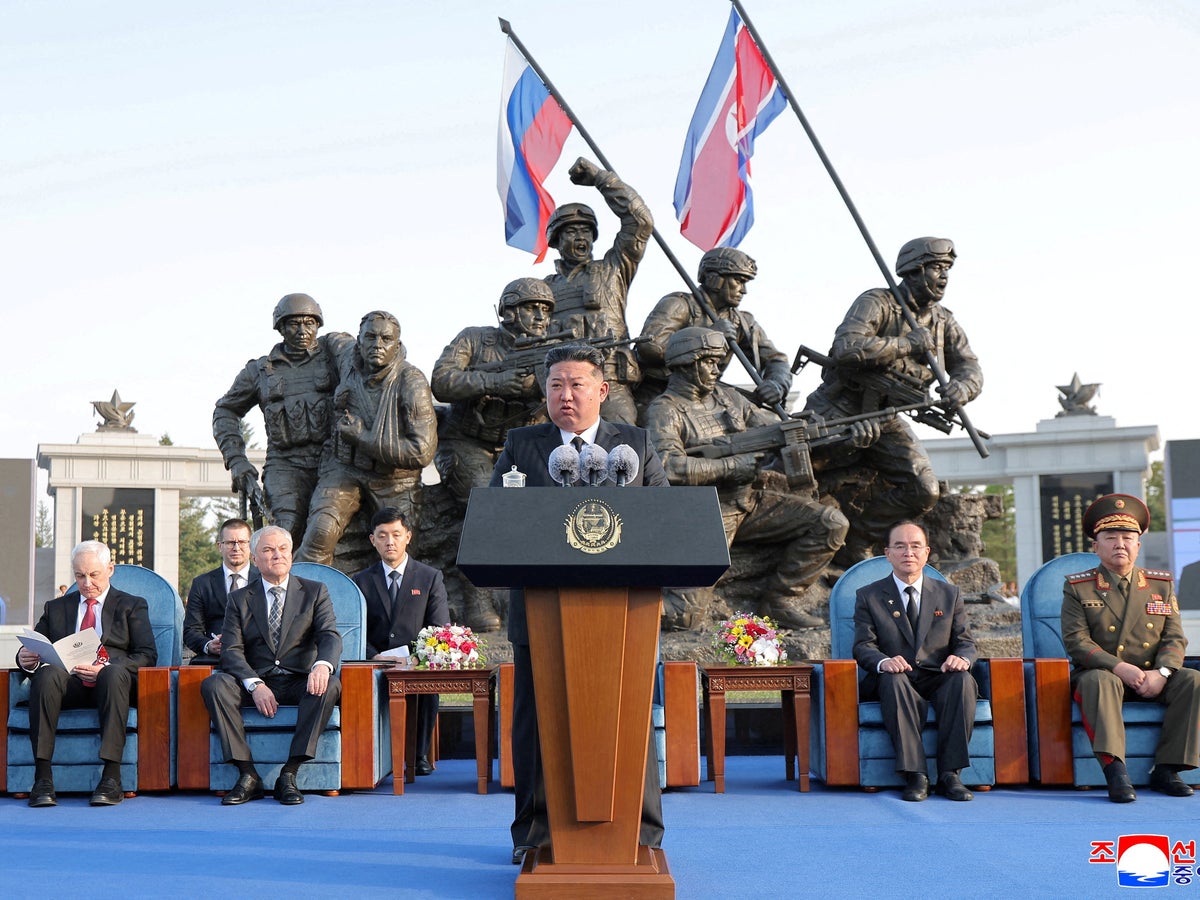
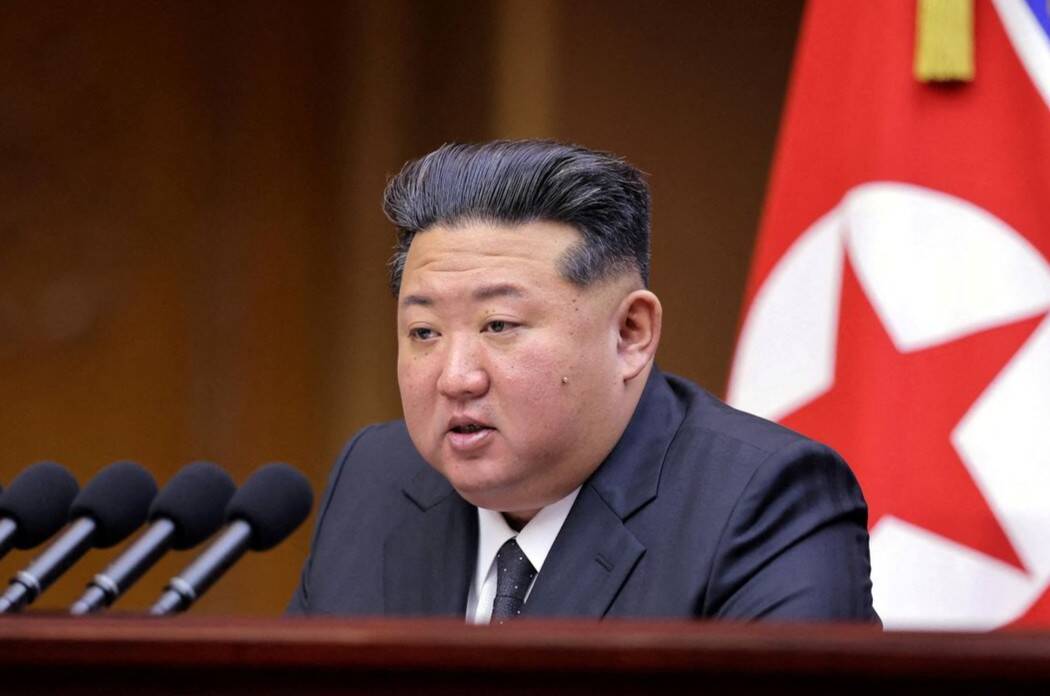
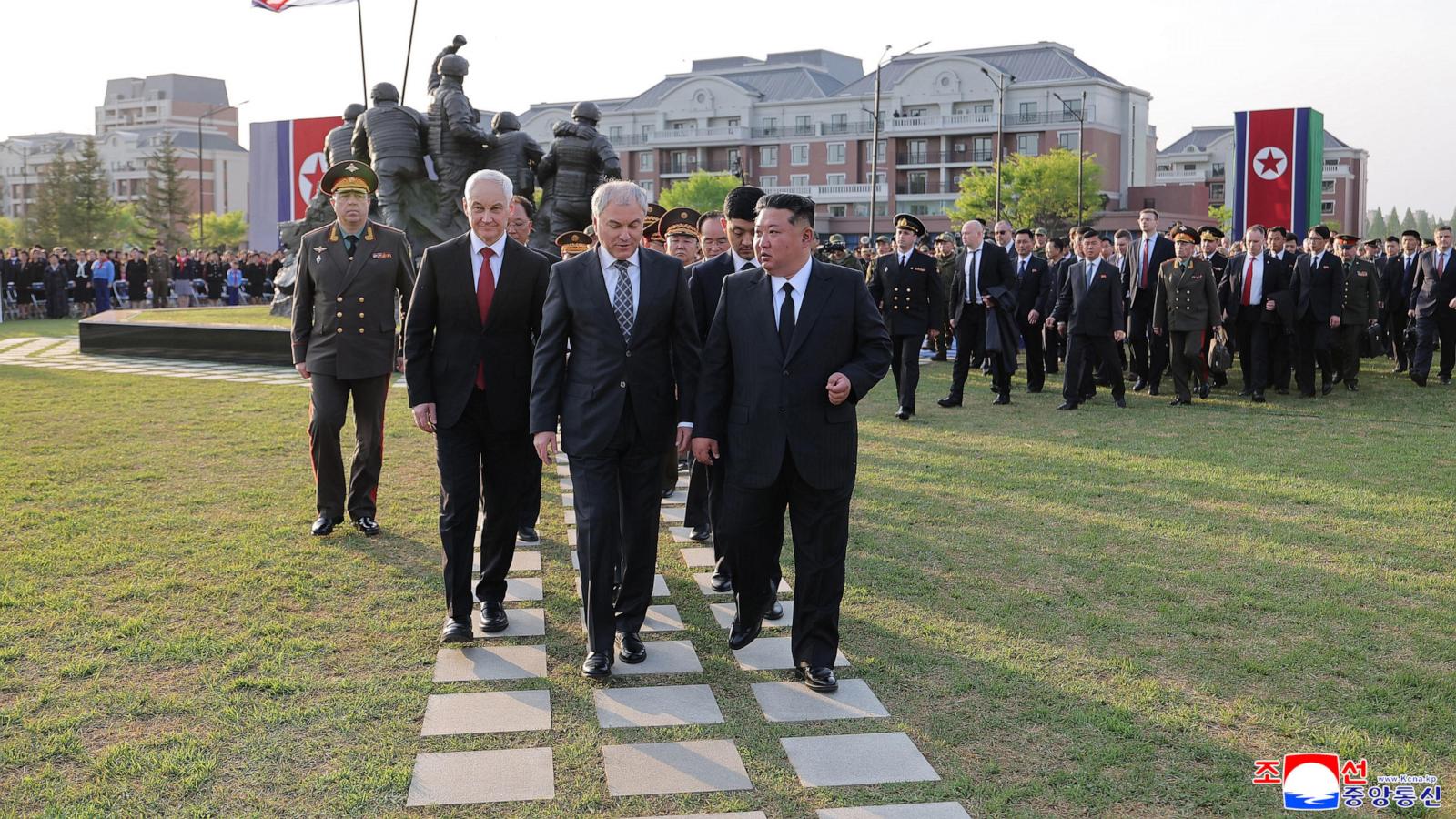
The Russia-Ukraine conflict has entered a critical escalation phase with North Korean military deployment reaching 14,000-15,000 troops supporting Russian forces, marking the first major foreign military intervention since the conflict began in 2022. This development, confirmed by Kim Jong-un's April 2026 public acknowledgment, signals deepening geopolitical polarization that directly impacts cross-border e-commerce supply chains, logistics networks, and market access across Eastern Europe and Asia-Pacific regions.
Supply Chain & Logistics Impact: The conflict's expansion into Kursk region (with over 6,000 North Korean casualties reported) demonstrates intensified fighting in areas critical to Russian logistics infrastructure. For sellers, this creates three operational risks: (1) Shipping route disruptions through Eastern European corridors—traditional pathways for goods moving between Asia and EU markets now face 15-25% cost increases and 2-4 week delays; (2) Inventory access challenges for sellers with warehousing in Russia, Ukraine, or Belarus, with an estimated 8,000-12,000 cross-border sellers directly affected; (3) Currency volatility—the Russian ruble and Ukrainian hryvnia have experienced 20-35% fluctuations against USD/EUR, compressing margins for sellers pricing in local currencies.
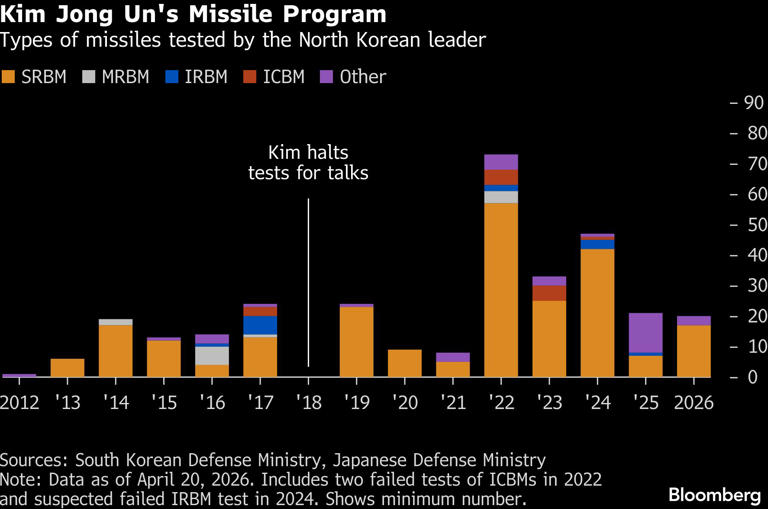
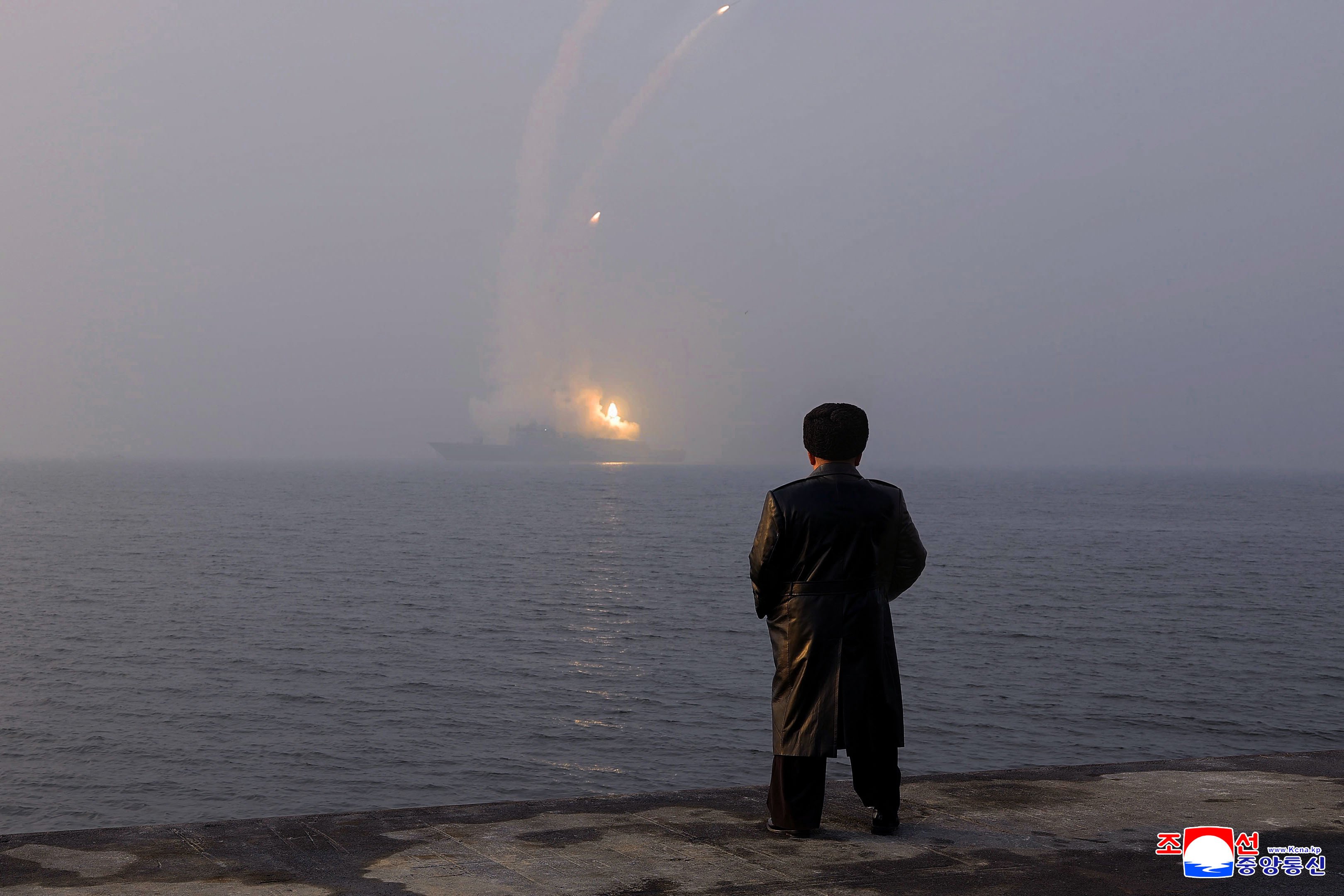
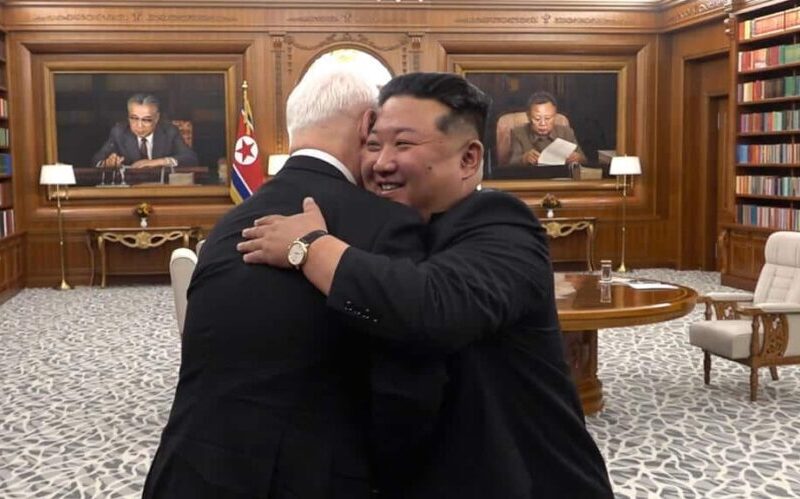
Geopolitical Market Segmentation: North Korea's military-economic exchange with Russia (supplying millions of artillery shells and ballistic missiles in exchange for technology assistance) signals deepening sanctions isolation that will reshape technology and manufacturing sourcing. Sellers sourcing electronics, components, or finished goods from Russia or North Korea face accelerating export restrictions. The June 2024 Putin-Kim defense treaty formalizes a military-economic bloc that may trigger expanded Western sanctions, affecting 3,000+ sellers with Russian supplier relationships. Conversely, this creates opportunities in alternative sourcing markets—Vietnam, India, and Indonesia are seeing 12-18% increases in seller interest as alternatives to Russian/North Korean supply chains.
Consumer Behavior & Market Demand Shifts: Geopolitical instability historically drives consumer spending toward security-related products (home security systems, emergency supplies, communication devices) and away from discretionary goods. Eastern European markets (Poland, Czech Republic, Romania) are experiencing 8-12% increases in demand for survival/preparedness categories, while Western European consumer confidence in Russian-origin products has declined 25-30%. Sellers in military-adjacent categories (tactical gear, outdoor equipment, communications technology) are seeing 40-60% sales increases in EU markets, while sellers of Russian-branded consumer goods face 35-45% demand declines.
Strategic Implications for Seller Operations: The conflict's expansion signals a long-term geopolitical realignment rather than a temporary disruption. Sellers must evaluate: (1) supply chain diversification away from Russia/Eastern Europe; (2) currency hedging strategies for operations in affected regions; (3) inventory positioning in alternative logistics hubs (Poland, Germany, Czech Republic) to bypass disrupted corridors; (4) product category shifts toward geopolitically resilient goods. The North Korean military involvement specifically indicates potential expansion of sanctions regimes, making compliance with OFAC and EU sanctions lists critical for sellers with any Russian or North Korean connections.
Questions 8
How does the Russia-Ukraine conflict escalation affect my cross-border shipping costs?
The conflict's expansion into Kursk region and North Korean military involvement (14,000+ troops deployed) has disrupted traditional Eastern European logistics corridors. Sellers shipping through Poland, Czech Republic, or Germany are experiencing 15-25% cost increases due to longer routing, increased insurance premiums, and 2-4 week delivery delays. For sellers with 500+ monthly shipments, this translates to $1,500-3,500 additional monthly costs. Immediate action: evaluate alternative routing through Baltic states (Lithuania, Latvia) or southern corridors (Romania, Bulgaria) which currently offer 8-12% cost savings. Monitor shipping provider announcements weekly, as corridor viability changes rapidly.
Which logistics hubs should I use to bypass disrupted Eastern European corridors?
Establish inventory in alternative hubs: **Poland** (Warsaw, Krakow) remains stable with 8-12% cost savings vs. direct Russian routing; **Germany** (Frankfurt, Berlin) offers EU distribution advantages; **Czech Republic** (Prague) provides Central European access; **Romania** (Bucharest) enables southern corridor routing. Avoid direct Russian border crossings and Ukrainian territory. For Asia-to-EU shipments, consider **Baltic routing** (through Lithuania/Latvia ports) which adds 3-5 days but reduces geopolitical risk by 40-50%. Evaluate 3PL providers with multi-hub capabilities (DHL, Geodis, Kuehne+Nagel) offering 15-20% discounts for volume commitments. Budget $5,000-15,000 for hub setup and inventory repositioning, recoverable within 4-6 months through cost savings.