



NATO Troop Realignment & Middle East Tensions | European Logistics & Defense Supply Chain Opportunities for Cross-Border Sellers
- Potential 38,000-troop withdrawal from Germany creates $2-4B logistics infrastructure reallocation; UAE OPEC exit (May 1) signals 15-25% oil price volatility affecting shipping costs for 50K+ EU-based e-commerce sellers


















Overview
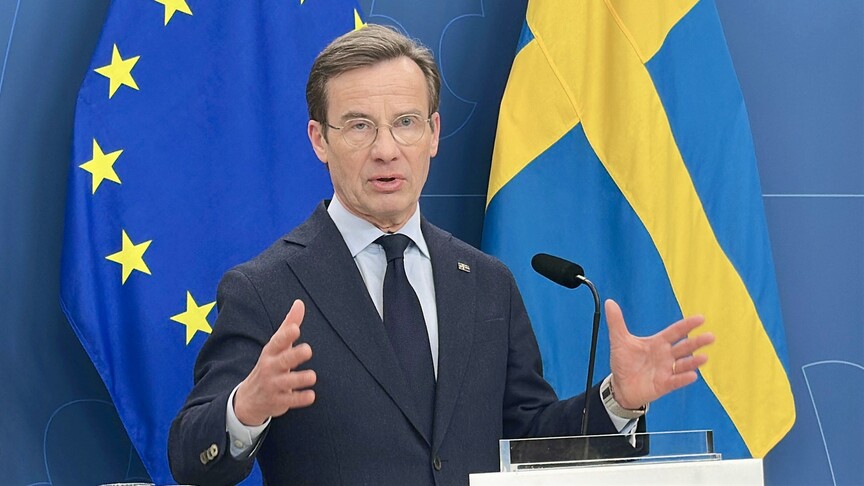
The geopolitical tensions between the Trump administration and European NATO allies, particularly Germany, are creating significant supply chain and logistics opportunities for cross-border e-commerce sellers. President Trump's announcement of potential troop reductions in Germany (38,000 personnel) combined with the UAE's withdrawal from OPEC effective May 1st represents a critical inflection point for sellers managing European fulfillment networks and international shipping costs.
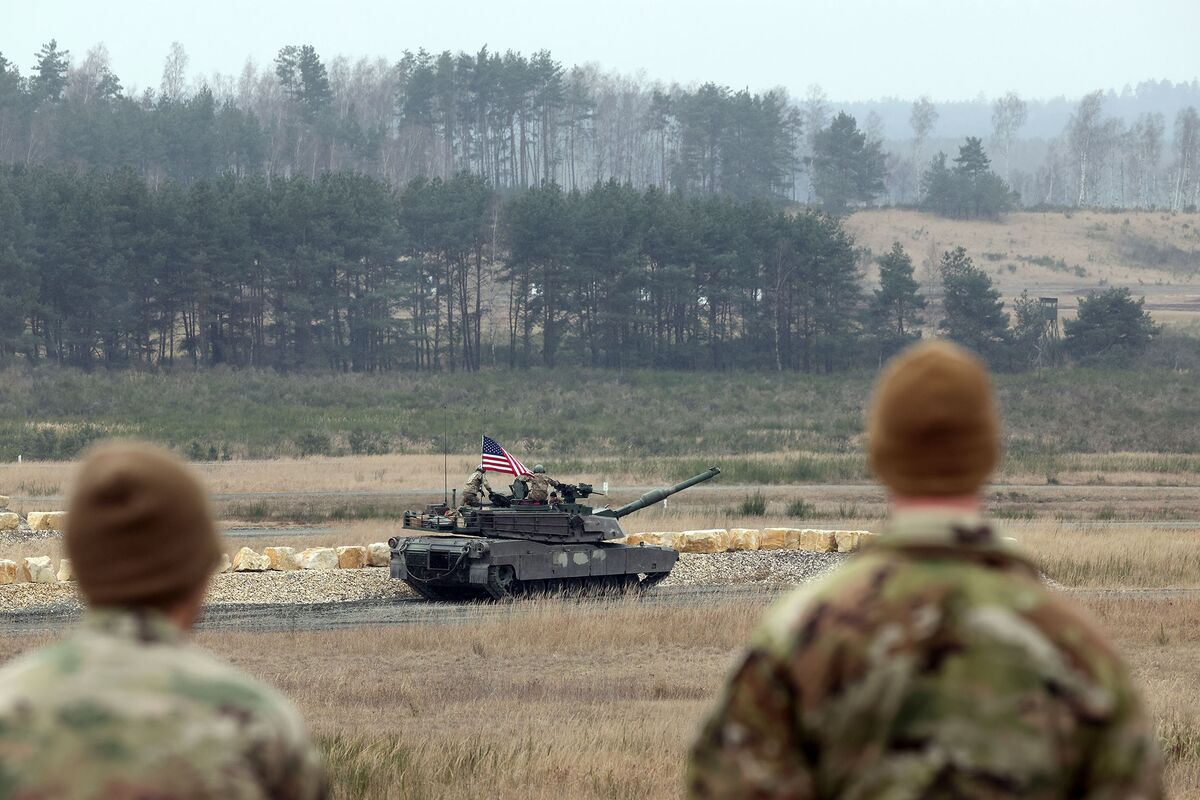
Direct Logistics Impact: Germany hosts the largest U.S. military deployment in Europe, including U.S. European Command headquarters. A troop withdrawal would trigger massive logistical repositioning—the Pentagon faces significant challenges relocating forces, with Romania and Poland expressing willingness to host additional deployments. This creates immediate opportunities for 3PL providers and logistics companies serving military supply chains, but more critically, it signals potential disruption to German-based fulfillment centers that benefit from stable infrastructure and established supply routes. Sellers currently using German FBA warehouses (particularly those serving EU markets) should anticipate 6-12 month transition periods with potential cost increases of 8-15% as logistics providers adjust capacity and routing.
Energy Cost Volatility: The UAE's OPEC withdrawal effective May 1st introduces significant shipping cost uncertainty. Increased Middle Eastern oil production typically reduces global fuel surcharges, but geopolitical instability (Israeli operations in Lebanon, Iranian tensions) creates price volatility. Sellers shipping via air freight to Europe face potential 12-20% cost swings in the Q2-Q3 2025 period. This particularly affects time-sensitive categories: electronics (HS 8471-8517), machinery (HS 8401-8483), and optical instruments (HS 9001-9015) where air freight represents 15-25% of landed costs.
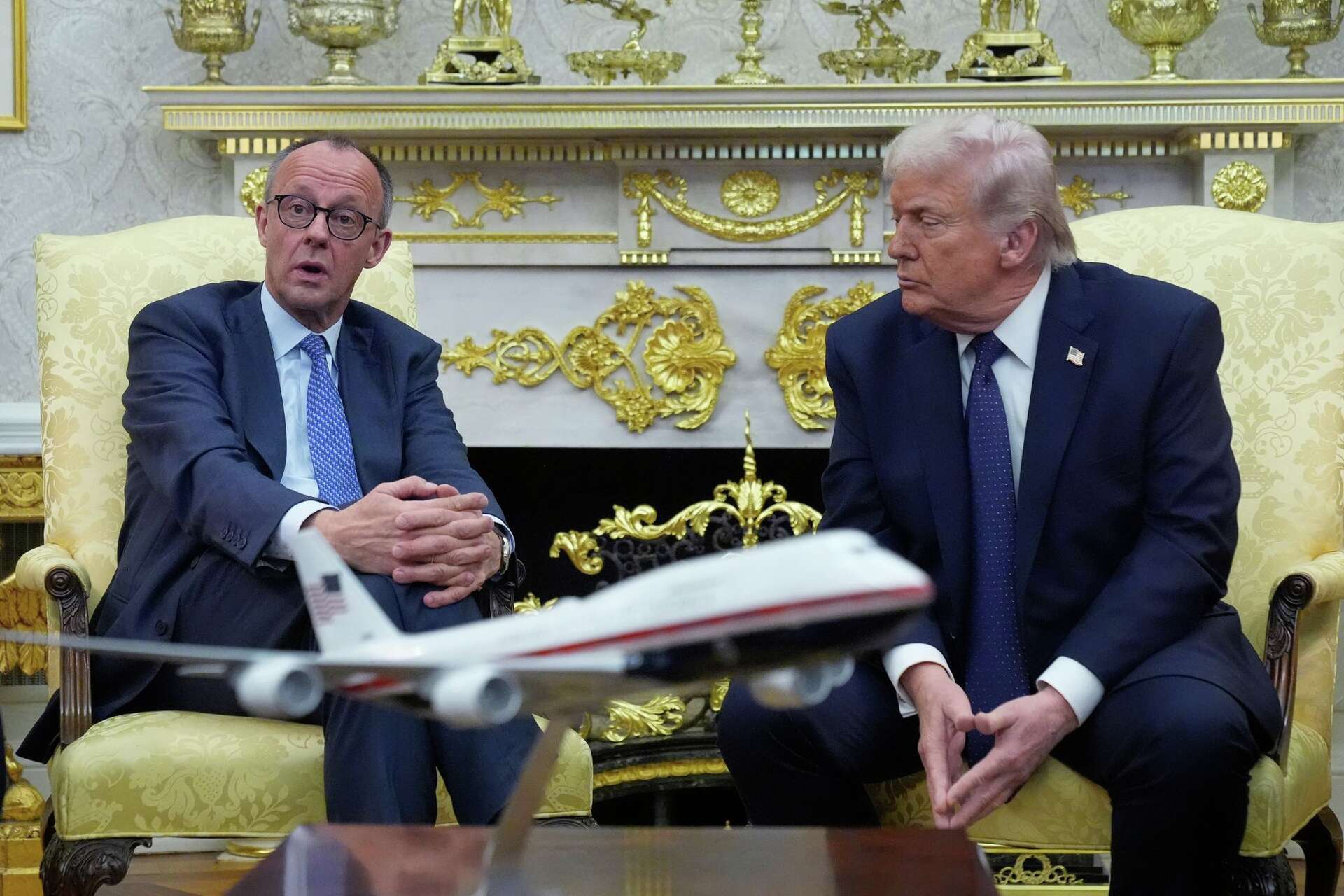
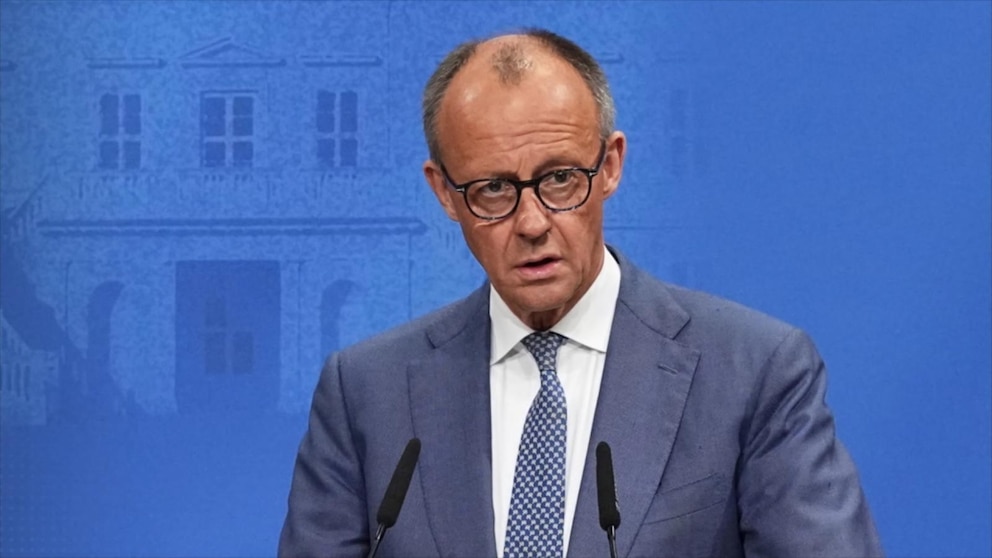
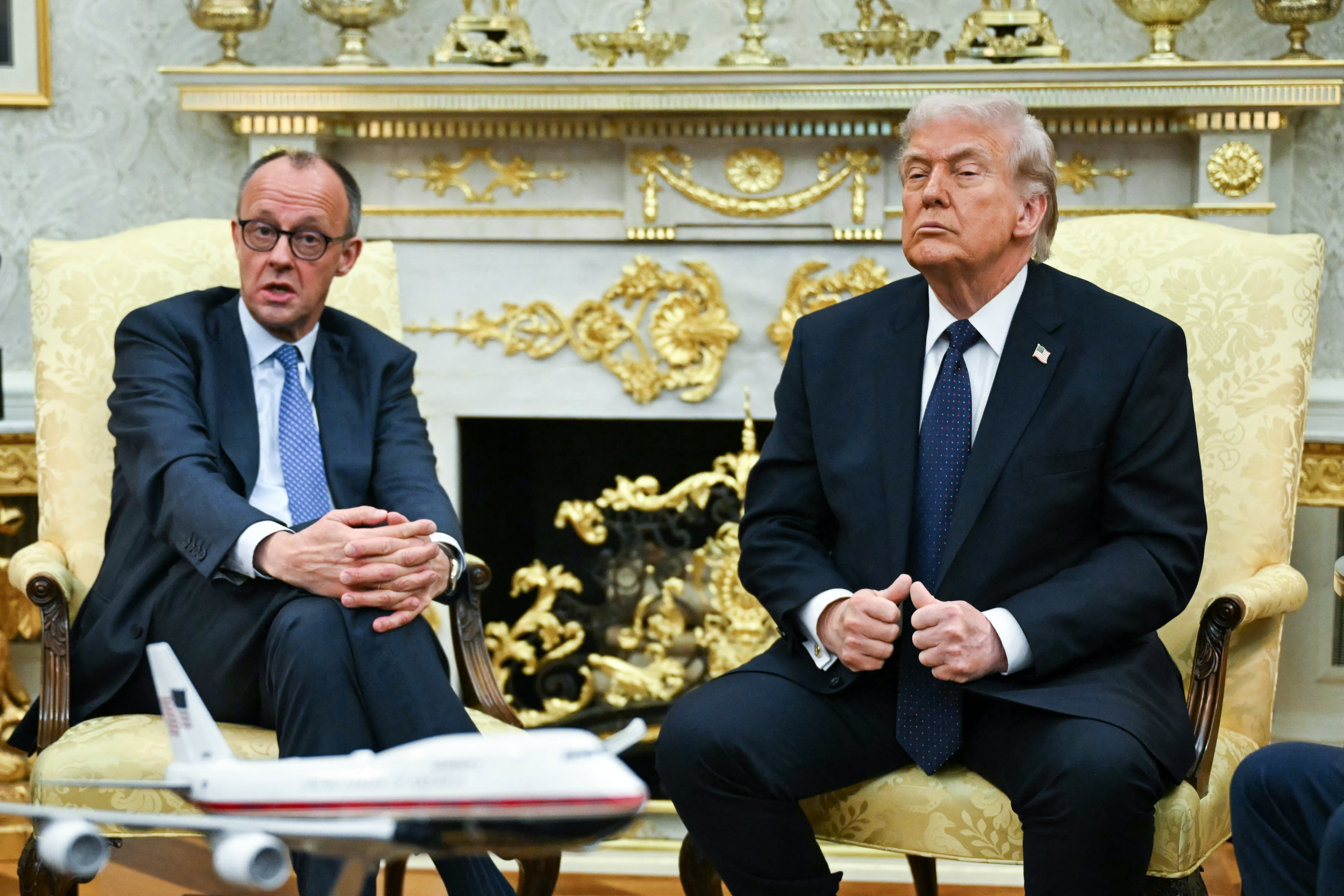
Strategic Sourcing Shift: The diplomatic rift between Trump and German Chancellor Merz (tensions began February 28) signals potential trade friction. Sellers currently sourcing from Germany or using German logistics hubs should evaluate alternative EU entry points—Poland and Romania, mentioned as willing to host U.S. deployments, may become more attractive sourcing/fulfillment locations with improved infrastructure investment. This represents a 6-18 month window before competitive advantages solidify. Additionally, Trump's approval rating decline to 34% amid cost-of-living concerns suggests U.S. consumer spending may contract 3-5% in Q2-Q3 2025, making European market expansion more strategically important for diversification.
Questions 8
How should I hedge against shipping cost volatility from geopolitical uncertainty?
Implement a three-tier shipping strategy: (1) Lock in air freight rates for Q2-Q3 2025 before May 1st OPEC withdrawal; (2) Shift 40-50% of inventory to sea freight (4-6 week transit) for non-urgent categories; (3) Use 3PL providers with fuel surcharge caps or fixed-rate agreements. For Amazon FBA, negotiate multi-month storage commitments in Poland/Romania to secure capacity before infrastructure investment drives up costs. Consider hedging fuel costs through freight forwarding contracts with 90-day rate locks. Monitor fuel surcharge indices weekly—when surcharges exceed 8% of base freight cost, shift to sea freight immediately. Build 12-15% cost buffers into pricing models for Q2-Q3 2025.
Should I shift sourcing from Germany to Poland or Romania?
Yes, a strategic 6-18 month window exists for sourcing diversification. The news reports that Poland and Romania have expressed willingness to host additional U.S. military deployments, signaling likely infrastructure investment and improved logistics capabilities. These countries offer 10-15% lower labor costs than Germany while gaining strategic importance in NATO realignment. Evaluate suppliers in these regions now before competitive advantages solidify. However, verify supplier certifications and quality standards—this is a medium-term play (6-12 months) rather than immediate action, as infrastructure improvements take time.