



Strait of Hormuz LNG Corridor Reopens | Shipping Cost Relief for Asian E-Commerce Sellers
- First successful LNG tanker transit in 2 months signals potential 8-15% freight cost reduction for sellers sourcing from Asia-Pacific and Middle East

















Overview
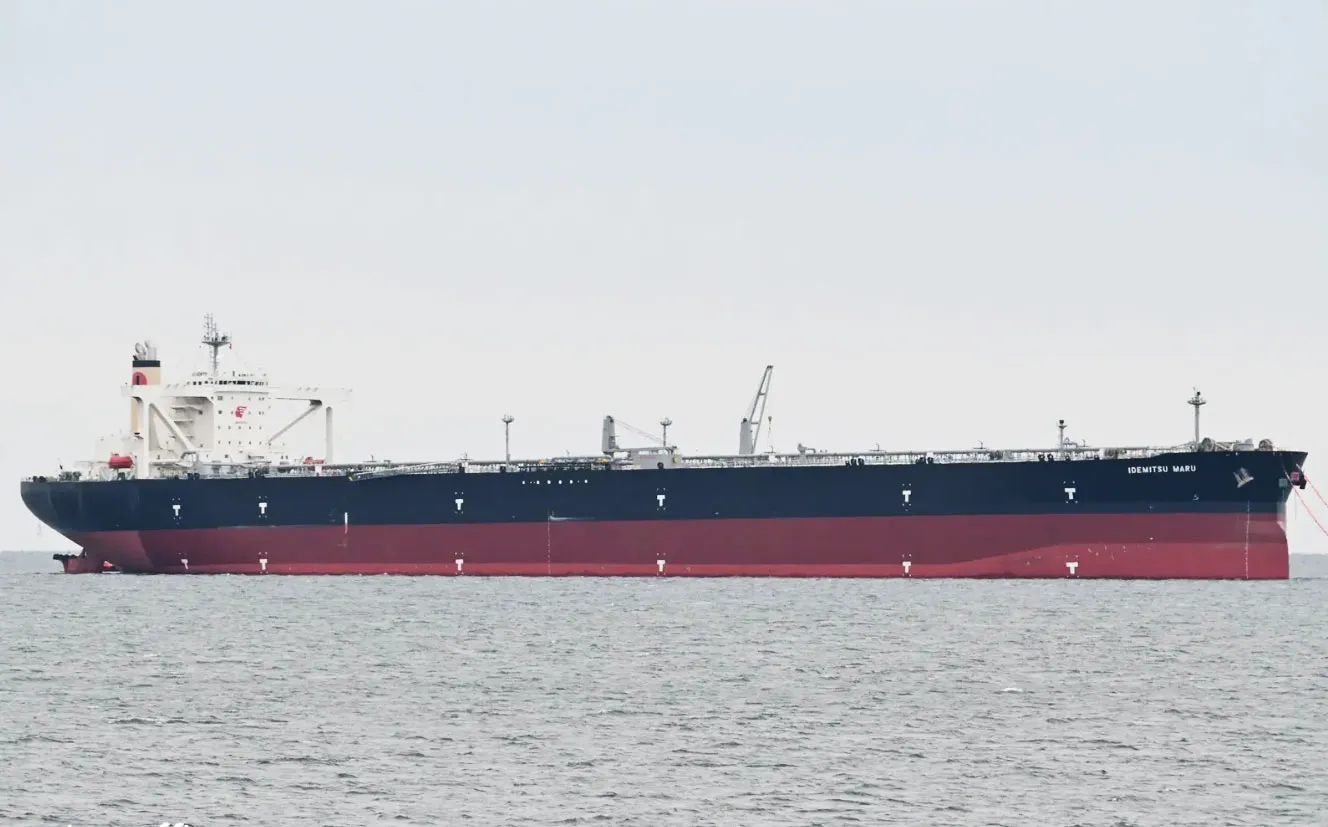
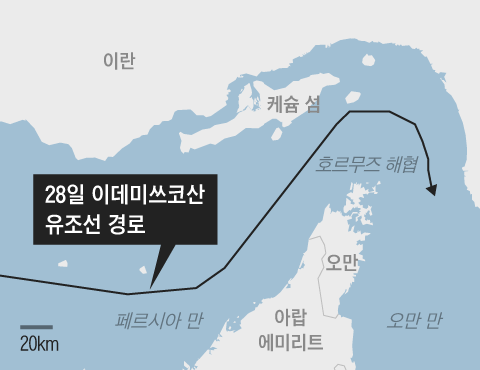
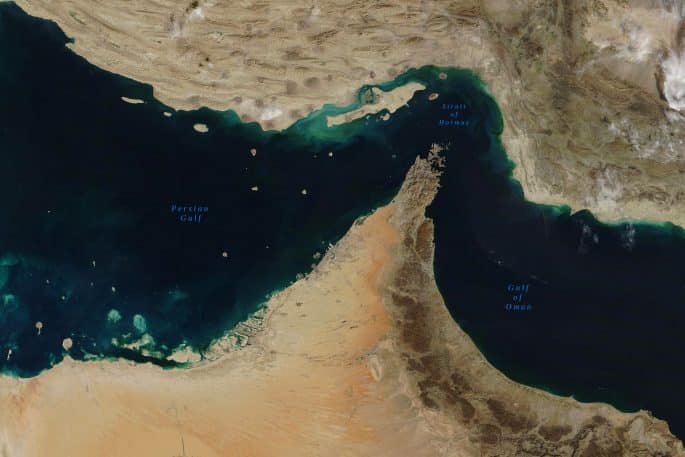
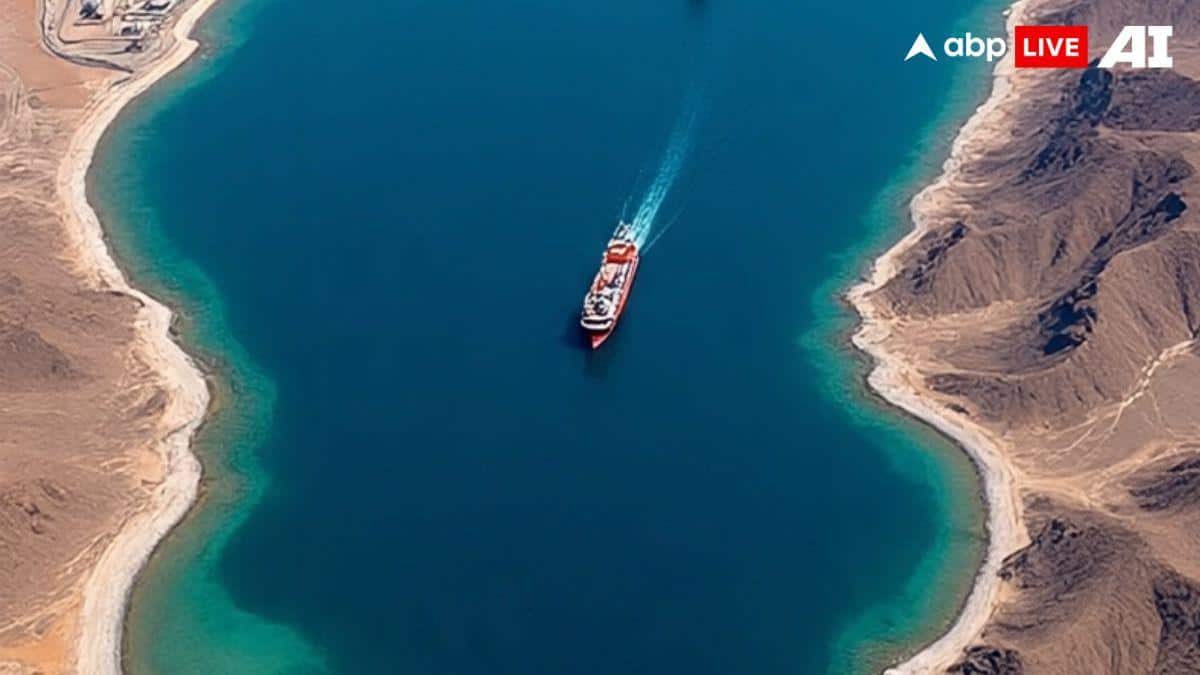
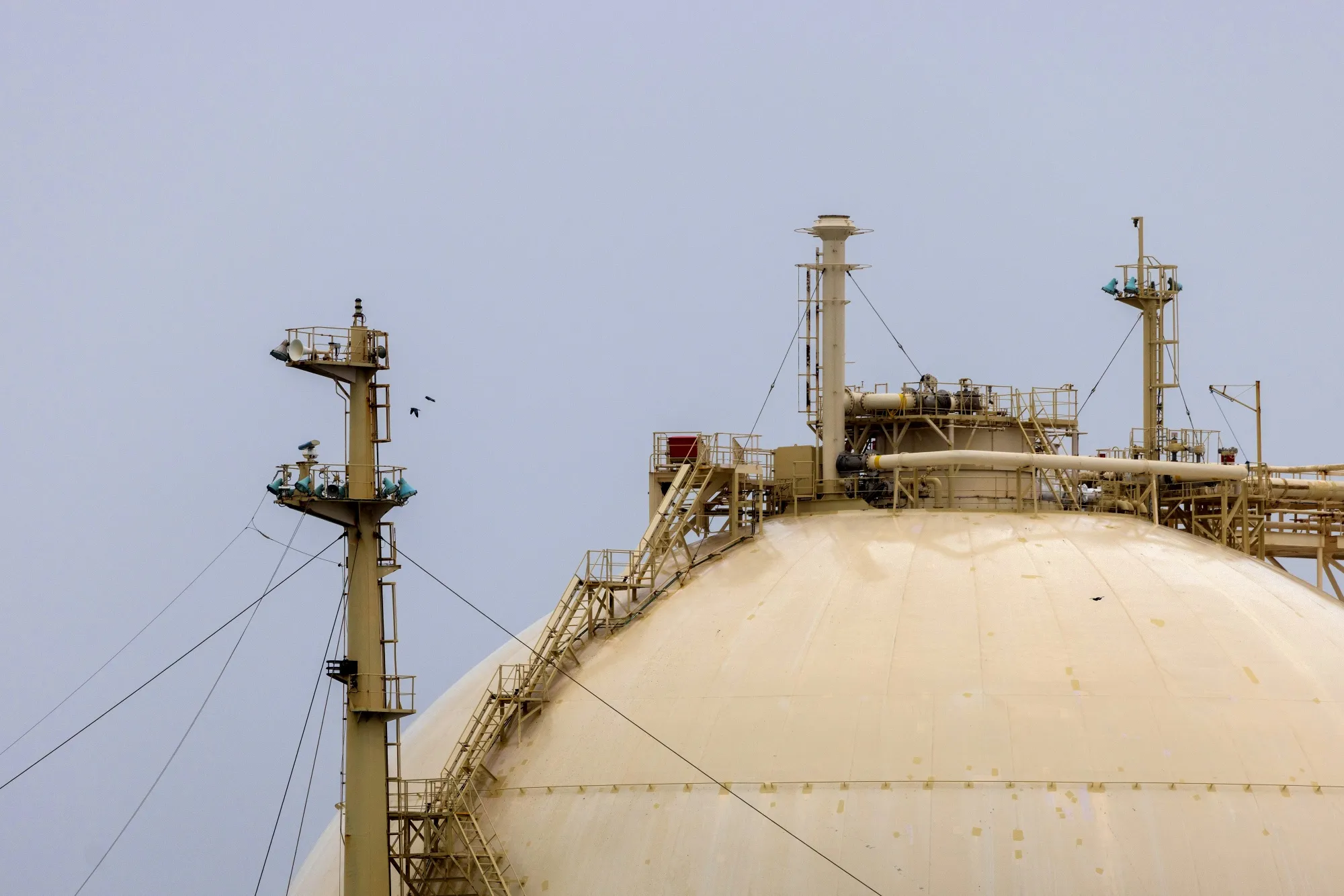
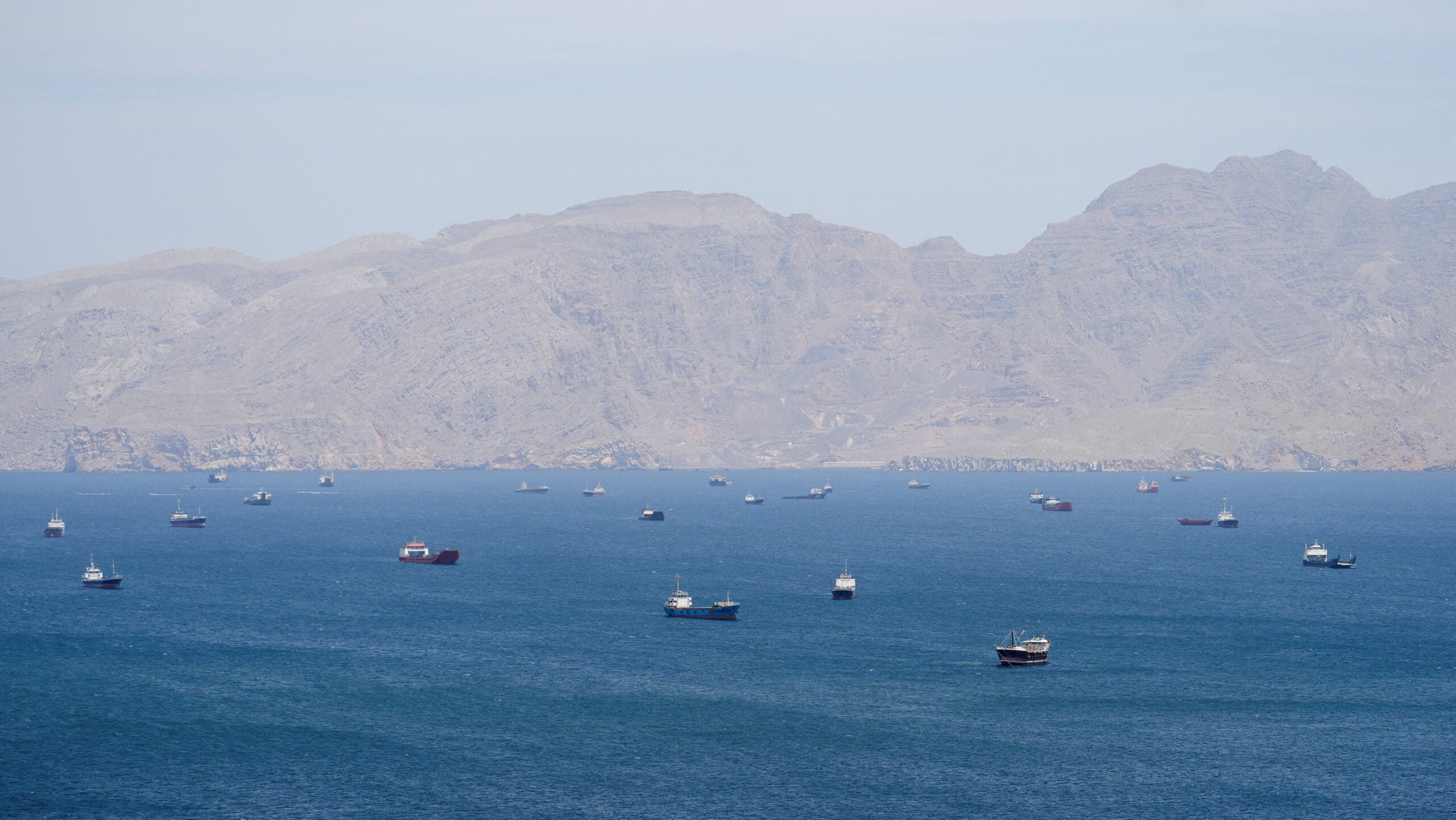
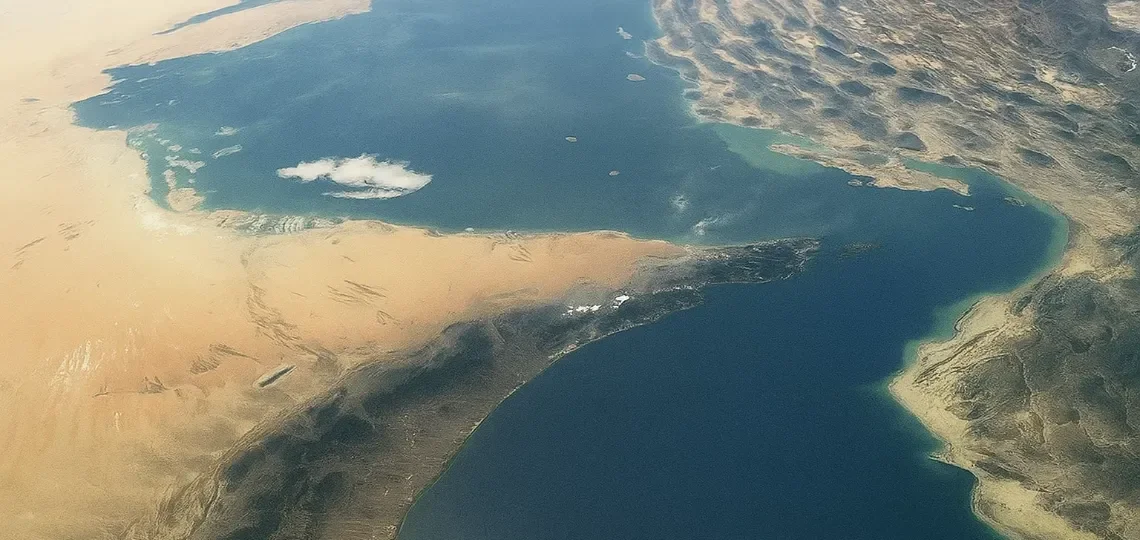
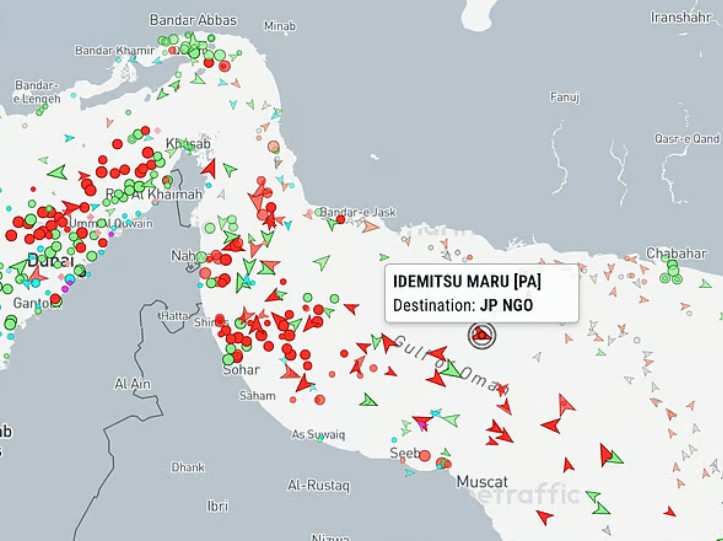
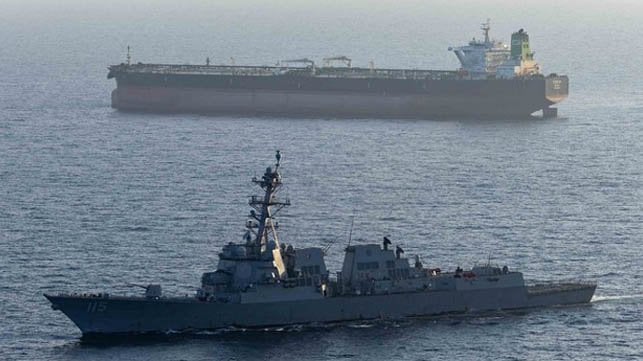
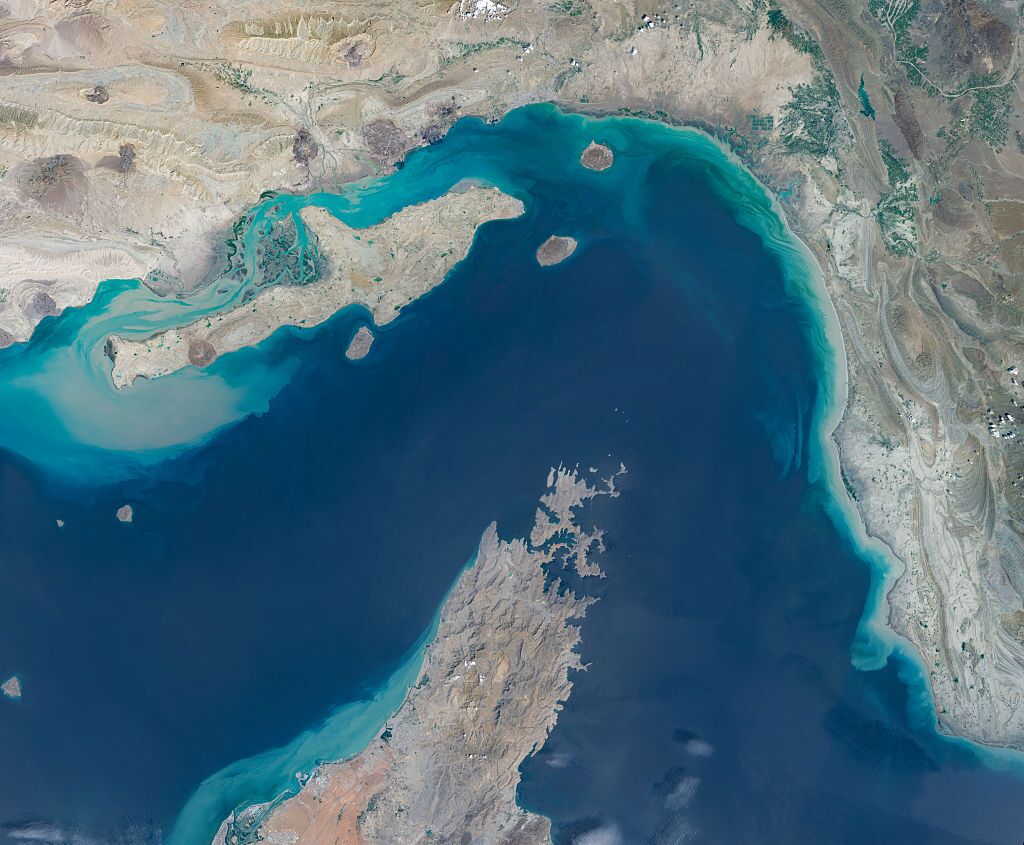
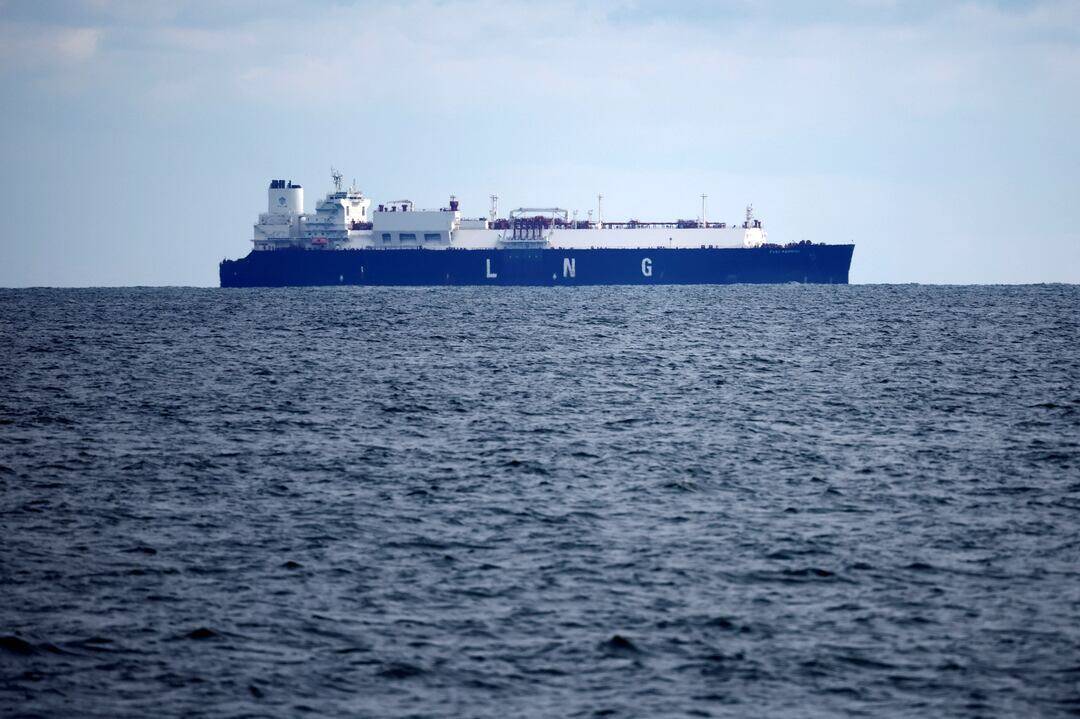
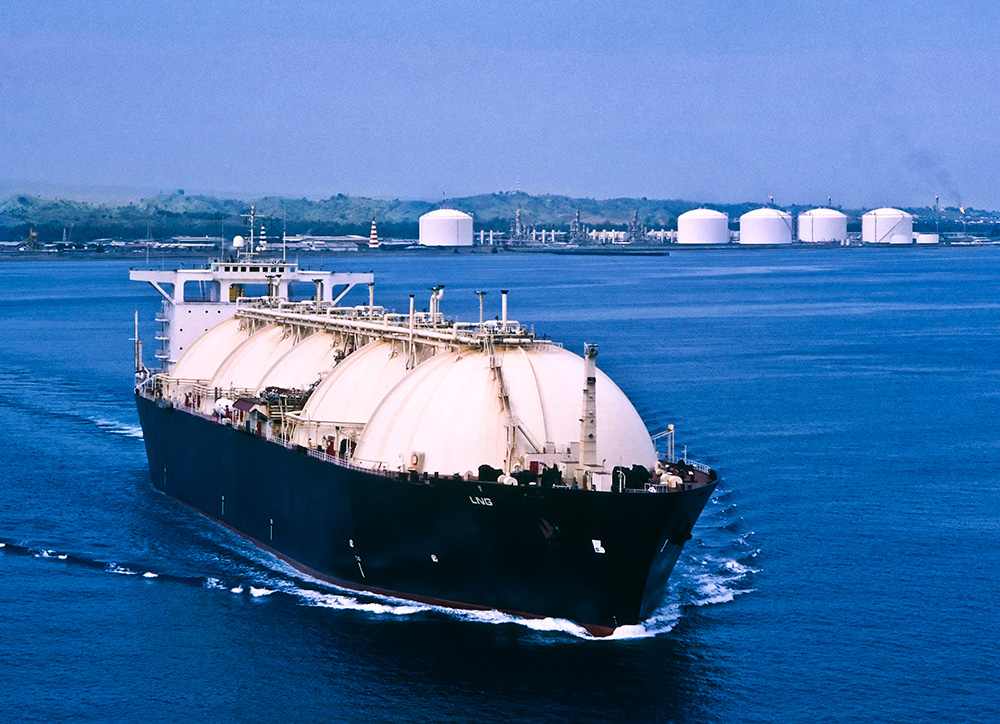
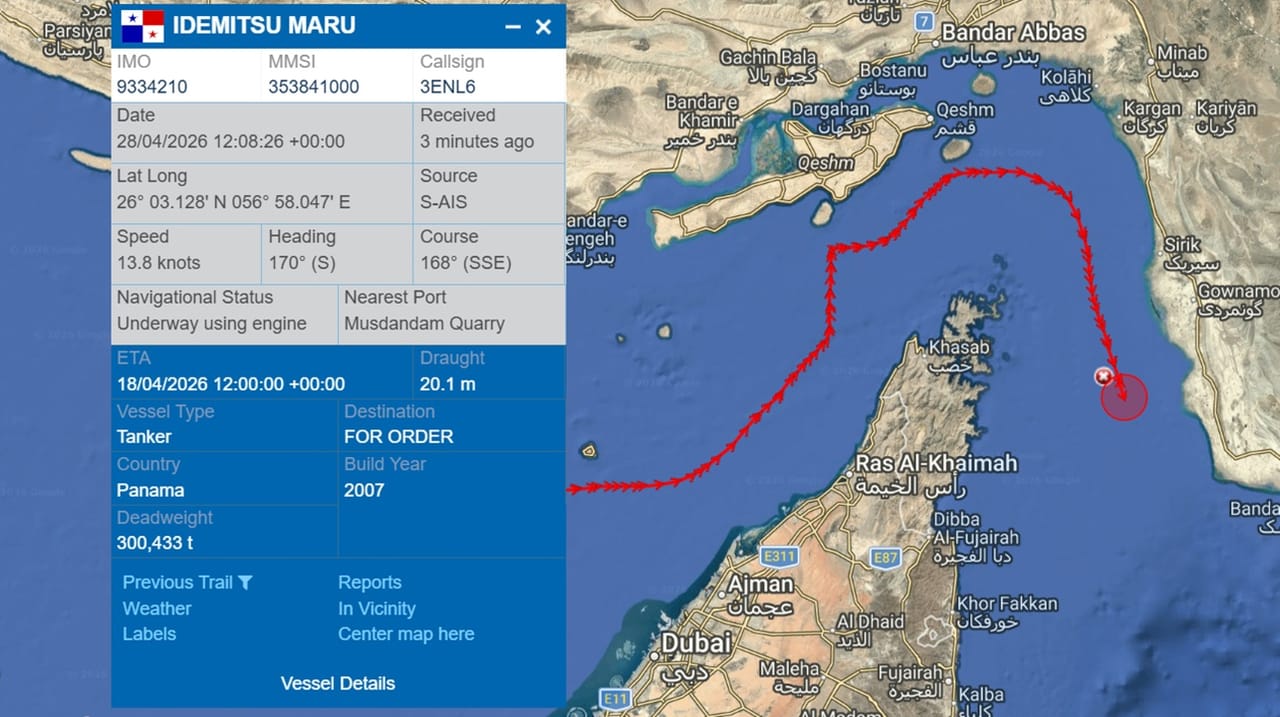
The successful passage of the first fully loaded LNG tanker through the Strait of Hormuz since the Iran-U.S. conflict began in late February 2026 represents a critical turning point for global cross-border e-commerce logistics. The blockade had effectively halted the transit of approximately 20% of the world's LNG supply destined for Asian markets—a corridor that previously averaged three laden tankers daily in 2025. This disruption directly inflated shipping rates, warehouse operations costs, and overall supply chain expenses for sellers reliant on Asian manufacturing hubs and Middle Eastern energy resources.
For cross-border sellers, the operational impact is substantial and immediate. Energy costs represent 30-40% of total logistics expenses in Asia-Pacific fulfillment networks. The two-month blockade forced sellers to absorb elevated freight premiums of 12-18% above pre-conflict baseline rates, compressing margins by 200-400 basis points for high-volume sellers shipping 1,000+ units monthly. Sellers sourcing electronics, apparel, and consumer goods from Vietnam, Thailand, and India faced the steepest cost increases, as these manufacturing regions depend on Middle Eastern LNG for power generation and industrial operations. The reopening of this corridor signals potential relief: industry analysts project freight costs could decline 8-15% over the next 60-90 days as sustained LNG transits stabilize energy prices across Asia-Pacific logistics hubs.
The timing window is critical for strategic repositioning. While this single transit does not guarantee normalized shipping, it represents the first positive signal in two months. Sellers should immediately audit their 3PL provider contracts—many include force majeure clauses that expire 30-60 days after blockade resolution, creating a narrow window to renegotiate rates before carriers lock in new pricing. Amazon FBA sellers shipping from Asia-Pacific fulfillment centers should monitor inbound freight costs through Seller Central; early indicators suggest Q3 2026 shipments could see 10-12% cost reductions compared to Q2 rates. Sellers with inventory stuck in transit during the blockade should prioritize clearing backlog inventory to capitalize on margin recovery before competitors flood the market with similar products.
Geopolitical uncertainty remains the primary risk factor. The news explicitly notes that "geopolitical tensions remain acute" and future transits depend on "diplomatic developments and security conditions in the Persian Gulf region." Sellers should maintain contingency plans: diversify sourcing to non-Middle East energy-dependent regions (Mexico, Eastern Europe), increase safety stock by 15-20% to buffer against potential future disruptions, and establish relationships with alternative 3PL providers in Southeast Asia and South Asia to reduce single-corridor dependency. The situation remains fluid, making this a 60-90 day window for tactical advantage before market normalization occurs.
Questions 8
What inventory management actions should I take immediately?
First, audit inventory stuck in transit during the blockade and prioritize clearing it before competitors flood the market with similar products. Second, review your current inventory levels in Asia-Pacific fulfillment centers—if you're overstocked, accelerate sales through promotional pricing to reduce carrying costs before freight rates decline and competitors increase supply. Third, plan Q3 2026 inventory replenishment to arrive 30-45 days out to capture freight cost savings. Fourth, update your product pricing models to reflect anticipated 8-15% cost reduction, but hold price reductions for 15-20 days to maximize margin recovery before market-wide price compression occurs. Monitor competitor pricing daily during the transition period.
Are there tariff or customs implications from the Strait reopening?
The blockade disruption itself doesn't change tariff rates, but the geopolitical conflict may trigger new trade restrictions. Monitor US and EU trade policy announcements regarding Iran-linked entities and Middle East shipping. Some sellers may face customs delays if their shipments were routed through alternative corridors during the blockade—verify your current shipments' origin documentation to avoid compliance issues. The reopening may also trigger increased customs scrutiny as authorities verify goods didn't transit through sanctioned routes. Ensure your HS codes, origin declarations, and commercial invoices are accurate for all Asia-Pacific shipments. Consult your customs broker if you have shipments from February-April 2026 that took unusual routing.