



Strait of Hormuz Blockade Drives Oil to $119 | E-Commerce Shipping Cost Crisis
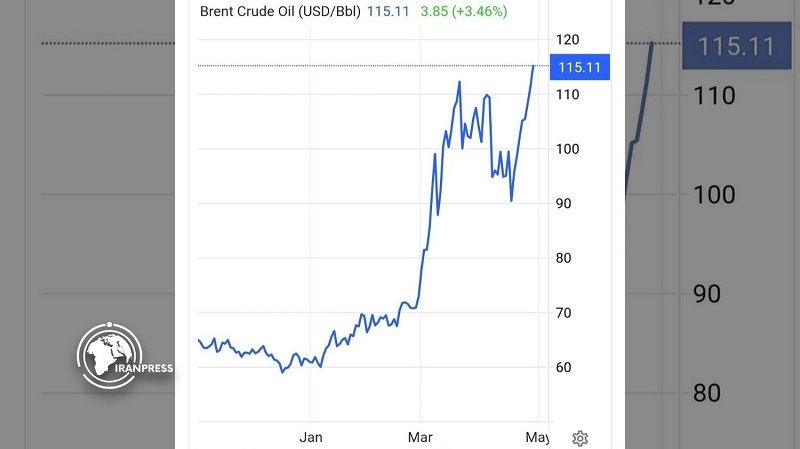
- Brent crude surges 32% from $90 to $119 since Feb 28 conflict; shipping surcharges hit 8-15% for FBA sellers; extended standoff threatens 6-month margin compression


























Overview
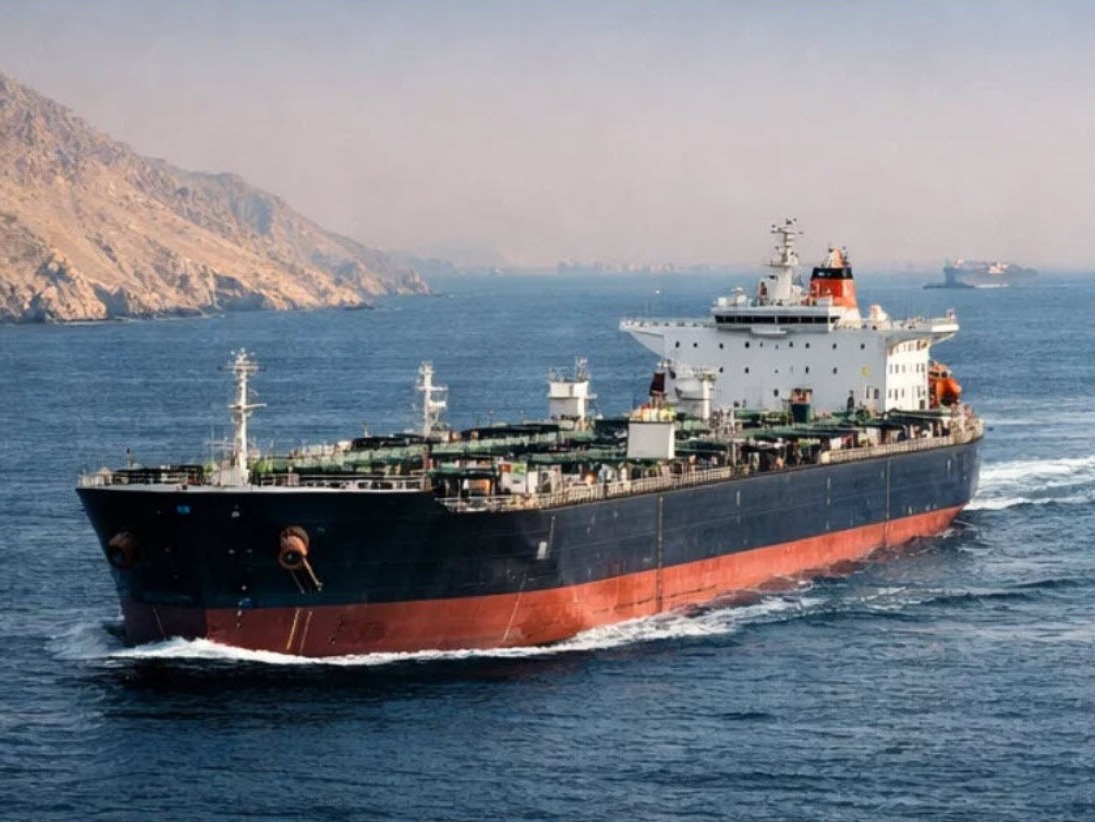
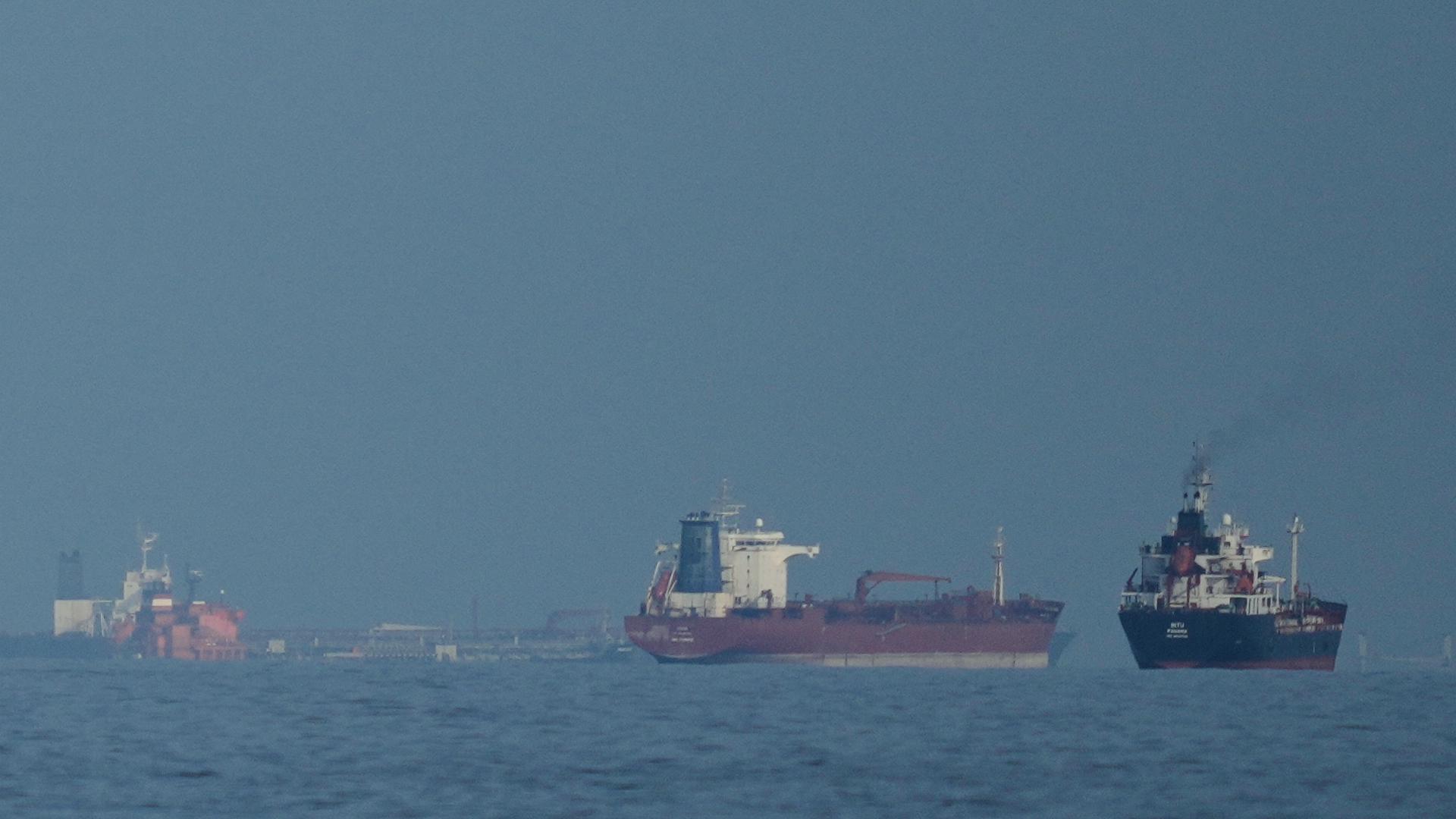
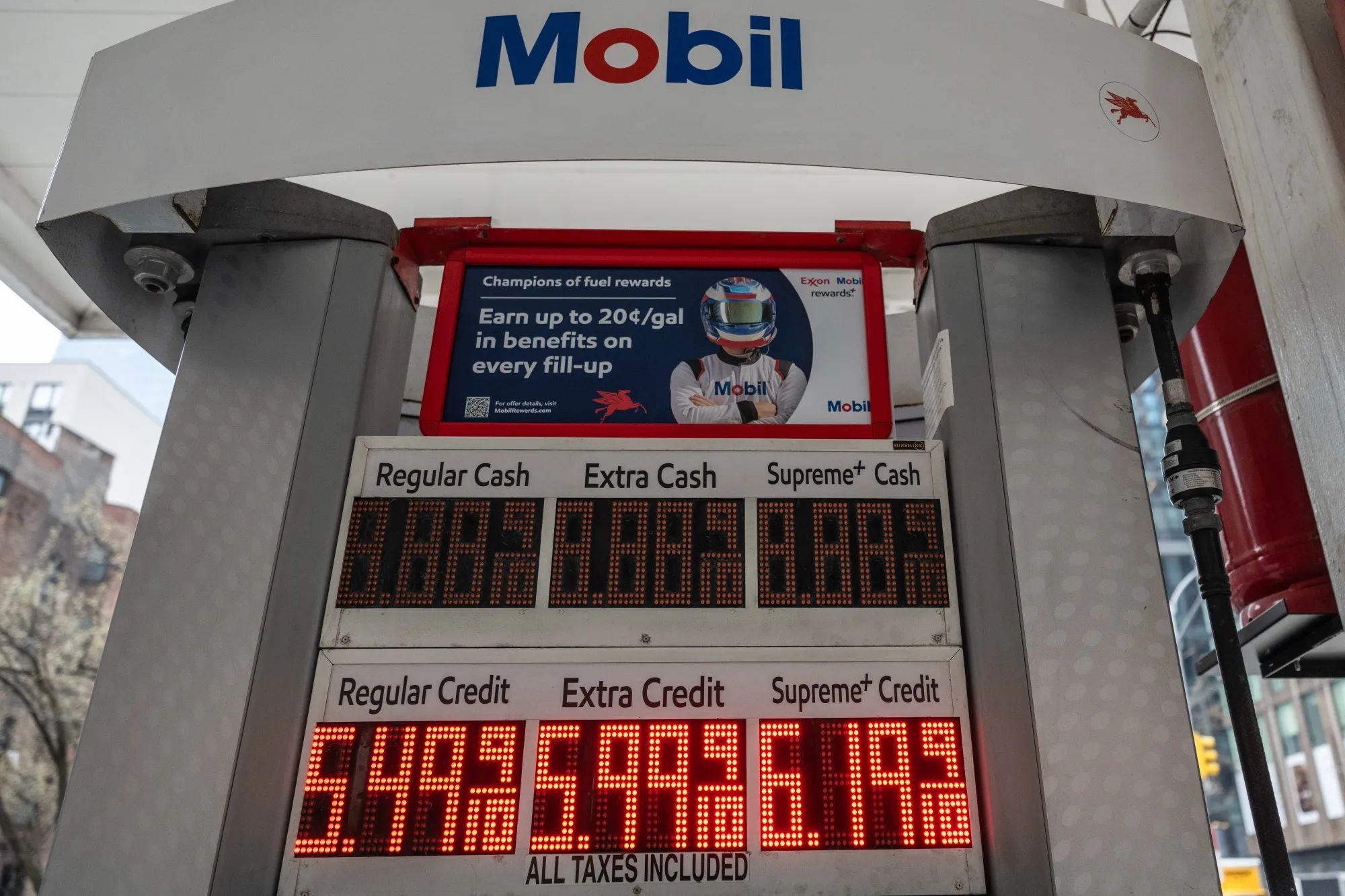
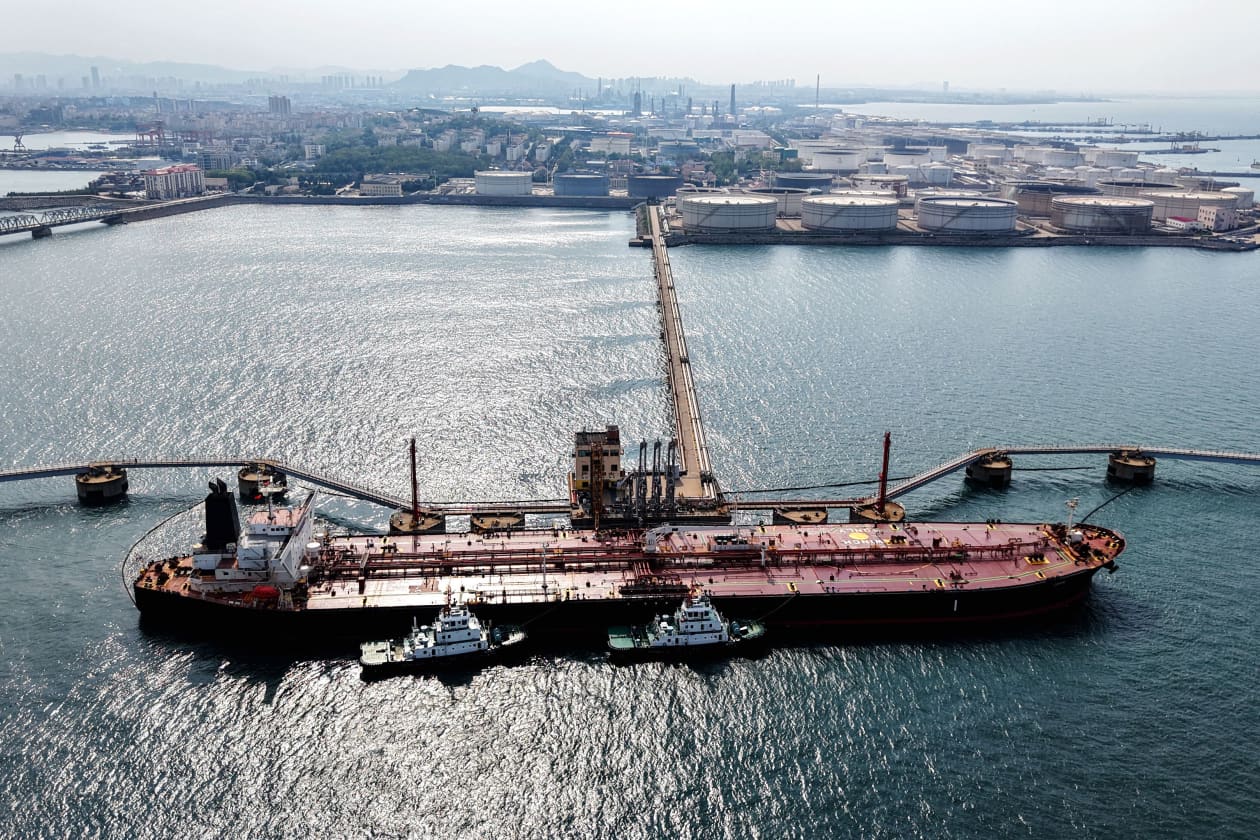
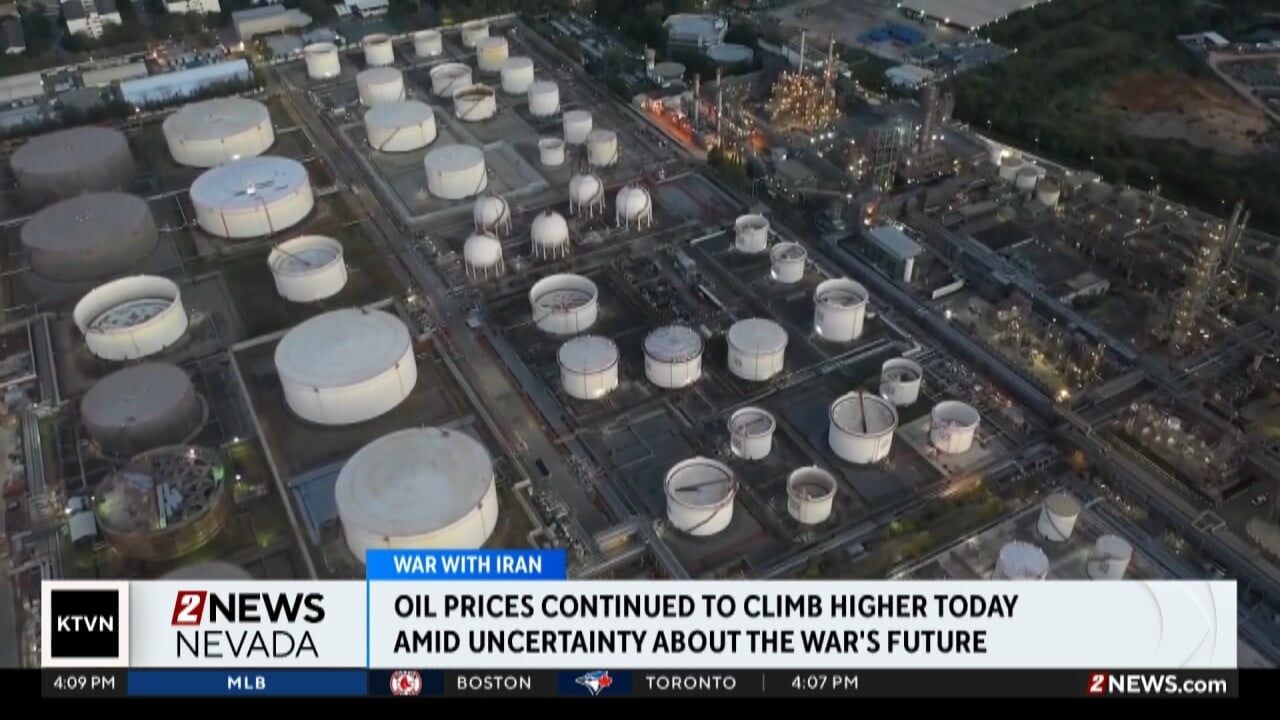
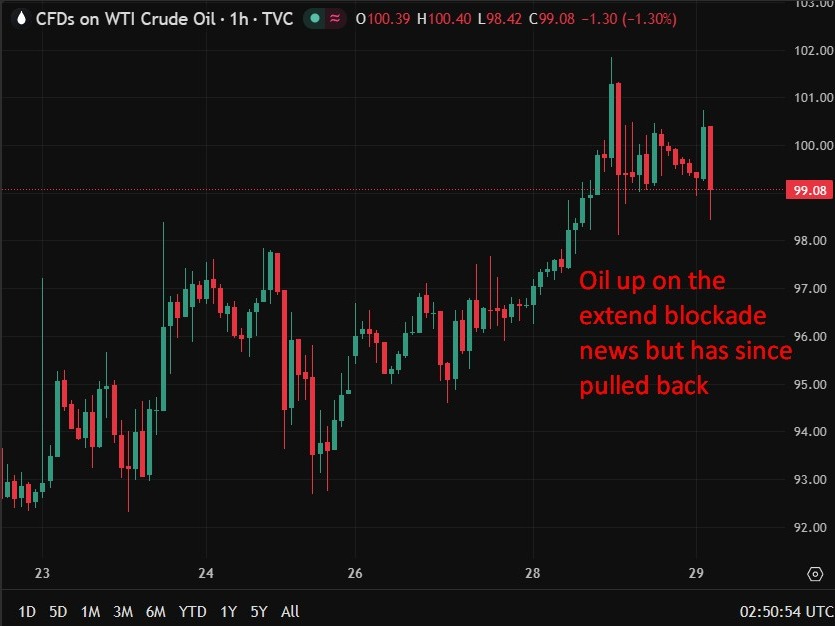
The Iran-Israel conflict and subsequent US blockade of Iranian ports has created a critical logistics cost crisis for cross-border e-commerce sellers. Brent crude oil has surged from $90 in April to $119 per barrel—a 32% increase—following Trump administration orders for an extended blockade of Iran's ports, with the Strait of Hormuz (carrying approximately one-third of seaborne oil globally) effectively closed for weeks. The World Bank forecasts energy prices could surge an additional 24% in 2026 if disruptions persist through May, creating a compounding cost environment for sellers.
Direct Seller Impact: Shipping Cost Escalation The elevated oil prices translate immediately into increased freight rates across all major logistics providers. FedEx, UPS, and DHL have historically applied fuel surcharges of 8-15% during oil price spikes above $110 per barrel. For a typical Amazon FBA seller shipping 1,000 units monthly via ocean freight, this represents an additional $200-400 in monthly logistics costs. Air freight and expedited shipping face even steeper increases—sellers relying on these methods for time-sensitive inventory face 12-18% cost increases. The geopolitical uncertainty also creates supply chain volatility, with shipping delays extending 2-4 weeks as vessels reroute around the Strait of Hormuz through longer alternative routes (Suez Canal, around Africa).
Packaging Material Cost Inflation Beyond shipping, petroleum-derived packaging materials (plastic films, foam cushioning, polyethylene mailers) represent 5-12% of COGS for most e-commerce products. With crude oil at $119, packaging suppliers are implementing 6-10% price increases effective immediately. Sellers operating with thin margins (5-8% net profit) face margin compression of 40-60% without corresponding price increases to customers. The extended standoff signals this is not a temporary spike—market analysts note investors no longer expect quick Strait of Hormuz reopening, suggesting 6-12 month duration for elevated costs.
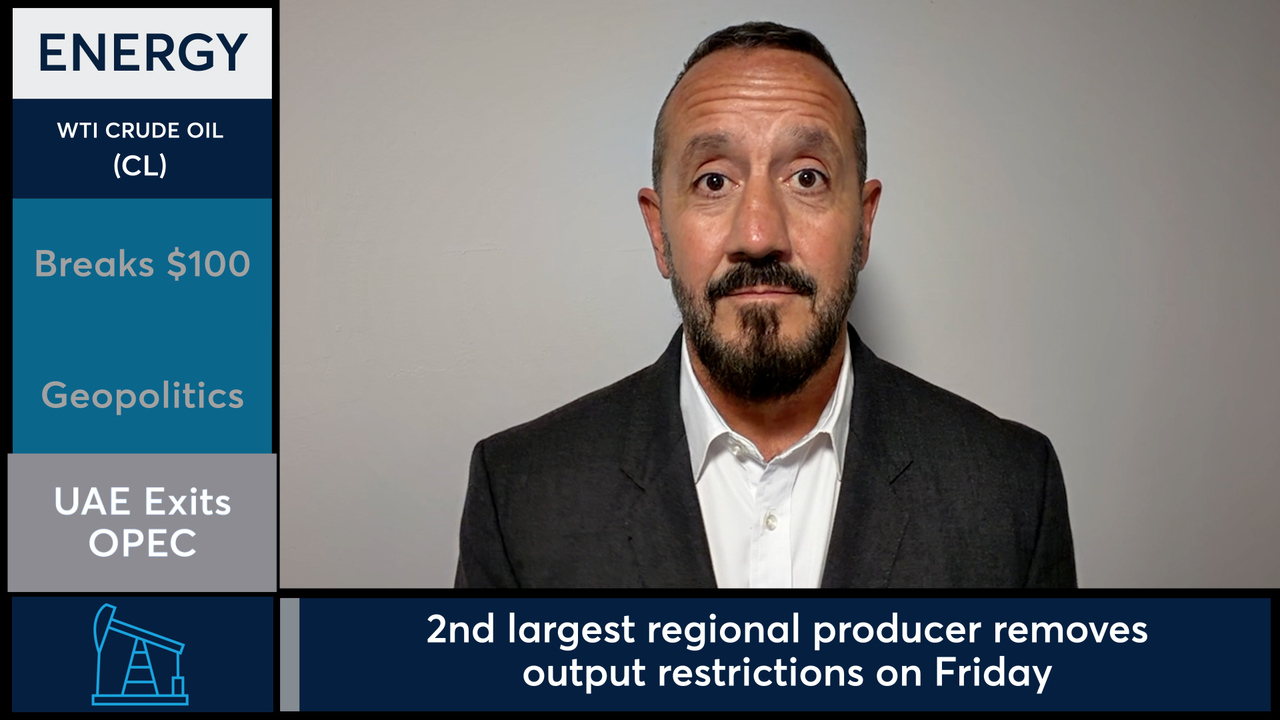
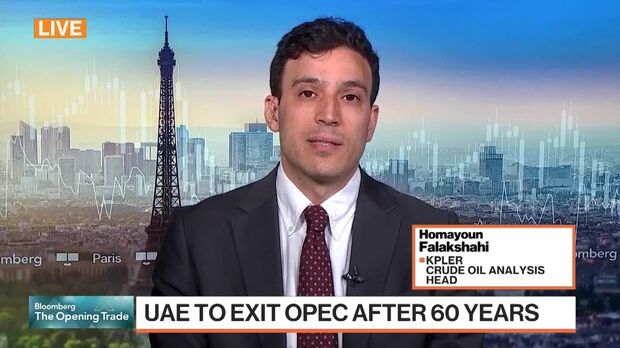
Strategic Sourcing Implications The blockade creates opportunities for sellers to shift sourcing away from Middle East-dependent supply chains. Vietnam, India, and Southeast Asian manufacturers are becoming more attractive alternatives, as they avoid the Strait of Hormuz shipping corridor entirely. Sellers currently sourcing from China or the Middle East should evaluate Vietnam (electronics, textiles) and India (apparel, home goods) as cost-neutral alternatives that bypass the geopolitical risk premium. The UAE's shock exit from OPEC effective May 1 signals further cartel instability, suggesting oil price volatility will persist through Q2-Q3 2026.
Questions 8
How does the UAE's exit from OPEC affect oil prices and seller logistics costs?
The UAE's withdrawal from OPEC effective May 1 signals cartel cohesion breakdown and suggests sustained oil price volatility rather than stabilization. While Trump endorsed the exit as potentially beneficial for lowering prices, the near-term impact is increased uncertainty and risk premiums in energy markets. Strategists at ING note the primary driver remains Persian Gulf developments and Strait of Hormuz reopening timing. Sellers should monitor OPEC developments as leading indicators for oil price direction, but assume elevated costs persist through mid-2026 regardless of cartel dynamics.
Should sellers shift sourcing from China to Vietnam or India due to the Iran blockade?
Yes, Vietnam and India represent strategic sourcing alternatives that bypass the Strait of Hormuz shipping corridor entirely. Vietnam is particularly attractive for electronics and textiles, while India offers competitive pricing in apparel and home goods. These countries avoid the geopolitical risk premium embedded in Middle East-dependent supply chains. Sellers should evaluate sourcing costs (typically 5-8% lower in Vietnam for electronics) and shipping timelines (similar to China routes) when making sourcing decisions. The shift also provides supply chain diversification benefits beyond the current crisis.