



Strait of Hormuz Blockade Drives Oil to $119 | Critical Logistics Cost Impact for E-Commerce Sellers
- Brent crude surges 32% from $90 to $119 per barrel; shipping costs increase 8-15% for cross-border sellers; extended geopolitical standoff signals sustained elevated energy prices through Q2-Q3 2026



















Overview
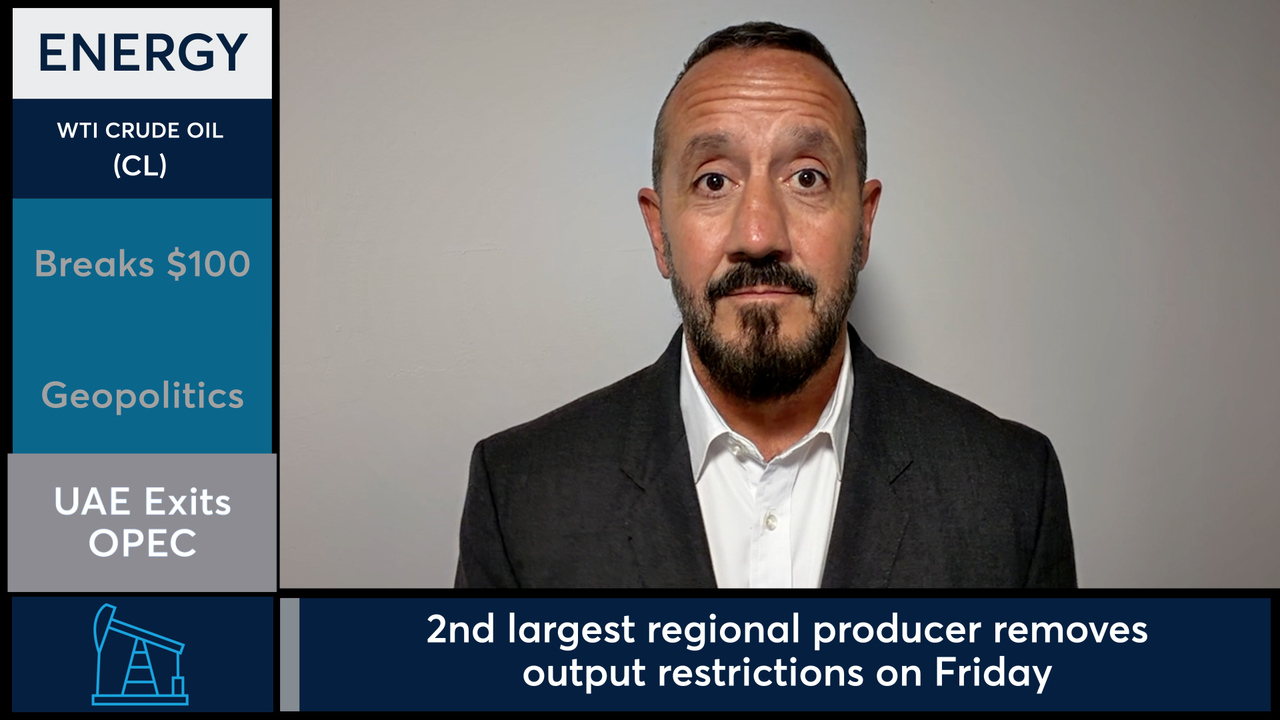
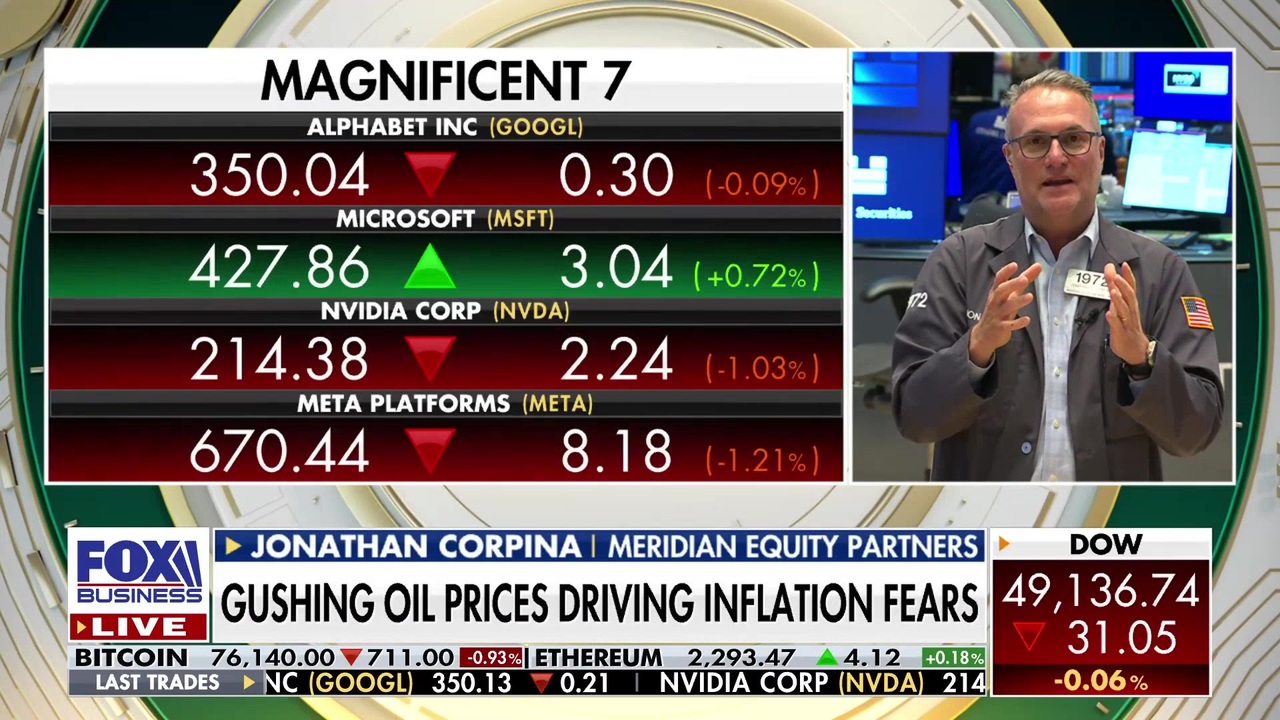
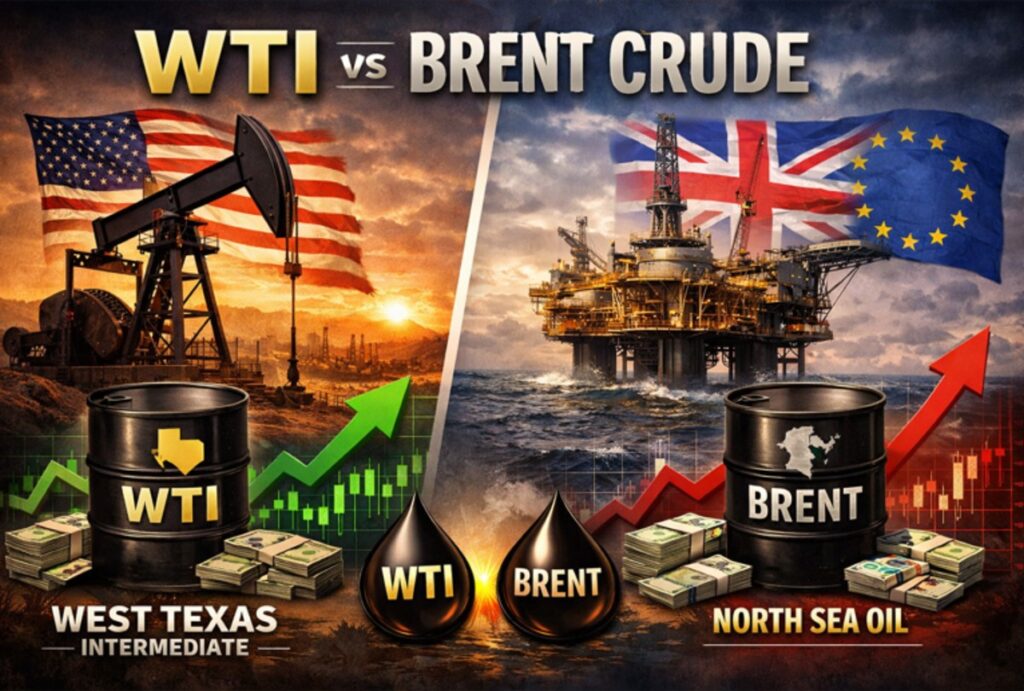
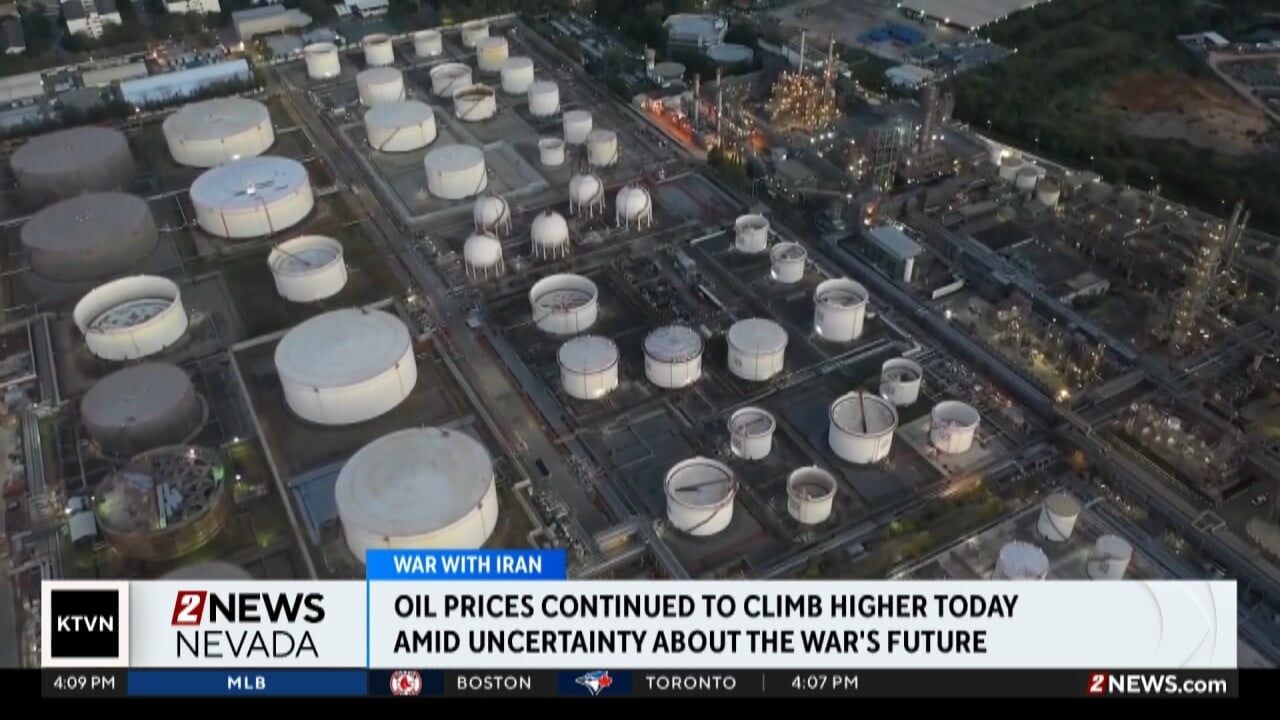
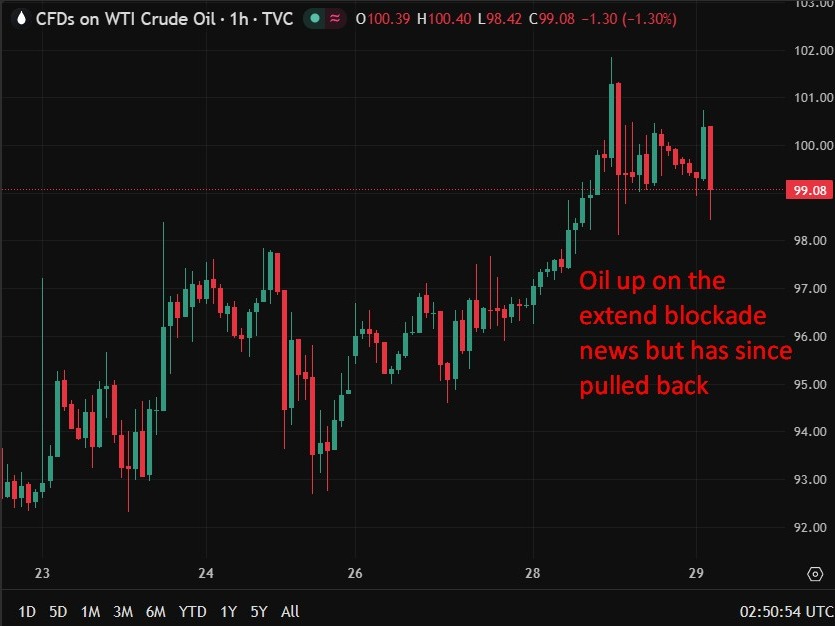
The extended blockade of Iranian ports by the Trump administration has triggered a dramatic oil price surge from $90 to $119 per barrel (32% increase) between April and late April 2026, with Brent crude briefly exceeding $119 and WTI climbing above $103. The Strait of Hormuz, which carries approximately one-third of seaborne oil globally, has been effectively closed for weeks due to the Iran-Israel conflict escalating on February 28, 2026. The World Bank forecasts energy prices could surge an additional 24% in 2026 if acute disruptions continue through May, reaching their highest levels since Russia's 2022 invasion of Ukraine.
For cross-border e-commerce sellers, this represents a critical operational challenge. Elevated crude oil prices directly translate to increased shipping surcharges across major logistics providers including FedEx, UPS, and DHL. Sellers relying on air freight or expedited ocean freight face particularly acute cost pressures, with international shipping costs increasing 8-15% based on historical fuel surcharge patterns. Packaging materials derived from petroleum products simultaneously become more expensive, increasing cost of goods sold. Sellers operating with thin margins (5-10% typical for many categories) may experience compressed profitability without corresponding price increases to customers.
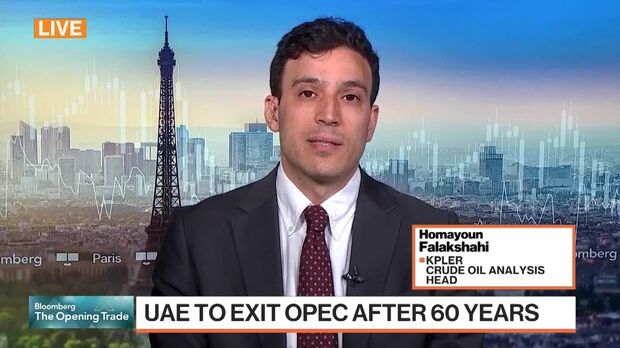
The timing window is critical. Market sentiment has shifted significantly, with analysts noting investors no longer expect quick resolution or immediate Strait of Hormuz reopening. The Trump administration's extended blockade strategy—selected over riskier alternatives like resuming bombing campaigns—signals a prolonged diplomatic and military standoff rather than near-term resolution. This sustained elevated energy price environment requires sellers to immediately reassess pricing strategies, shipping methods, and inventory positioning. Sellers relying on just-in-time inventory models face higher transportation costs for restocking goods from suppliers, while those with pre-positioned inventory in fulfillment centers can maintain competitive pricing longer. The UAE's shock decision to withdraw from OPEC effective May 1, 2026, adds additional market uncertainty, though analysts indicate the near-term primary driver remains developments in the Persian Gulf and timing of resumed oil flows through the Strait of Hormuz.
Strategic sourcing implications emerge. The prolonged supply disruption suggests sustained elevated energy prices through at least Q2-Q3 2026. Sellers should consider shifting 20-30% of inventory to regional 3PL providers outside energy-intensive air freight corridors, particularly for non-urgent product categories. Categories with high petroleum-derived packaging (cosmetics, electronics, apparel) face 3-5% COGS increases. Sellers should monitor crude oil price trends as leading indicators for upcoming logistics cost increases—historical patterns show fuel surcharges typically lag oil price spikes by 2-3 weeks, creating a window for pricing adjustments before costs fully materialize.
Questions 7
What are the specific compliance and operational risks if I don't adjust my supply chain strategy?
Sellers operating with thin margins (5-10% typical) without pricing adjustments risk margin compression of 2-4 percentage points if fuel surcharges increase 8-15%. This could push profitability below break-even for some SKUs. Additionally, sellers relying on air freight face acute cost pressures that may make expedited shipping economically unviable—you may be forced to shift to slower ocean freight, damaging customer satisfaction and Buy Box eligibility on Amazon. Supply chain volatility from the geopolitical crisis could disrupt inventory flows and delivery timelines for products sourced from or shipped through affected regions, potentially triggering Amazon FBA storage fee penalties or eBay late delivery metrics. The European Commission warned of a €27 billion energy cost surge due to Middle East instability, signaling broader economic uncertainty that may impact consumer spending and cross-border trade volumes.
Should I adjust my pricing strategy immediately or wait for fuel surcharges to stabilize?
Immediate action is recommended. Historical patterns show fuel surcharges typically increase 2-3 weeks after oil price spikes, creating a window for pricing adjustments before costs fully materialize. With the Trump administration signaling an extended blockade (not a near-term resolution), elevated oil prices are likely sustained through Q2-Q3 2026. Sellers should implement dynamic pricing strategies now, increasing prices 5-8% for air freight categories and 2-3% for ocean freight categories. Monitor crude oil futures (Brent June contracts at $114.37) as leading indicators. Delay risks margin compression if surcharges increase before you adjust pricing, particularly for sellers with thin margins (5-10% typical).