



Fed Leadership Change & Rate Cut Signals Impact Cross-Border Seller Costs
- Jerome Powell's final meeting signals potential policy shift; Kevin Warsh confirmation advances; dollar strength at 95.67 affects pricing for 50K+ international sellers





Overview
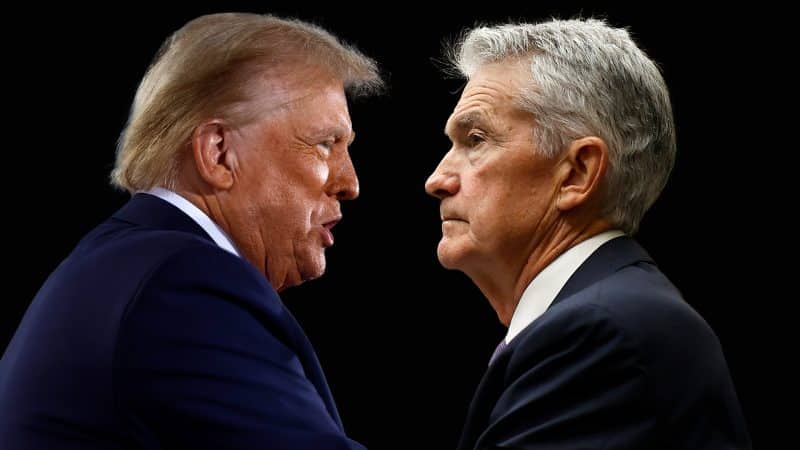
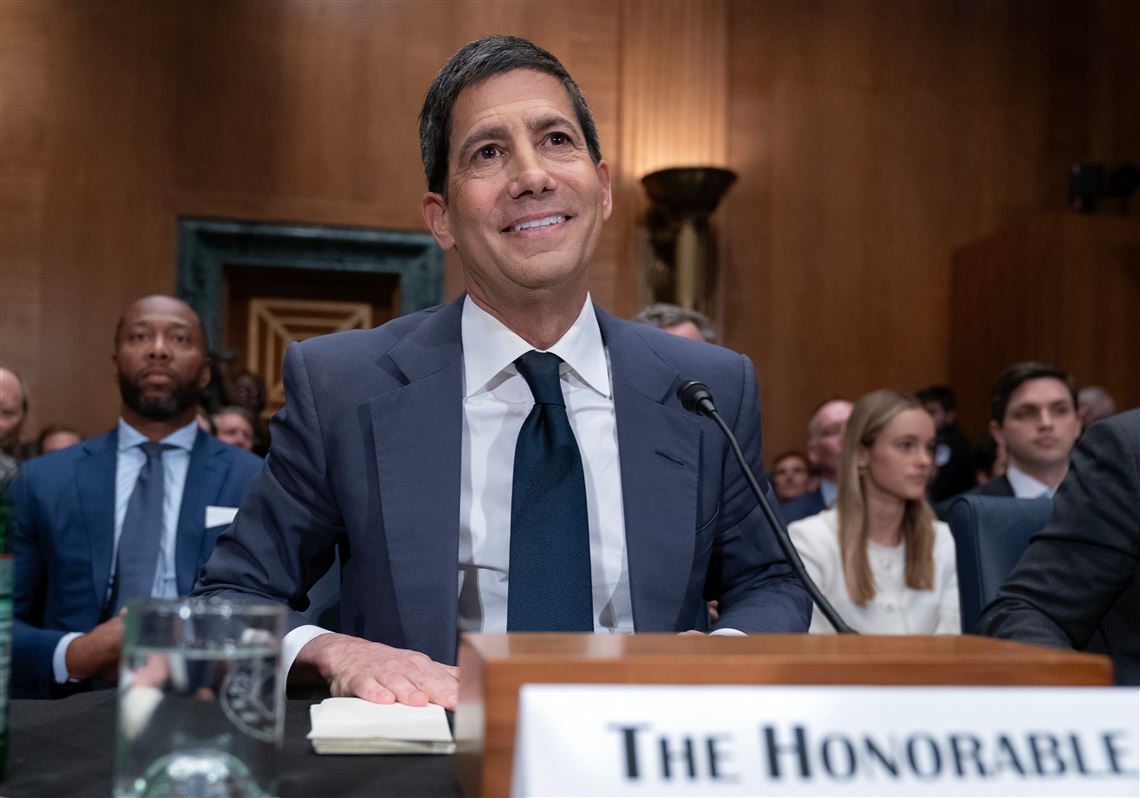
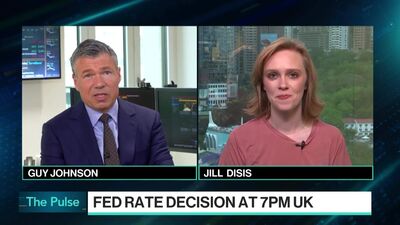
The Federal Reserve faces a critical leadership transition with Jerome Powell's final policy meeting concluding Wednesday, April 29, 2026, while Kevin Warsh advances through Senate confirmation to replace him. This dual uncertainty creates immediate implications for cross-border e-commerce sellers operating across North America, Europe, and Asia Pacific regions. The Fed is expected to hold benchmark interest rates steady, but the core debate centers on forward guidance: whether rate cuts have been permanently derailed or merely delayed. Current market signals show mixed conditions with crude oil up 3.64% to $103.57, the dollar index at 95.67 (up 0.17%), and VIX volatility at 18.07—all critical indicators for sellers managing multi-currency pricing and logistics costs.
For cross-border sellers, Fed monetary policy directly impacts three operational pillars: currency exchange rates, shipping costs, and consumer purchasing power. The dollar's strength at 95.67 strengthens US seller competitiveness against European and Asian competitors, but simultaneously increases costs for sellers importing inventory from Asia. Higher interest rates typically suppress consumer spending on discretionary items (electronics, fashion, home goods), while rate cuts stimulate demand. Sellers operating in multiple regions must adjust pricing strategies based on currency valuations influenced by Fed expectations. Ocean freight and air cargo—priced globally in dollars—become more expensive when the dollar strengthens, directly compressing margins for sellers with thin 15-25% profit margins on imported goods.
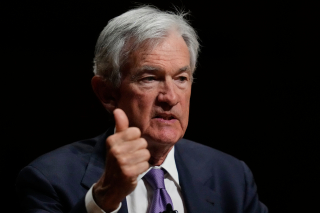
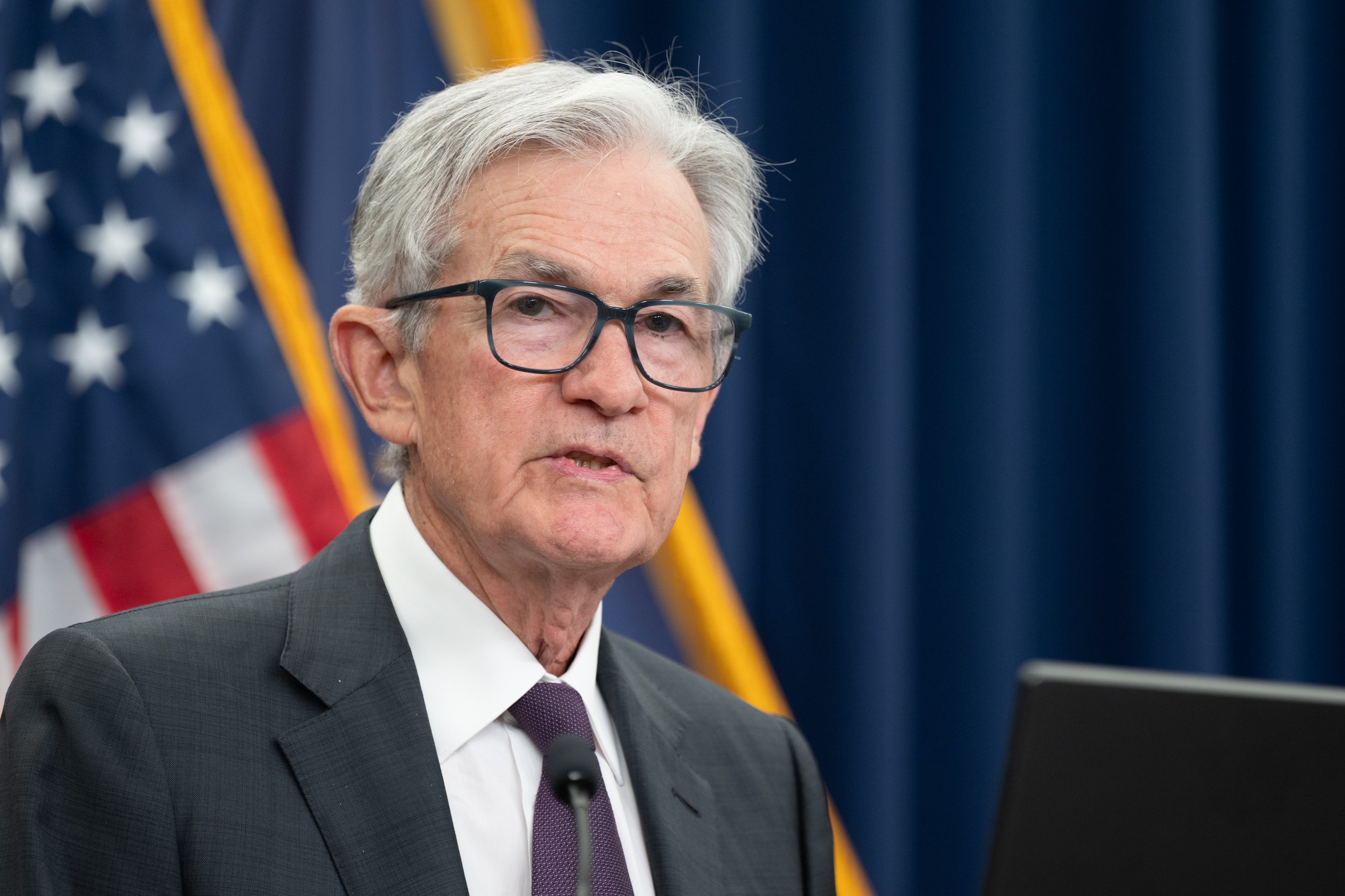
The leadership transition introduces policy uncertainty that could reshape rate expectations through 2026-2027. Kevin Warsh's nomination signals potential openness to rate cuts, citing AI productivity gains, while other Fed committee members resist cuts due to elevated inflation and geopolitical energy price spikes from Iran tensions. Powell's decision to potentially remain on the Federal Reserve's governing board through 2028 adds another variable—his continued voting influence could moderate aggressive rate-cutting policies. Sellers should monitor Wednesday's Fed statement and Powell's press conference for specific language changes regarding rate cut probabilities, as these signals influence currency valuations within 24-48 hours. The 12-member committee voting structure means no single chair dominates policy, but leadership transitions historically create 60-90 day periods of market volatility affecting exchange rates by 2-5%.
Immediate seller actions include reviewing currency hedging strategies, locking in shipping quotes before potential rate announcements, and adjusting inventory levels based on demand forecasts tied to interest rate expectations. Sellers with significant exposure to discretionary categories (electronics, fashion, home décor) should prepare for potential demand compression if rate cuts are delayed. Those importing from Asia should accelerate shipments if dollar strength persists, as logistics costs could increase 8-12% if the Fed signals extended rate maintenance. Monitor the Banking Committee's Wednesday vote on Warsh's confirmation and Powell's post-meeting press conference for specific guidance on rate cut timing—these signals typically drive currency movements within hours.
Questions 8
Should sellers adjust inventory levels based on Fed rate expectations?
Yes, sellers should actively adjust inventory based on Fed rate signals, particularly for discretionary categories sensitive to consumer spending cycles. If the Fed signals extended rate maintenance (as some officials advocate), reduce discretionary inventory by 15-20% and increase essential category stock. If rate cuts appear likely, increase discretionary inventory by 10-15% to capitalize on anticipated demand growth. Current market conditions show mixed signals (crude oil up 3.64%, VIX at 18.07), suggesting moderate volatility. Sellers should implement a 30-day monitoring cycle: review Fed statements weekly, adjust inventory forecasts monthly, and lock in shipping quotes before major policy announcements. This approach reduces inventory carrying costs while maintaining flexibility for demand shifts.
How does Jerome Powell's potential decision to stay on the Fed board affect policy?
Powell's option to remain on the Federal Reserve's governing board through 2028 after his chairmanship ends introduces policy continuity but also potential conflict with the Trump administration. If Powell stays, he maintains voting influence and could moderate aggressive rate-cutting policies, creating a more dovish Fed than Warsh alone might pursue. This unusual arrangement could deny Trump an additional board appointment, limiting his influence over monetary policy. Sellers should view Powell's decision (expected Wednesday) as a signal about future policy stability. If Powell stays, expect more measured rate cuts and greater policy continuity. If he departs, expect potential acceleration of rate cuts under Warsh's leadership, which could weaken the dollar by 3-5% and reduce shipping costs by 8-12% over 6-12 months.