





Ohio Deer CWD Outbreak Signals Hunting Season Disruption | Outdoor Retail Sellers Face Inventory Challenges
- 40 positive CWD cases across 6 Ohio counties threaten 2025-26 hunting season demand; outdoor retailers and hunting gear sellers must adjust inventory strategies for affected regions














Overview
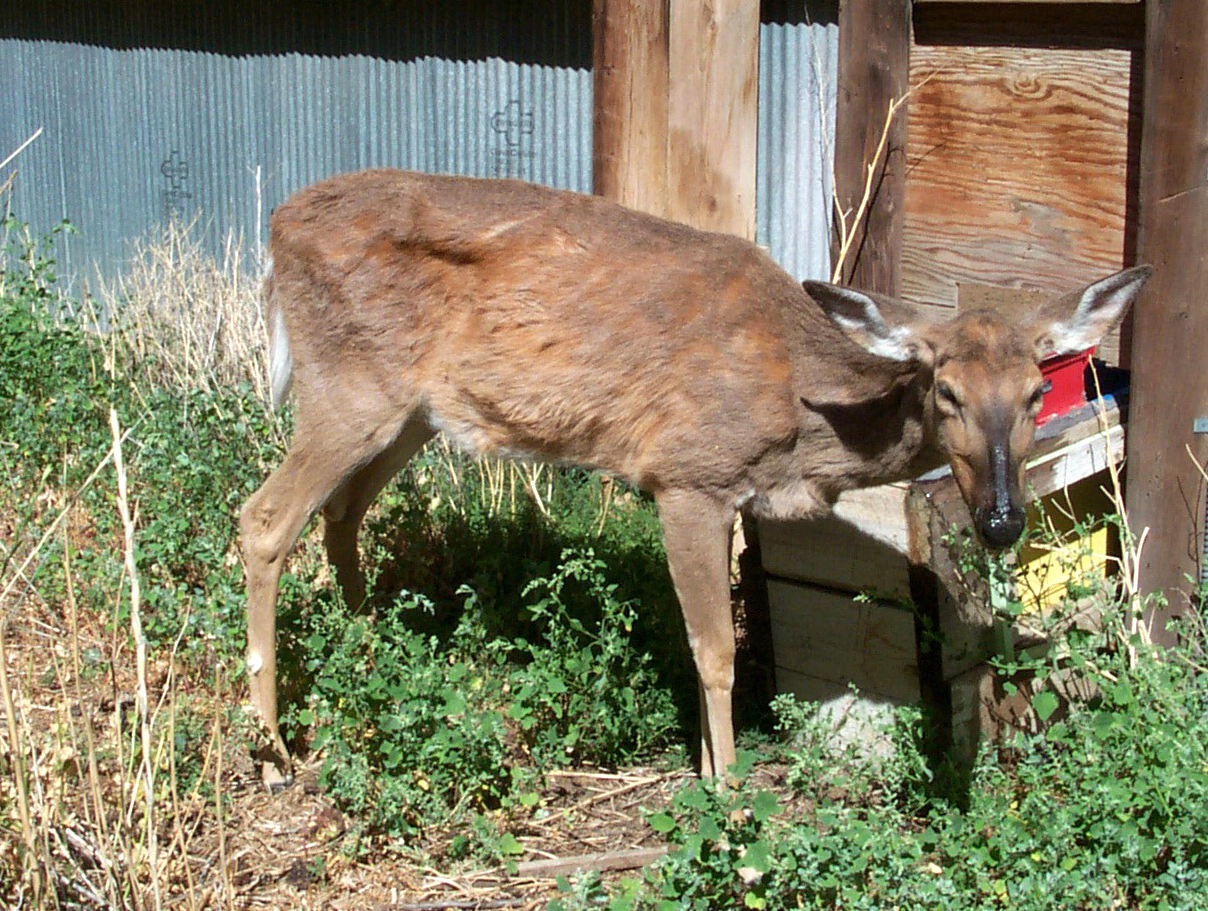
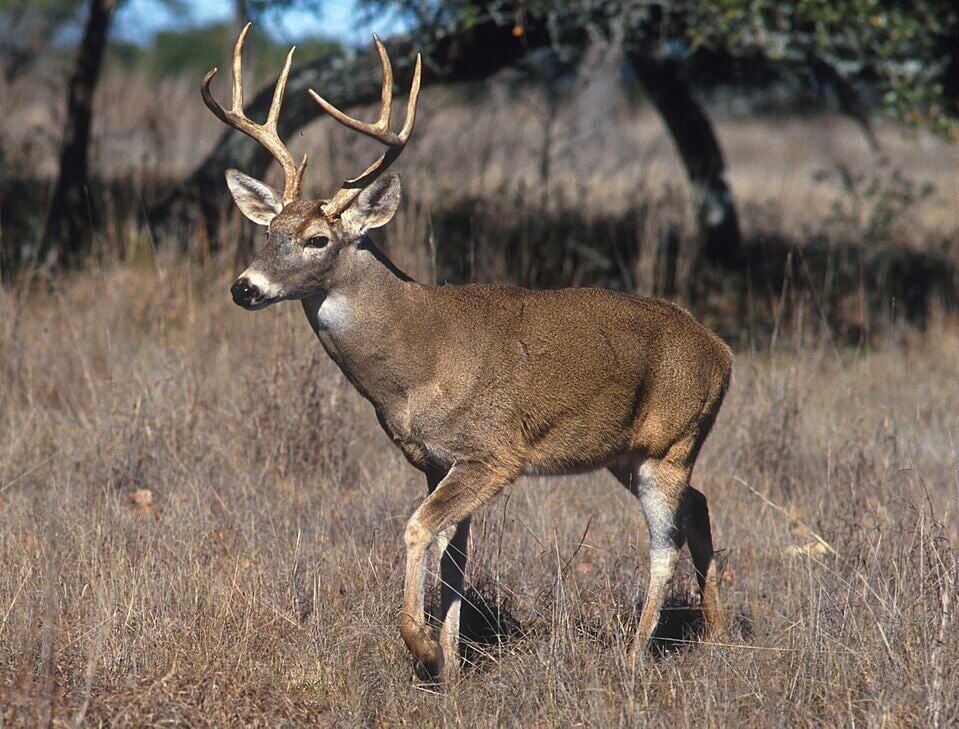
The Ohio Department of Natural Resources confirmed 40 white-tailed deer tested positive for Chronic Wasting Disease (CWD) during the 2025-26 hunting season across six counties—Allen, Crawford, Hancock, Hardin, Marion, and Wyandot—out of 6,617 total deer tested (0.6% positive rate). This represents a critical market signal for e-commerce sellers operating in the outdoor recreation and hunting equipment categories. CWD is a fatal neurological disease with no known cure, and while CDC data shows no strong evidence of human transmission, the disease directly impacts hunter behavior, seasonal demand patterns, and regional purchasing decisions.
For cross-border and domestic e-commerce sellers, this wildlife management update creates both challenges and opportunities in the $8.2B+ annual hunting and outdoor retail market. Sellers specializing in hunting gear, ammunition, deer processing equipment, and outdoor apparel must anticipate reduced demand in the six affected Ohio counties during peak hunting season (typically September-January). Historical patterns from previous CWD outbreaks in Colorado, Wyoming, and Wisconsin show that positive disease detection correlates with 15-25% declines in hunting license sales and equipment purchases in affected regions within 6-12 months. Conversely, sellers in unaffected regions may experience demand migration as hunters relocate to safer territories.
The ODNR's interactive CWD dashboard and ongoing surveillance protocols create transparency that influences consumer purchasing confidence. Hunters actively monitor the dashboard to track positive cases by location and harvest information, directly affecting their equipment buying decisions. Sellers can leverage this data transparency through targeted marketing emphasizing "CWD-free region" sourcing and regional hunting guides. Additionally, the disease detection triggers demand for specialized products: CWD-related educational content, hunting safety equipment, and alternative game processing supplies. The 2020 initial wild detection and subsequent 5-year monitoring period (40,000+ deer tested since 2002) demonstrates that CWD management is becoming a permanent regulatory framework, requiring sellers to build long-term inventory strategies around disease-affected zones rather than treating this as a temporary disruption.
Questions 7
How can sellers use ODNR's CWD dashboard for marketing advantage?
The ODNR's interactive CWD dashboard tracking location and harvest information since 2020 provides real-time data that hunters actively monitor. Sellers can leverage this transparency through targeted marketing emphasizing 'CWD-free region sourcing,' 'verified safe hunting zones,' and 'dashboard-monitored equipment.' Create content around the dashboard data, such as 'Top 10 CWD-Free Hunting Destinations in Ohio' or 'Equipment Recommendations for Safe Hunting in Verified Zones.' This positions your brand as data-informed and hunter-safety-focused, differentiating from competitors and building trust with consumers who actively use the ODNR dashboard for purchasing decisions.
What are the long-term implications of CWD for outdoor retail sellers?
CWD represents a permanent shift in outdoor retail market dynamics. The ODNR has maintained surveillance since 2002 with wild detection beginning in 2020, indicating CWD is now an endemic regulatory framework rather than a temporary disruption. Sellers must build long-term inventory strategies around disease-affected zones, implement region-specific demand forecasting, and develop product lines addressing CWD-related consumer concerns. The disease affects multiple species (white-tailed deer, mule deer, elk, moose), expanding geographic impact beyond Ohio. Expect continued expansion of CWD monitoring across states, creating opportunities for sellers offering CWD-awareness products, regional hunting guides, and safety-focused equipment bundles.