



Ukraine's Strategic Counteroffensive Reshapes Battlefield Dynamics in Kupyansk
- Zelenskyy's Bold Military Maneuver Challenges Russian Territorial Claims


















Overview
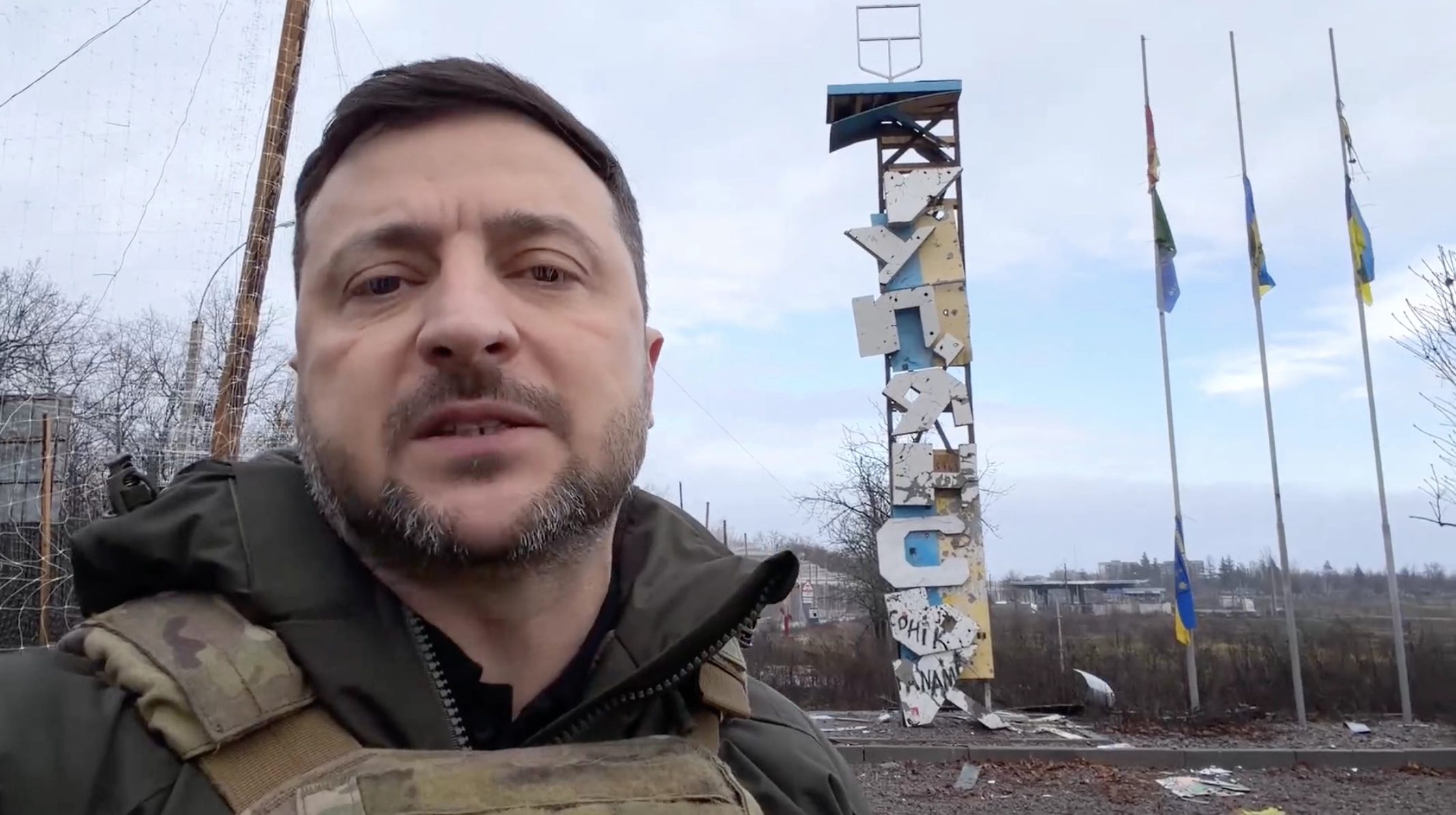
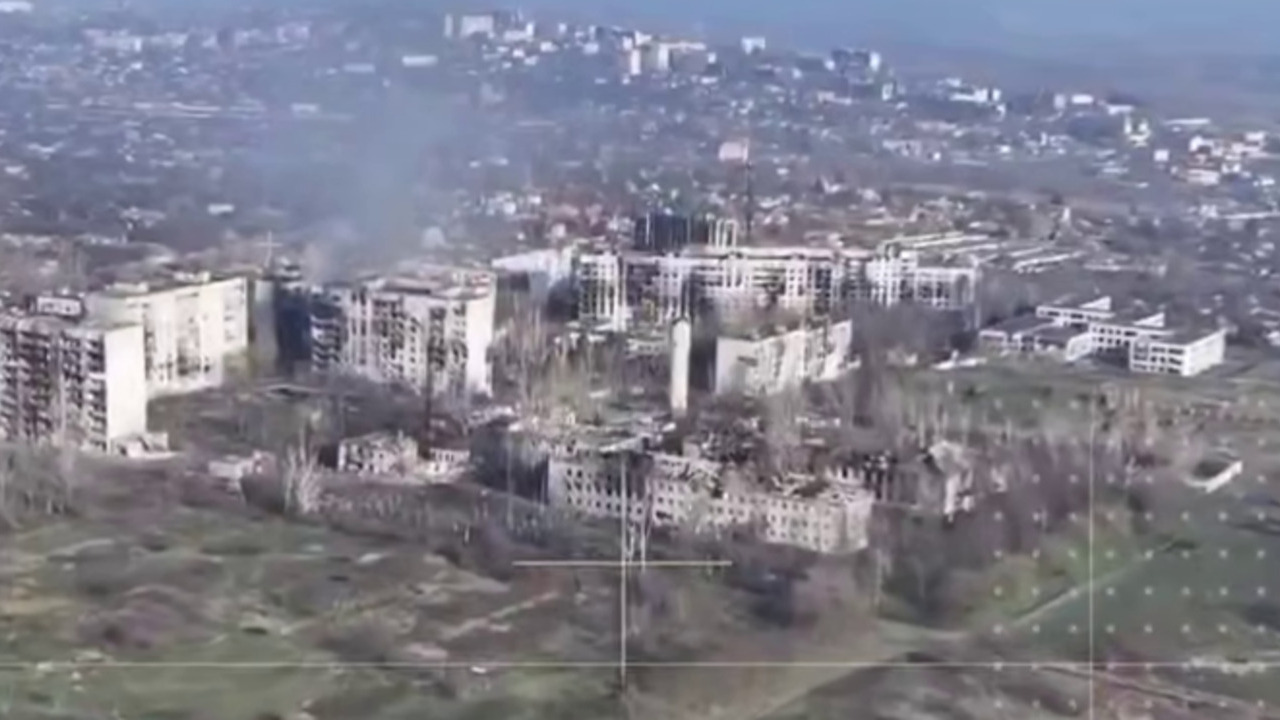
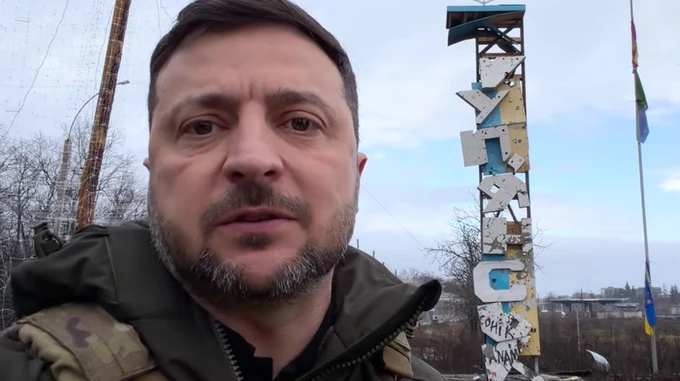
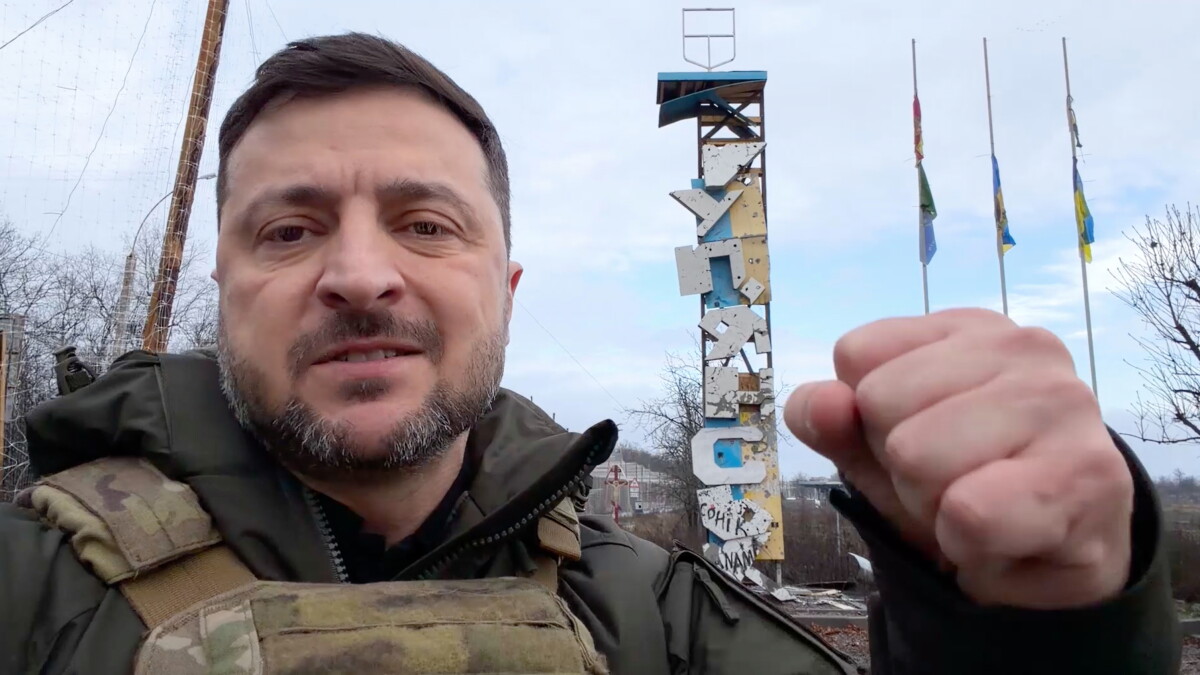
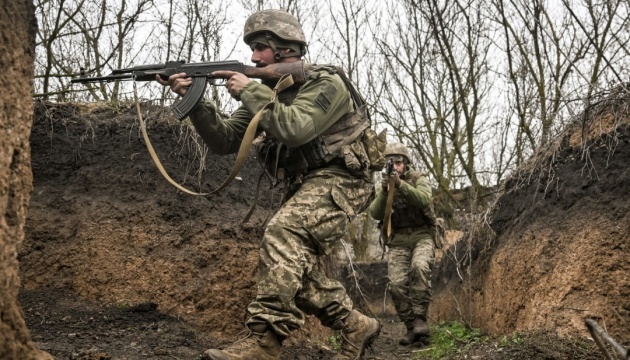
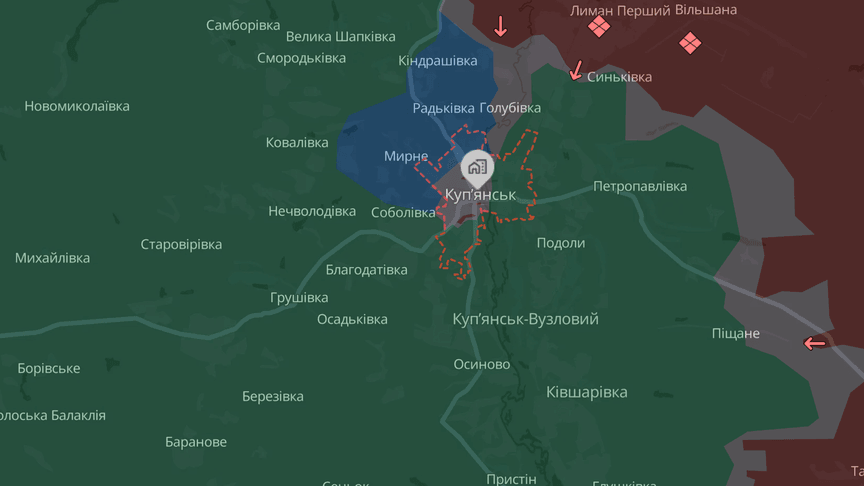
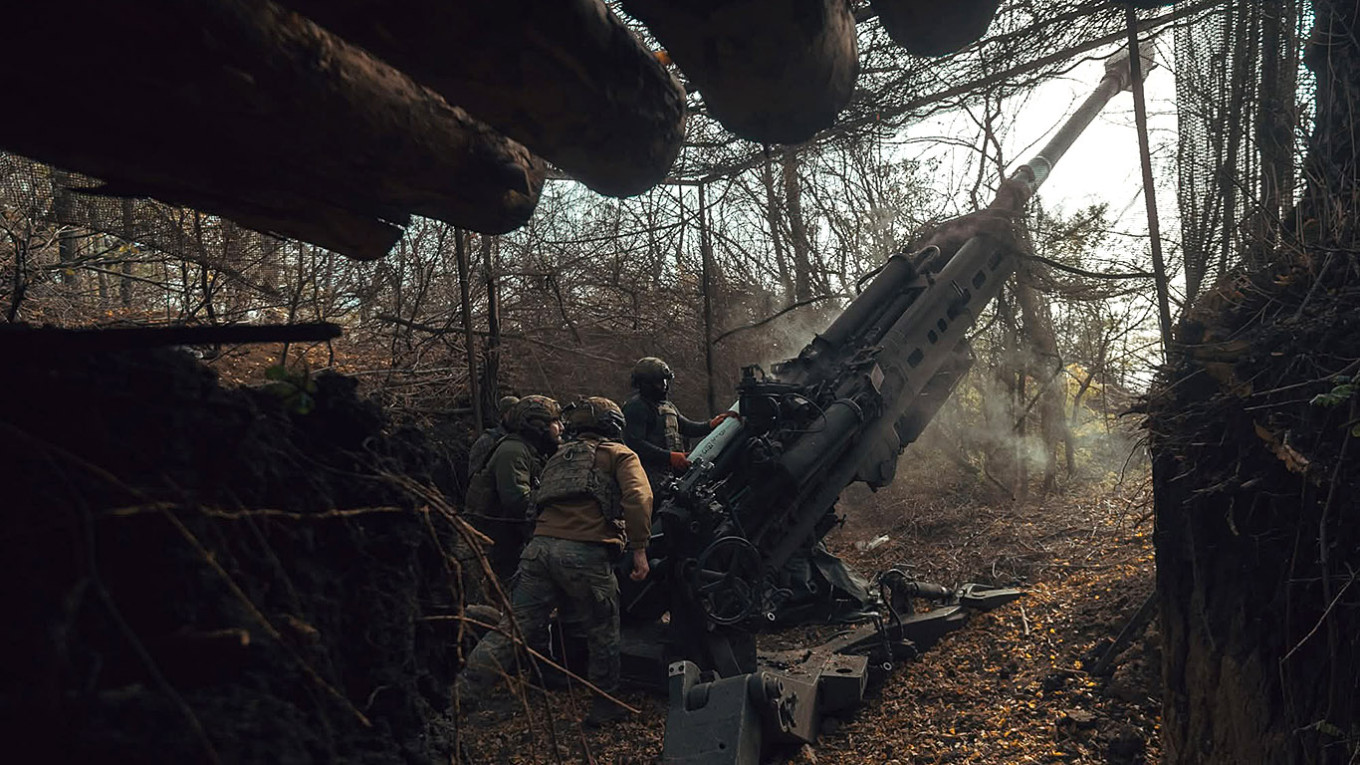
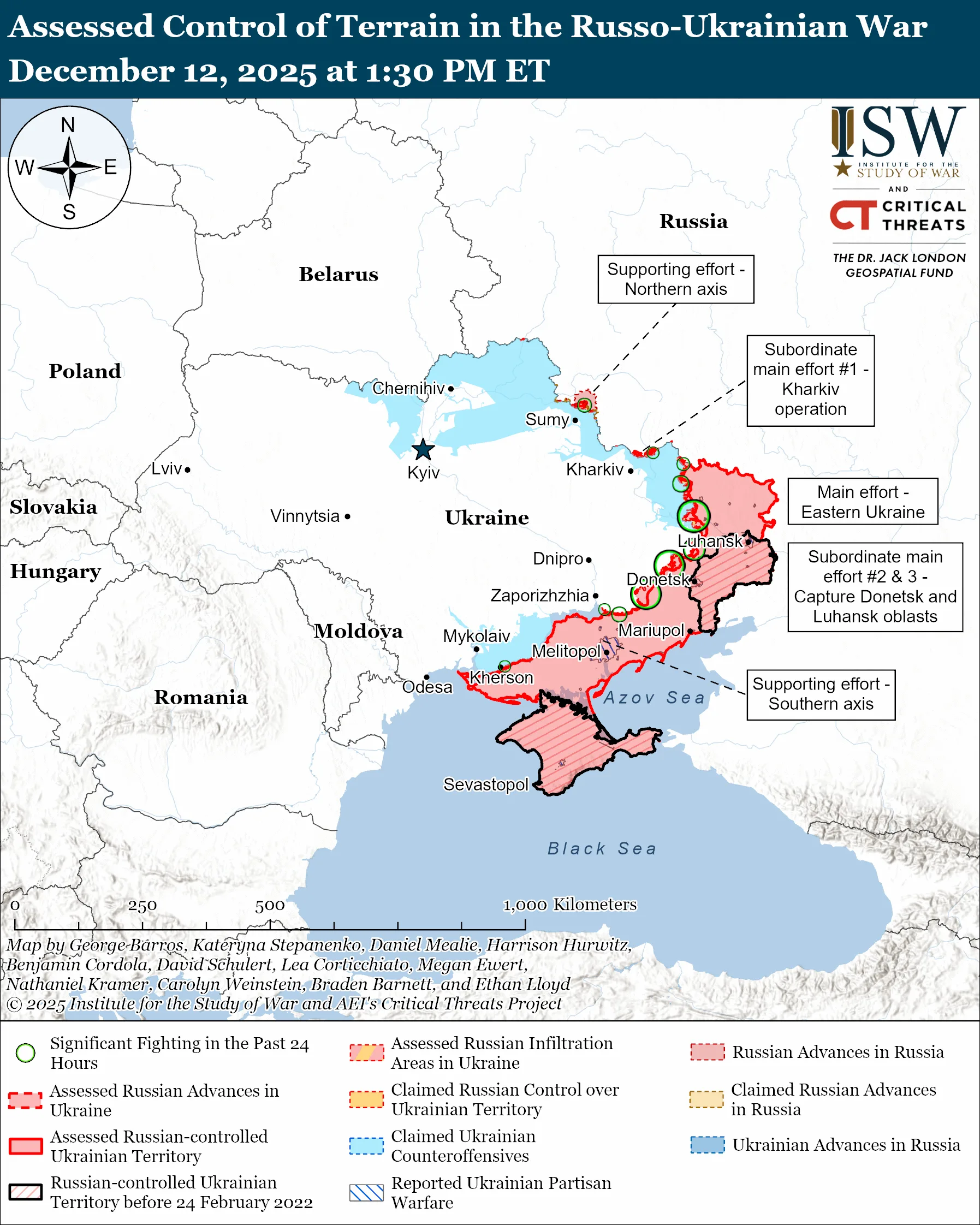
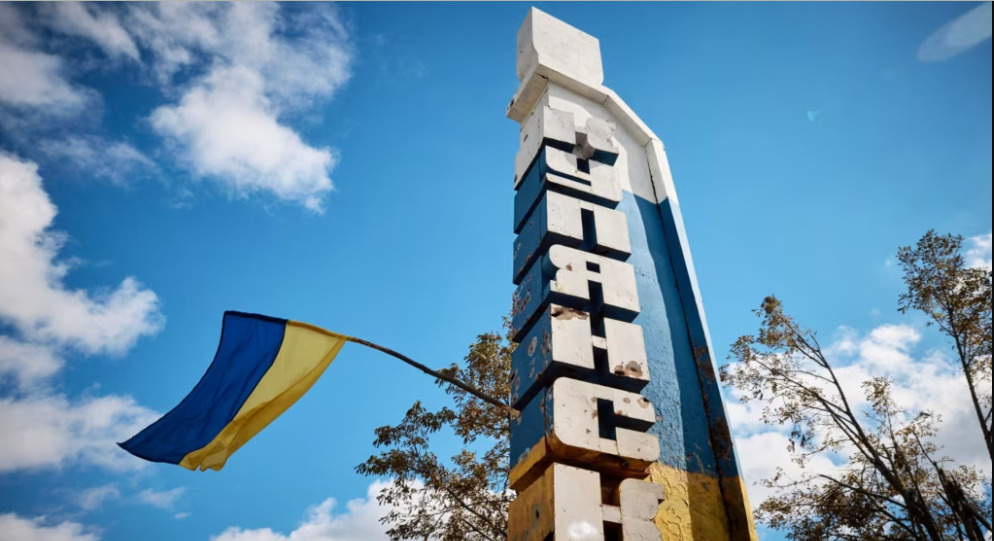
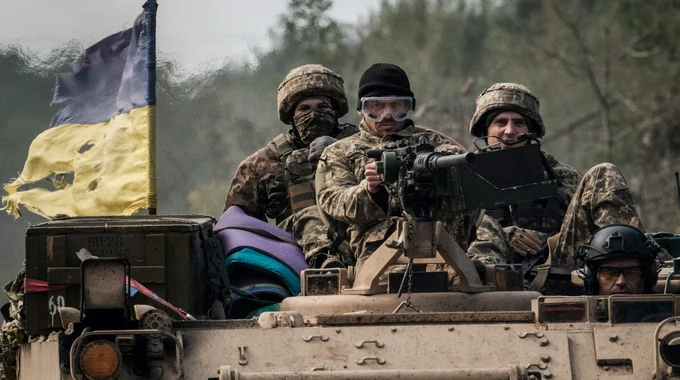
The Ukrainian military's recent operations in the Kupyansk region represent a pivotal moment of strategic resilience, fundamentally challenging Russia's territorial narrative and exposing critical vulnerabilities in its military infrastructure. On December 12, 2025, Ukrainian forces executed a precision counteroffensive that not only liberated key territories but strategically encircled approximately 200 Russian personnel, effectively cutting their ground lines of communication.
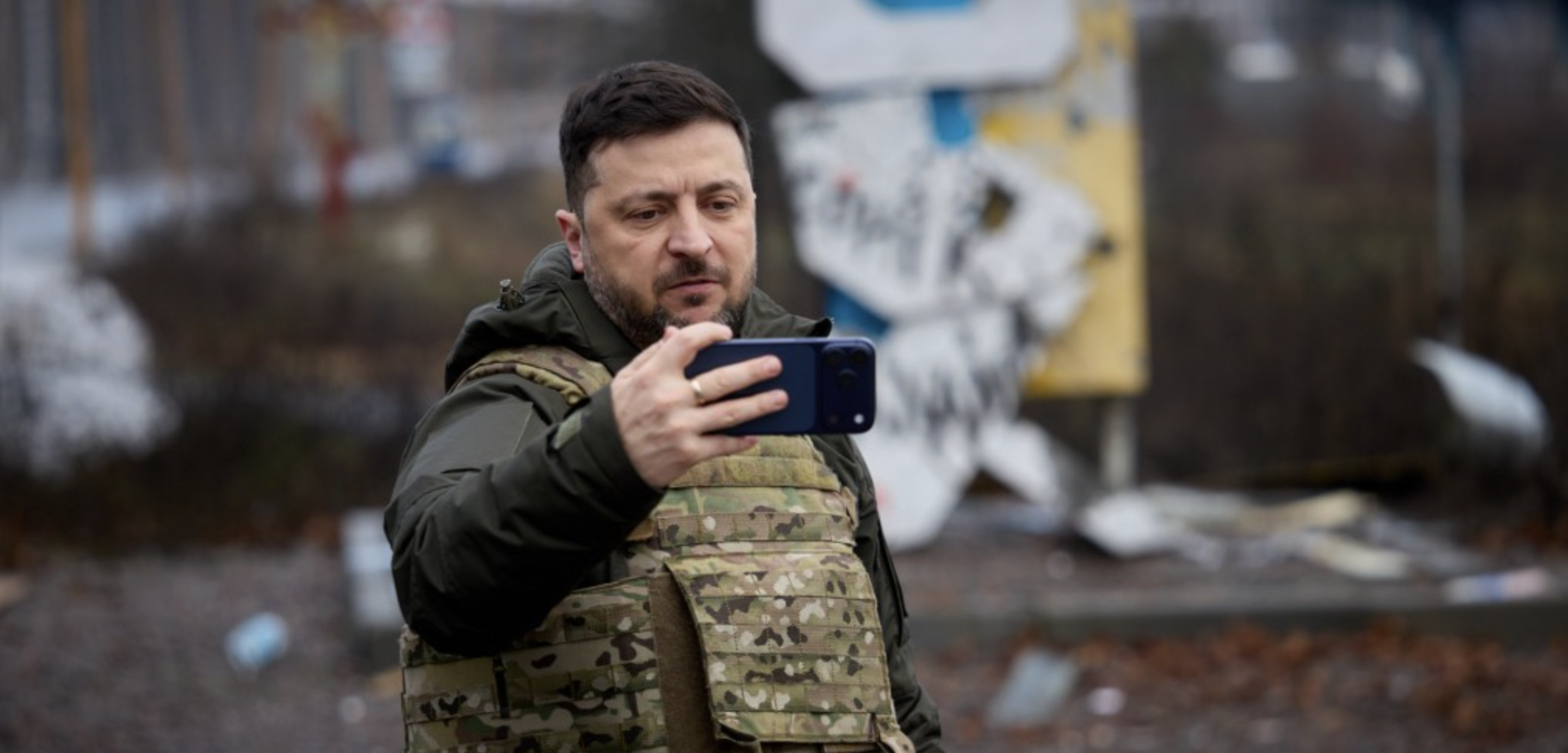
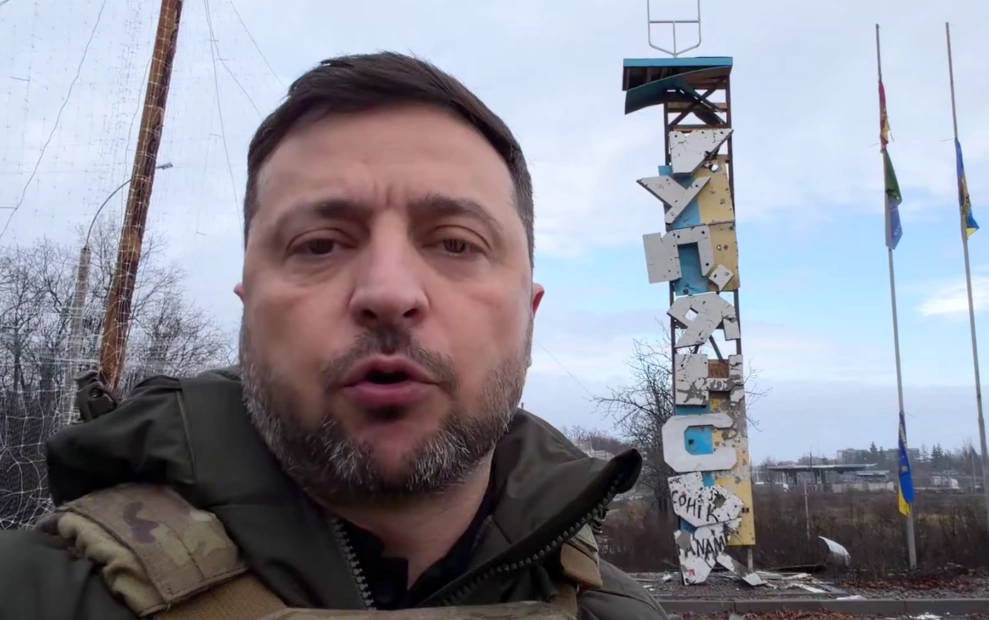
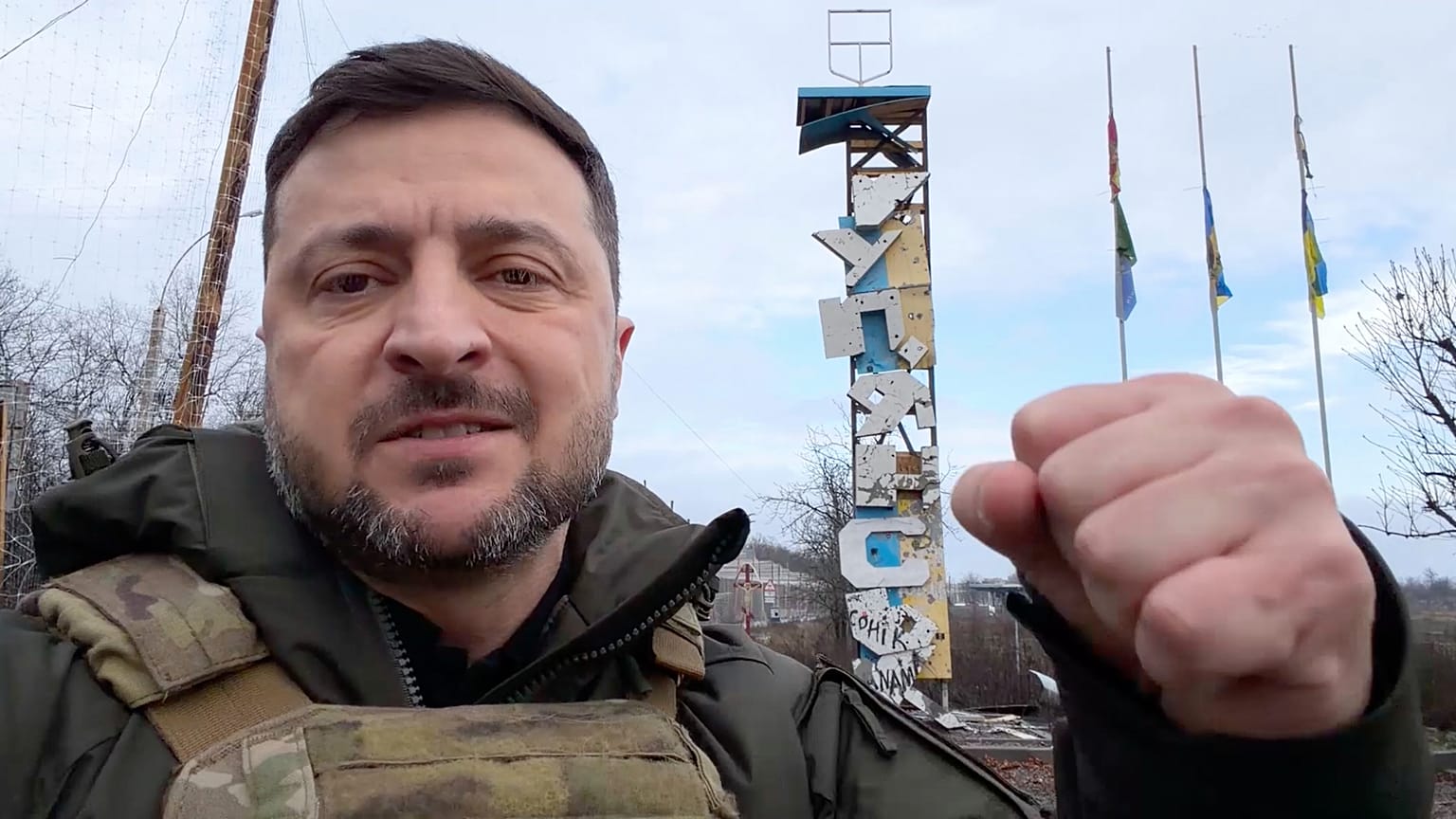
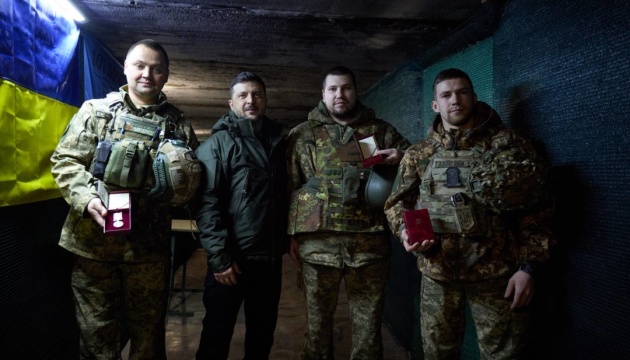
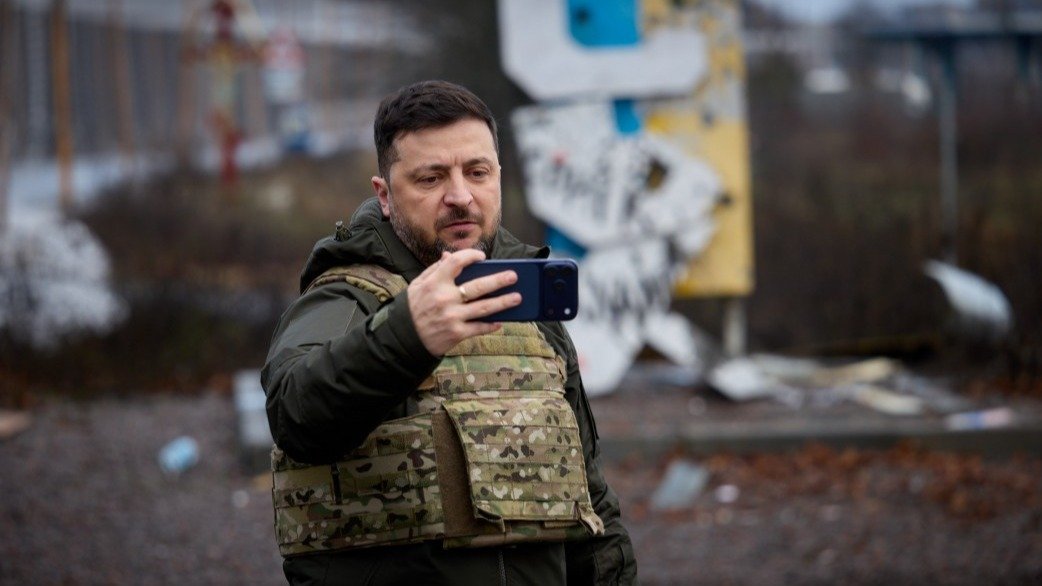
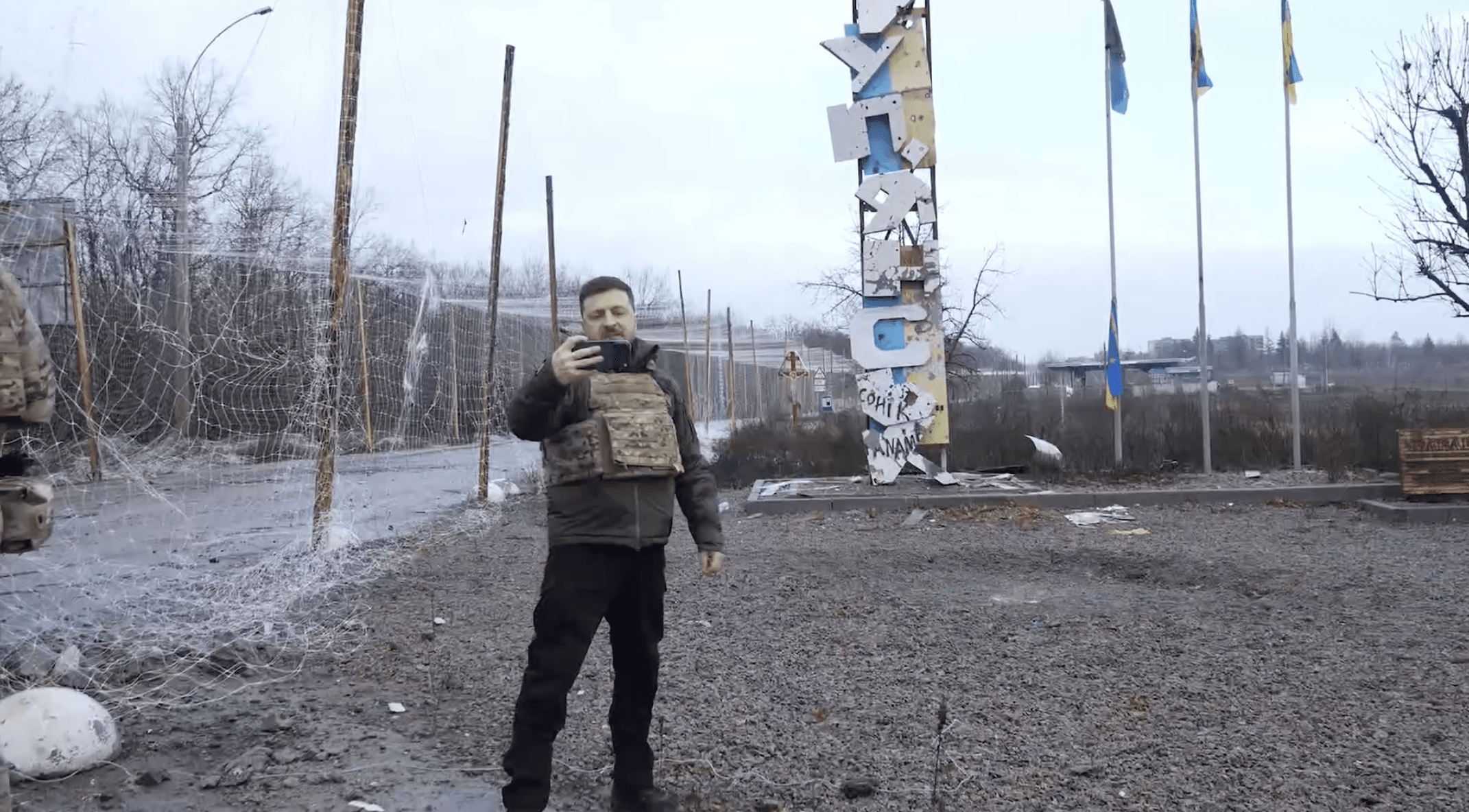
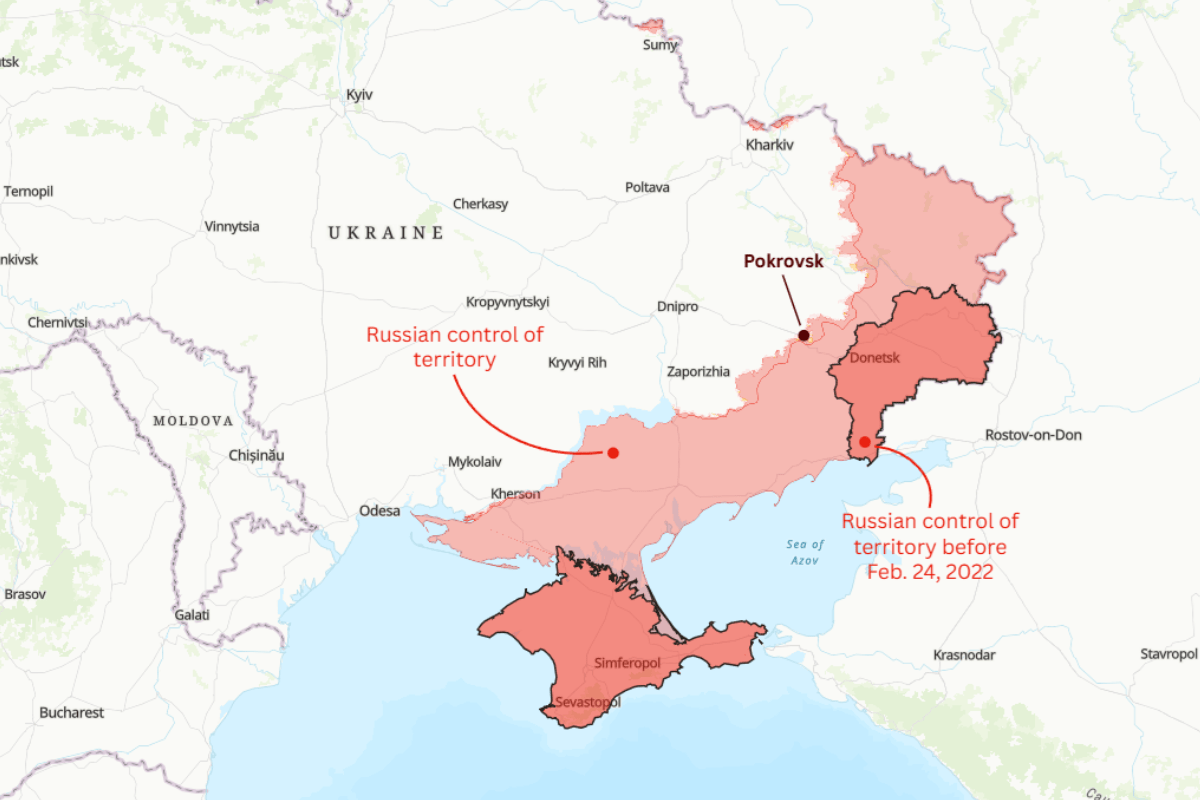
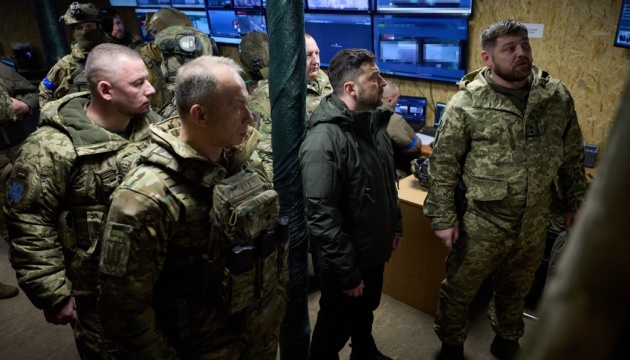
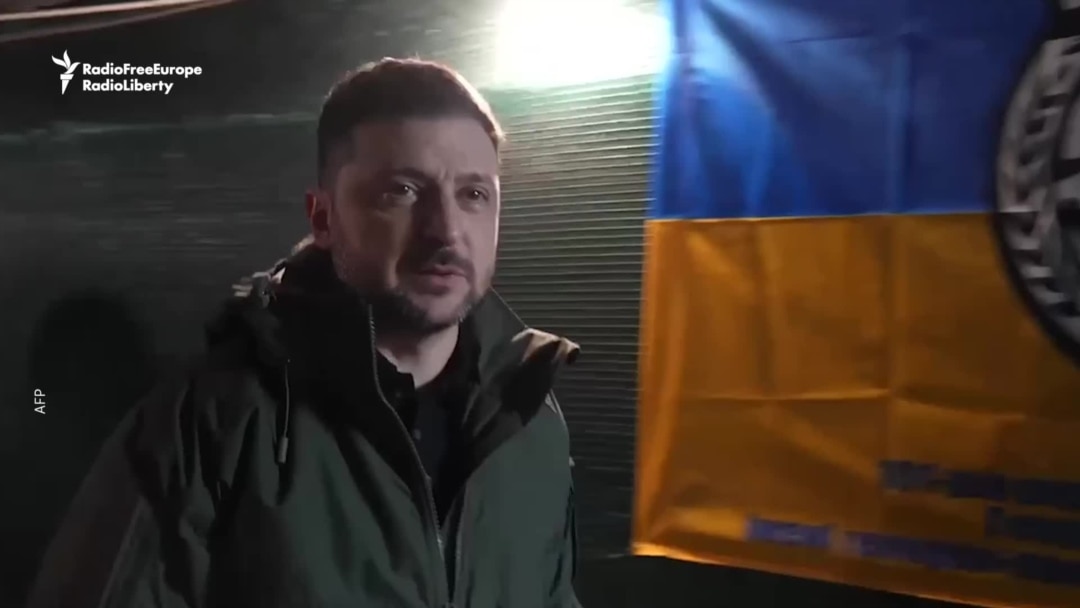
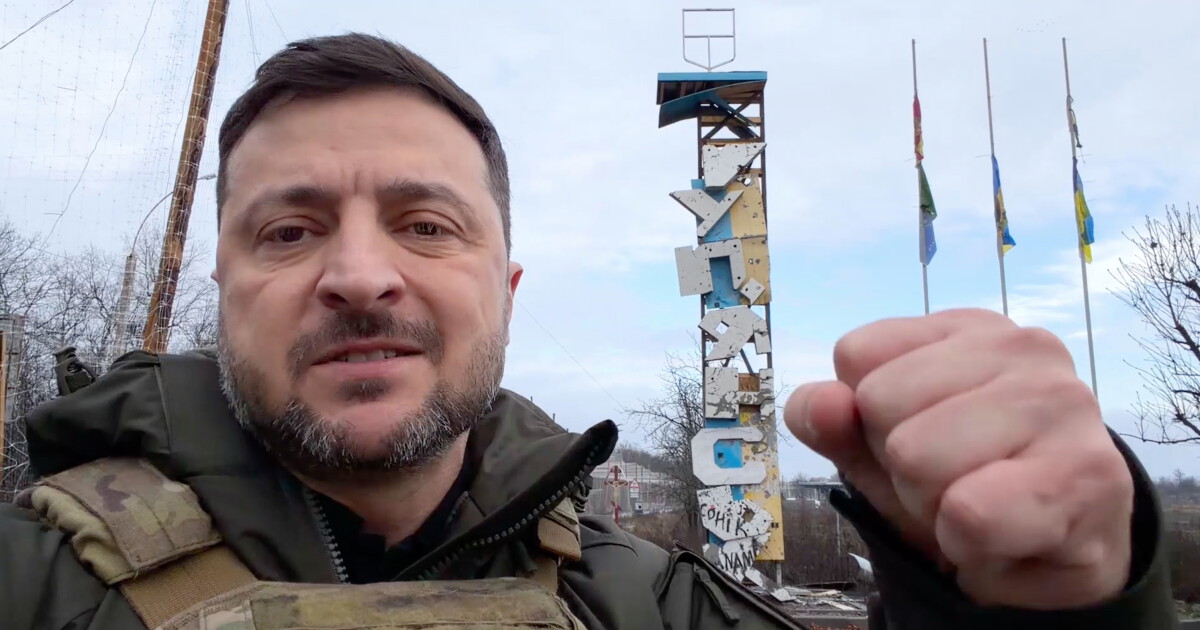
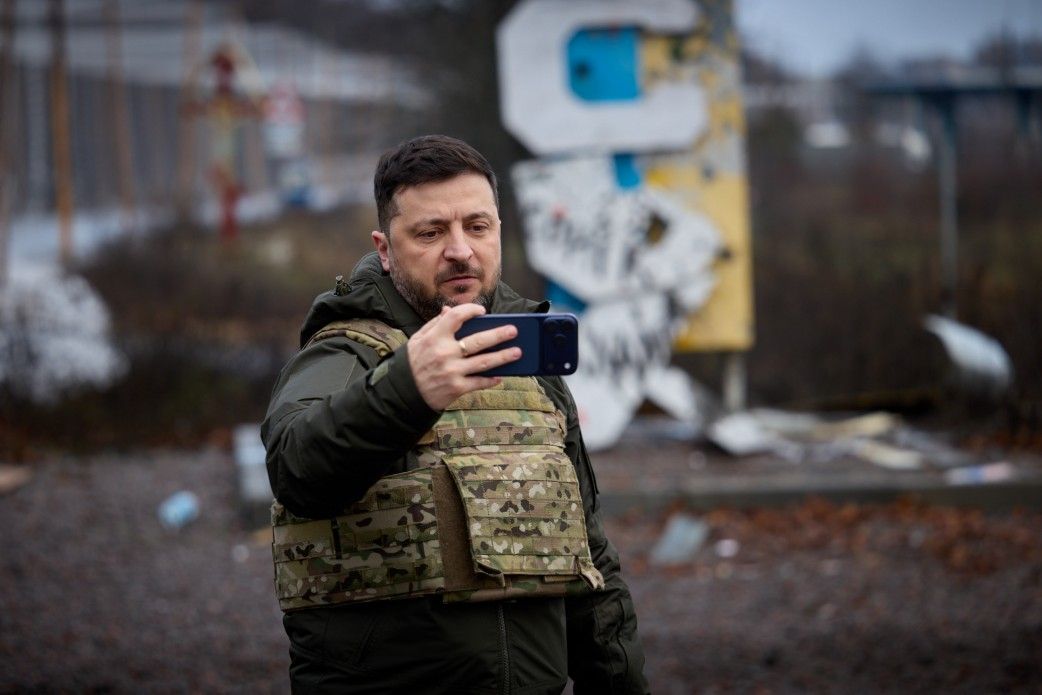
Territorial Dynamics: The data reveals a stark reality for Russian military ambitions. Despite claims of territorial control, Russia has seized merely 4,669 sq km (0.77% of Ukraine) in the past year, while suffering an estimated 820,000 casualties. President Zelenskyy's personal appearance in Kupyansk—a city previously claimed as occupied—serves as a powerful symbolic and strategic statement, directly contradicting Russian disinformation narratives.
Economic Warfare Indicators: The conflict's economic dimensions are equally significant. Russian Deputy Prime Minister Denis Manturov's acknowledgment of a 2.3 million worker shortage across multiple sectors signals deeper systemic challenges. The Russian economy is visibly contracting, with treasury, central bank, and energy corporations experiencing critical cash flow constraints. The European Union's move to freeze 210 billion euros in Russian assets further amplifies the economic pressure, suggesting a multi-dimensional strategy to constrain Russia's military capabilities.
Diplomatic Chess: Ukraine's simultaneous presentation of a comprehensive 20-point peace proposal demonstrates sophisticated geopolitical maneuvering. By offering a structured framework for war termination, postwar security architecture, and reconstruction—including a proposed demilitarized buffer zone in Donbas—Ukraine is positioning itself as a proactive diplomatic actor. The Kremlin's immediate rejection underscores the complex psychological and strategic dimensions of the conflict.
The Institute for the Study of War suggests Russia's campaign to seize the remaining Donetsk region would likely consume 2-3 years, indicating a protracted and resource-intensive conflict. President Zelenskyy's resolute stance—rejecting territorial concessions while maintaining diplomatic engagement—reveals a nuanced approach balancing military resistance with potential negotiation pathways.
Questions 3
What does Ukraine's peace proposal reveal about its diplomatic strategy?
The 20-point proposal shows a sophisticated approach, offering a structured framework for war termination, postwar security, and reconstruction. By proposing a demilitarized Donbas buffer zone and maintaining diplomatic engagement while resisting territorial concessions, Ukraine is positioning itself as a proactive negotiation partner.
How is the economic dimension impacting Russia's war efforts?
Russia faces a critical 2.3 million worker shortage across multiple sectors, with treasury and energy corporations running out of cash. The EU's freezing of 210 billion euros in assets further constrains Russia's economic capacity, potentially limiting its long-term military spending and operational capabilities.