



Pakistan's Intelligence Gambit Unravels: How Faiz Hameed's Taliban Negotiation Backfired
- Strategic miscalculation exposes deep fractures in Pakistan's security establishment







)


1724919650-0/Untitled-design-(5)1724919650-0.png)

Overview
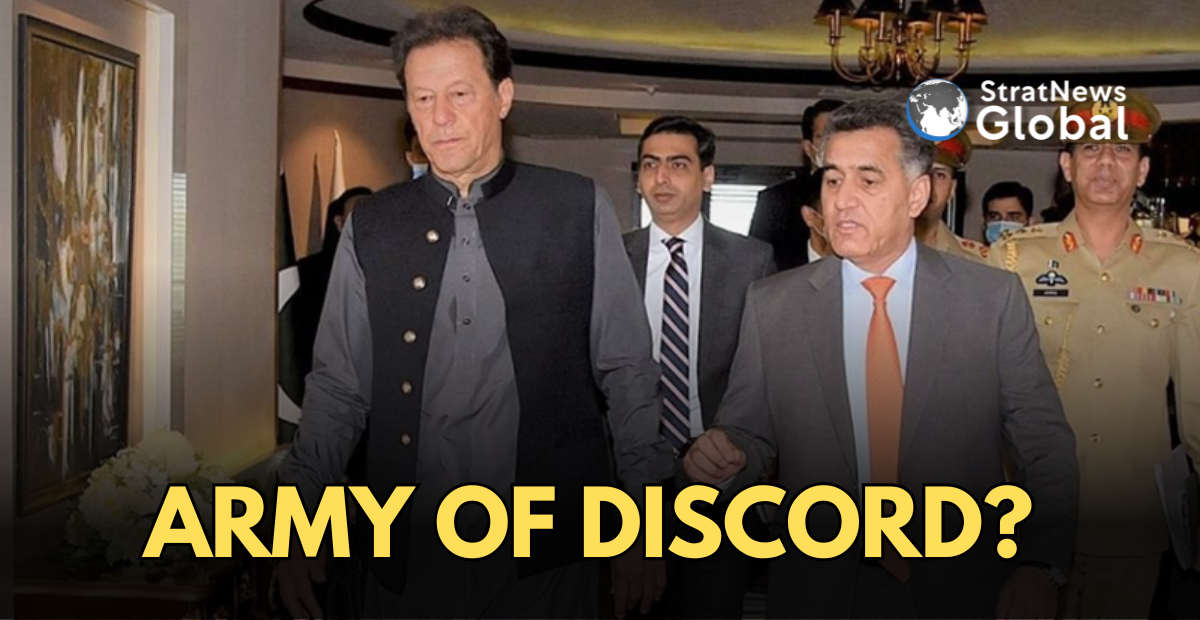
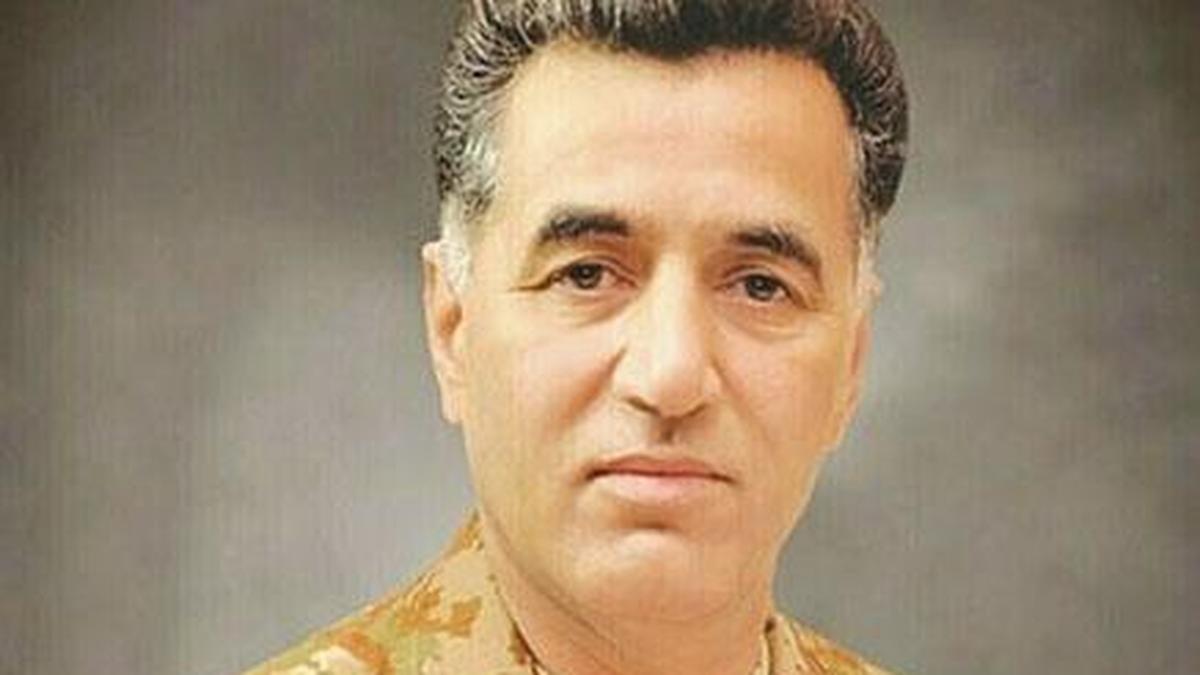
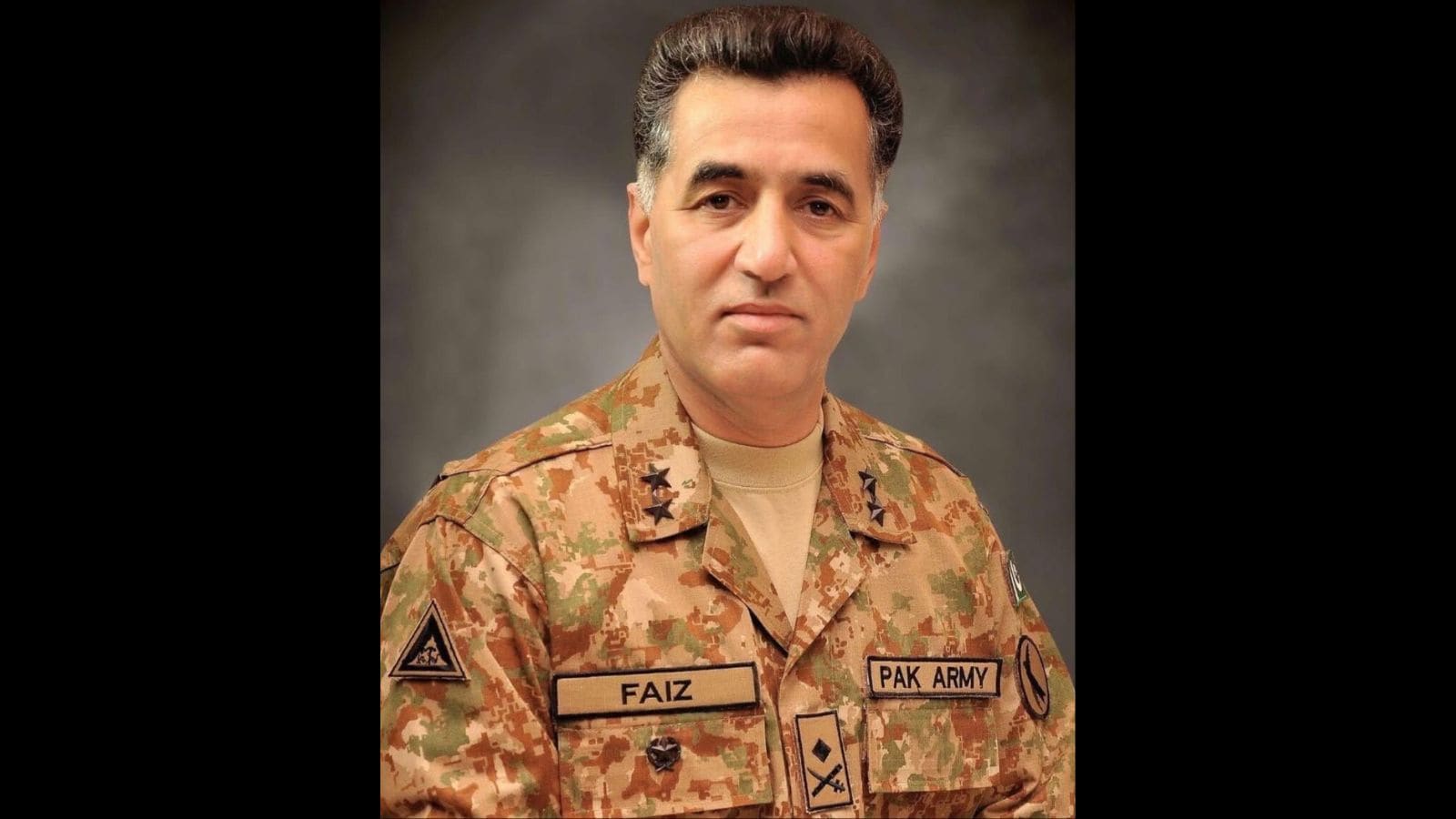
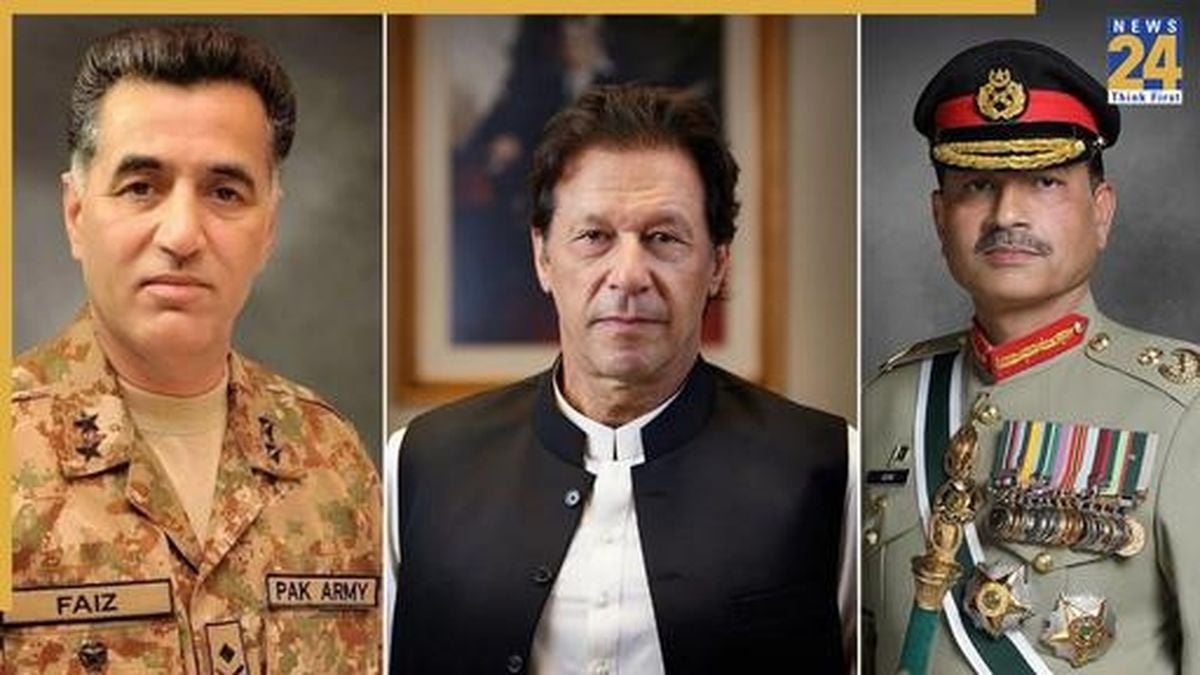
The failed TTP resettlement project reveals a critical inflection point in Pakistan's complex counterterrorism strategy, exposing the dangerous limitations of unilateral diplomatic maneuvering within the country's military-intelligence complex. Lt. Gen. Faiz Hameed's ambitious negotiation attempt with the Tehreek-i-Taliban Pakistan (TTP) in 2021-2022 represents more than a personal professional setback—it symbolizes a profound strategic miscalculation that threatens national security architecture.
Confidential negotiations conducted in Kabul with TTP leader Mufti Noor Wali Mehsud and Taliban interior minister Sirajuddin Haqqani were predicated on a high-risk assumption: that militant groups could be systematically reintegrated into Pakistani society through diplomatic channels. Faiz's unilateral approach, which deliberately excluded local political leadership like the provincial chief minister, demonstrated a dangerous overconfidence in his negotiation capabilities.
The military leadership's swift rejection of the project reveals deeper institutional tensions. By becoming suspicious that the TTP ceasefire was merely a sophisticated infiltration strategy targeting previously peaceful regions of Khyber Pakhtunkhwa province, senior commanders effectively neutralized Faiz's diplomatic initiative. His unexpected posting to Bahawalpur in August 2022 was not just a routine transfer, but a strategic marginalization that signaled the complete collapse of his negotiation strategy.
The broader implications extend far beyond Faiz's personal trajectory. Political and bureaucratic networks that had aligned themselves with his potential future patronage found their own ambitions suddenly disrupted. This episode underscores the volatile nature of regional security arrangements and the intricate power dynamics within Pakistan's security establishment.
The failed negotiations represent a critical warning: unilateral diplomatic initiatives disconnected from comprehensive institutional consensus can create more strategic vulnerabilities than they resolve. For policymakers and security strategists, the lesson is clear—negotiation with militant groups requires multilayered, institutionally coordinated approaches that prioritize national security over individual bureaucratic ambitions.
Questions 3
How did this negotiation failure impact Pakistan's counterterrorism approach?
The failed negotiations exposed significant institutional fractures within Pakistan's security establishment. It demonstrated the risks of individual bureaucratic initiatives that are not aligned with broader national security strategies, potentially making future negotiations with militant groups more challenging.
What were the professional consequences for Lt. Gen. Faiz Hameed?
Faiz was unexpectedly posted to Bahawalpur in August 2022, effectively ending his aspirations for top military leadership. This transfer signaled a complete institutional rejection of his negotiation strategy and marginalized his professional influence within the military hierarchy.