



Trump's Immigration Crackdown Transforms Legal Residency into a Precarious Status
- Unprecedented policy shift creates systemic uncertainty for immigrants from 19 targeted countries














Overview
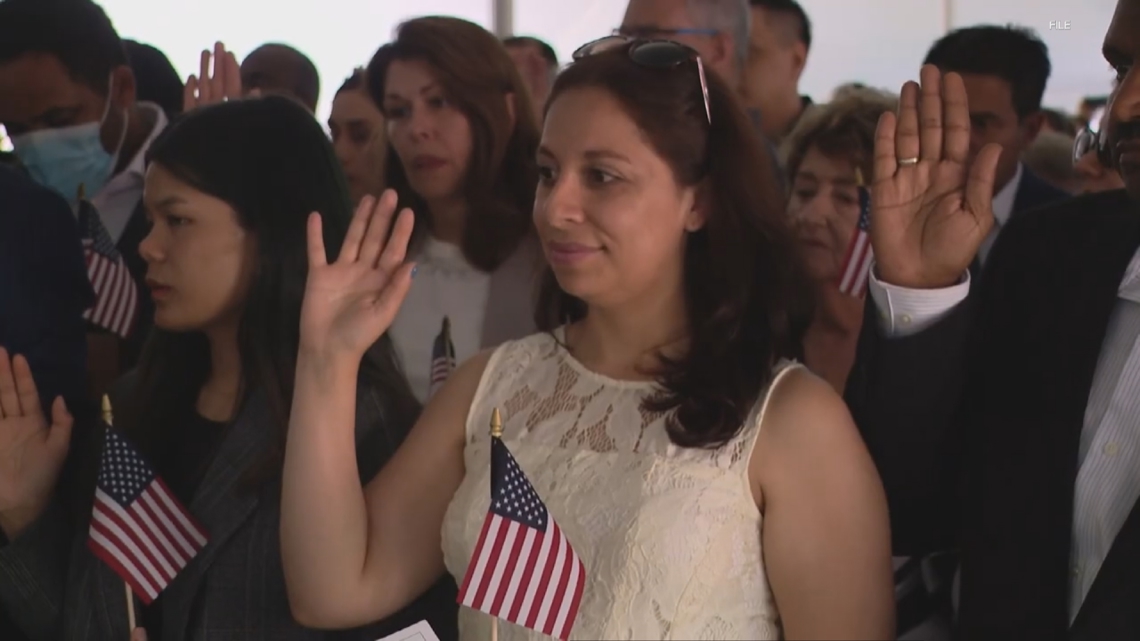
The Trump administration's latest immigration policy represents a fundamental restructuring of legal migration pathways, effectively transforming legal residency into a provisional and increasingly vulnerable status. By pausing immigration applications for 19 countries and unexpectedly canceling naturalization processes, the administration is creating a systematic erosion of immigrant rights that extends far beyond traditional enforcement mechanisms.
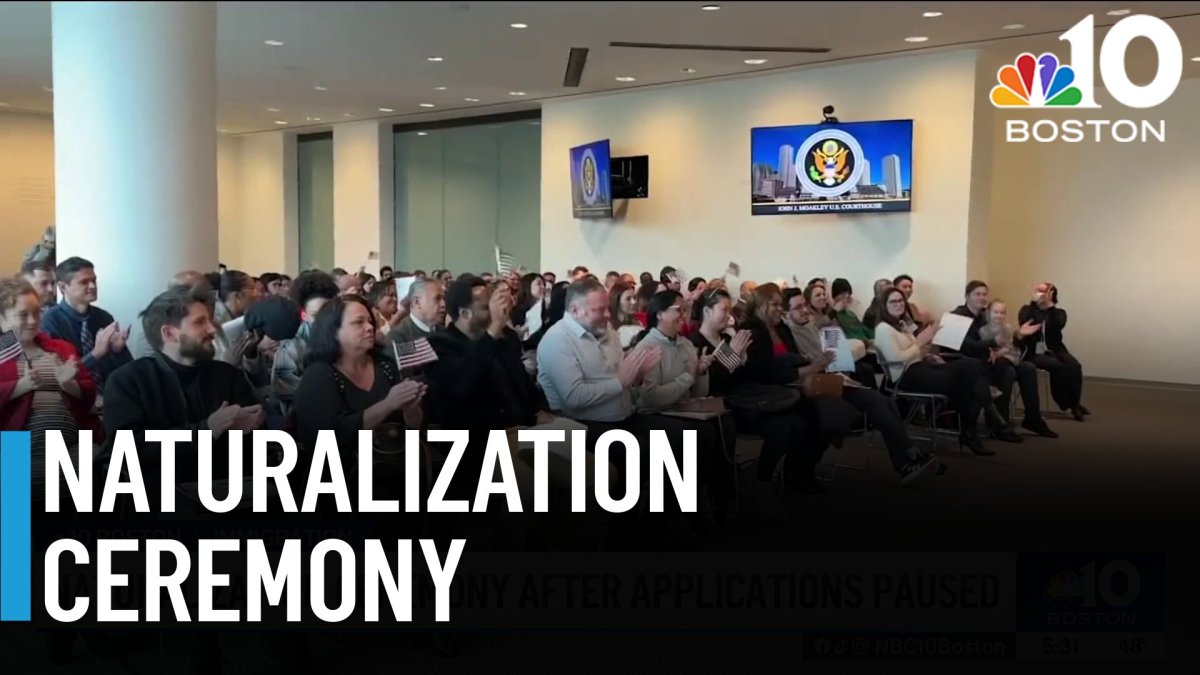
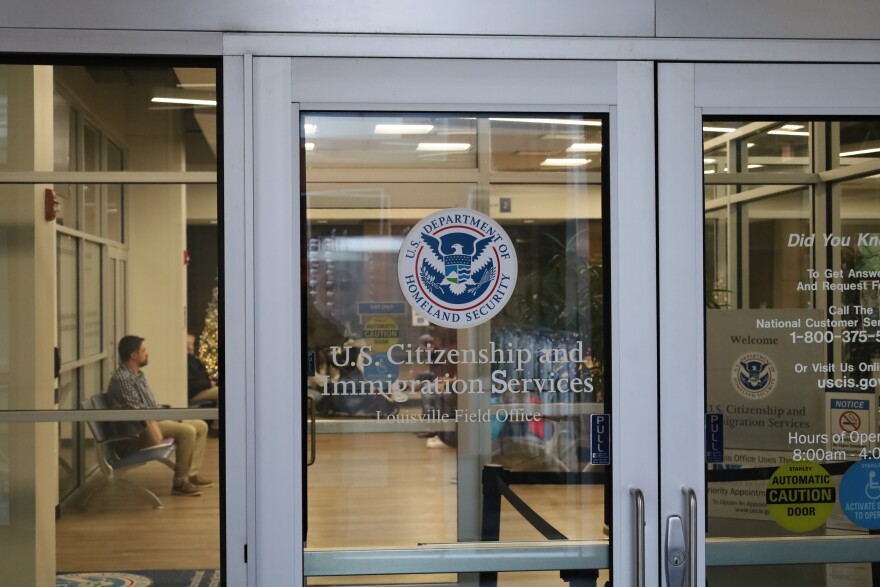
Targeted Disruption Strategy: The policy's most striking feature is its broad impact on compliant, law-abiding immigrants. Over 1.5 million pending applicants find themselves suddenly suspended in bureaucratic limbo, with the U.S. Citizenship and Immigration Services (USCIS) weaponizing administrative processes to create maximum uncertainty. The December 2 announcement and subsequent Louisville cancellations demonstrate a calculated approach to dismantling established immigration pathways.
The human impact is profound and deeply personal. Take the case of Zoe, a Cuban permanent resident married to an American citizen, whose naturalization interview was abruptly canceled. Or Ángela Linares, who lost her humanitarian parole status and now works underground, living in constant fear of deportation. These are not outlier experiences but emerging patterns of a systematic policy designed to create psychological and economic pressure on immigrant communities.
What makes this policy particularly insidious is its expansion of definitional boundaries. President Trump is not just enforcing existing rules but actively suggesting the possibility of denaturalizing migrants and dramatically broadening the definition of "criminal" to encompass broader immigrant populations. This represents a fundamental challenge to the traditional understanding of legal residency—transforming it from a right to a perpetually revocable privilege.
Local advocacy groups like the ACLU of Kentucky have condemned these actions as "devastating," highlighting the broader societal implications. The policy creates an atmosphere where even legal residents feel like second-class citizens, with diminishing rights and constant vulnerability. Immigration attorneys warn that these measures predominantly impact compliant immigrants who regularly report to ICE and attend court dates, rather than individuals with actual criminal backgrounds.
The strategic message is clear: legal compliance is no longer a guaranteed protection. For immigrants from countries like Cuba, Venezuela, Afghanistan, and several African nations, the path to citizenship has become a treacherous landscape of unpredictable administrative barriers.
Questions 3
Which specific countries are most impacted by these new immigration restrictions?
The policy targets 19 countries, including Cuba, Venezuela, Afghanistan, Congo, and several African nations. Immigrants from these countries face unprecedented challenges in maintaining legal residency and pursuing citizenship, with over 1.5 million pending applications potentially affected.
How are legal permanent residents being affected by these policy changes?
Legal permanent residents are experiencing significant uncertainty, with naturalization interviews being canceled, humanitarian parole statuses revoked, and the constant threat of potential denaturalization. Even compliant immigrants who regularly report to ICE are now living under heightened vulnerability.