



Strait of Hormuz Blockade Drives Oil to $126 | Shipping Costs Surge 15-25% for Cross-Border Sellers
- Brent crude hits 4-year high amid US-Iran tensions; logistics costs spike for sellers importing from Asia and Middle East


































Overview
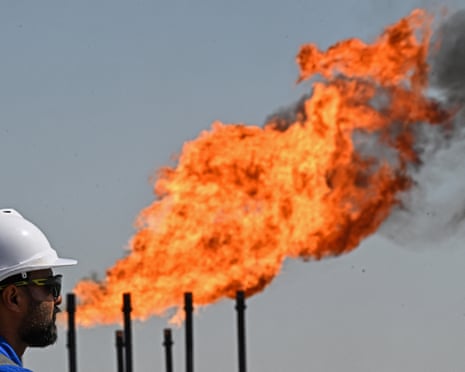
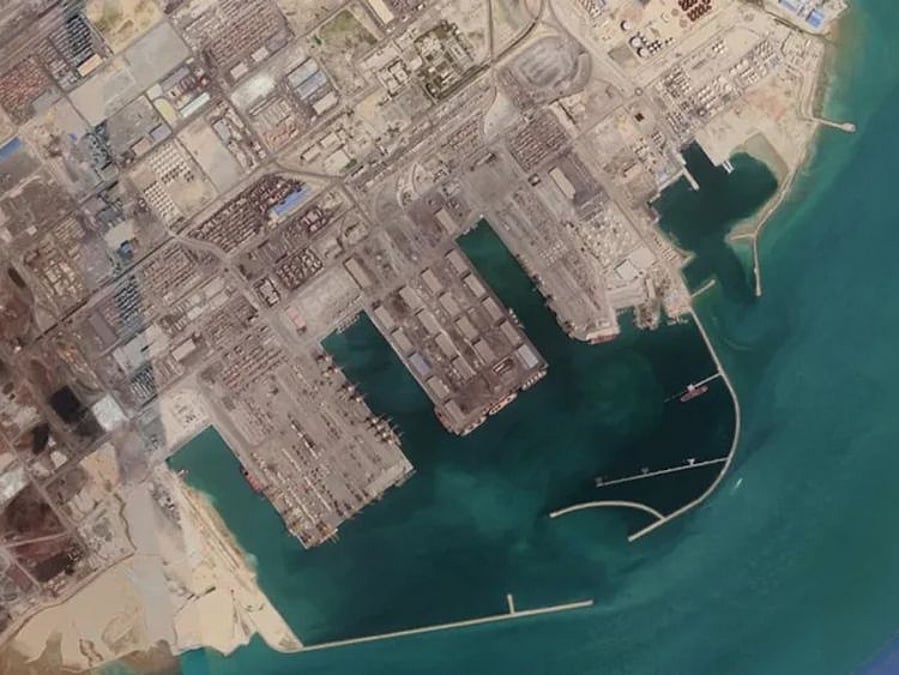
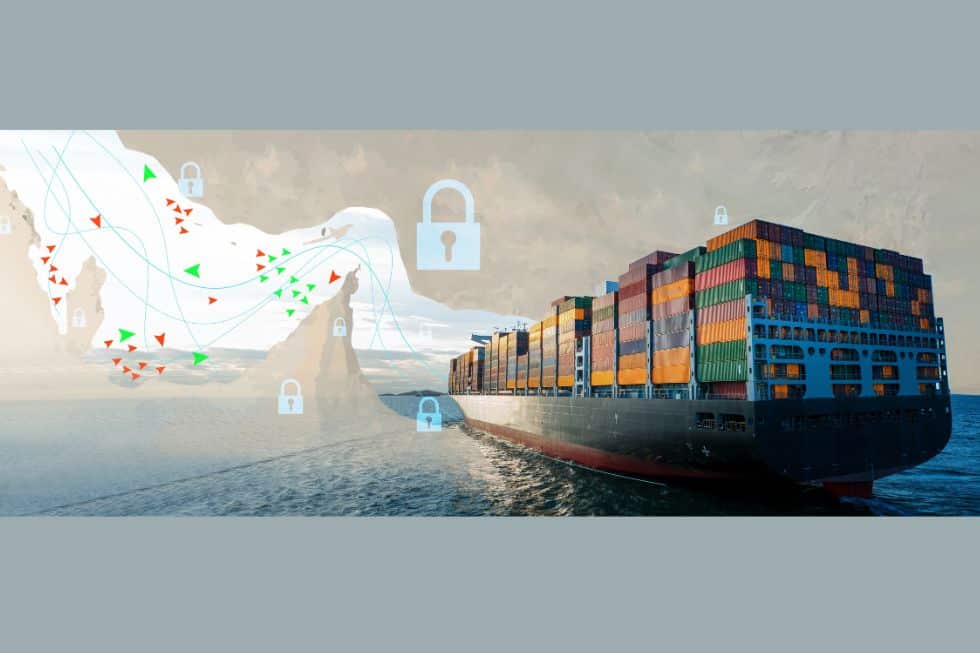
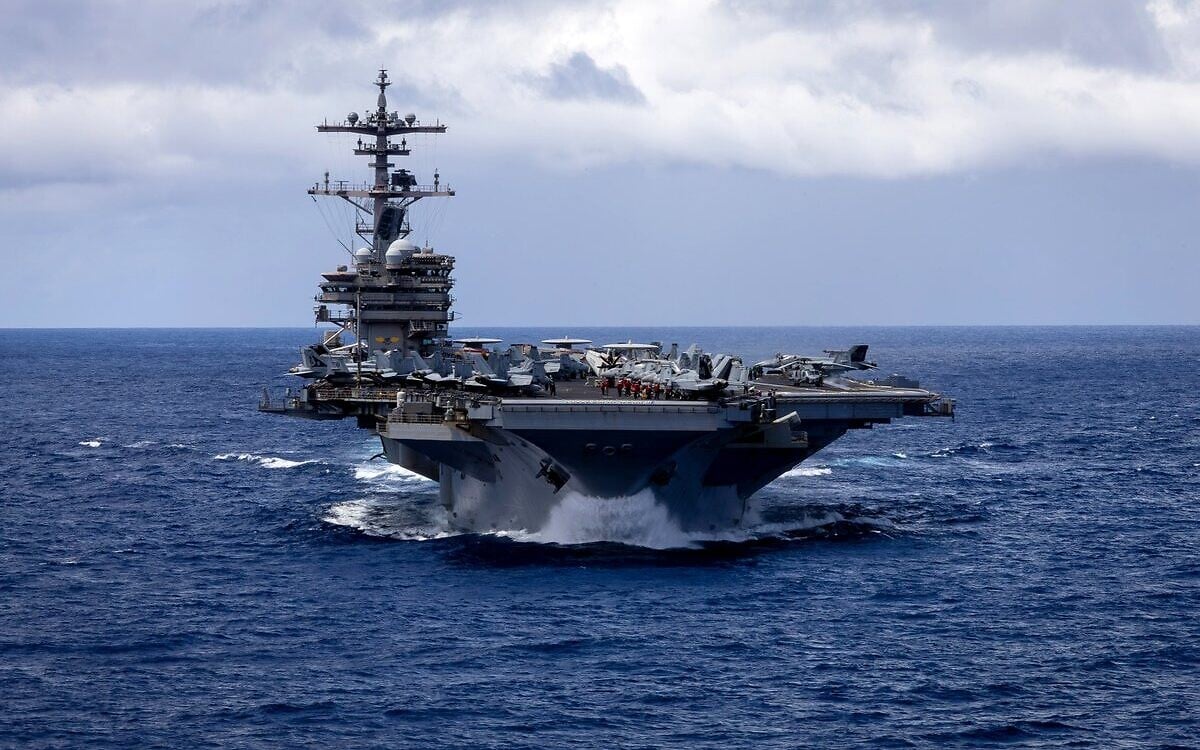
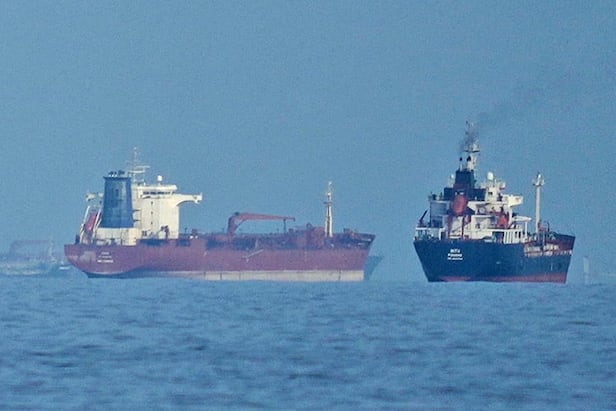
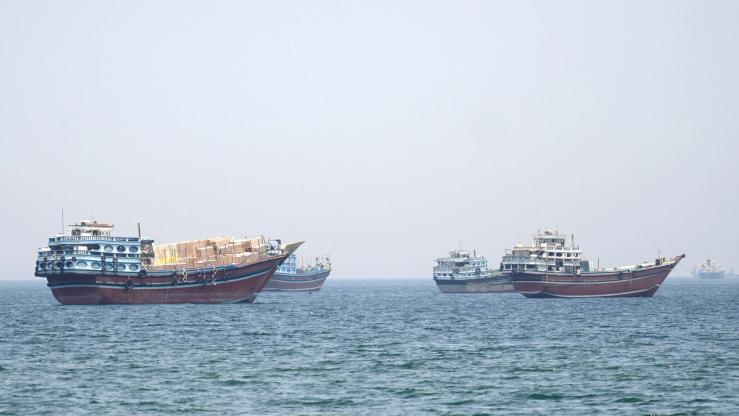
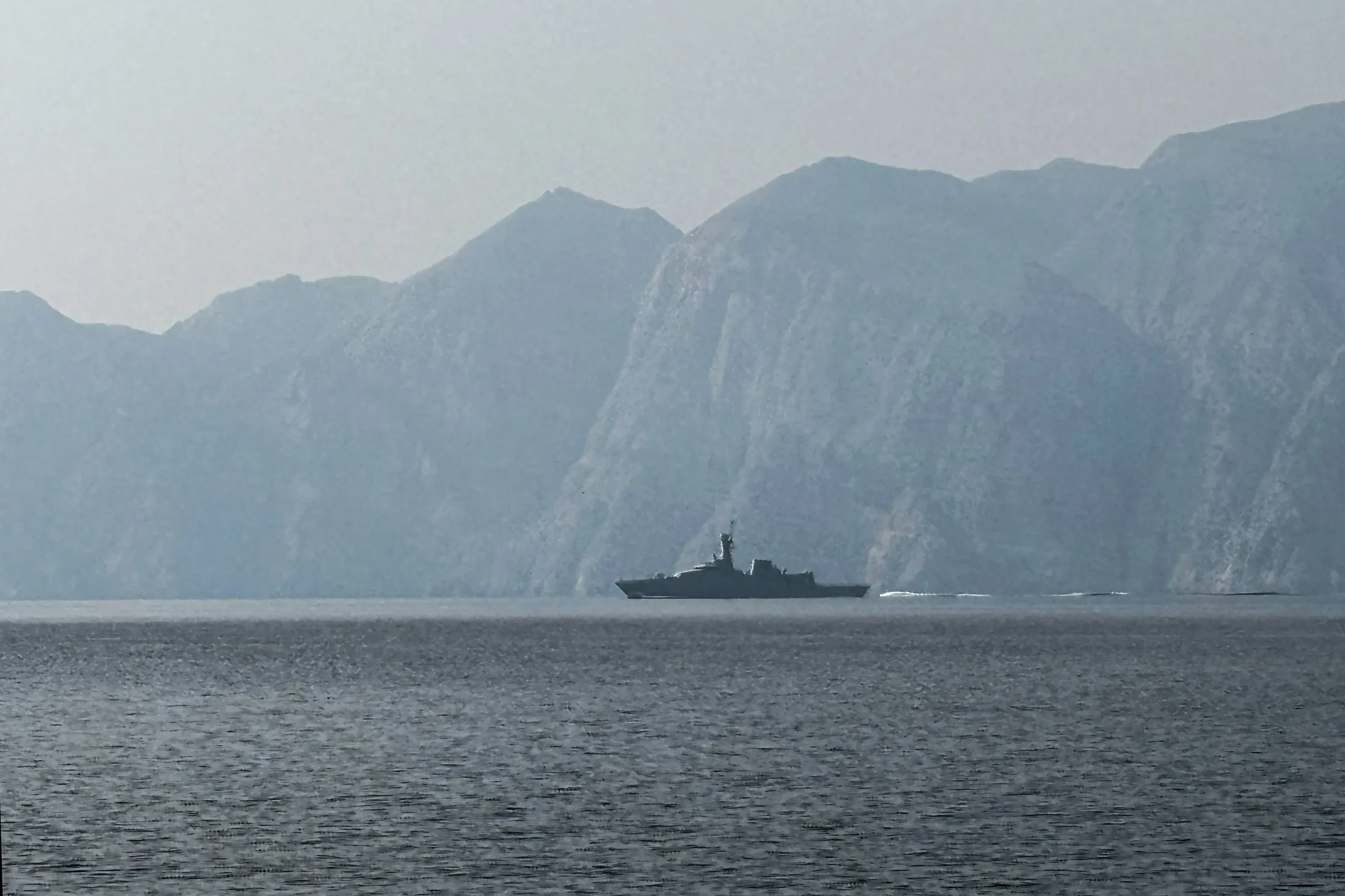
The escalating US-Iran geopolitical conflict centered on the Strait of Hormuz represents a critical supply chain crisis for cross-border e-commerce sellers. Brent crude oil surged to $126.31 per barrel (settling at $121.84, up 3.4%) following reports that US Central Command would brief President Trump on military options against Iran. The US maintains a naval blockade of Iranian ports, with Goldman Sachs analysis showing Iranian exports through the Hormuz chokepoint have plummeted to just 4% of normal levels. This creates a direct cost multiplier for sellers: industry analysts project oil could spike toward $140-150 per barrel if disruptions persist, potentially adding 15-25% to international shipping expenses.
The logistics impact is immediate and quantifiable. For sellers relying on Asia-Pacific sourcing (a critical hub for cross-border commerce), the Asian Development Bank has cut growth forecasts and raised inflation projections due to elevated fuel and food prices. UK diesel prices have surged 46 pence per liter to 189p, while petrol rose 24 pence to 157p since the conflict began. These fuel cost increases directly translate to higher last-mile delivery expenses and international shipping surcharges. A seller shipping 1,000 units monthly from China to the US could see logistics costs increase by $2,000-3,500 monthly at current price levels, compressing margins by 8-12% depending on product category and current pricing structure.
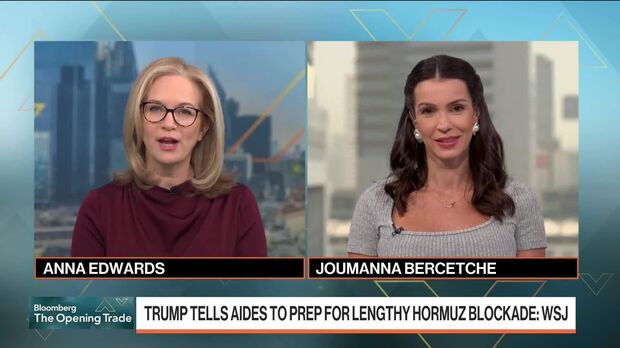
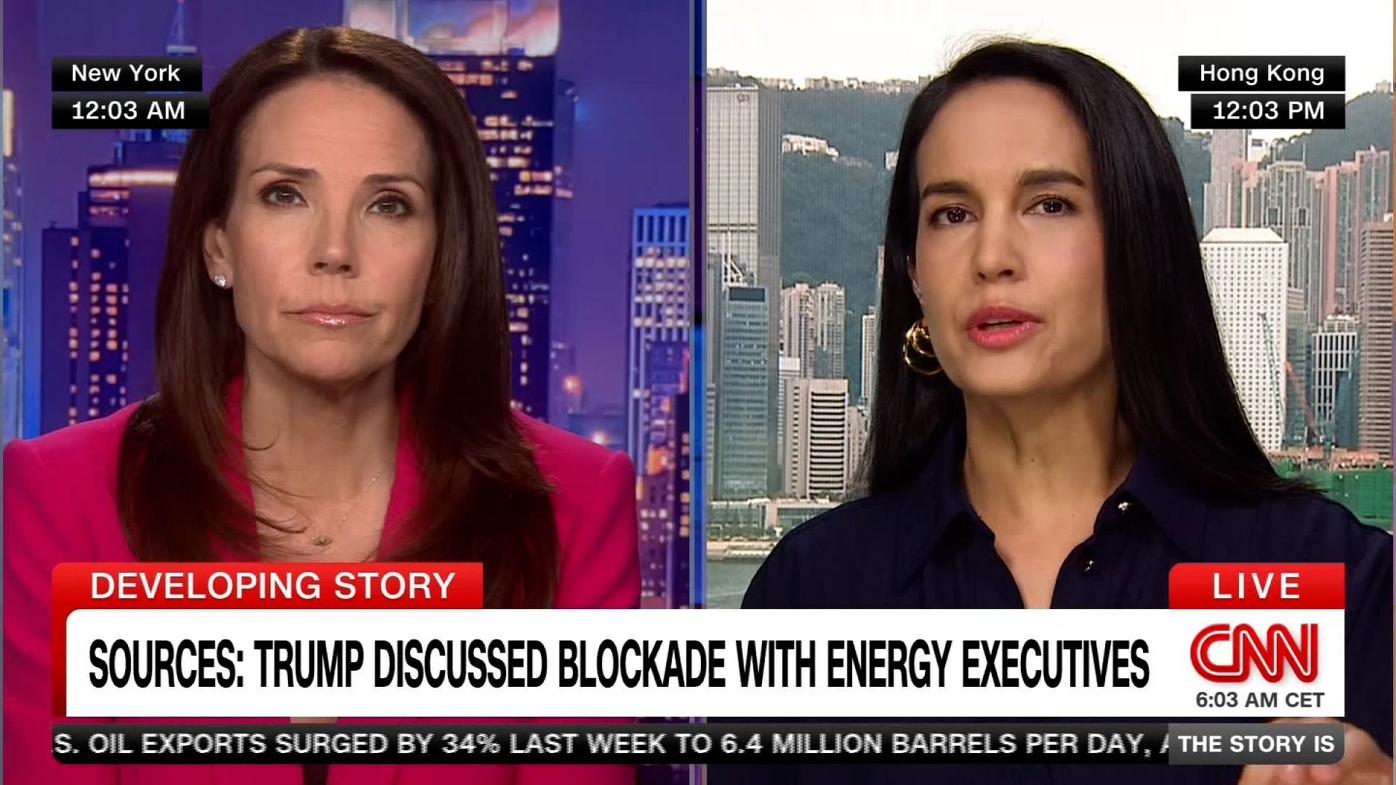
Market volatility signals extended disruption risk. The blockade's duration remains uncertain, with Trump instructing officials to prepare for extended measures. OPEC faces internal crisis with the UAE planning to exit the organization, creating additional market volatility. Global oil consumption in April is potentially 3.6 million barrels per day lower than February levels, particularly affecting jet fuel and petrochemical feedstocks—critical for packaging and logistics. Asian stock markets reacted negatively (Japan's Nikkei down 1.1%, South Korea's Kospi down 1.4%), signaling investor concerns about sustained supply disruptions. The blockade has persisted for 62 days as of April 30, 2026, with negotiations stalled over uranium stockpiles, asset releases, and war reparations—suggesting months-long duration rather than weeks.
Strategic sourcing implications emerge for seller segments. Sellers importing from Middle Eastern suppliers face direct supply chain disruptions, while those sourcing from Asia face elevated fuel surcharges on ocean freight. The blockade's persistence creates a timing window for sellers to: (1) lock in current inventory before further price escalation, (2) shift sourcing to alternative countries with lower fuel-dependent logistics (nearshoring to Mexico/Central America for US sellers), and (3) adjust pricing strategies to offset margin compression. Sellers in high-volume, low-margin categories (electronics, home goods, apparel) face the greatest pressure, while premium/luxury sellers can more easily absorb cost increases through price adjustments.
Questions 7
How long will elevated oil prices persist?
The blockade has lasted 62 days as of April 30, 2026, with negotiations stalled over uranium stockpiles, asset releases, and war reparations. Experts indicate this could require months to resolve, not weeks. Trump has instructed officials to prepare for extended measures, and the US rejected Iran's proposal to reopen the strait. Goldman Sachs flagged emerging demand risks that could eventually suppress prices, but sustained high prices are likely for at least 2-4 months. Monitor geopolitical developments weekly and adjust inventory/pricing strategies accordingly.
What supply chain risks should I monitor beyond shipping costs?
Beyond fuel surcharges, watch for: (1) Extended lead times—inventory replenishment from Asia could delay 2-4 weeks due to logistics bottlenecks; (2) OPEC instability—the UAE is planning to exit OPEC, creating additional market volatility; (3) Demand suppression—global oil consumption in April is 3.6M barrels/day lower than February, signaling potential economic slowdown affecting consumer spending; (4) Packaging inflation—petrochemical feedstocks are constrained, raising packaging costs. The Asian Development Bank has cut growth forecasts for the region, indicating broader economic headwinds.