



UAE OPEC Exit Reshapes India Energy Trade | Logistics Cost Cuts 8-15% for Cross-Border Sellers
- UAE increases crude production to 5M barrels by 2027, reducing India's energy import costs and shipping expenses for 90% of crude imports; creates 8-15% logistics savings for India-based cross-border sellers and 12-18% margin improvements for energy-dependent manufacturing exporters

























Overview
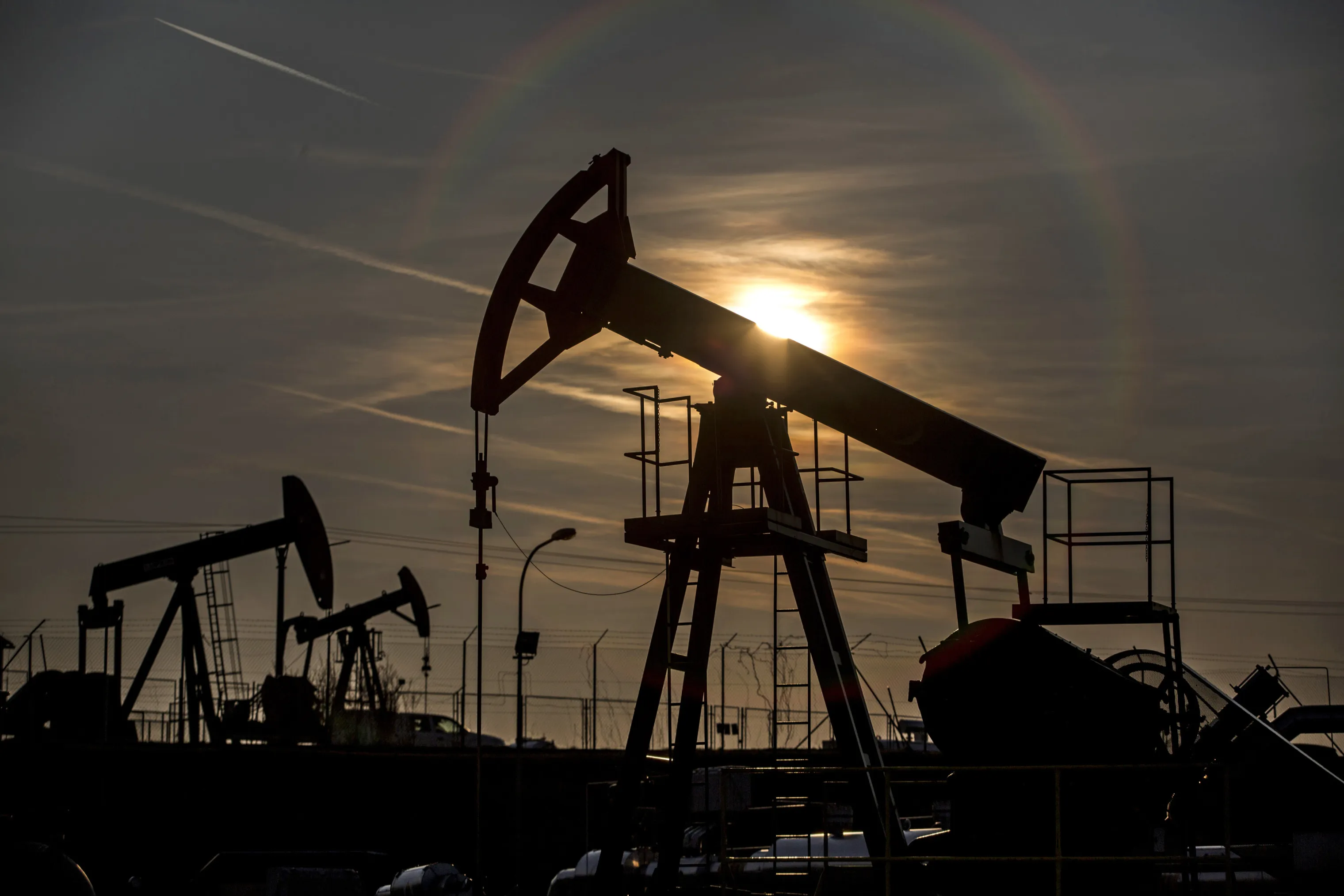
The UAE's strategic exit from OPEC and commitment to increase crude oil production from 3-3.2 million barrels per day to 5 million barrels by 2027 represents a transformative geopolitical shift with direct implications for India's cross-border e-commerce ecosystem. As the third-largest OPEC producer contributing 13% of group output, the UAE's unconstrained production strategy enables India—which imports 90% of its 5.8 million barrels daily consumption—to negotiate long-term oil agreements without OPEC quota restrictions, potentially securing 8-12% price reductions from a strategically aligned supplier.
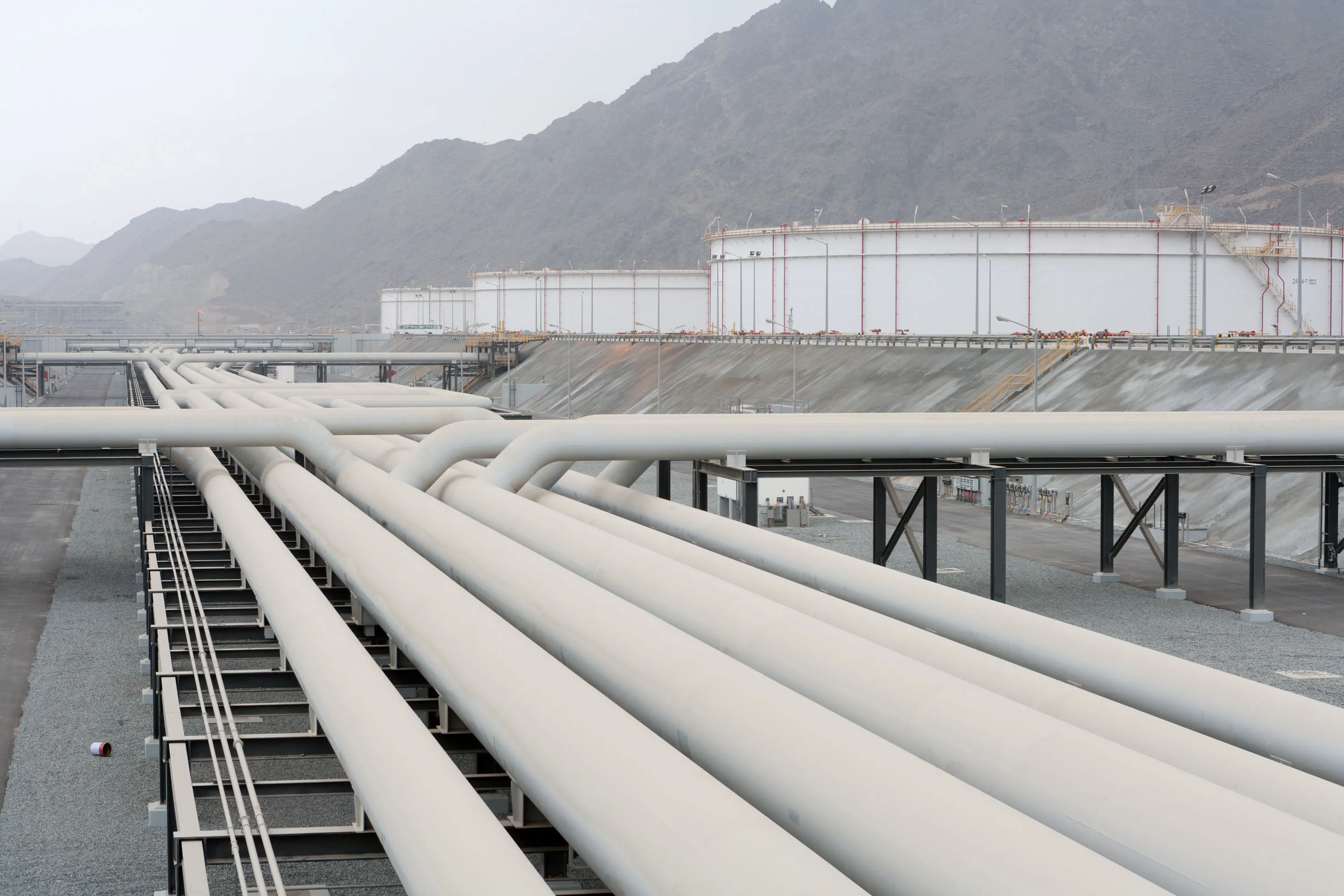
For cross-border sellers, this translates into measurable logistics cost compression. The geographical proximity between UAE and India compared to traditional suppliers (US, Russia, African nations) reduces freight charges significantly. Industry analysis indicates shipping costs from UAE to Indian ports run 35-40% lower than African suppliers and 45-50% lower than US Gulf Coast routes. This creates immediate margin expansion for India-based sellers exporting manufactured goods, textiles, electronics, and chemicals—categories heavily dependent on energy-intensive production. Sellers shipping 500+ containers monthly could realize $15,000-$35,000 annual logistics savings, directly improving competitive positioning against Chinese and Southeast Asian competitors.
The supply stability advantage is equally critical. The UAE's current capacity of 4.2-4.5 million barrels daily, combined with its strategic location amid West Asian military conflicts, positions it as a reliable alternative to constrained regional suppliers. This reduces energy price volatility—a key cost driver for Indian manufacturers. Lower, more predictable energy costs enable Indian exporters to offer 5-8% more competitive pricing on finished goods, improving conversion rates on Amazon, eBay, and Shopify platforms where price sensitivity drives Buy Box competition.
Market access implications extend beyond energy. Reduced production costs for Indian manufacturers strengthen their competitive advantage in labor-intensive categories: apparel (HS 6204-6209), footwear (HS 6401-6406), and consumer electronics assembly (HS 8471-8517). These categories represent $45B+ in annual India-to-global cross-border trade. Sellers in these verticals can reallocate cost savings toward PPC advertising, inventory expansion, and platform fee absorption—critical competitive levers in saturated Amazon and Shopify markets.
The timing window is urgent. UAE production ramp-up accelerates through 2025-2027, with most cost benefits materializing by Q3 2025. Sellers must capitalize on this 18-24 month window before competitors recognize and exploit the advantage. India-based sellers should immediately audit energy-dependent supply chains and lock in long-term supplier agreements before UAE crude price advantages dissipate through market equilibration.
Questions 8
What are the risks if sellers don't act on this opportunity?
Sellers who delay action risk losing the 18-24 month competitive advantage window as market equilibration occurs by late 2025. Competitors who recognize the opportunity will lock in supplier agreements, secure better shipping rates, and expand inventory before cost advantages dissipate. This creates a first-mover disadvantage where early actors capture market share and improve conversion rates while late movers face compressed margins. Additionally, energy cost savings may be temporary if OPEC members respond to UAE's exit with production cuts, or if geopolitical tensions in West Asia disrupt UAE supplies. Sellers should act immediately to secure supplier agreements, optimize logistics, and reallocate cost savings toward competitive positioning before the window closes.
How does this geopolitical shift affect India's negotiating position in bilateral trade agreements?
The UAE's OPEC exit strengthens India's negotiating position by providing an alternative crude supplier unconstrained by OPEC quotas. According to Indian petroleum ministry officials, this enables India to negotiate long-term oil trade agreements without production restrictions, potentially securing 8-12% price reductions from a strategically aligned supplier. This improved energy security translates into lower manufacturing costs for Indian exporters, enhancing their competitiveness in global markets. The development also signals India's strategic importance to UAE, potentially opening doors for broader bilateral trade agreements that could reduce tariffs on Indian manufactured goods. Sellers should monitor India-UAE trade negotiations for potential tariff reductions on apparel, electronics, and chemicals—categories that could see additional 3-5% cost advantages through preferential trade terms.