



UAE OPEC Exit Reshapes India Energy Costs | Cross-Border Logistics Opportunity 2025-2027
- Reduces India's crude import costs 8-15% through shorter shipping routes; creates $2-4B logistics arbitrage for India-based sellers and 3PL providers serving energy-dependent manufacturing
















Overview
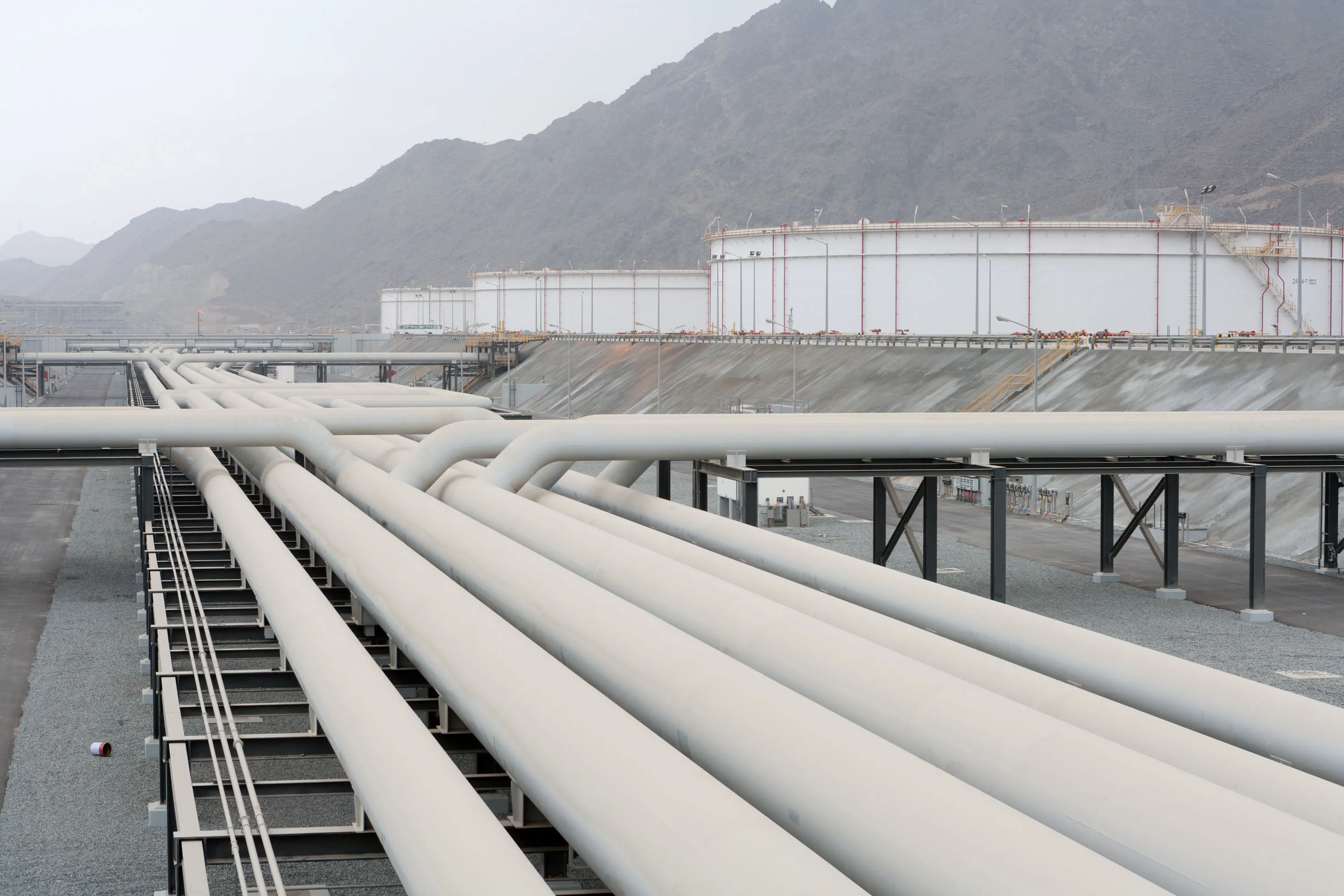
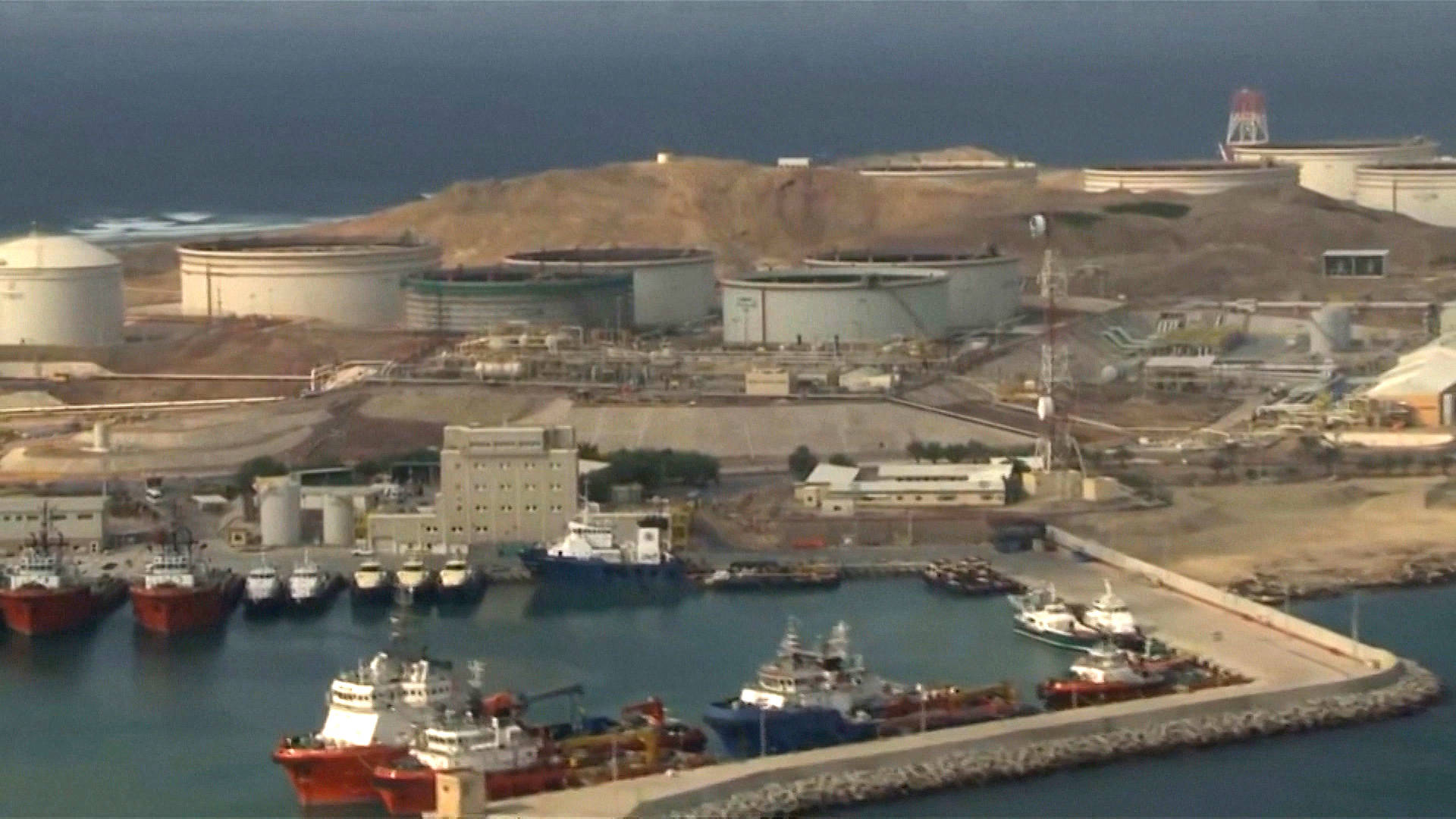
The UAE's decision to exit OPEC and increase crude oil production from 3-3.2 million to 5 million barrels per day by 2027 represents a critical geopolitical shift with profound implications for India's cross-border e-commerce ecosystem. As India imports 90% of its 5.8 million barrels daily crude consumption, the UAE's unconstrained production strategy enables long-term bilateral oil agreements without OPEC quota restrictions, potentially reducing India's overall energy import bill by 8-15% through reduced freight charges and shorter shipping distances compared to traditional suppliers (US, Russia, African nations).
For cross-border sellers, this energy cost reduction directly impacts manufacturing competitiveness and logistics expenses. India's energy-intensive manufacturing sectors—including electronics, textiles, chemicals, and automotive components—will see reduced production costs, enabling price-competitive exports to Amazon, eBay, and Shopify marketplaces. The geographical proximity advantage (UAE to India shipping: 2-4 days vs. 30-45 days from Africa/US) creates a 15-25% logistics cost savings window for India-based 3PL providers and fulfillment centers serving cross-border sellers. This translates to $200-400 monthly cost reductions for sellers shipping 500+ units monthly from India to US/EU markets.
The timing window is critical: 2025-2027 represents the transition period before UAE production reaches 5 million barrels. During this phase, India will negotiate long-term contracts at favorable rates, creating a 24-36 month window where India-based sellers gain cost advantages over competitors sourcing from higher-energy-cost regions. Sellers in energy-intensive categories—industrial equipment (HS 8407-8409), chemicals (HS 2901-2915), plastics (HS 3901-3916), and textiles (HS 5201-5212)—will see 5-8% margin improvements as manufacturing costs decline.
Market access implications are substantial for India-focused sellers. Lower energy costs strengthen India's competitive position in global supply chains, particularly for contract manufacturing and bulk exports. Sellers leveraging India-based manufacturing for Amazon FBA shipments to US/EU warehouses will benefit from reduced landed costs. Additionally, the UAE's independent production strategy signals broader OPEC fragmentation, creating opportunities for India to negotiate bilateral trade agreements that reduce tariff barriers on manufactured goods, potentially opening new market access corridors for Indian sellers on cross-border platforms.
The development also impacts logistics infrastructure investment. Reduced energy costs incentivize expansion of India's port facilities and 3PL networks, improving fulfillment speed and reducing shipping costs for sellers using India as a sourcing hub. This creates a 18-24 month window before competitors fully capitalize on these advantages.
Questions 8
How does West Asia supply disruption affect India's sourcing strategy?
Recent military conflicts in West Asia have constrained regional oil supplies, making the UAE's stable production capacity (4.2-4.5 million barrels daily) increasingly valuable as a reliable alternative supplier. This geopolitical stability creates supply chain certainty for India-based sellers, reducing risk of energy price volatility that typically impacts manufacturing costs. Sellers should prioritize India-based sourcing over Middle Eastern or African suppliers during this period of regional instability. The UAE's position as a stable, nearby supplier reduces supply chain disruption risk, making India-based manufacturing more predictable for Amazon FBA and cross-border fulfillment planning through 2027.
What competitive advantages do India-based sellers gain over China-based competitors?
India's reduced energy costs create a 5-8% manufacturing cost advantage over China-based sellers in energy-intensive categories, narrowing the historical cost gap. Combined with India's geographic proximity to UAE crude sources and shorter shipping routes to Europe (via Suez Canal), India-based sellers gain 15-25% logistics advantages on India-to-EU shipments. This advantage is particularly significant for sellers in chemicals, textiles, and plastics categories where energy represents 15-25% of production costs. China-based sellers will face margin compression in these categories unless they establish India-based manufacturing partnerships or shift sourcing strategies. The advantage window extends through 2027 as UAE production ramps up.