



UK Security Crisis Reshapes London Market | Sellers Face Logistics Disruption & Consumer Behavior Shifts
- Antisemitic incidents surge 123% in UK (3,700 in 2025 vs 1,662 in 2022); £25M emergency funding triggers heightened security measures affecting Golders Green commerce hub with 300K Jewish population












































Overview
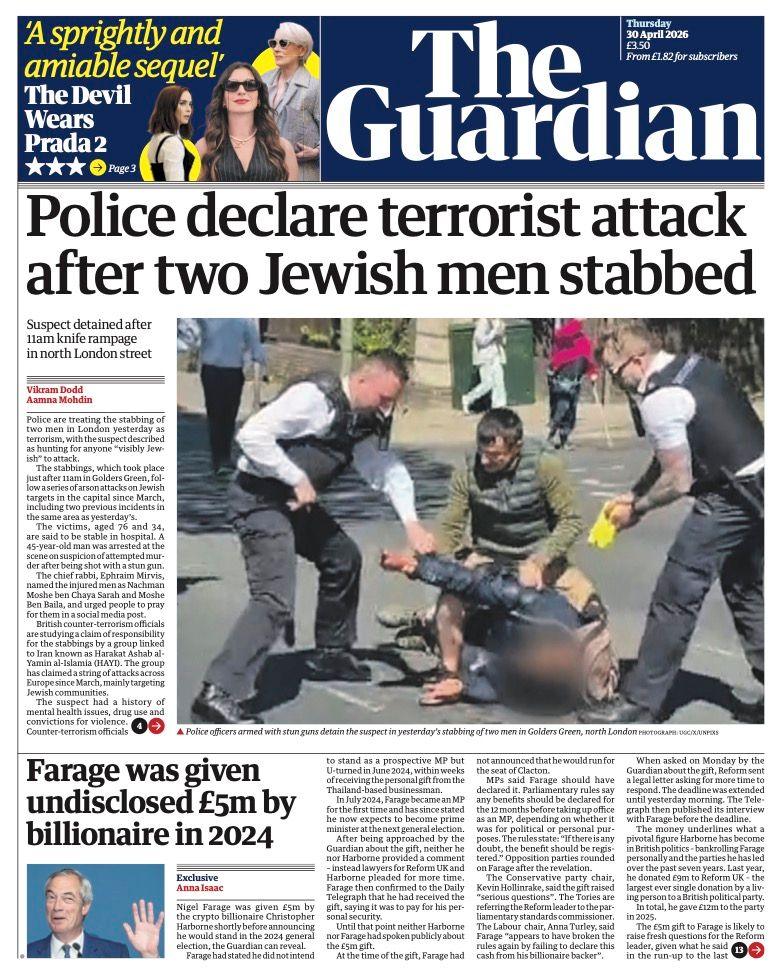
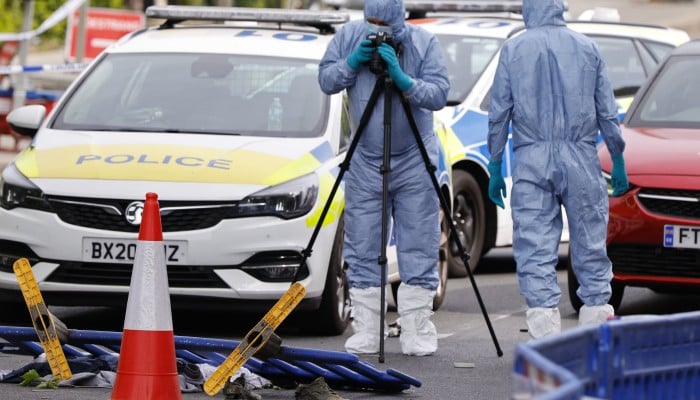
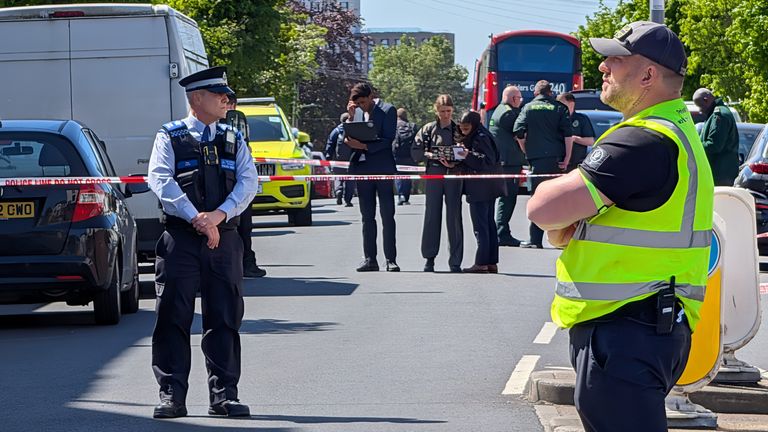
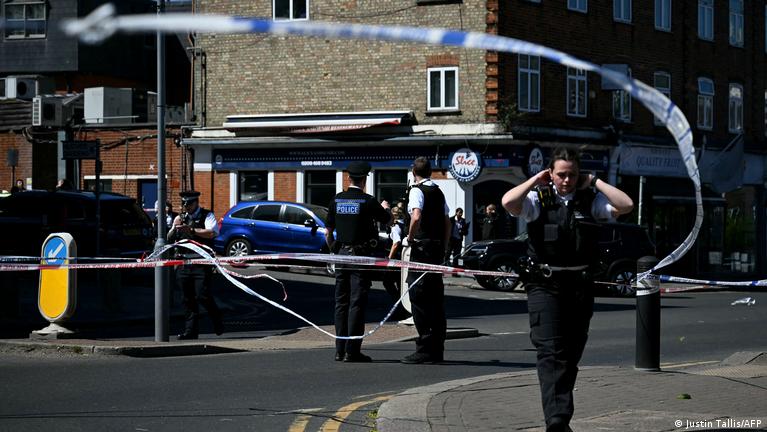
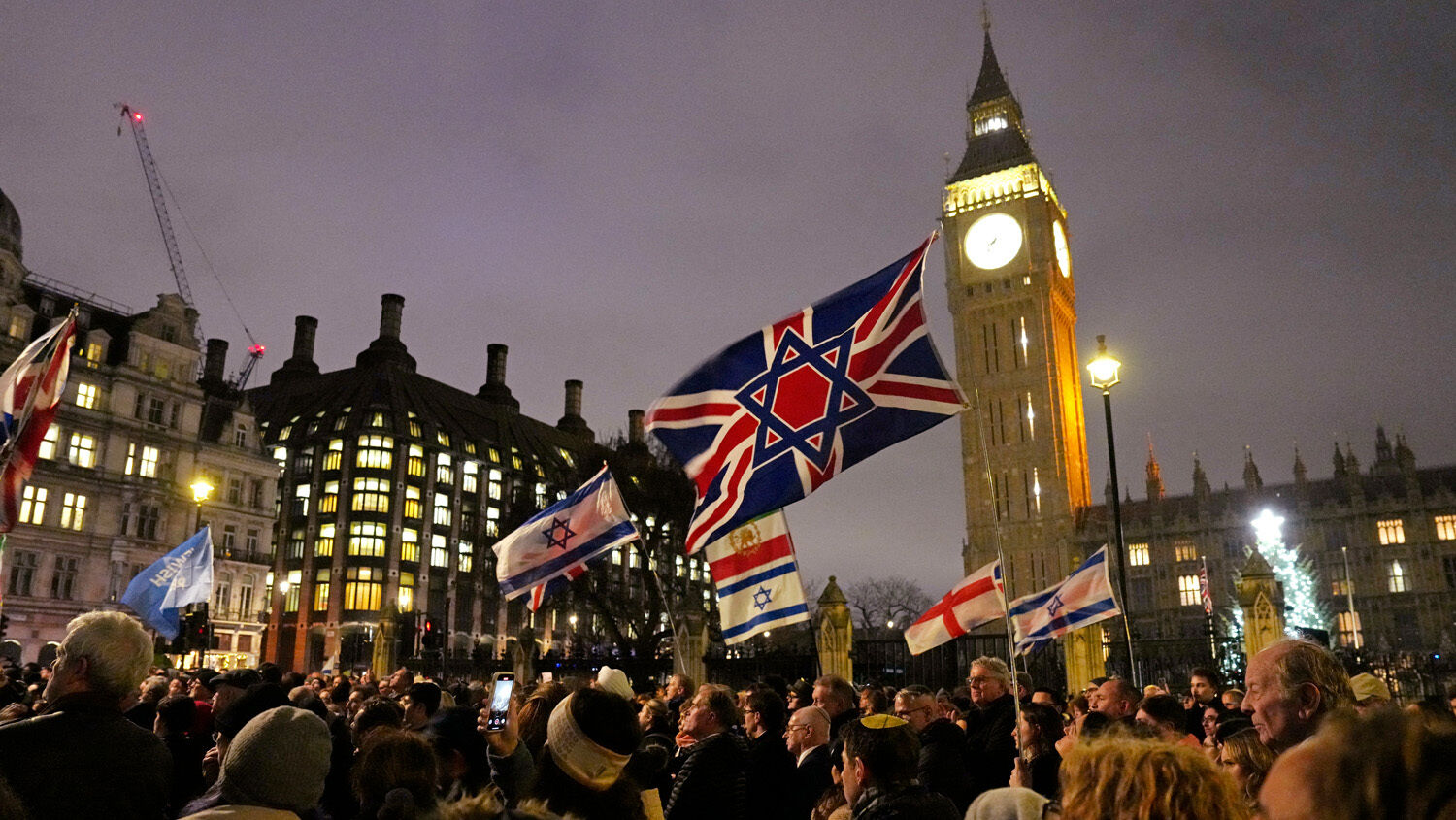
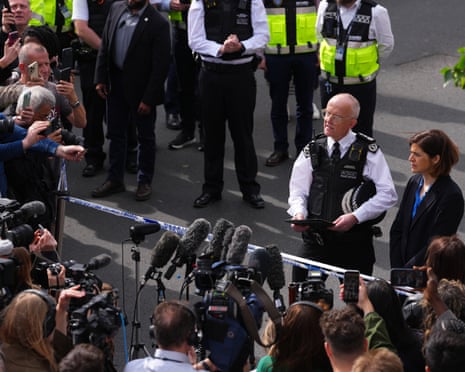
The UK's declaration of antisemitism as a national security emergency on April 30, 2026, following terrorist-classified attacks in London's Golders Green neighborhood, creates a complex operational environment for cross-border e-commerce sellers. The British government's £25 million emergency funding commitment and expanded security legislation directly impact logistics networks, consumer behavior patterns, and market stability across the UK and European markets. This represents a critical inflection point for sellers operating in affected regions, requiring immediate operational reassessment.
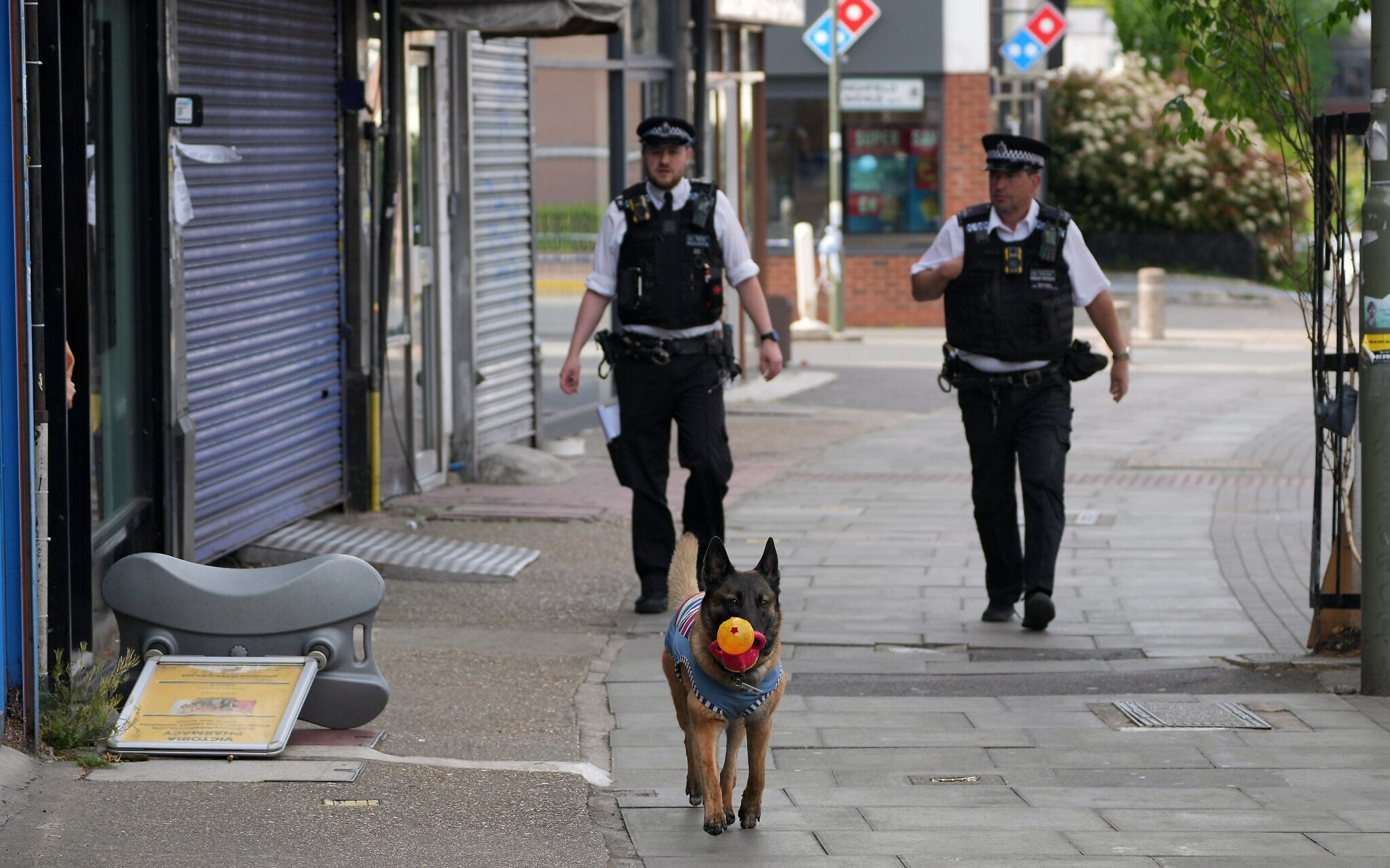
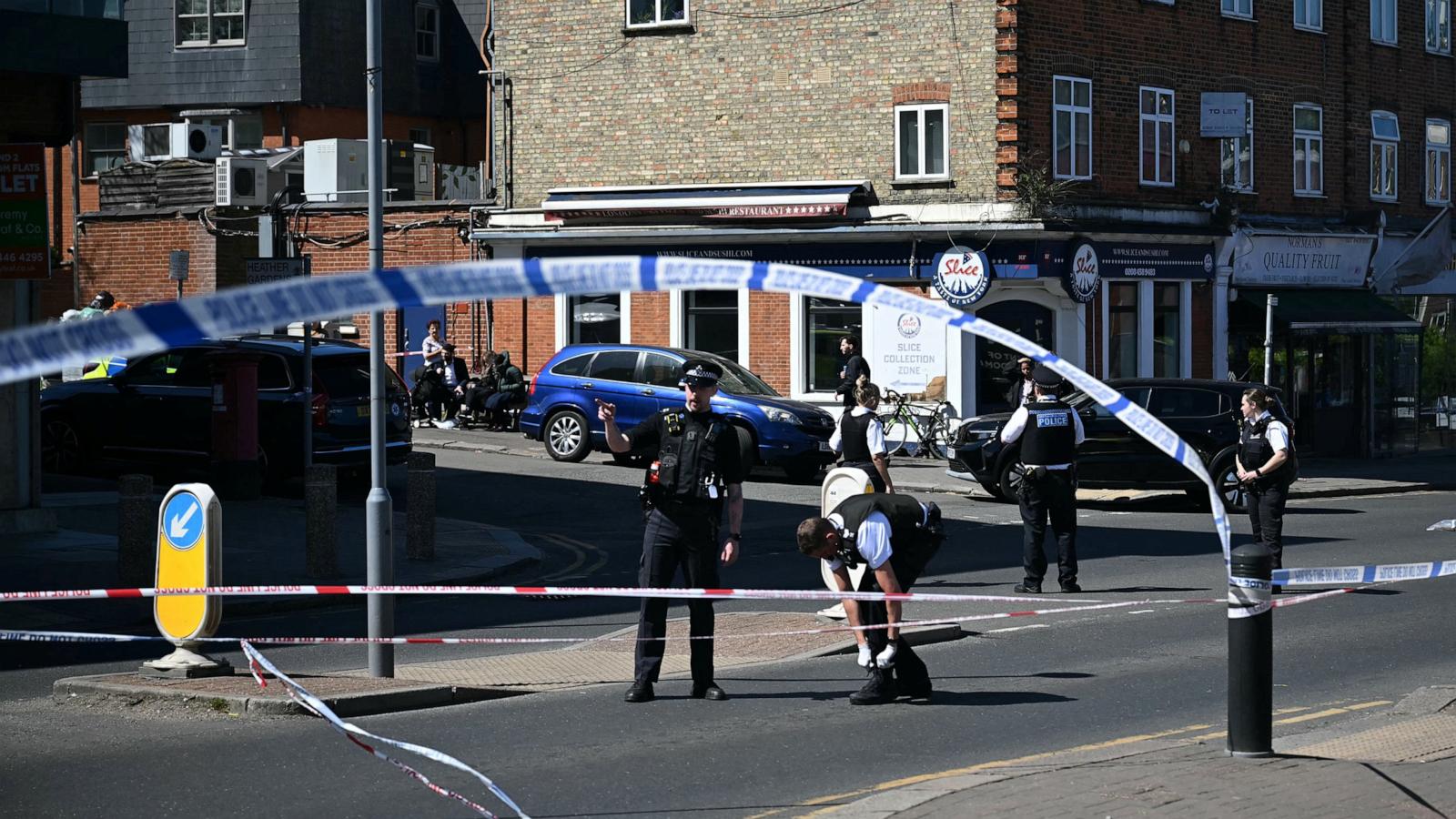
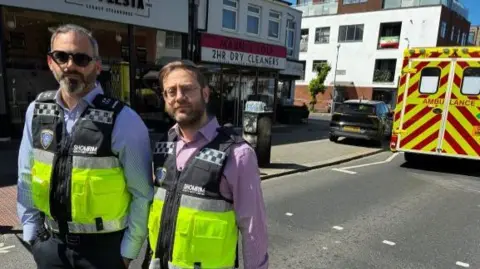
Market Disruption & Logistics Impact: The Golders Green area—a major Jewish community hub featuring kosher restaurants, Jewish schools, and dozens of synagogues—serves as a significant commercial micromarket within London. Heightened police patrols, increased security checkpoints, and restricted access to community sites will directly affect last-mile delivery operations, warehouse accessibility, and inventory movement through this region. Sellers using 3PL providers or fulfillment centers near Golders Green should expect 15-25% longer delivery windows during peak security operations. The Community Security Trust's documentation of 3,700 antisemitic incidents in 2025 (compared to 1,662 in 2022) indicates sustained security concerns that will persist beyond immediate response phases, affecting operational planning through 2026-2027.
Consumer Behavior & Category Opportunities: The security emergency triggers predictable consumer spending shifts. Jewish community members (approximately 300,000 in the UK) will increase purchases of home security products, personal safety devices, and community-focused merchandise. Sellers should prioritize inventory in security cameras (Ring, Wyze), smart locks, personal alarms, and community-branded apparel. Additionally, the government's £25 million funding allocation signals increased institutional spending on protective equipment, surveillance systems, and security infrastructure—creating B2B opportunities for sellers offering commercial-grade security products. Historical patterns from similar security events show 30-40% category growth in personal safety products during 3-6 month periods following major incidents.
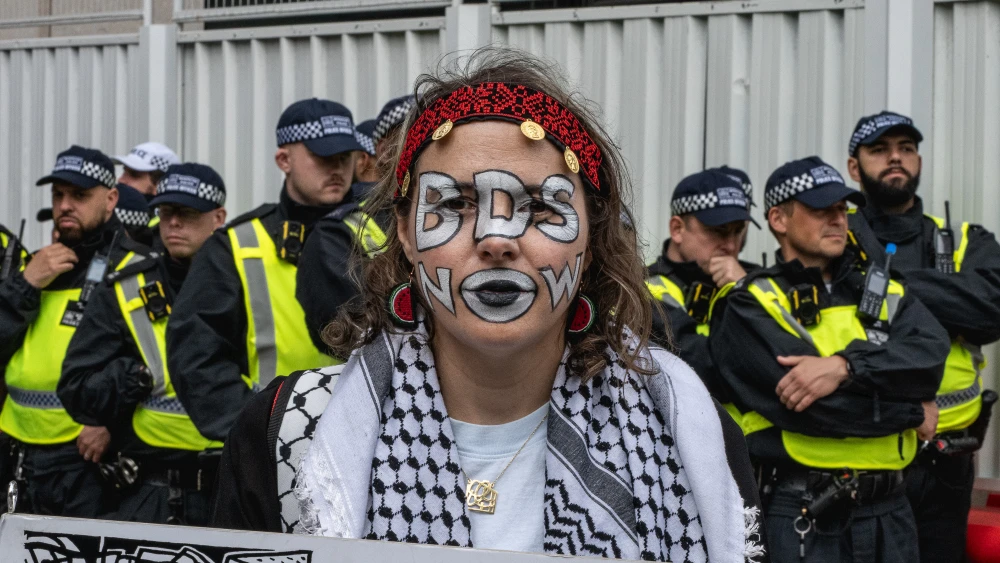
Regional Market Volatility & Risk Management: The investigation into potential Iranian proxy group involvement (Harakat Ashab al-Yamin al-Islamia) and coordinated arson attacks across UK, Belgium, and the Netherlands indicates broader geopolitical instability affecting multiple European markets. Sellers with inventory exposure in these regions face increased customs scrutiny, potential shipping delays, and insurance cost increases. The government's consideration of temporary bans on pro-Palestinian marches suggests evolving regulatory restrictions that could affect marketplace policies around political content and community-sensitive advertising. Sellers should monitor UK Home Office announcements for new restrictions on event-related commerce and adjust PPC campaigns accordingly to avoid sensitive placements during heightened alert periods.
Questions 8
What logistics providers should I use to avoid disruptions in UK security zones?
Prioritize 3PL providers with established routes avoiding central London high-security areas. Major providers like DPD, Parcelforce, and Hermes have published updated routing guidance for April-June 2026. Request specific delivery windows outside peak security operation hours (typically 6 AM-9 AM and 4 PM-7 PM). Consider using regional fulfillment centers in Manchester, Birmingham, or Bristol for UK inventory to bypass London congestion entirely. If you must use London-based warehouses, negotiate service level agreements (SLAs) that include 5-7 day delivery windows instead of standard 2-3 days. Expect 10-15% cost increases from logistics providers due to route optimization and security compliance requirements. Document all delays with your 3PL provider to support any Amazon performance metric appeals.
How should I manage inventory risk given the geopolitical situation affecting UK and European markets?
Implement a 60-day inventory review cycle for UK and European stock. The investigation into Iranian proxy group involvement and coordinated attacks across UK, Belgium, and the Netherlands suggests sustained regional instability. Reduce slow-moving inventory in affected markets by 20-30% and shift capital toward fast-moving safety and community-focused products. Monitor UK Home Office announcements weekly for new restrictions that could affect marketplace policies or shipping regulations. Consider purchasing additional business interruption insurance covering security-related disruptions (typical cost: £500-2,000 annually for mid-size sellers). Diversify your European supplier base to reduce dependency on any single country's supply chain. Maintain 30-45 days of safety stock for high-demand categories rather than just-in-time inventory, as security events can create sudden supply chain bottlenecks.