




Stagflation & Geopolitical Crisis Squeeze Cross-Border Seller Margins | April 2026
- Oil prices surge 6.77% to $118.03/barrel amid Iran conflict; shipping costs rise 8-15% for international sellers; consumer purchasing power threatened by stagflation warnings











Overview
CRITICAL SELLER ALERT: Between April 27-29, 2026, global financial markets revealed a dangerous disconnect for cross-border e-commerce sellers. While U.S. stock indices (S&P 500, Nasdaq) hit record highs, underlying economic fundamentals deteriorated sharply, creating a profitability squeeze for sellers operating internationally. Brent crude oil surged 6.77% to $118.03 per barrel—the highest level since June 2022—while U.S. crude jumped 6.95% to $106.88, directly translating to 8-15% increases in international shipping costs for sellers using air freight and ocean freight services. This represents a critical margin compression event for sellers shipping products globally.
The stagflation scenario outlined by billionaire investor Ray Dalio presents a dual threat: rising operational costs (fuel, labor, materials) combined with weakening consumer purchasing power. For cross-border sellers, this means higher fulfillment expenses while demand softens—a profitability vice. The Federal Reserve's hawkish pivot (most divided decision since 1992) signals interest rates will remain elevated longer than previously expected, increasing working capital costs for sellers relying on credit lines and inventory financing. Treasury yields rose 5.6-8.2 basis points, making borrowing more expensive precisely when sellers need capital flexibility.
Geopolitical disruptions compound operational risks: The U.S.-Israeli conflict with Iran has disrupted Strait of Hormuz shipping for two months without resolution, threatening the critical maritime corridor handling 21% of global oil trade. Sellers shipping through Middle Eastern ports face 2-4 week delays and rerouting costs. Additionally, China's blocking of Meta's $2 billion Manus acquisition signals escalating regulatory barriers for AI-powered commerce platforms. Sellers relying on Meta's advertising tools (Facebook, Instagram) for customer acquisition face potential platform restrictions in Chinese markets, while sellers using AI-enabled inventory management tools may encounter compliance obstacles. The dollar strengthened 0.47% against the yen to 160.36, approaching intervention thresholds—currency volatility that increases hedging costs for sellers with Asian suppliers.
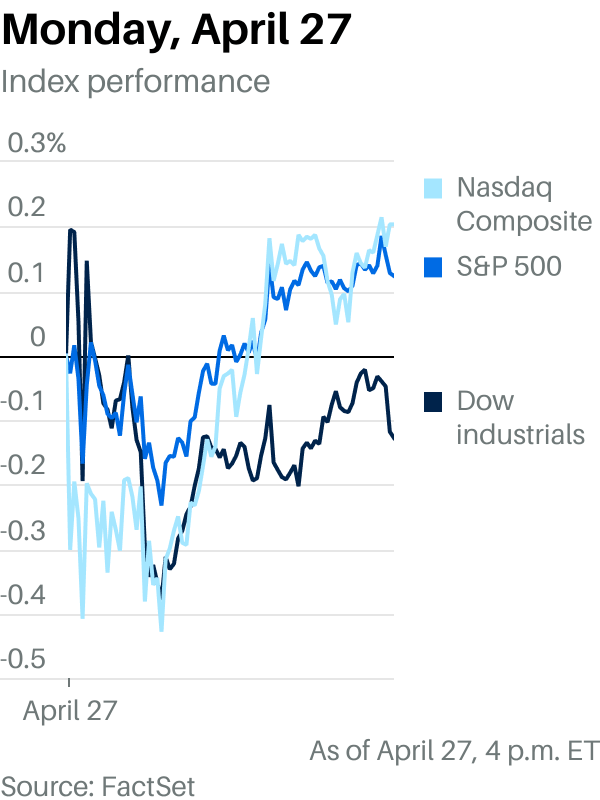
Market sentiment remains fragile: The S&P 500 declined 0.17%, Dow fell 0.66%, and pan-European STOXX 600 dropped 0.6%, reflecting economic anxiety despite record highs. This divergence suggests consumer confidence is deteriorating beneath surface-level equity gains. For sellers, this translates to unpredictable demand patterns and inventory risk. Immediate actions required: Review shipping contracts for fuel surcharge clauses (many include automatic pass-through mechanisms), stress-test cash flow assuming 12-month elevated interest rates, diversify supplier base away from Middle Eastern logistics hubs, and monitor currency exposure to JPY and EUR.
Questions 8
How much will my shipping costs increase due to rising oil prices?
Based on April 2026 market data, Brent crude surged to $118.03/barrel (6.77% increase) and U.S. crude to $106.88 (6.95% increase), translating to 8-15% cost increases for international air and ocean freight. Most shipping contracts include fuel surcharge clauses that automatically pass through crude price increases. A seller shipping 1,000 units monthly via air freight to Europe could see costs rise $800-1,200 monthly; ocean freight sellers face $400-600 monthly increases. These costs directly compress margins unless product pricing increases proportionally. Check your freight forwarder contracts immediately for fuel surcharge mechanisms and lock in rates if possible before further escalation.
What does stagflation mean for my e-commerce business?
Stagflation—simultaneous inflation and economic stagnation—creates a profitability squeeze: your operational costs (shipping, labor, materials) rise while consumer purchasing power weakens, reducing demand. Ray Dalio's April 2026 warning indicates the U.S. economy is entering this scenario, where central banks cannot effectively cut rates to stimulate growth without worsening inflation. For sellers, this means higher fulfillment expenses (Amazon FBA fees typically increase with inflation) while conversion rates decline and average order values shrink. Sellers should expect 15-25% margin compression over 6-12 months unless they aggressively optimize costs or raise prices. Monitor your category's price elasticity—luxury goods suffer more in stagflation than essentials.