


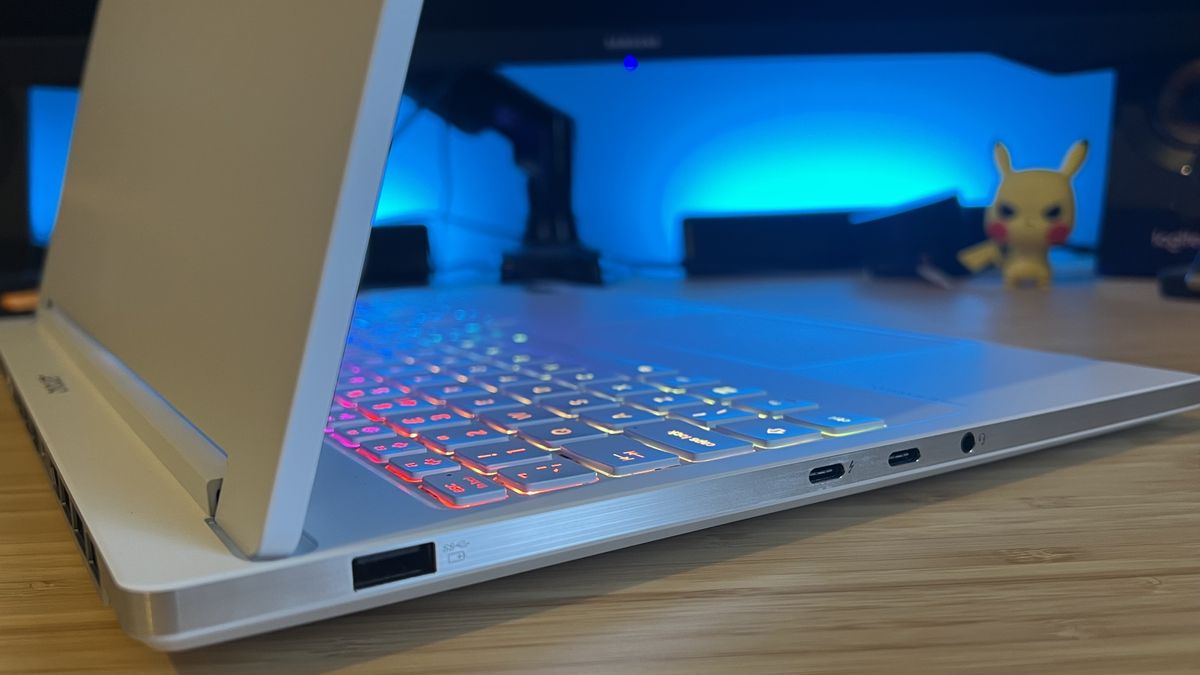

GPU Memory Shortage Drives 72% Price Surge | Hardware Sellers Face Margin Compression
- NVIDIA RTX 5070 12GB costs $1,199 vs $699 8GB; June 2026 laptop launches; GDDR7 supply constraints impact ASUS, Lenovo, MSI; sellers must adjust pricing strategies and inventory forecasting











Overview
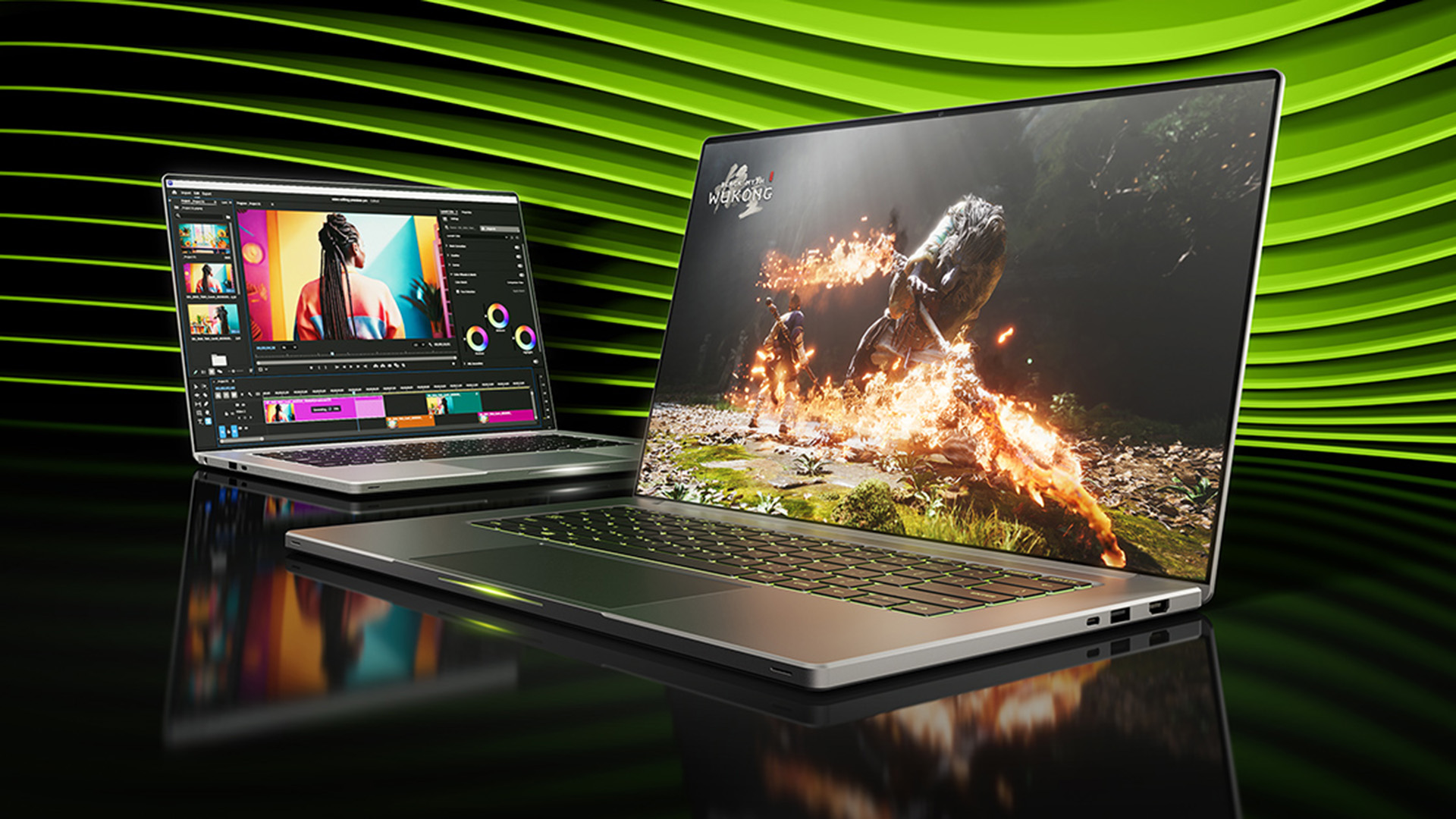
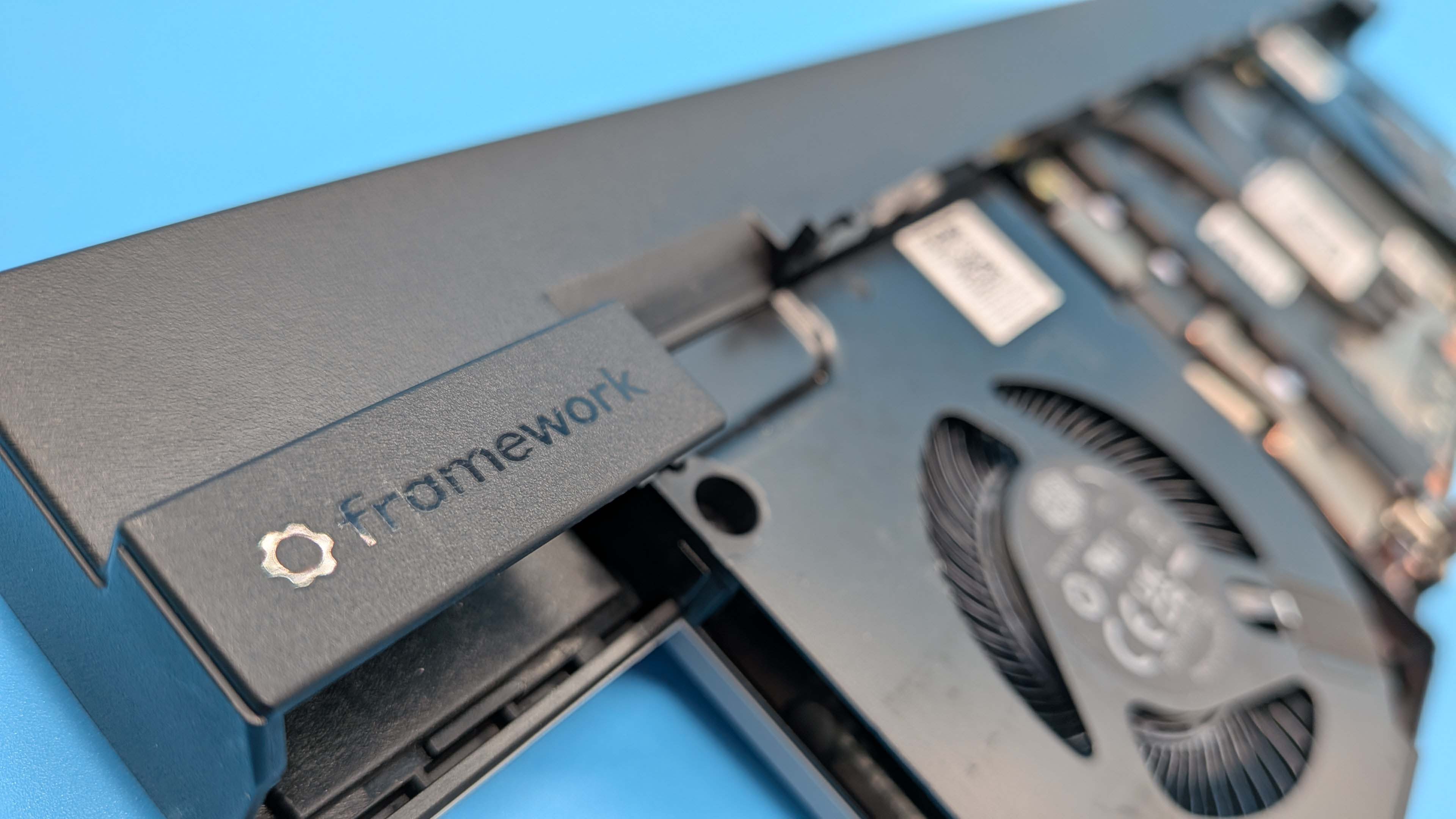
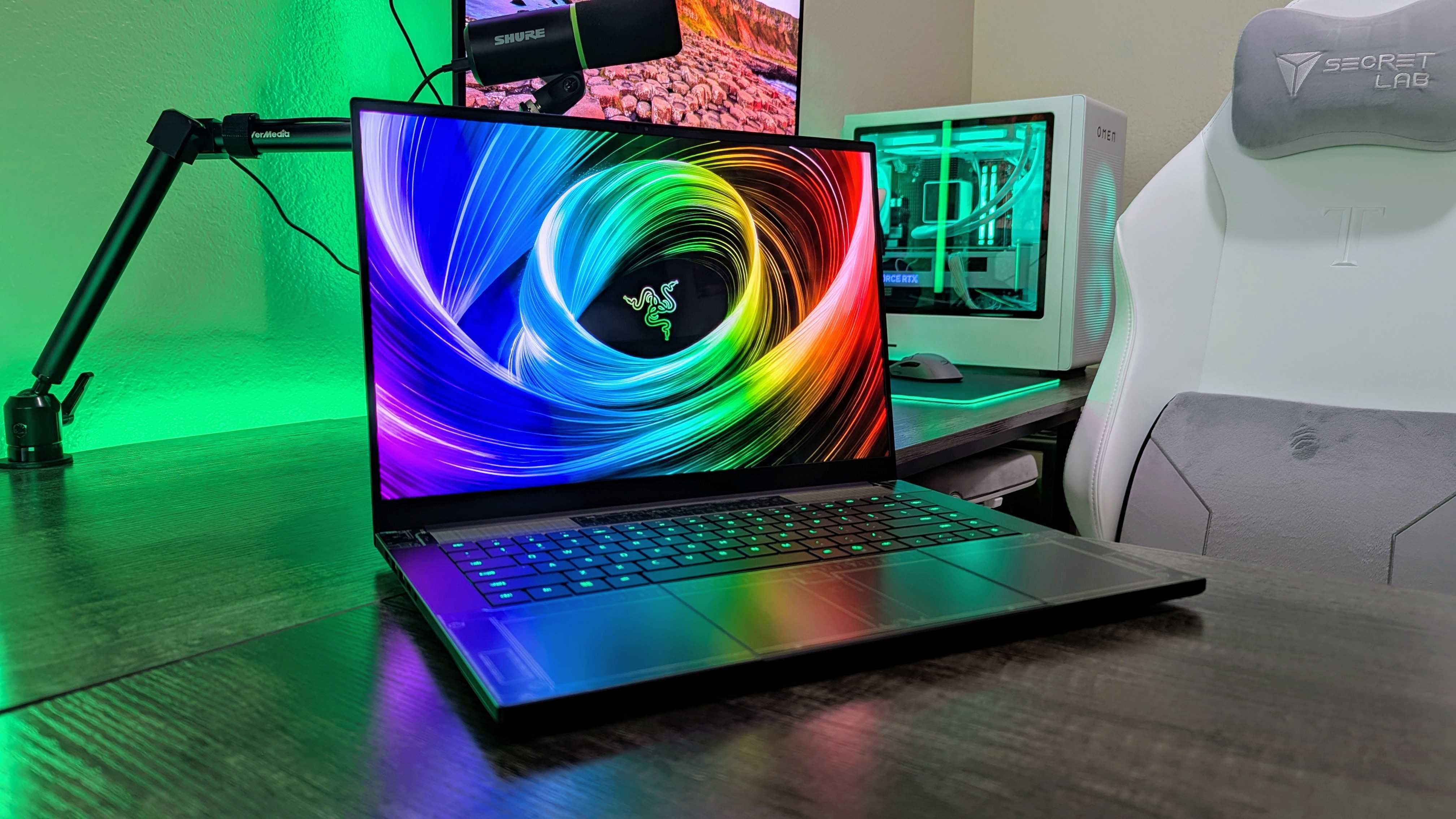
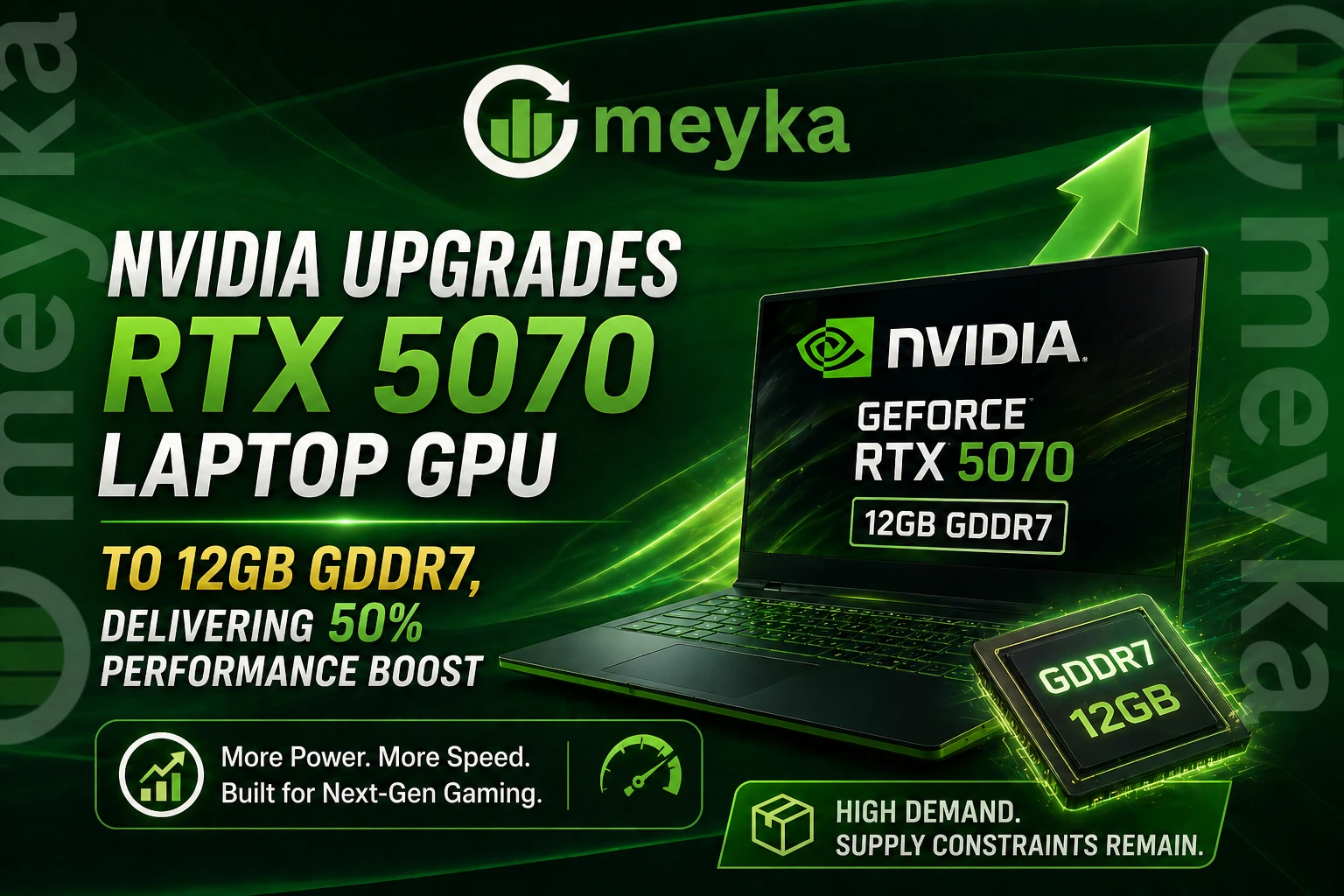
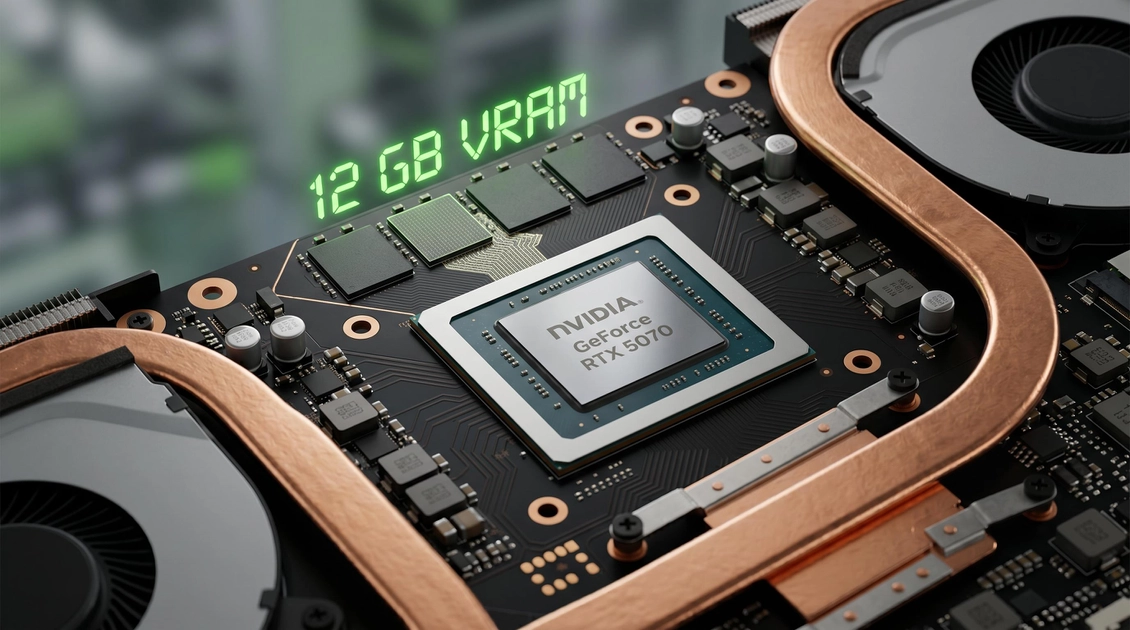
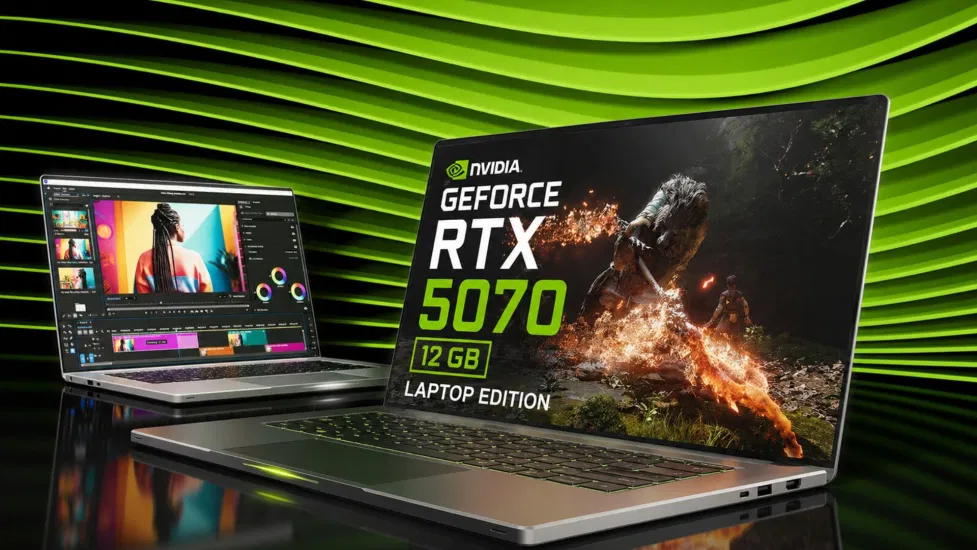
The semiconductor supply chain crisis is creating unprecedented pricing volatility in GPU hardware, directly impacting e-commerce sellers specializing in gaming laptops, professional workstations, and modular computing systems. NVIDIA's announcement of the RTX 5070 12GB variant reveals a critical market dynamic: identical hardware specifications command a 72% price premium ($1,199 vs $699) due to GDDR7 memory module scarcity. Framework's modular laptop business became the first to price this configuration, signaling that major manufacturers (ASUS, Lenovo, MSI) will face identical supplier cost pressures when 12GB-equipped laptops ship in June 2026. This pricing structure exposes a fundamental supply chain vulnerability affecting cross-border sellers in the $8.2B global gaming laptop market.
The root cause reveals critical automation and pricing intelligence opportunities for sellers. NVIDIA's decision to use alternative 24Gb G7 memory modules (leveraging Samsung and Micron's 3GB chip architecture) instead of standard 16Gb modules demonstrates how component sourcing directly translates to consumer pricing. Sellers currently lack real-time visibility into memory supplier capacity, manufacturing process changes, and cost pass-through timelines. AI-powered supply chain monitoring tools could automatically track GDDR7 production capacity announcements, predict pricing windows 60-90 days ahead, and trigger dynamic pricing adjustments before competitors. The 128-bit memory bandwidth limitation (preventing performance gains proportional to VRAM increase) creates a critical product positioning problem: sellers must educate customers that 12GB doesn't deliver 50% performance improvement, yet pricing reflects 72% markup. This gap between technical specs and market perception creates opportunity for AI-driven competitive intelligence—sellers using sentiment analysis on gaming forums and YouTube reviews can identify customer confusion and adjust marketing messaging before demand peaks.
For e-commerce sellers, this crisis creates three distinct automation opportunities with measurable ROI. First, inventory forecasting: AI models analyzing NVIDIA's supply announcements, manufacturing partner statements, and historical GPU pricing can predict which configurations will face allocation constraints. Sellers using predictive analytics can pre-allocate inventory to high-margin 12GB variants before June 2026 launch, capturing early-adopter demand at premium pricing. Second, dynamic pricing: sellers currently use static markup percentages (typically 15-25% above wholesale cost). AI pricing engines monitoring competitor listings, stock levels, and demand signals can adjust prices in real-time—potentially capturing an additional 8-12% margin during supply-constrained periods. Third, customer acquisition cost optimization: the 72% price premium will compress demand by an estimated 35-45% (based on historical GPU pricing elasticity). Sellers can use AI to identify which customer segments (professional creators, AI researchers, high-end gamers) have price-inelastic demand and concentrate PPC spending on these audiences, reducing wasted ad spend by 20-30%.
The broader market impact signals a structural shift in hardware e-commerce economics. Framework's public statement that "pricing is beyond its control" reveals supplier power dynamics that traditional sellers cannot negotiate away. However, AI-driven competitive intelligence creates asymmetric advantages: sellers monitoring GDDR7 production announcements from Samsung and Micron can predict price movements 8-12 weeks ahead of competitors. Sellers using machine learning to analyze supply chain announcements (earnings calls, capacity expansion news, geopolitical supply chain shifts) can time inventory purchases and pricing adjustments to capture margin expansion windows. The June 2026 launch timeline provides a 12-month window for sellers to build predictive models, establish supplier relationships, and prepare dynamic pricing infrastructure—creating a 6-month competitive advantage for early adopters of AI supply chain tools.
Questions 7
Why does the RTX 5070 12GB cost 72% more than the 8GB version if specs are identical?
The price premium ($1,199 vs $699) reflects GDDR7 memory module scarcity, not performance differences. NVIDIA's 12GB variant uses alternative 24Gb G7 memory chips (3GB architecture) instead of standard 16Gb modules, tapping into Samsung and Micron's alternative production capacity. Framework explicitly stated pricing is controlled by silicon suppliers, not NVIDIA or manufacturers. This creates a critical seller challenge: customers perceive 50% more VRAM should deliver proportional performance gains, but the 128-bit memory bandwidth limitation prevents this. Sellers must use AI-driven content analysis to identify customer confusion in reviews and adjust product descriptions to manage expectations, potentially reducing return rates by 15-20%.
How can sellers use AI to optimize pricing during GPU supply shortages?
Dynamic pricing engines monitoring competitor listings, stock levels, and demand signals can capture 8-12% additional margin during supply-constrained periods. AI models analyzing historical GPU pricing elasticity suggest the 72% premium will compress demand by 35-45%, concentrating sales among price-inelastic segments (professional creators, AI researchers, high-end gamers). Sellers can use machine learning to identify which customer segments have highest lifetime value and concentrate PPC spending accordingly, reducing wasted ad spend by 20-30%. Real-time pricing adjustments based on inventory levels and competitor actions can increase gross margin by 5-8% without sacrificing volume during the June 2026 launch window.