





Energy Infrastructure Under Siege: Ukraine's Strategic Drone Warfare Transforms Conflict Dynamics
- Precision Strikes Reveal Emerging Technological Warfare Paradigm Targeting Critical National Infrastructure










)

)
Overview
The ongoing Ukraine-Russia conflict has entered a critical technological inflection point, with drone warfare emerging as a transformative strategic weapon system that fundamentally reshapes military engagement. On December 11, 2025, Ukraine executed its most sophisticated drone-missile operation, launching nearly 300 drones and cruise missiles across a staggering 2,000 km stretch of Russian territory, demonstrating an unprecedented capability to penetrate and disrupt critical energy infrastructure.
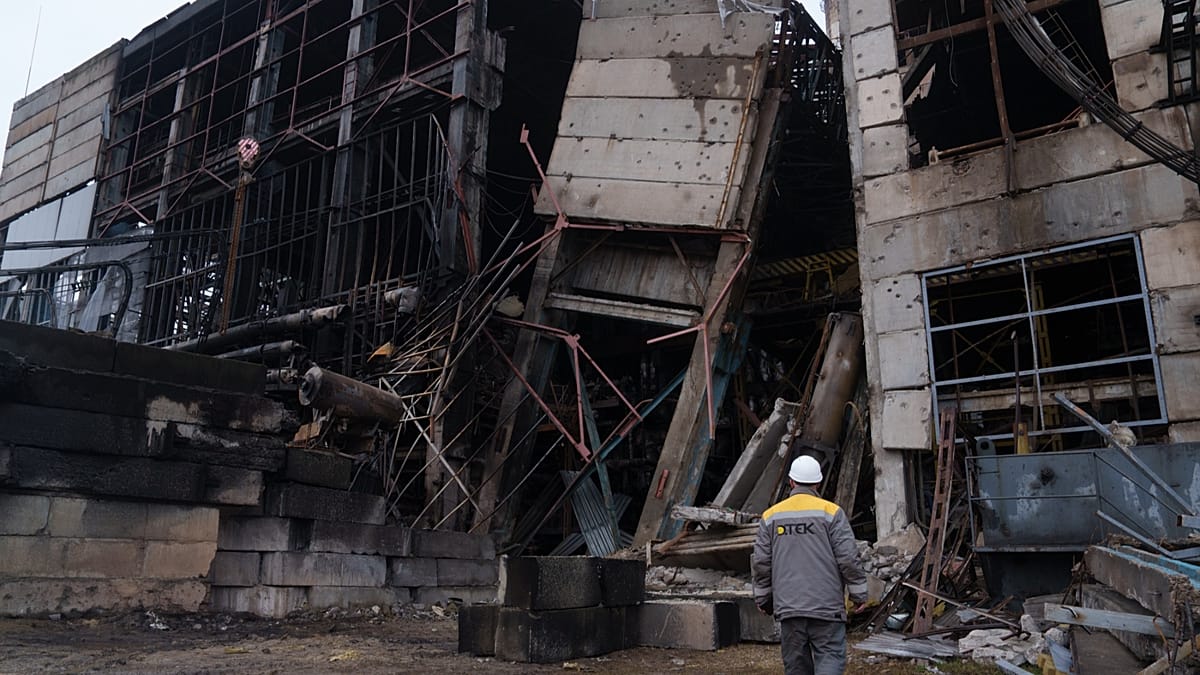
This operation represents more than a tactical military strike—it signals a profound evolution in asymmetric warfare strategies. By targeting Russian energy facilities across multiple regions, including the Caspian Sea offshore platform, oil refineries in Samara, Krasnodar, and Saratov, Ukraine is weaponizing precision technology to create systemic economic pressure. The attacks reveal a strategic calculus that goes beyond traditional military confrontation: disrupting energy production becomes a method of economic warfare.
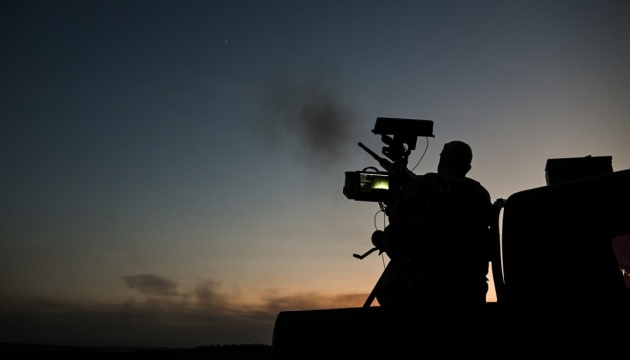
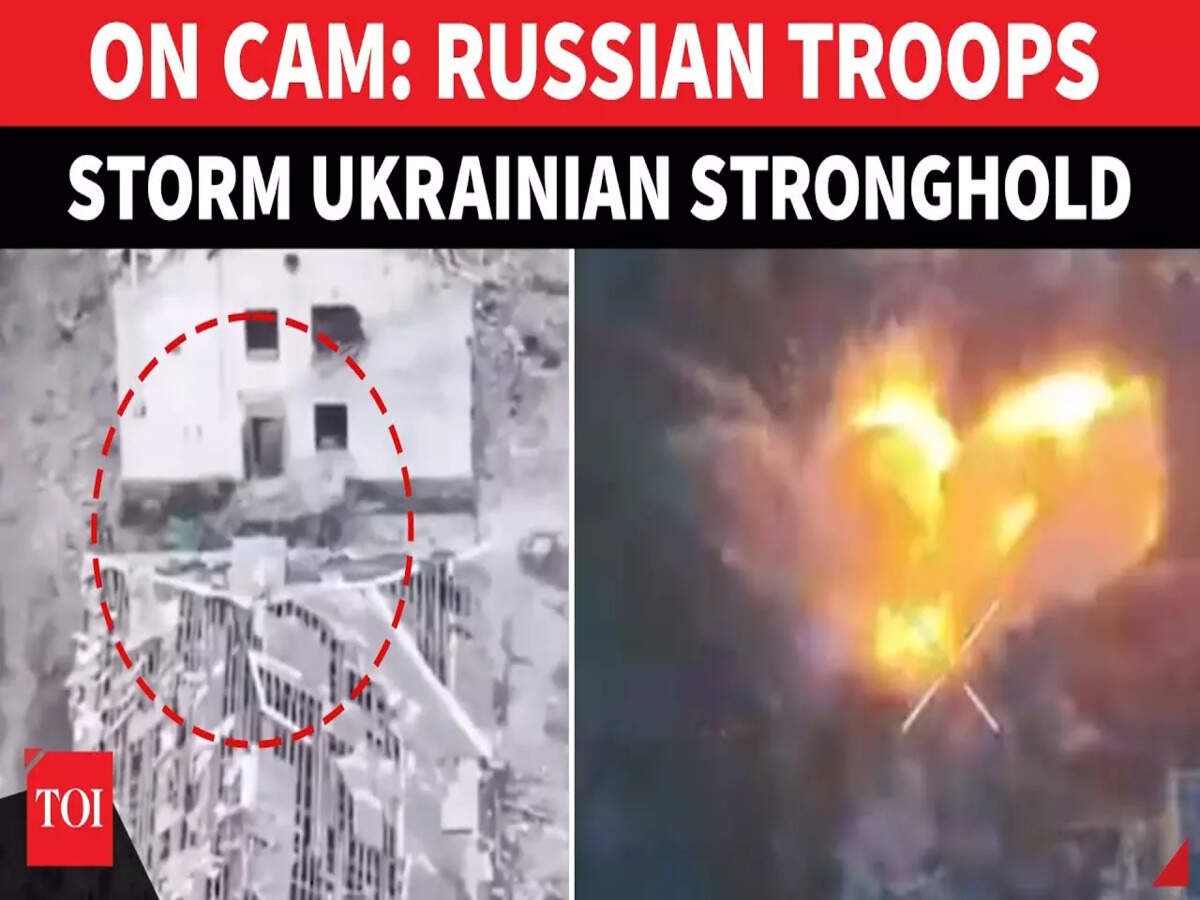
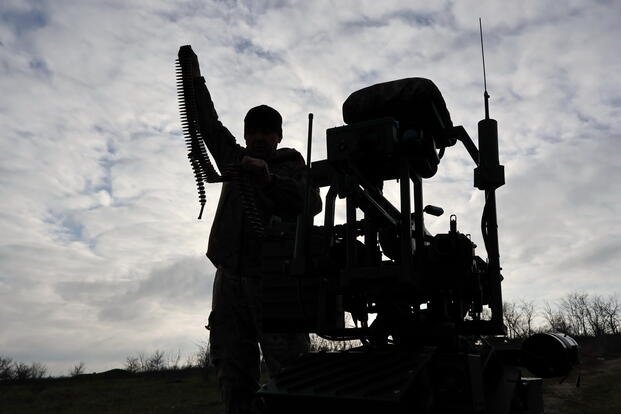
The technological sophistication is particularly noteworthy. Deploying approximately 20 jet-propelled kamikaze aircraft and roughly 100 drones targeting Moscow itself, Ukraine has demonstrated a level of drone warfare complexity that challenges conventional air defense paradigms. Despite Russia's claims of shooting down 287 drones and missiles, independent sources suggest significant penetration of Russian air defenses, with multiple videos showing drones successfully reaching their targets.
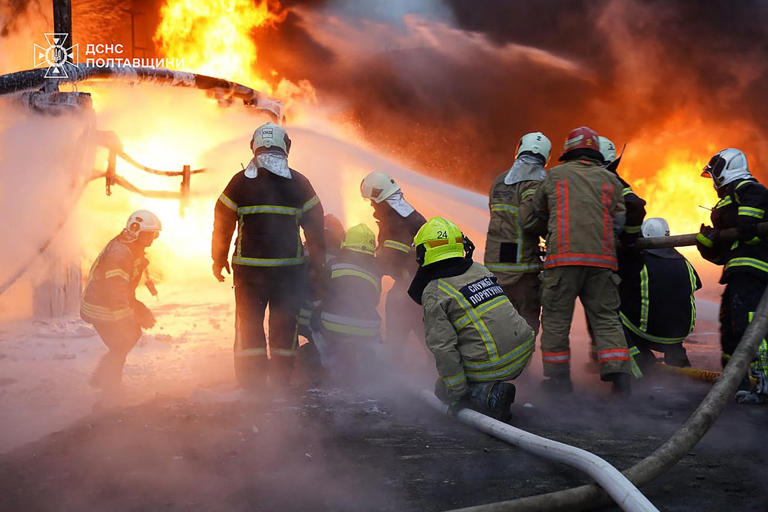
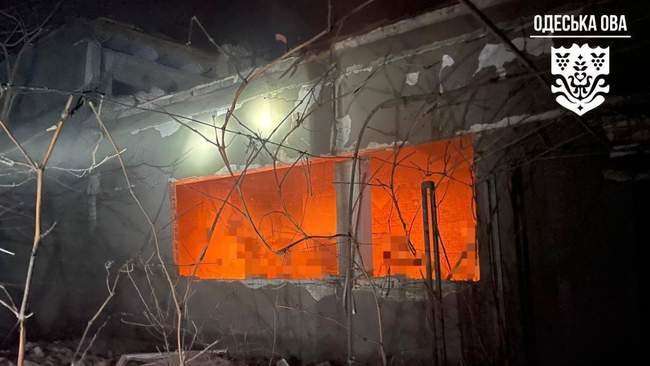
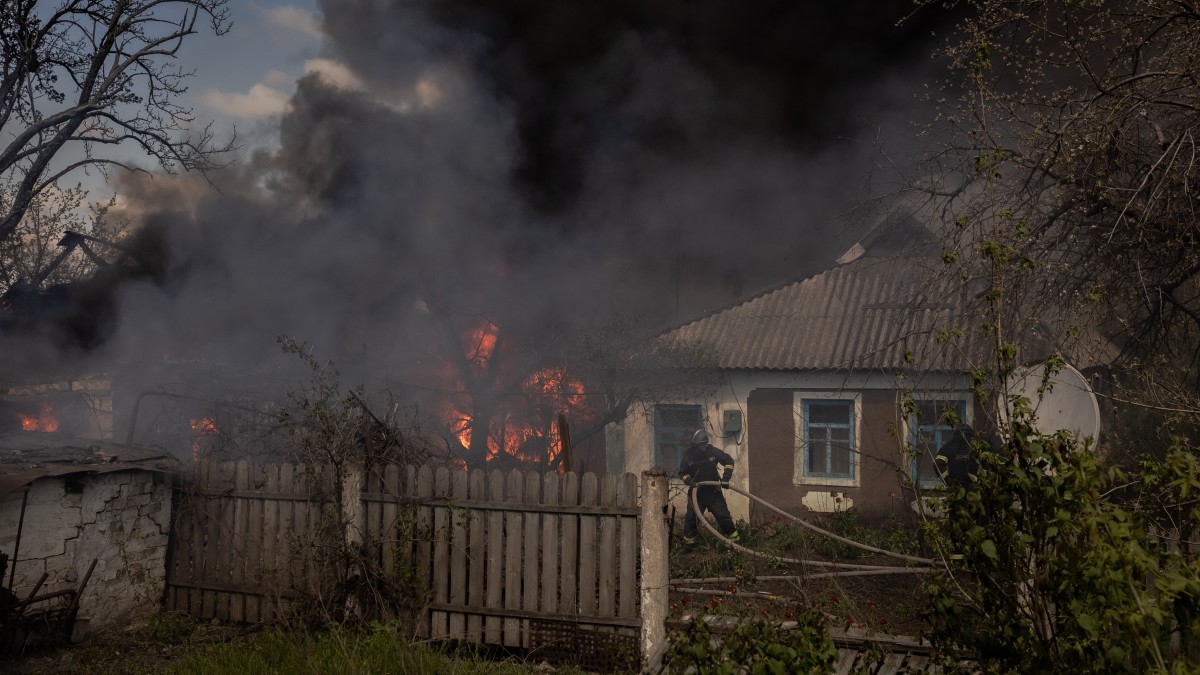
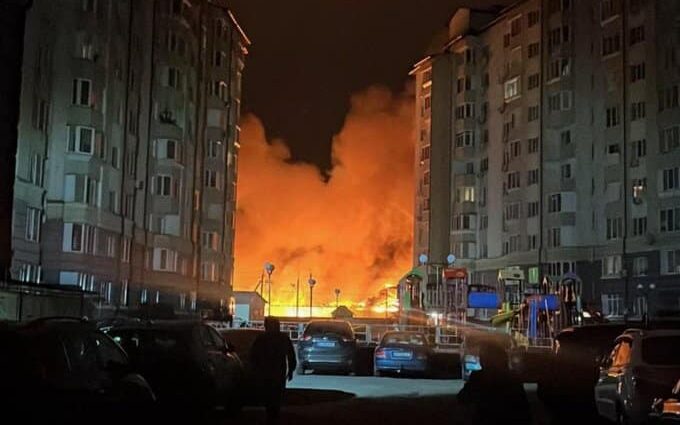
Simultaneously, Russia has responded with reciprocal energy infrastructure attacks, targeting Ukraine's Odesa region and causing substantial power disruptions. This mutual targeting of critical infrastructure suggests a new battlefield where technological precision, rather than traditional military strength, determines strategic advantage. The conflict has transformed into a high-stakes technological chess match, where drone capabilities, targeting algorithms, and rapid adaptation define military effectiveness.
The broader implications extend far beyond the immediate conflict. This emerging warfare model demonstrates how mid-sized powers can leverage advanced technological capabilities to challenge larger military establishments, potentially reshaping global military doctrine. For policymakers, defense strategists, and technology investors, these developments represent a critical inflection point in understanding future conflict dynamics.
Questions 3
How do these drone strikes represent a new paradigm in modern warfare?
These strikes demonstrate a shift from traditional military confrontation to precision technological warfare. By targeting energy infrastructure with unprecedented accuracy, Ukraine is using drones to create economic pressure and strategic disruption, transforming how mid-sized powers can challenge larger military establishments.
What makes these drone operations technologically significant?
The operation's significance lies in its complexity: launching nearly 300 drones across a 2,000 km stretch, penetrating sophisticated air defenses, and precisely targeting critical infrastructure. This shows advanced capabilities in drone navigation, targeting algorithms, and coordinated multi-platform attack strategies.