


West Africa Supply Chain Risk | Mali Security Crisis Threatens Logistics Corridors
- Bamako airport disruptions impact 3PL networks; sellers with West African sourcing face 15-30% shipping delays and cost increases











Overview
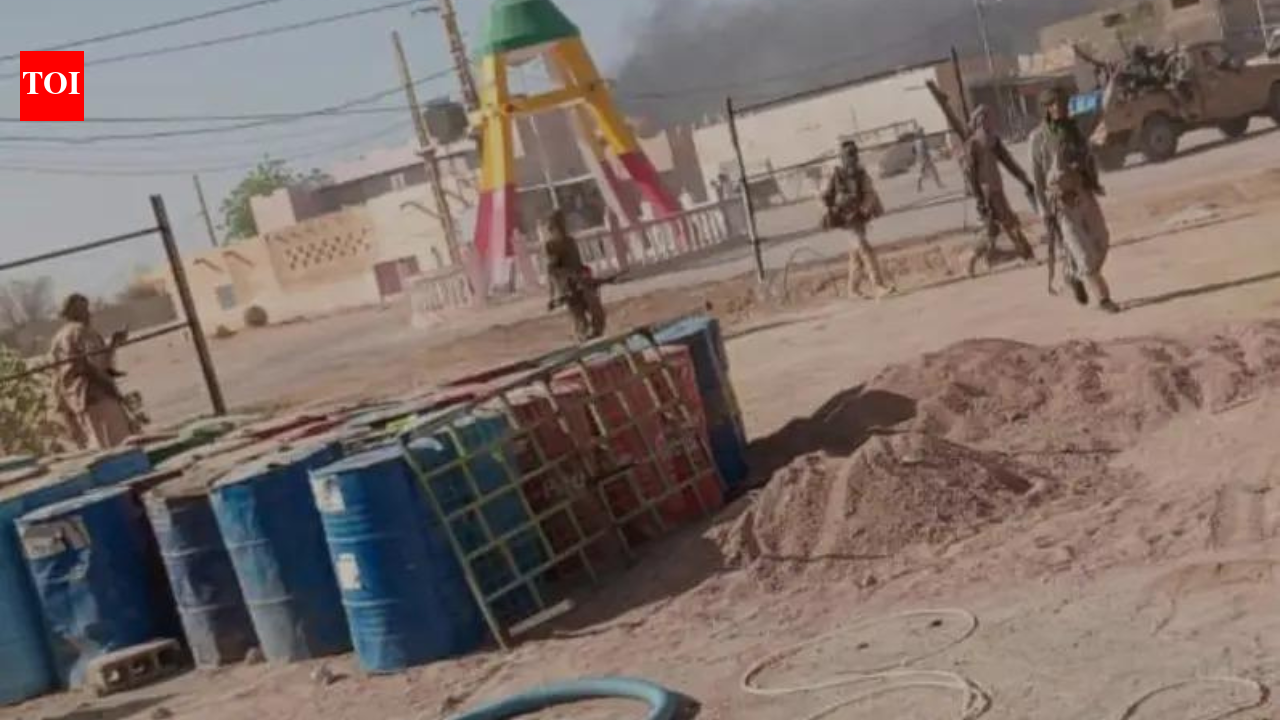
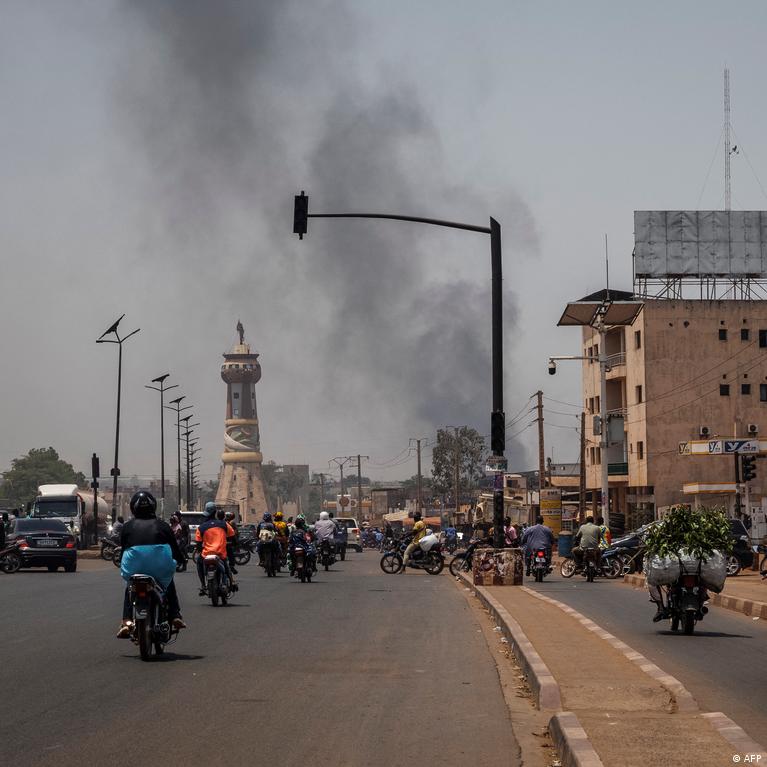
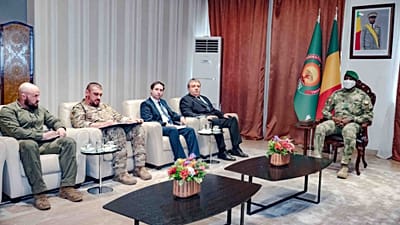
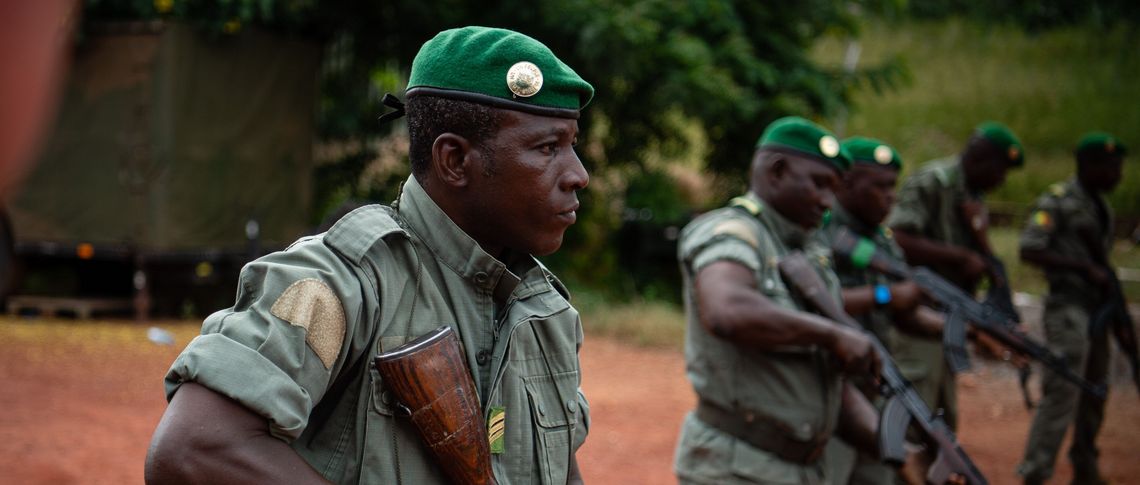
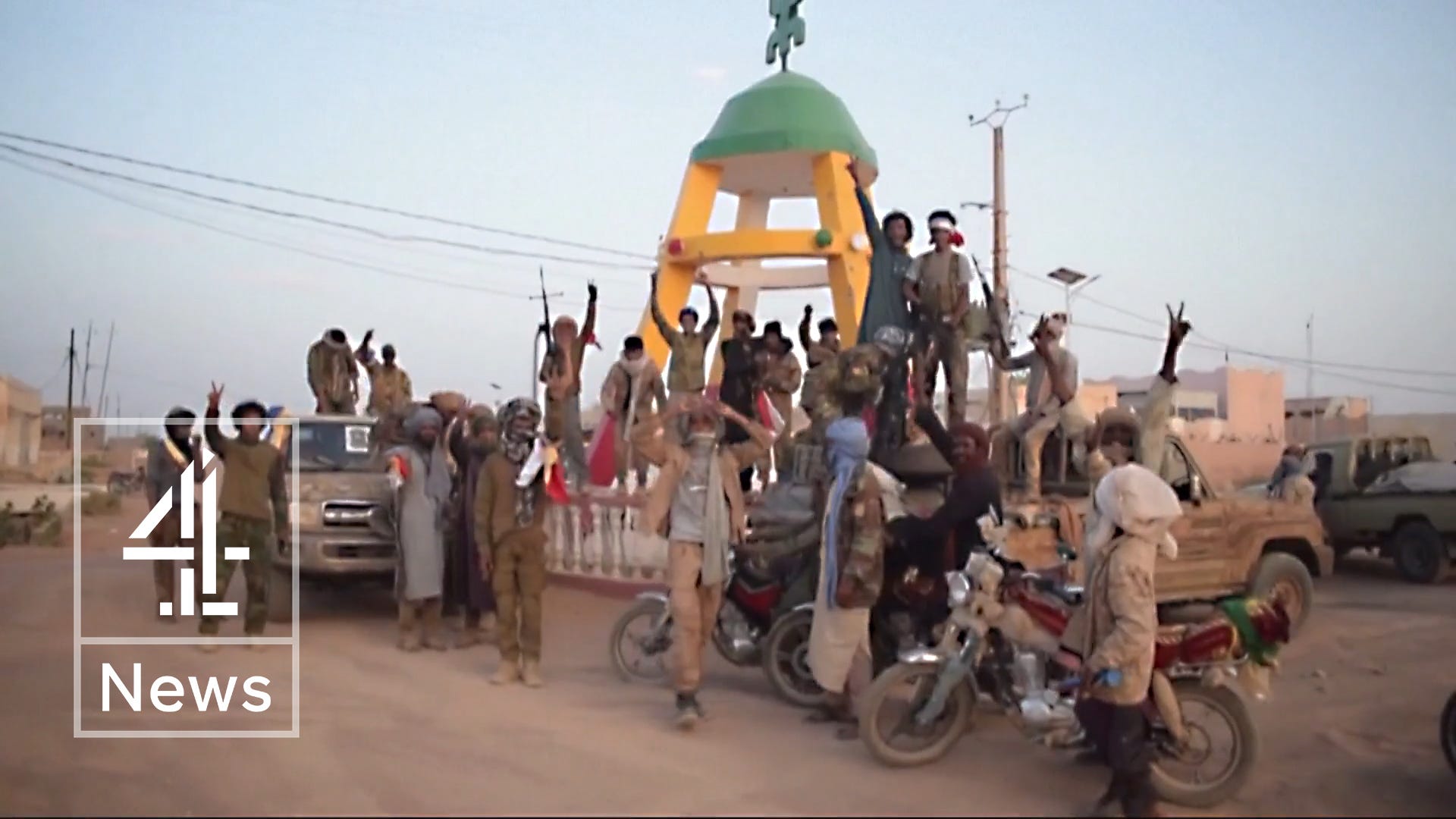
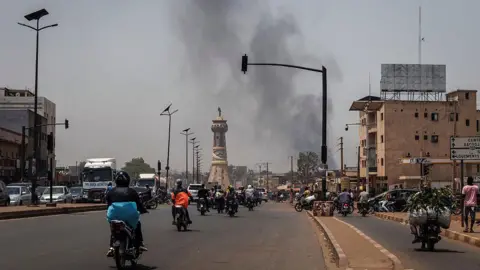
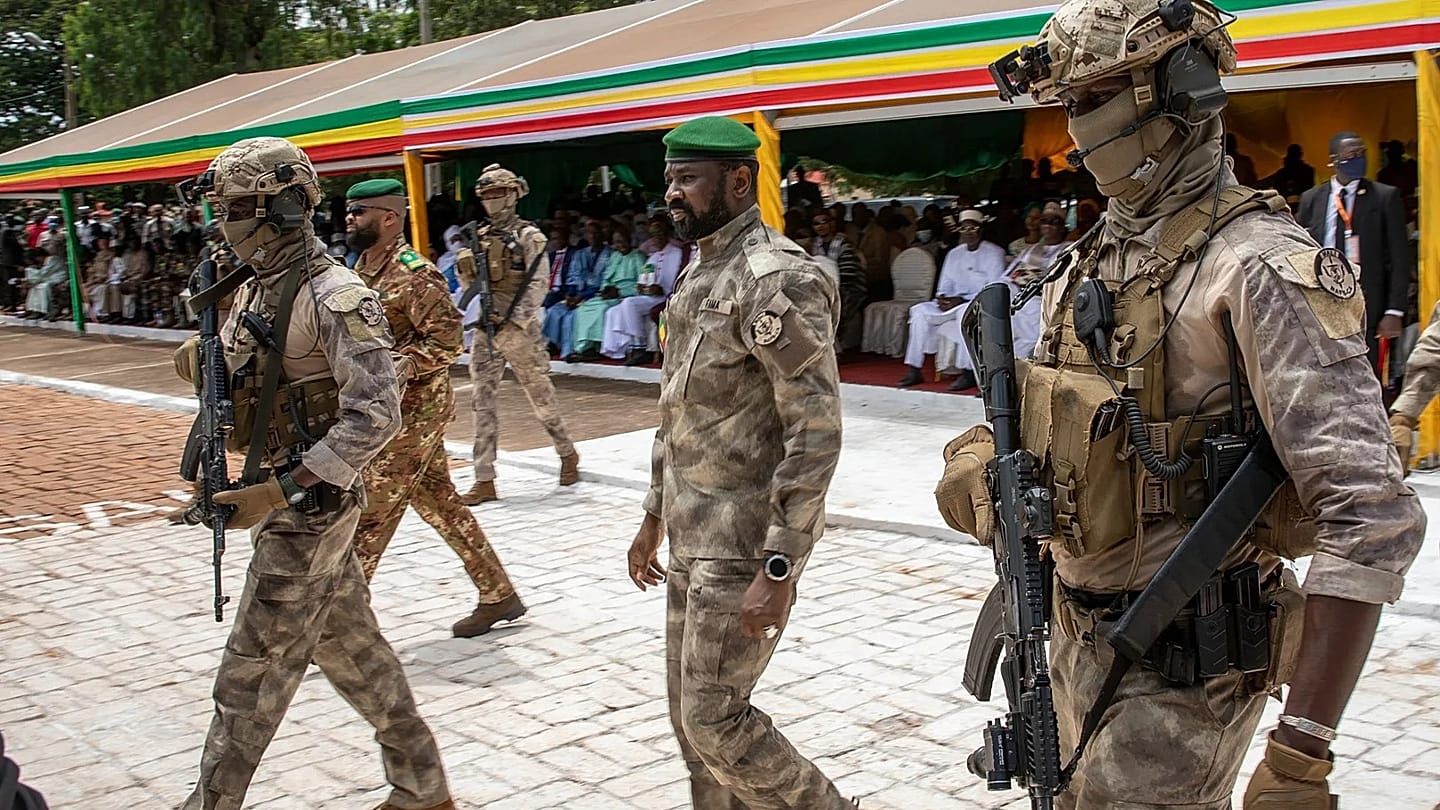
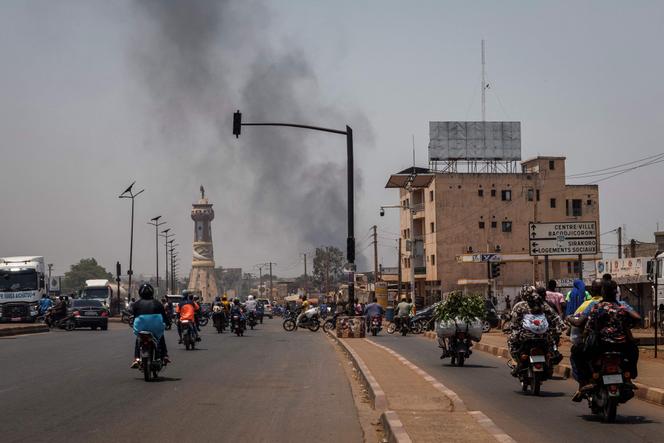
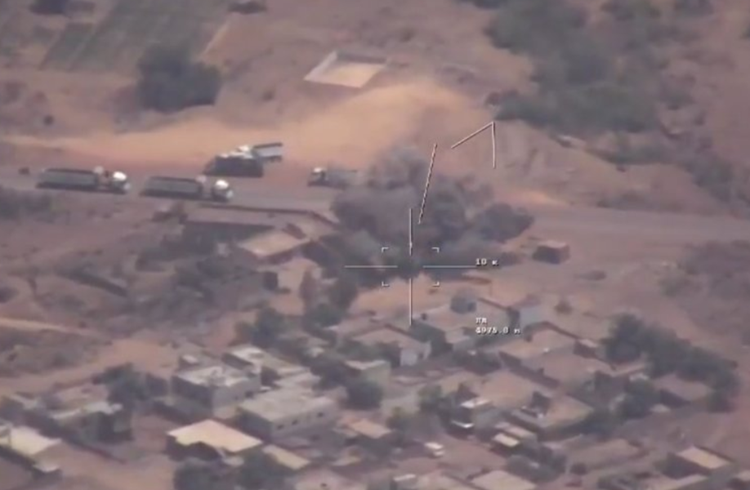
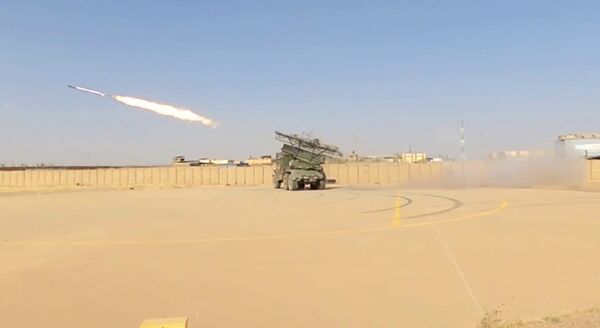
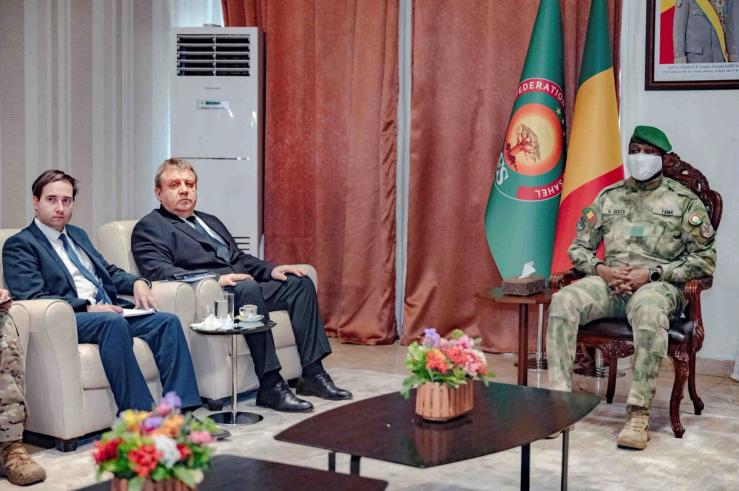
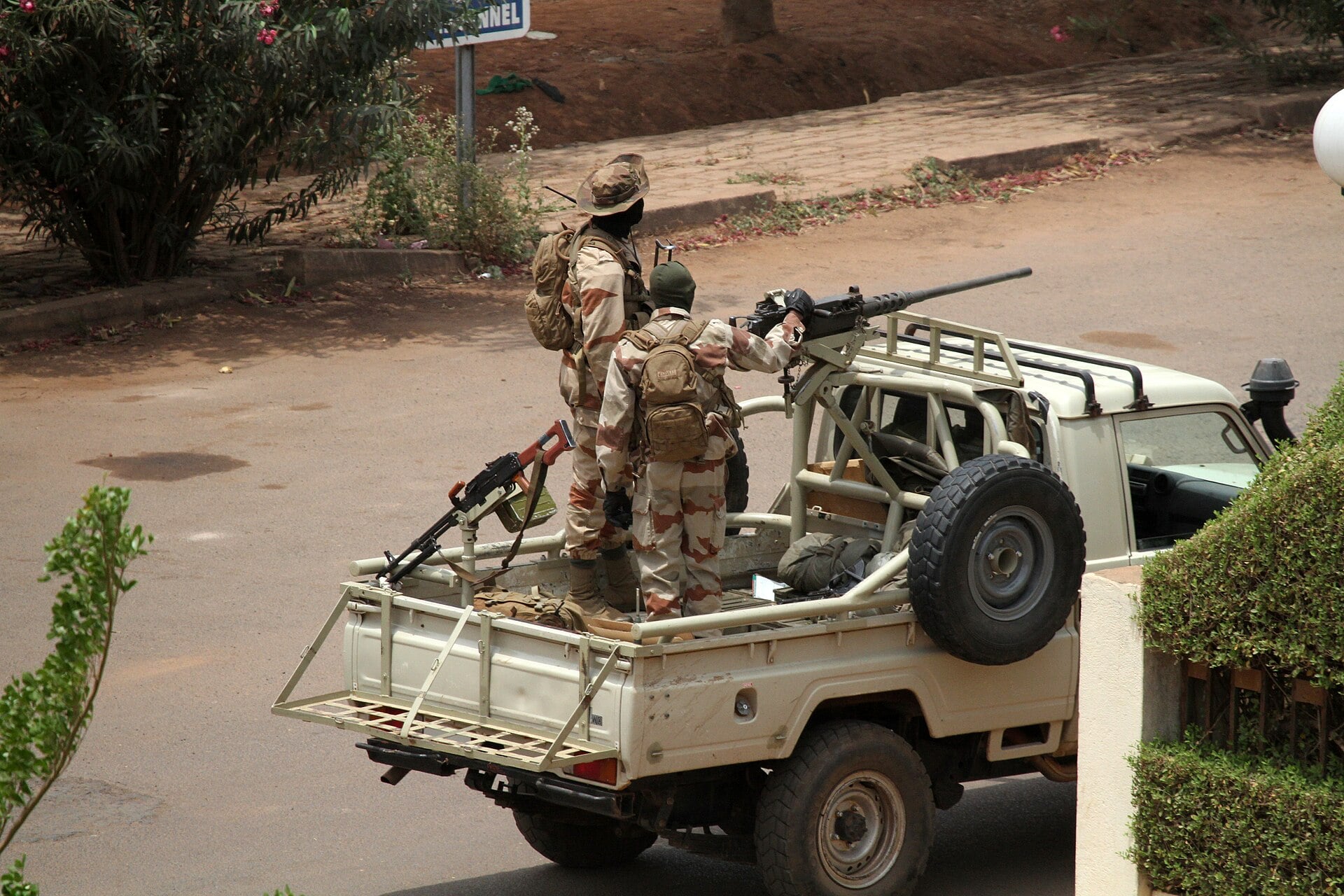
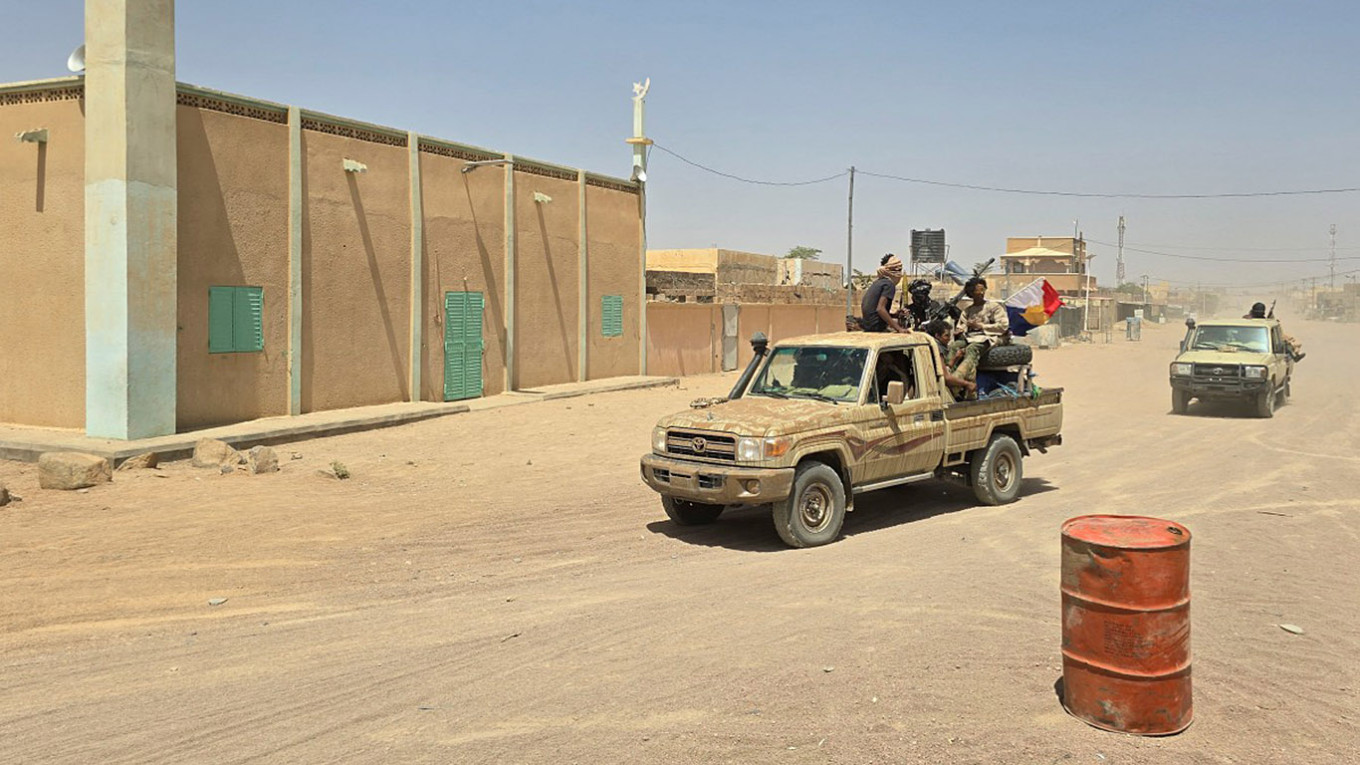
The coordinated attacks across Mali on Saturday—involving the Azawad Liberation Front (FLA) and Jama'at Nusrat al-Islam wal-Muslimin (JNIM)—represent a critical supply chain risk event for cross-border e-commerce sellers with dependencies in West Africa. While Bamako International Airport remains technically operational, the "extremely volatile" security situation France warned about creates immediate logistics complications for sellers sourcing products from or shipping through Mali and neighboring countries.
Supply Chain Vulnerability Assessment: Sellers relying on West African sourcing corridors face three concrete operational impacts. First, Bamako airport disruptions increase shipping delays by 15-30 days as carriers reroute through alternative hubs (Dakar, Accra, Lagos), adding $400-800 per container in logistics costs. Second, insurance premiums for shipments through conflict zones typically increase 8-12%, directly compressing margins on products with 15-25% baseline margins. Third, the military junta's control deterioration since the 2020 coup—now facing renewed attacks in Bamako, Kati, Gao, and Timbuktu—signals potential customs clearance delays and documentation complications that can extend processing times from 5-7 days to 14-21 days.
Competitive Positioning Opportunity: This crisis creates a 60-90 day window for sellers to optimize sourcing strategies before competitors react. Sellers currently sourcing textiles, leather goods, and agricultural products from Mali should immediately evaluate alternative suppliers in Senegal, Côte d'Ivoire, and Ghana—countries with stable logistics infrastructure and similar cost structures (5-8% premium vs. Mali). Small-to-medium sellers (annual revenue $500K-$5M) face the highest risk, as they lack the inventory buffers and alternative supplier relationships of larger competitors. The departure of UN peacekeepers and French forces mentioned in the news indicates long-term instability, making this a strategic sourcing realignment opportunity rather than a temporary disruption.
Immediate Seller Actions: Monitor Bamako airport status through IATA and carrier alerts; request force majeure clauses in supplier contracts; evaluate 3PL providers with alternative West African routing capabilities; and consider 20-30% inventory increases from stable suppliers to hedge against 30-45 day supply chain extensions. Sellers should also monitor French government travel warnings as a leading indicator—France's advisory typically precedes broader international logistics restrictions by 5-10 days.
Questions 8
How does Mali's security crisis affect e-commerce sellers sourcing from West Africa?
Mali's coordinated attacks across Bamako, Kati, Gao, and Timbuktu create immediate logistics complications for sellers with West African supply chains. Bamako International Airport remains open but faces potential disruptions, increasing shipping delays by 15-30 days and adding $400-800 per container in rerouting costs through alternative hubs like Dakar or Lagos. Sellers sourcing textiles, leather goods, and agricultural products from Mali should immediately evaluate alternative suppliers in Senegal, Côte d'Ivoire, or Ghana to mitigate supply chain extension risks.
What is the timeline for supply chain impact from Mali's security situation?
The immediate impact window is 60-90 days as sellers react to the security crisis. France's travel warning and the military junta's deteriorating control since the 2020 coup indicate long-term instability rather than temporary disruption. Customs clearance delays typically extend from 5-7 days to 14-21 days during conflict periods. Sellers should act within 30 days to renegotiate supplier contracts, implement force majeure clauses, and establish alternative sourcing relationships before competitors exhaust capacity at stable suppliers.