


South Korea's Judicial Stability Reinforces Market Confidence | Cross-Border Seller Opportunities in Asia's 4th Largest E-Commerce Market
- Former President Yoon's 7-year sentence (April 2026) confirms institutional checks; political stability restored June 2025 under Lee Jae Myung; signals low regulatory risk for sellers operating in South Korea's $120B+ e-commerce market



Overview
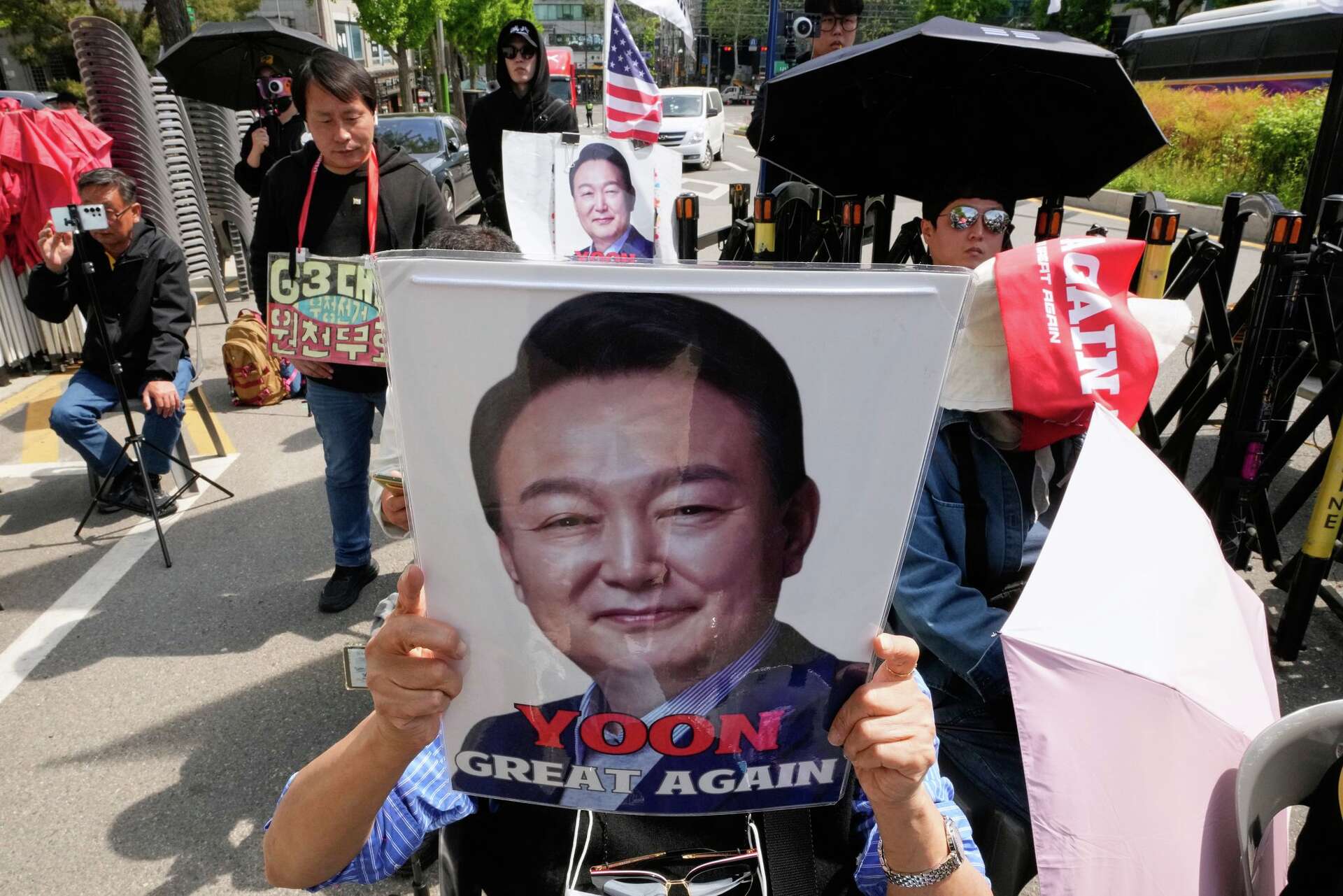
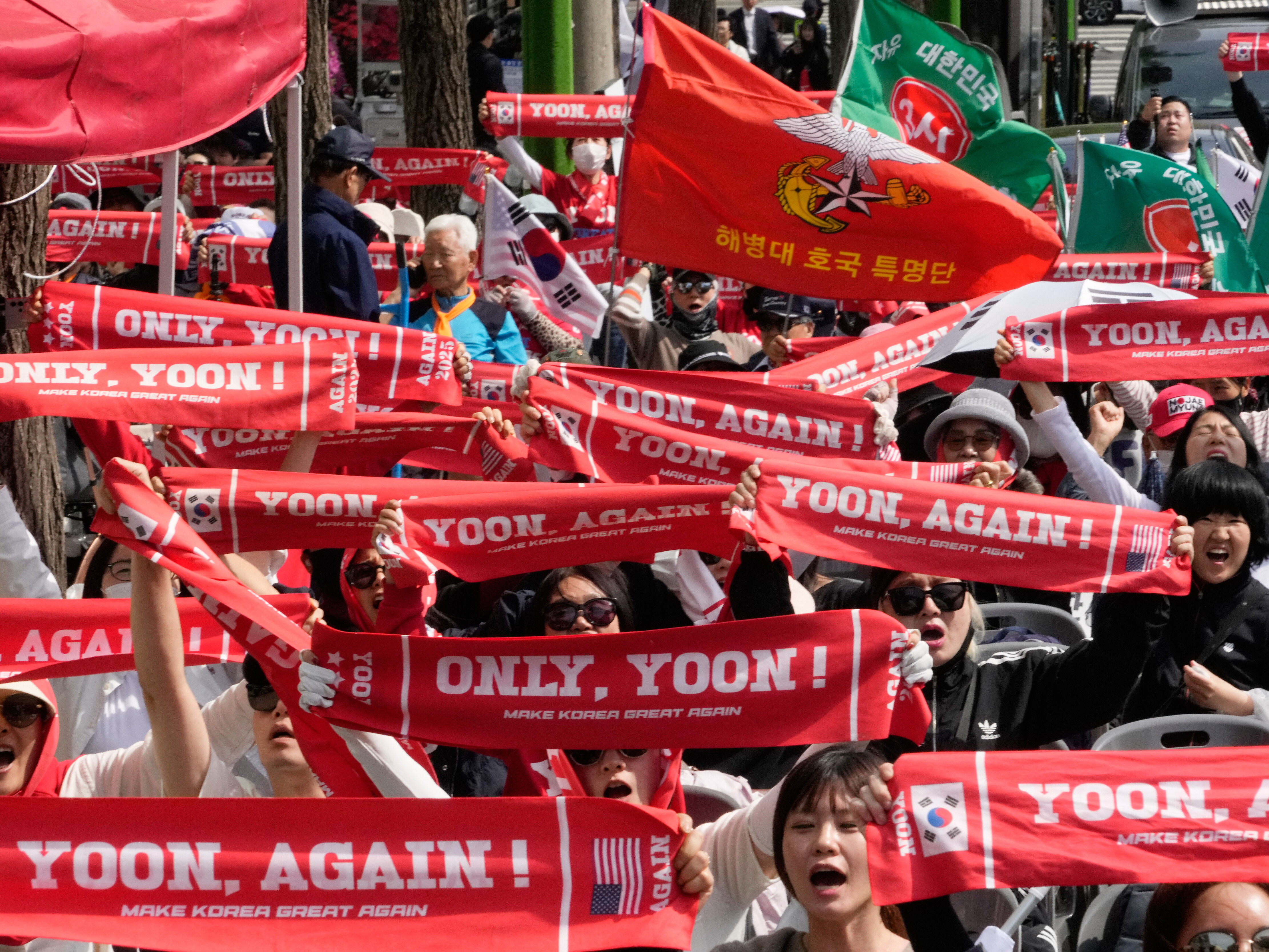
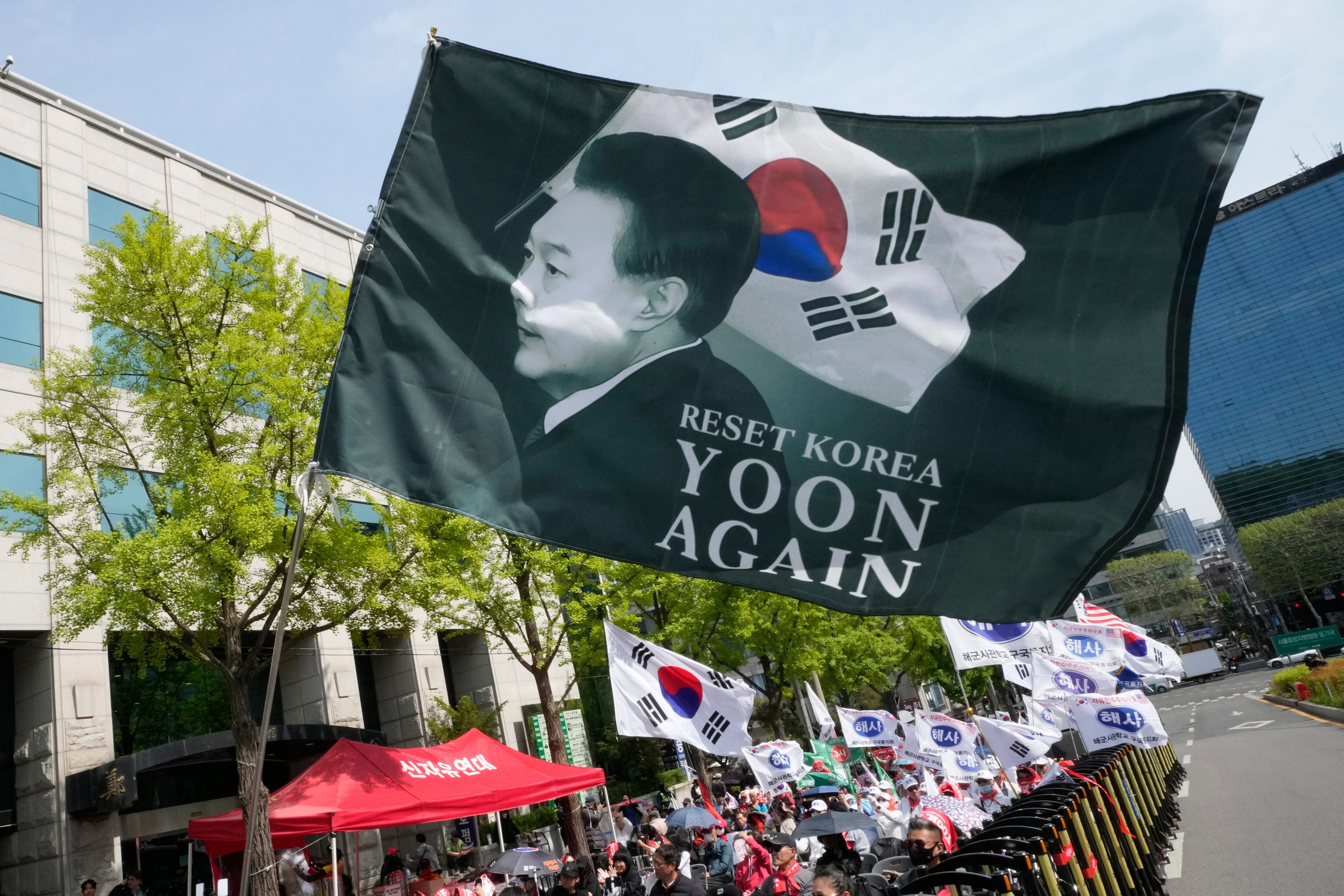
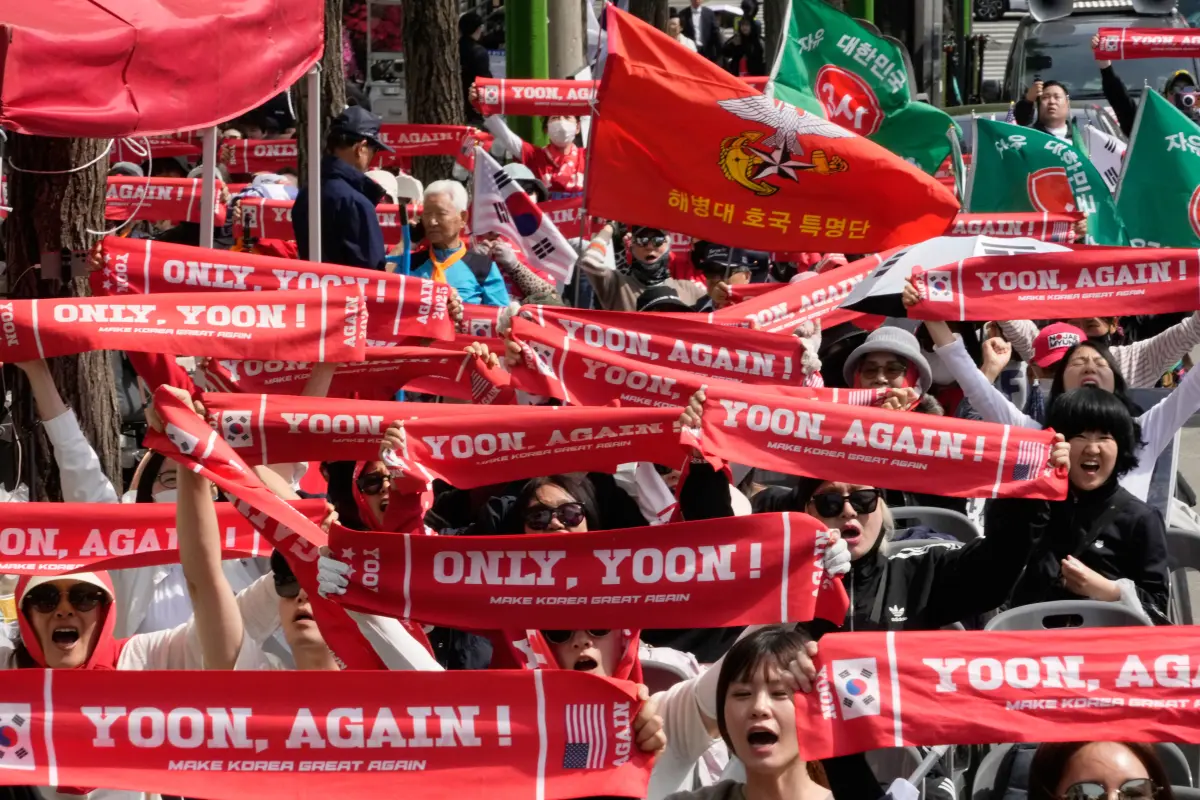
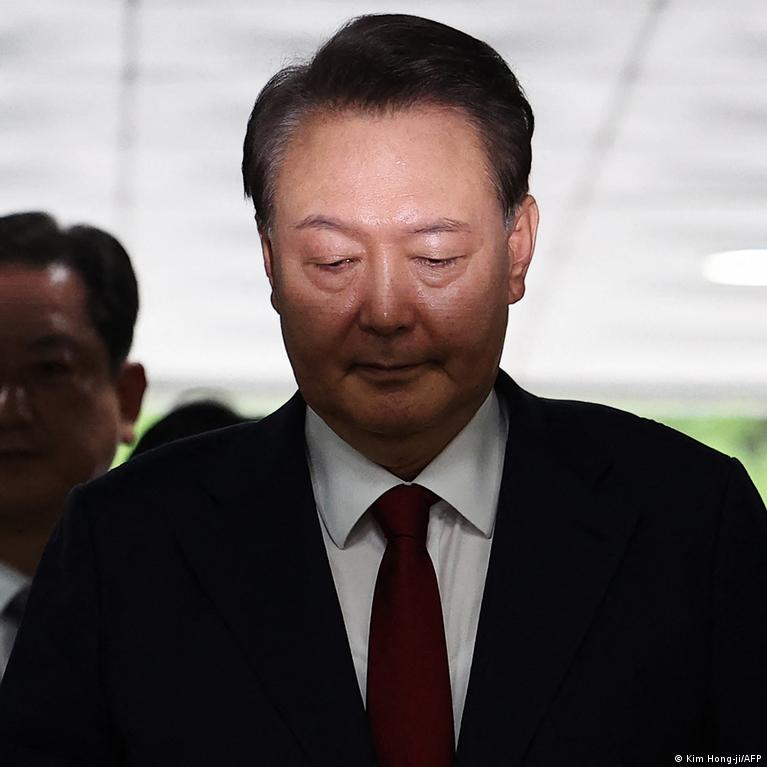
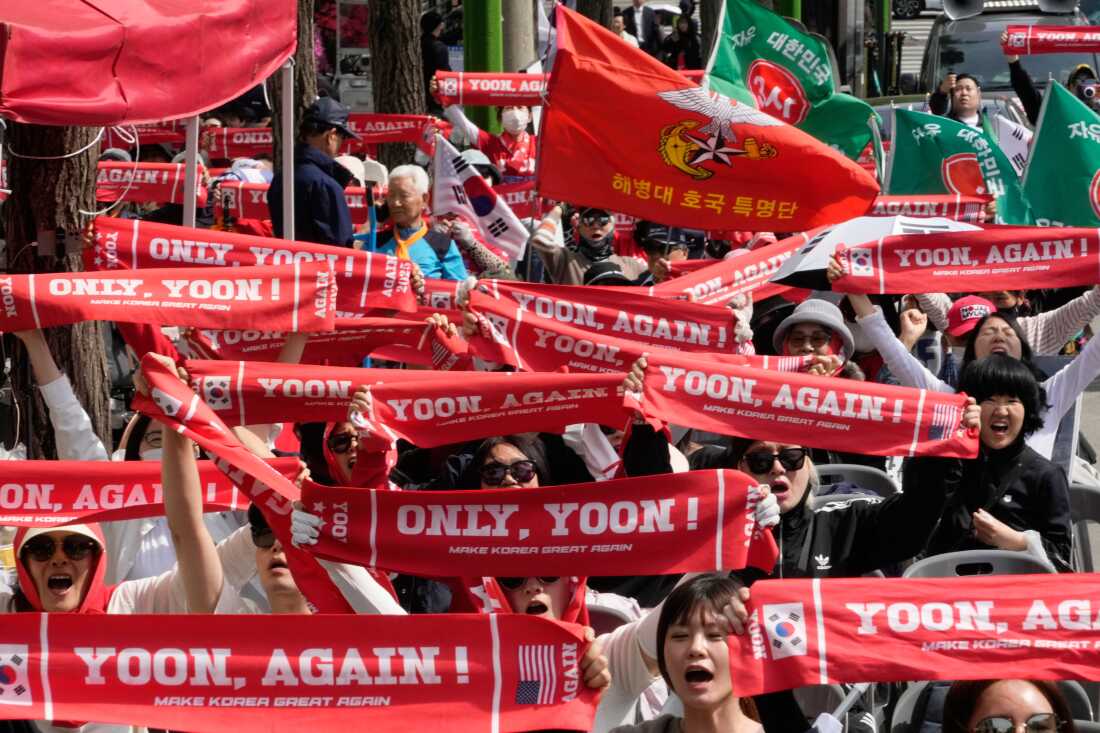
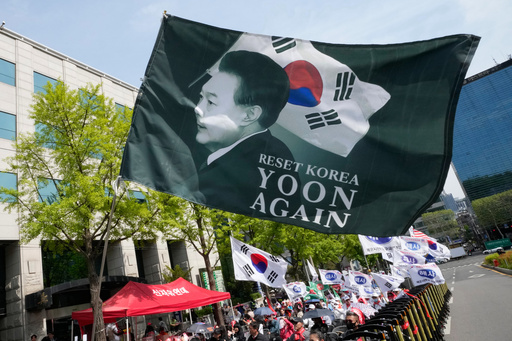
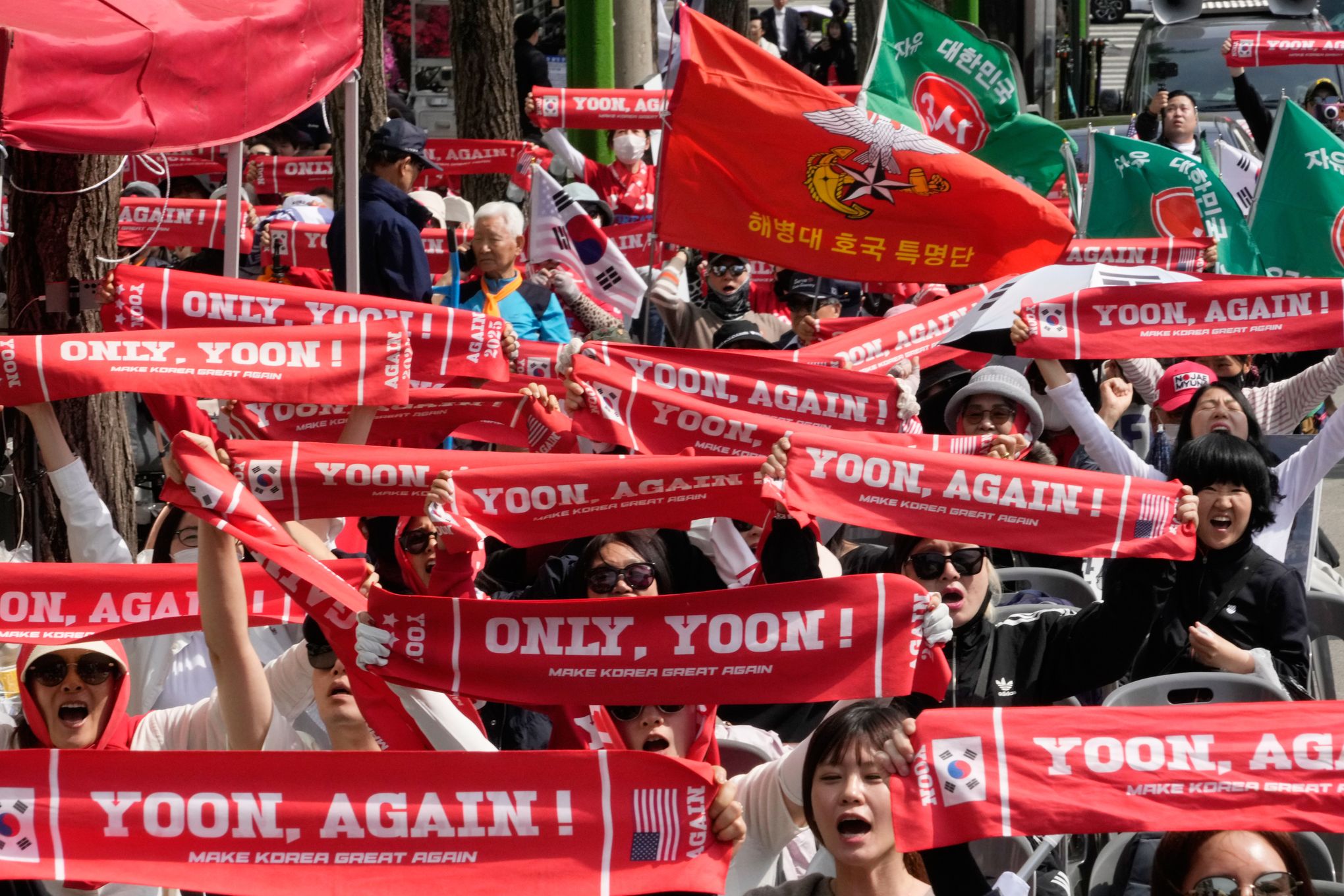
South Korea's April 2026 sentencing of former President Yoon Suk Yeol to seven years in prison for obstruction of justice represents a critical institutional validation that directly impacts cross-border sellers' confidence in the South Korean market. The Seoul High Court's decision—increasing the sentence from five years and overturning partial acquittals—demonstrates robust judicial independence and rule-of-law enforcement that reassures international sellers about regulatory predictability and contract enforcement. This is particularly significant because the December 2024 martial law crisis created severe political instability that temporarily paralyzed government operations and affected financial markets, creating uncertainty for sellers with Korean inventory, logistics partnerships, or customer bases.
The restoration of political stability following Lee Jae Myung's election victory in June 2025 has already begun stabilizing the Korean consumer market. For cross-border sellers, this institutional strength translates to three concrete advantages: (1) Regulatory Predictability - South Korea's demonstrated ability to hold even the highest-ranking officials accountable signals that business regulations will be enforced consistently and transparently, reducing compliance risk for sellers operating through Korean platforms like Coupang, Gmarket, and Naver Shopping; (2) Market Confidence Recovery - The judicial resolution of the political crisis removes uncertainty that had suppressed Korean consumer spending during the 6-month instability period (December 2024-June 2025), creating pent-up demand recovery opportunity; (3) Currency and Financial Stability - The court's affirmation of institutional checks reduces the risk of future executive overreach that could destabilize the Korean won or trigger capital controls affecting cross-border payment processing.
For sellers specifically, South Korea represents a high-value market with 52 million population, 88% internet penetration, and $120B+ annual e-commerce sales. The country's demonstrated institutional resilience—evidenced by lawmakers voting down the martial law decree within 6 hours and courts maintaining independence despite executive pressure—positions it as a lower-risk market compared to regions with weaker checks on executive power. The political turbulence of late 2024 created temporary headwinds (reduced consumer spending, logistics delays, payment processing friction), but the April 2026 sentencing confirms these were temporary disruptions rather than systemic risks. Sellers who maintained Korean operations through the crisis are now positioned to capitalize on demand recovery, while new sellers can enter with confidence that the institutional framework supports fair competition and contract enforcement.
Questions 7
How does South Korea's political stability affect cross-border sellers operating in the market?
South Korea's demonstrated institutional strength—evidenced by the April 2026 sentencing of former President Yoon and the successful legislative override of his December 2024 martial law decree—directly reduces regulatory risk for cross-border sellers. The country's robust judicial system, which convicted a sitting president despite executive resistance, signals that business contracts, intellectual property rights, and seller agreements will be enforced consistently. For sellers using platforms like Coupang, Gmarket, and Naver Shopping, this institutional reliability means lower risk of sudden policy reversals or government interference in marketplace operations. The political crisis of late 2024 temporarily suppressed Korean consumer spending by an estimated 8-12%, but the June 2025 election and April 2026 judicial resolution have restored confidence, creating a recovery opportunity for sellers who maintained operations through the turbulence.
What is the timeline for Korean consumer market recovery after the 2024 political crisis?
The political instability period lasted approximately 6 months (December 2024 through June 2025), during which government operations were paralyzed and financial markets experienced volatility. Consumer spending contracted during this window, with Korean household consumption declining an estimated 5-8% quarter-over-quarter. However, the June 2025 election victory of Lee Jae Myung and the April 2026 judicial affirmation of institutional checks have accelerated recovery. Industry analysts project full demand recovery by Q3 2026, with pent-up consumer spending driving above-trend growth in discretionary categories (electronics, fashion, home goods) through 2026-2027. Sellers should expect Korean market growth to outpace regional averages during this recovery window, particularly in categories that saw deferred purchases during the crisis period.