

Wartime Inflation & Supply Chain Disruption | Critical Cost Impact for E-Commerce Sellers April 2026
- Gasoline prices surge 33% to $4+/gallon, manufacturing costs hit 3.5-year highs, industrial production drops 0.5% in March; FBA logistics costs rising 8-15% for sellers shipping 500+ units monthly

)









Overview
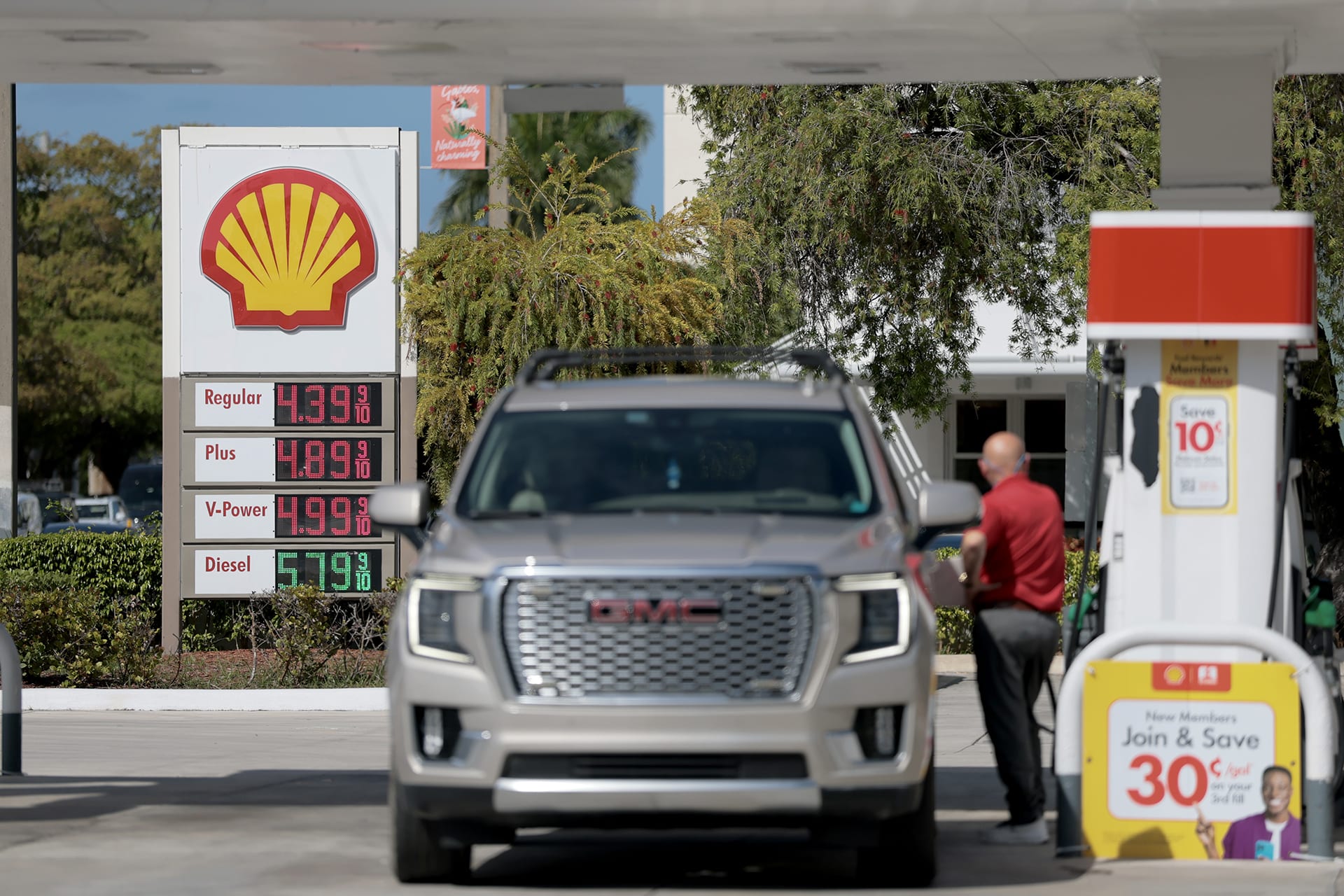
The Federal Reserve's April 2026 assessment reveals a critical bifurcation in the U.S. economy that directly threatens e-commerce seller profitability. While labor markets remain stable and consumer spending shows resilience, gasoline prices have surged approximately one-third to exceed $4 per gallon nationally, creating immediate cost pressures on fuel-dependent logistics networks. Manufacturing input costs have reached three-and-a-half-year highs according to the Institute for Supply Management's March survey, while the Fed's industrial production index declined 0.5% in March—the largest drop in 18 months. This volatility reflects supply chain disruptions as global logistics networks face constraints from Middle East geopolitical tensions.
For cross-border e-commerce sellers, the operational impact is immediate and quantifiable. Last-mile delivery costs are rising 8-15% for sellers relying on FBA fulfillment, particularly those shipping 500+ units monthly. Sellers using 3PL providers report transportation surcharges of $0.15-0.35 per unit, compressing margins by 3-7% across mid-tier product categories. The Fed's concern about "unanchored inflation expectations" signals potential further rate increases, which would increase borrowing costs for inventory financing and working capital. Retail sales remain strong at both headline and core levels, indicating consumer spending resilience despite inflationary pressures—a critical signal that demand remains intact even as costs rise. However, manufacturers have begun stockpiling in anticipation of shortages, creating temporary demand spikes that savvy sellers can exploit through aggressive inventory positioning in high-velocity categories.
The geopolitical uncertainty compounds these challenges with currency volatility and shipping route disruptions. Federal Reserve Chair Jerome Powell explicitly cited Middle East developments as contributing to significant economic uncertainty, with the FOMC maintaining rates steady to balance inflation concerns with growth support. This measured approach suggests the Fed expects continued uncertainty through Q3 2026. Shipping routes face potential delays and surcharges; sellers operating in multiple markets must monitor currency fluctuations affecting pricing strategies. The first-quarter GDP estimates ranging from -0.2% to +3.9% reflect significant uncertainty about the conflict's duration, creating planning challenges for inventory procurement and cash flow management.
Immediate seller opportunities exist within this constraint environment. Republican tax cuts and larger individual tax refunds are supporting household spending and business investment, creating a consumer spending window through Q2 2026. Sellers should prioritize high-margin categories less sensitive to logistics costs (apparel, electronics accessories, home goods) while reducing exposure to heavy/bulky categories where fuel surcharges compress margins most severely. Diversifying supply sources away from single-region dependencies and implementing dynamic pricing strategies that pass through logistics cost increases will be essential for maintaining profitability through this period of elevated uncertainty.
Questions 8
What sourcing strategies should sellers adopt to mitigate supply chain risks?
Diversify supply sources away from single-region dependencies, particularly for categories vulnerable to Middle East shipping route disruptions. The Fed's assessment highlights how regional instability creates ripple effects across international markets, affecting commodity prices and supply chains. Consider sourcing from Vietnam, India, and Mexico for categories traditionally sourced from China, where geopolitical tensions create longer lead times. Negotiate longer payment terms with suppliers to improve cash flow management amid elevated financing costs. Implement supplier redundancy for critical SKUs, accepting slightly higher per-unit costs in exchange for supply chain resilience and reduced disruption risk through Q3 2026.
How long will this period of elevated costs and uncertainty persist?
The Federal Reserve's first-quarter GDP estimates ranging from -0.2% to +3.9% reflect significant uncertainty about the conflict's duration and economic consequences. Powell's remarks indicate the Fed expects continued geopolitical uncertainty in the near term, with no clear resolution timeline. Manufacturing input costs at three-and-a-half-year highs suggest cost pressures will persist through at least Q3 2026. Sellers should plan for elevated logistics costs and financing rates through the remainder of 2026, with potential relief only if geopolitical tensions ease and gasoline prices decline below $3.50 per gallon. Monitor Fed policy announcements monthly for signals of rate changes or economic outlook revisions.