



Global Energy Crisis Drives 6-12% Logistics Cost Surge for Cross-Border Sellers
- Strait of Hormuz closure triggers LNG price spike to 6x baseline; Italy, Taiwan, South Korea face 8-15% manufacturing cost increases; temperature-controlled goods sellers face immediate margin compression










Overview
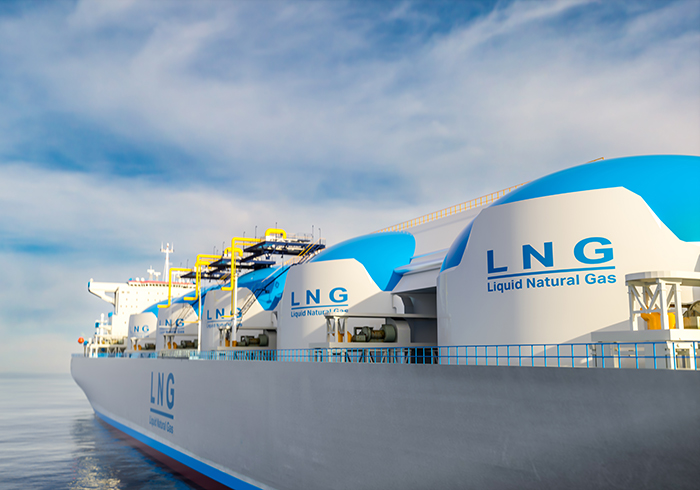
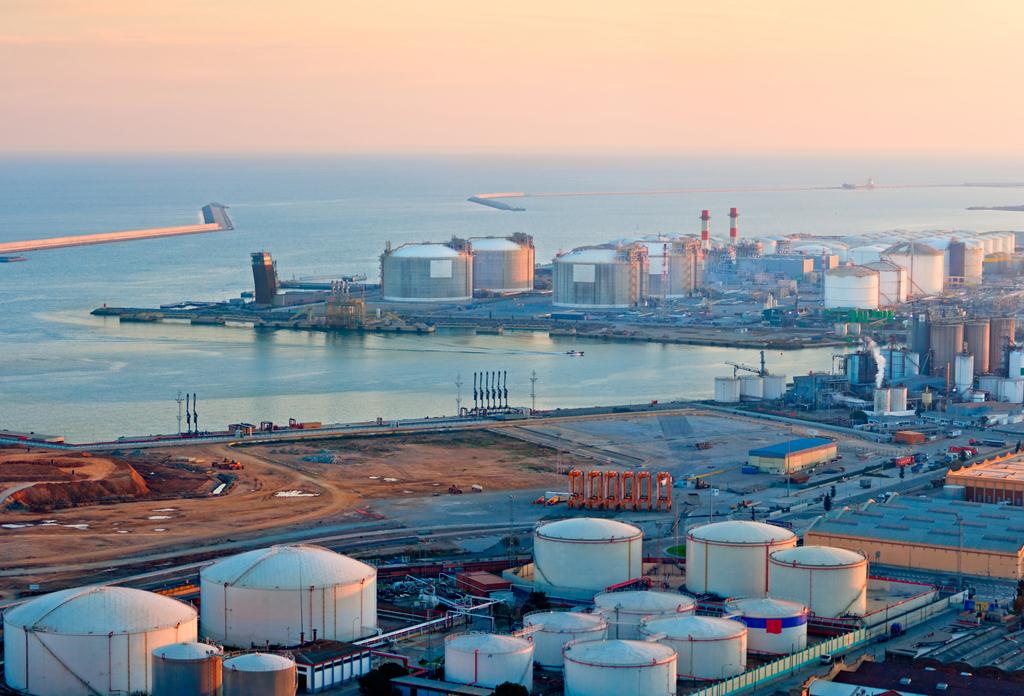
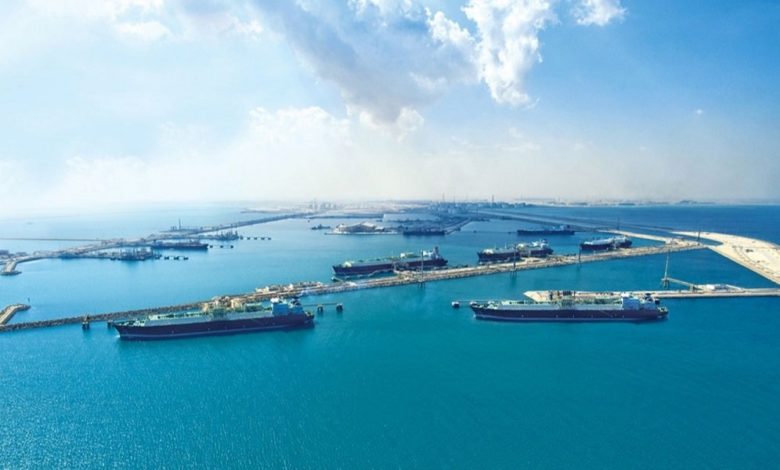
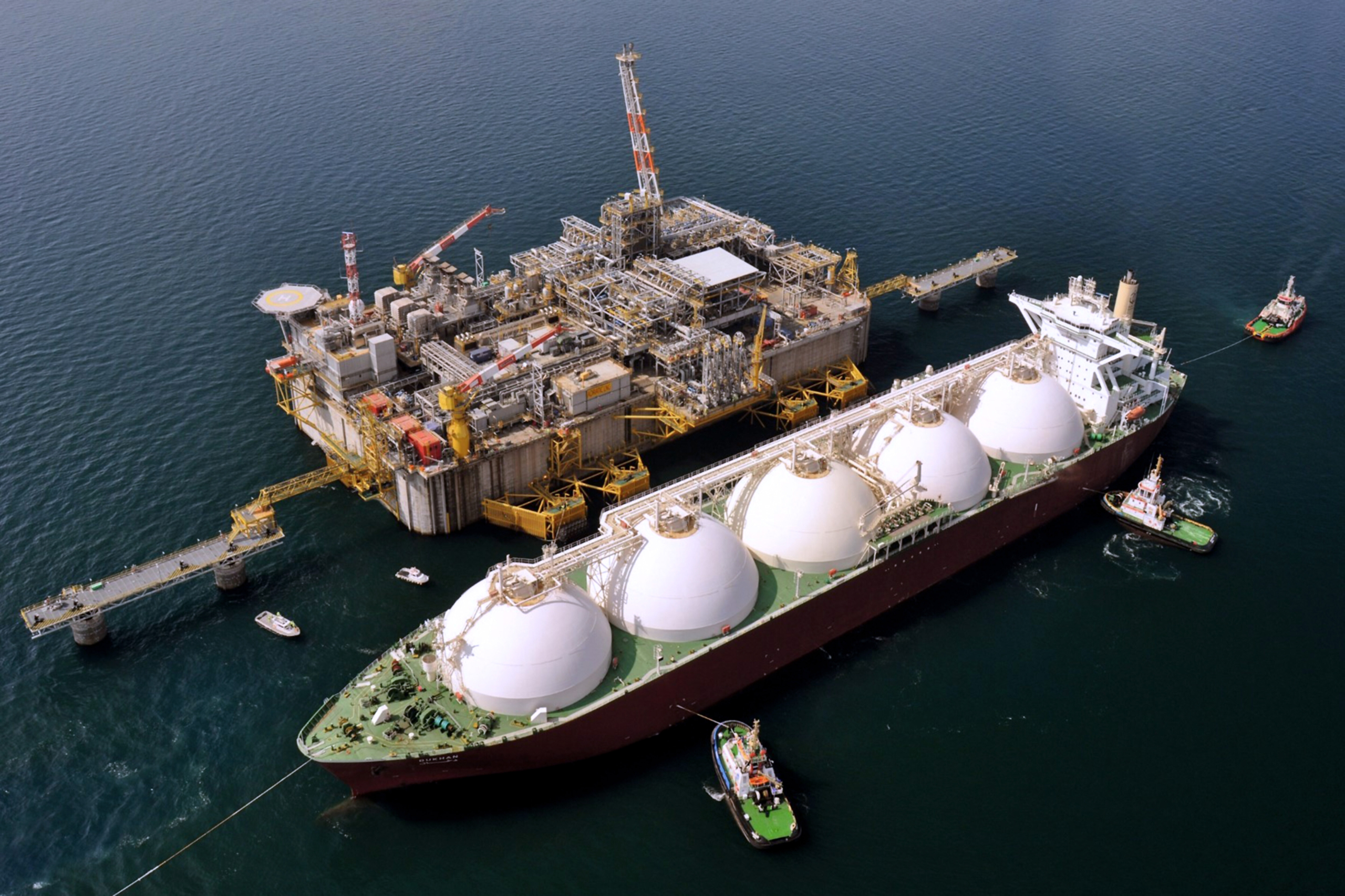
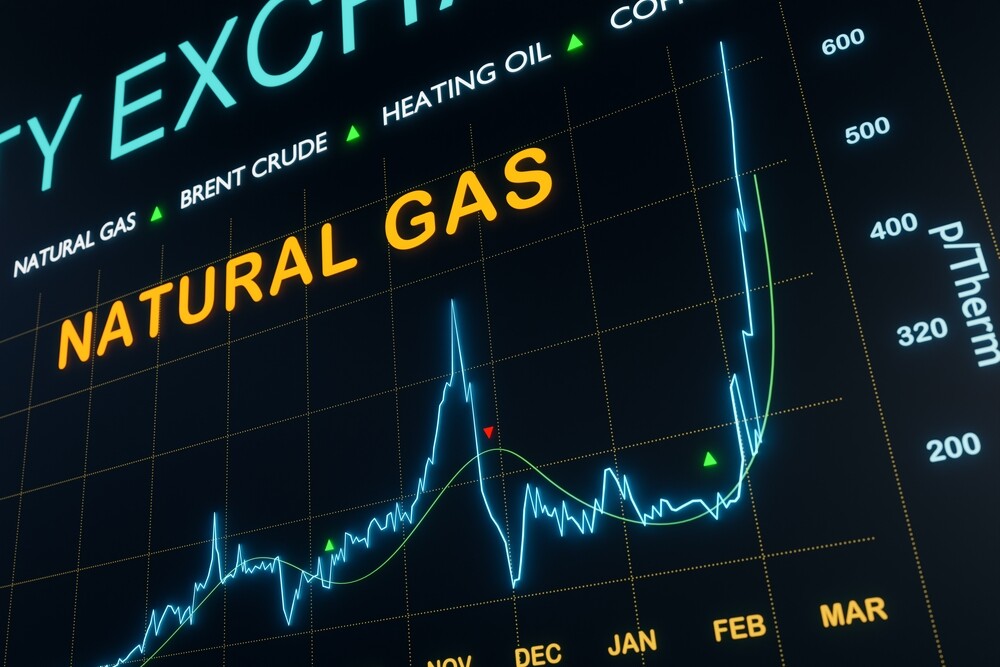
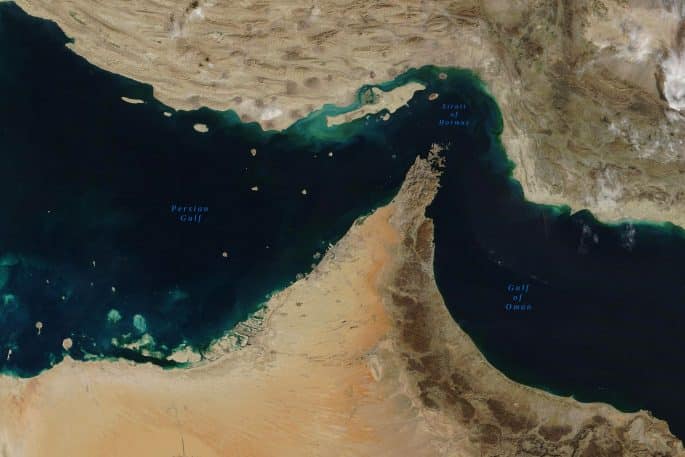
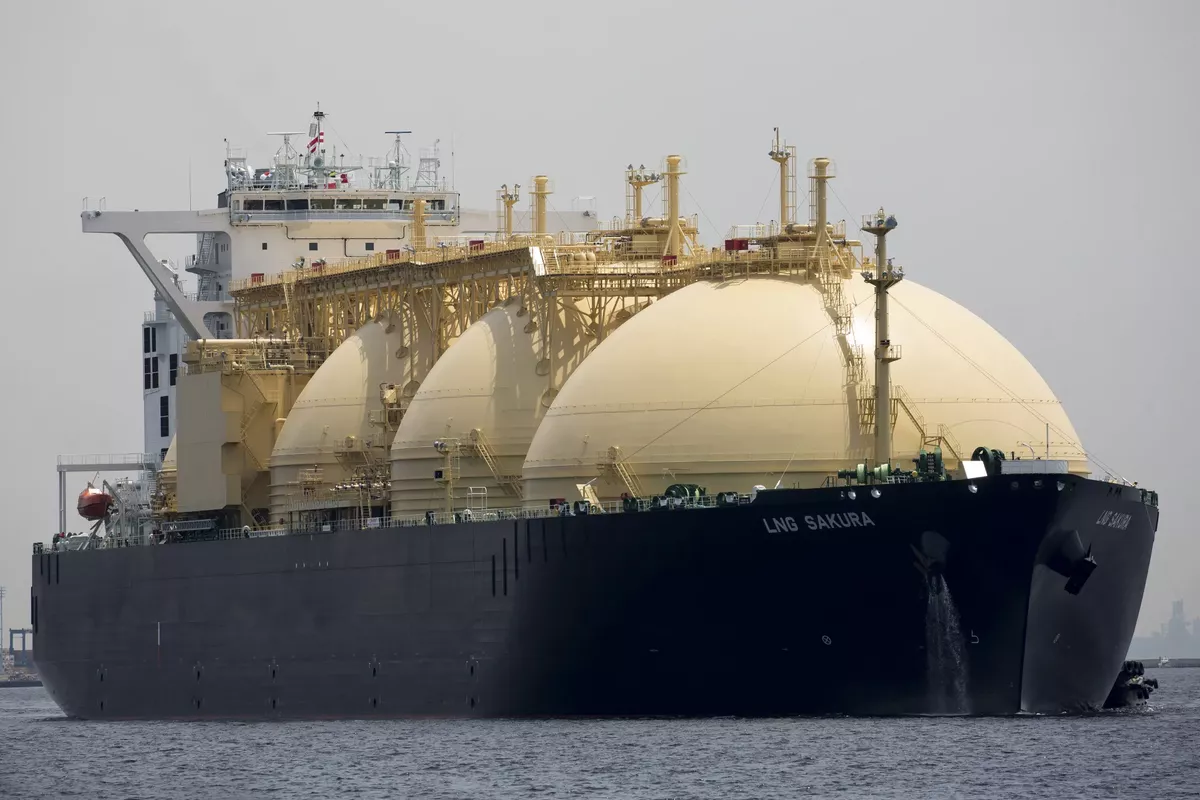
The February 28, 2026 Iran conflict-triggered closure of the Strait of Hormuz has created a critical global energy supply crisis with direct implications for cross-border e-commerce sellers. Qatar, responsible for 20% of global LNG exports, paused shipments for two months, while the U.S.—operating at full export capacity—cannot compensate for the 6% minimum annual export decline projected through 2026 by BCA Research. LNG prices have surged to six times U.S. domestic prices in Europe and Asia (compared to less than four times pre-conflict), creating a structural energy cost shock affecting manufacturing and logistics across multiple seller segments.
For cross-border sellers, this translates to immediate operational cost increases of 8-15% in energy-dependent manufacturing regions. Countries heavily dependent on LNG—Italy, Taiwan, and South Korea—face the most severe pressure, as natural gas powers electricity generation, industrial operations, and temperature-controlled logistics. Sellers sourcing from these regions or shipping refrigerated goods (frozen foods, pharmaceuticals, cosmetics, electronics requiring climate control) face compounding cost pressures: manufacturing cost increases of 8-12% plus logistics surcharges of 4-8% for temperature-controlled shipping. Small and medium-sized sellers (annual revenue $500K-$5M) operating on 15-25% margins will experience margin compression of 2-4 percentage points, while large sellers with diversified sourcing can absorb costs more effectively.
The timing window creates both risks and opportunities. The Strait of Hormuz may reopen by May 2026, but geopolitical tensions suggest sustained elevated prices through Q3 2026. Sellers have 60-90 days to execute strategic responses: diversify sourcing away from energy-dependent regions (shift 20-30% of Taiwan/South Korea sourcing to Vietnam, India, or Mexico where energy costs remain stable), renegotiate supplier contracts to lock in current pricing before further escalation, and implement dynamic pricing strategies to pass through 3-6% cost increases to consumers before competitor saturation. Temperature-controlled product categories (HS codes 0201-0210 for frozen meats, 2106 for food preparations, 3002 for pharmaceuticals) face the highest urgency, as logistics costs represent 12-18% of total product cost versus 4-6% for standard goods.
Strategic sourcing shifts are already underway. Manufacturing regions with lower energy dependency—Vietnam (natural gas costs 40% below Taiwan), India (renewable energy adoption reducing grid dependency), and Mexico (proximity to U.S. energy infrastructure)—will attract 15-25% of displaced sourcing volume. Sellers who execute sourcing diversification by May 2026 can maintain margin stability; those delaying until Q3 will face 300-400 basis point margin compression as competitors saturate alternative suppliers. The second major energy crisis in five years (following Russia's 2022 gas cutoff to Europe) signals structural fragility in global supply chains, making energy-resilient sourcing a competitive advantage through 2027.
Questions 8
Should I shift my sourcing from Taiwan and South Korea to Vietnam or India?
Yes, execute a 20-30% sourcing shift to Vietnam and India by May 2026 to maintain margins. Vietnam's natural gas costs are 40% below Taiwan's, and India's renewable energy adoption reduces grid dependency. This shift requires 60-90 days for supplier qualification, sample approval, and contract negotiation. The cost savings (3-5% manufacturing reduction) offset the transition costs within 4-6 months. However, avoid shifting 100% of sourcing—maintain 70% in original regions to preserve supplier relationships and mitigate new geopolitical risks. Large sellers (>$10M annual revenue) should execute this immediately; small sellers ($500K-$2M) can delay until May 2026 if margins remain acceptable.
How can I pass through energy cost increases to customers without losing sales?
Implement dynamic pricing in 2-3% increments starting immediately, targeting 3-6% total price increases by May 2026. Use Amazon's dynamic pricing tools or Shopify's price optimization apps to test elasticity by category and customer segment. Premium/branded products tolerate 4-6% increases; commodity/generic products tolerate only 2-3%. Communicate cost increases transparently in product descriptions ('Energy-efficient sourcing' or 'Sustainable manufacturing') to justify premiums. Competitors will implement similar increases, so early movers capture margin gains before market saturation. Monitor competitor pricing weekly—if competitors lag, reduce your increases to maintain market share.