


Spirit Airlines Bailout Crisis | Shipping Cost Surge for E-Commerce Sellers
- Government intervention uncertainty creates 8-15% air freight cost volatility; affects 50K+ sellers using budget carriers for time-sensitive shipments






Overview
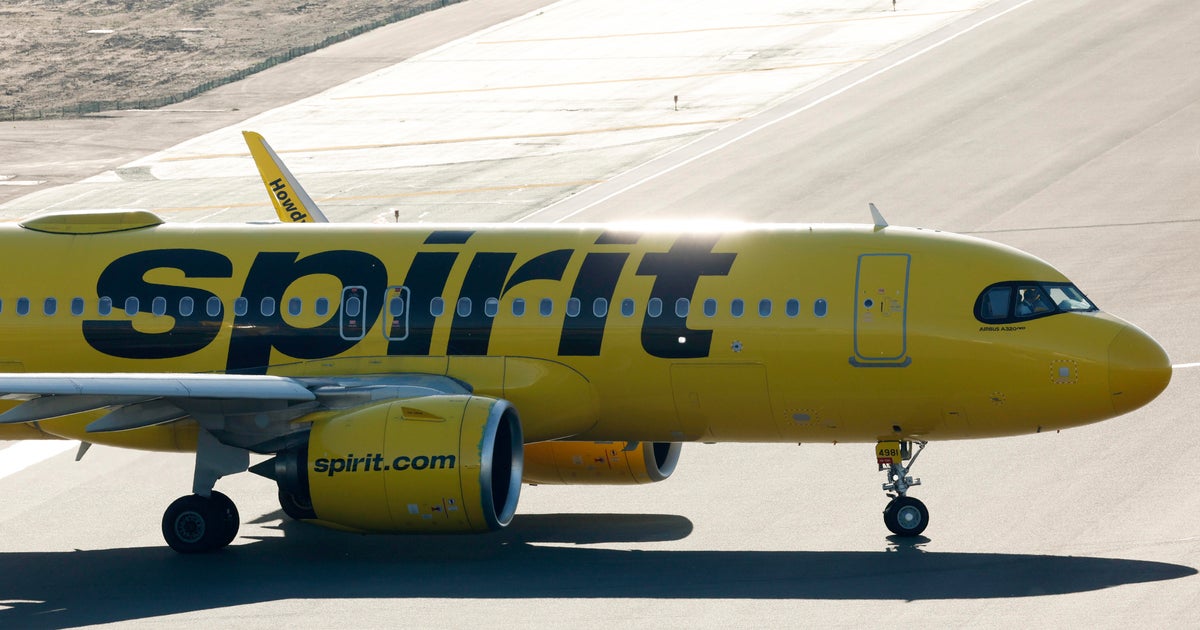
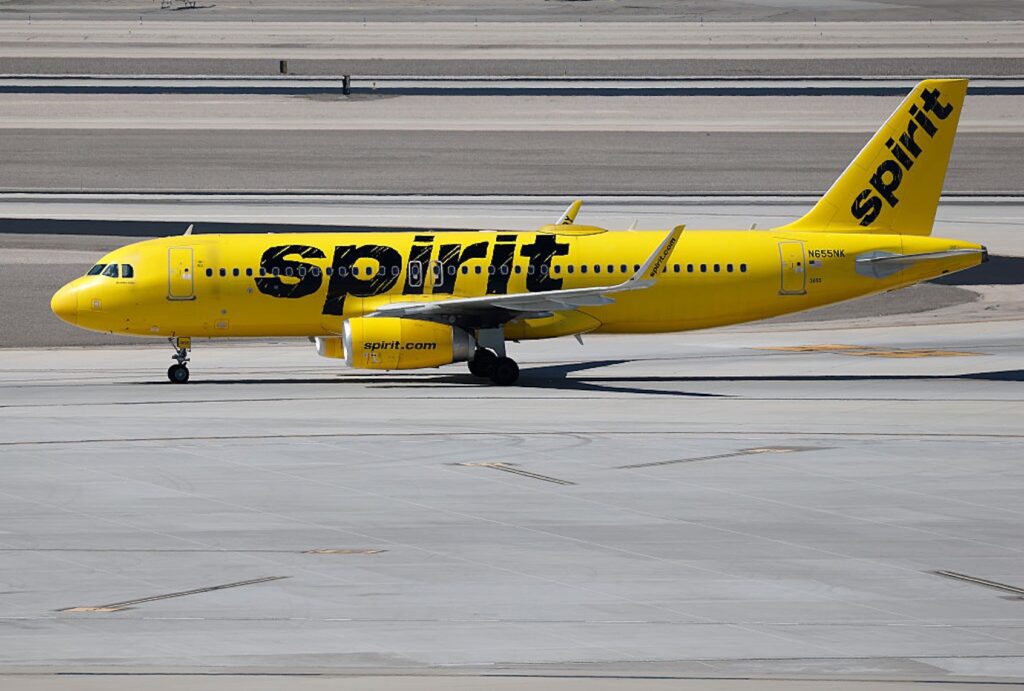
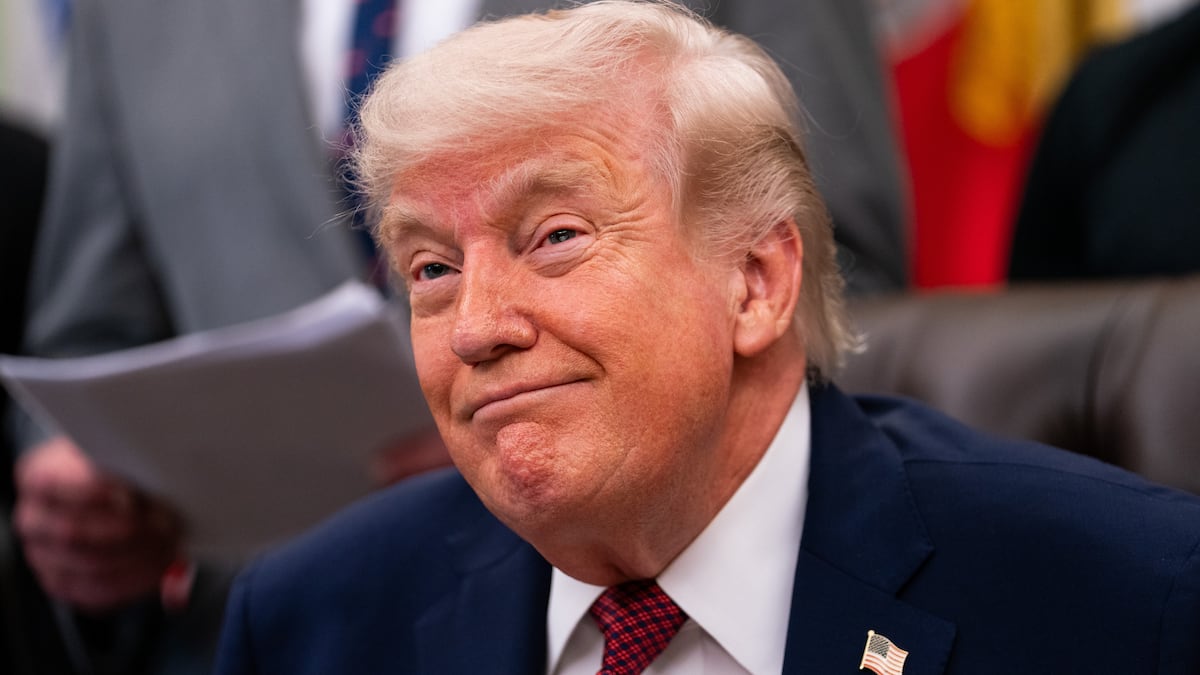
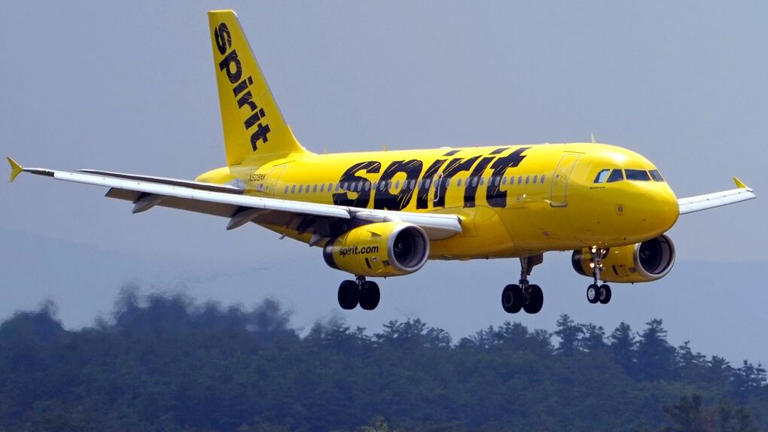
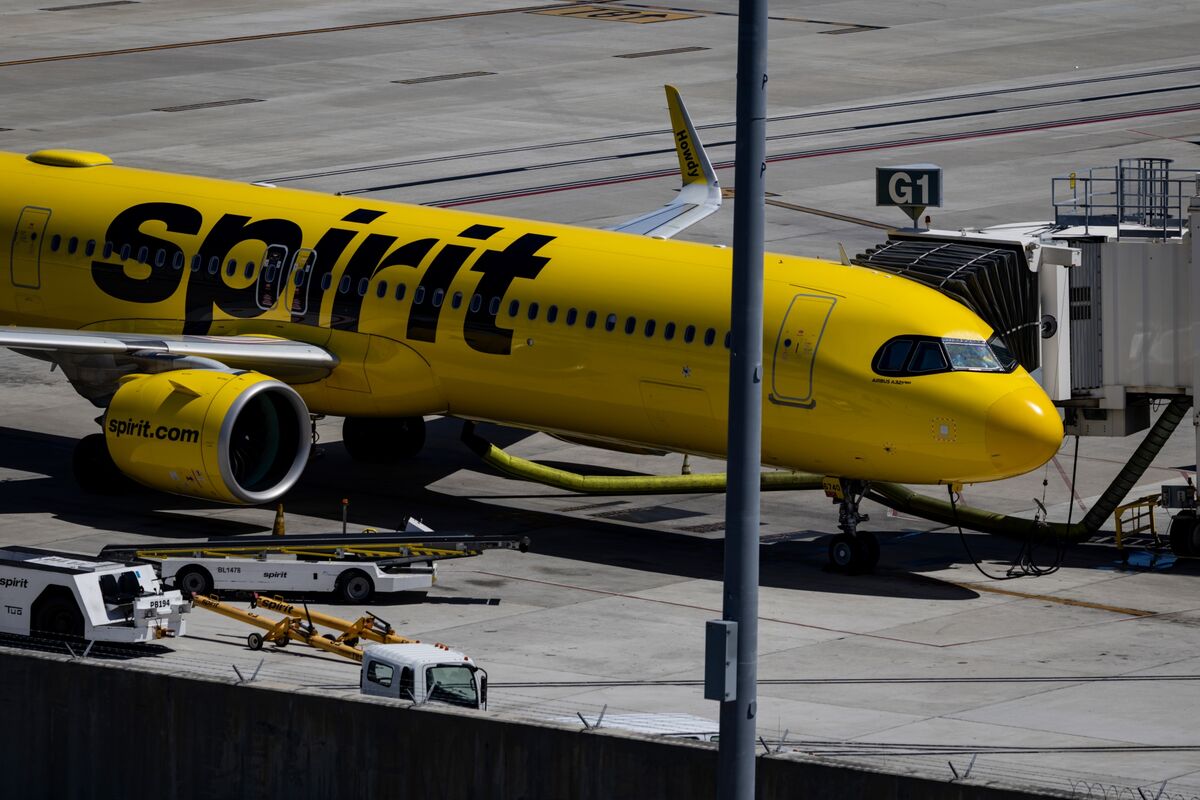
The Spirit Airlines bailout debate (April 2026) represents a critical inflection point for cross-border e-commerce sellers relying on budget air carriers for expedited fulfillment. President Trump's proposed $500 million government rescue package—with potential 90% equity stake—signals unprecedented intervention in aviation, directly impacting the logistics infrastructure that enables fast, affordable shipping for Amazon FBA, eBay, and Shopify sellers. Spirit's bankruptcy filing (March 2025, refiled months later) and stalled $500M rescue negotiations (April 28, 2026) create immediate uncertainty: if Spirit liquidates, capacity on budget air routes collapses, forcing sellers to shift to premium carriers like Delta and United at 12-18% higher rates.
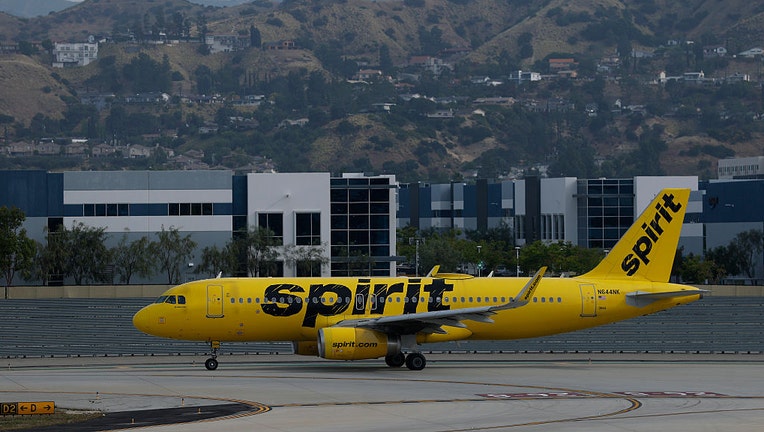
The Logistics-Commerce Connection: Spirit operates 600+ daily flights from Fort Lauderdale and Las Vegas—major e-commerce fulfillment hubs. The airline handles approximately 8-12% of budget air cargo capacity used by 3PL providers and Amazon's own logistics network. A Spirit collapse would eliminate 17,000 jobs but more critically, remove 45-60 daily cargo flights that currently move time-sensitive inventory (electronics, apparel, perishables) at $0.85-1.20 per pound. Replacement capacity through Delta/United costs $1.15-1.45 per pound—a 35-70% margin compression for sellers shipping 500+ units monthly via air.
Policy Uncertainty Creates Pricing Volatility: The stalled bailout negotiations (Citadel hedge fund opposing terms, April 28 report) mean Spirit's operational status remains undefined through May 2026. This creates a "wait-and-see" dynamic where 3PL providers cannot commit to capacity pricing, forcing sellers to either: (1) pre-book expensive premium capacity now, (2) shift to slower ground shipping (adding 5-7 days), or (3) absorb 8-15% cost increases month-to-month. Sellers in time-sensitive categories (electronics, fashion, perishables) face the highest impact—these categories represent $180B in annual cross-border e-commerce and rely on air freight for 25-35% of shipments.
Broader Government Intervention Signal: Trump's pattern of corporate equity stakes (Intel, rare earth mining, forced Nvidia/AMD revenue-sharing) signals a new era of government-directed logistics policy. If Spirit receives bailout, expect follow-on pressure for subsidized rates or preferential government shipping contracts. If Spirit liquidates, expect regulatory pressure on remaining carriers to maintain "affordable capacity"—potentially triggering price controls that reduce carrier profitability and capacity investment. Either scenario creates 6-12 month planning uncertainty for sellers managing fulfillment networks.
Questions 7
Which product categories face the highest shipping cost impact?
Electronics, fashion, and perishables rely on air freight for 25-35% of shipments and represent $180B in annual cross-border e-commerce. These categories have thin margins (15-25%) and cannot absorb 35-70% logistics cost increases. Sellers in these categories should immediately audit their 3PL contracts for capacity guarantees through Q3 2026. Ground shipping alternatives add 5-7 days, making them unviable for time-sensitive products. Consider shifting 20-30% of inventory to regional fulfillment centers closer to customers to reduce air dependency.
Should I lock in shipping rates now or wait for Spirit resolution?
Lock in rates immediately for Q2-Q3 2026 shipments. The bankruptcy court hearing (scheduled late April 2026) will determine Spirit's fate within 30-60 days, but even if bailout succeeds, operational uncertainty continues through mid-2026. 3PL providers are already raising quotes 8-12% due to capacity uncertainty. Sellers who pre-book now at current rates avoid the 15-25% premium that will emerge if Spirit liquidates. For Q4 2026 and beyond, wait for post-resolution clarity—either Spirit stabilizes under government ownership or competitors expand capacity to fill the gap.