


AI Workforce Revolution Creates $2.1T Engineering Talent Gap | E-Commerce Automation Opportunity
- Nvidia plans 75,000 new hires over decade; engineering employment grows faster than national average; AI fluency becomes critical skill for e-commerce automation roles






Overview
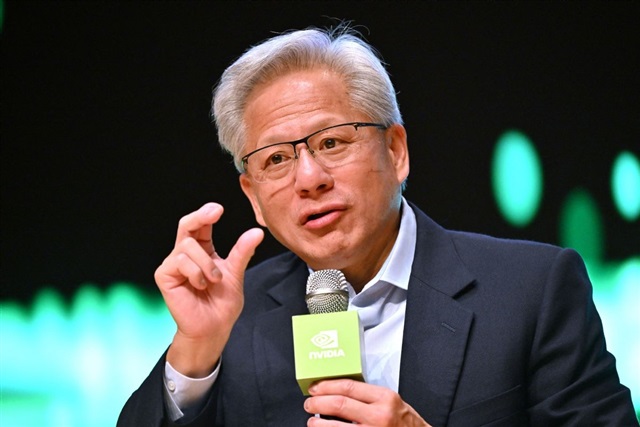
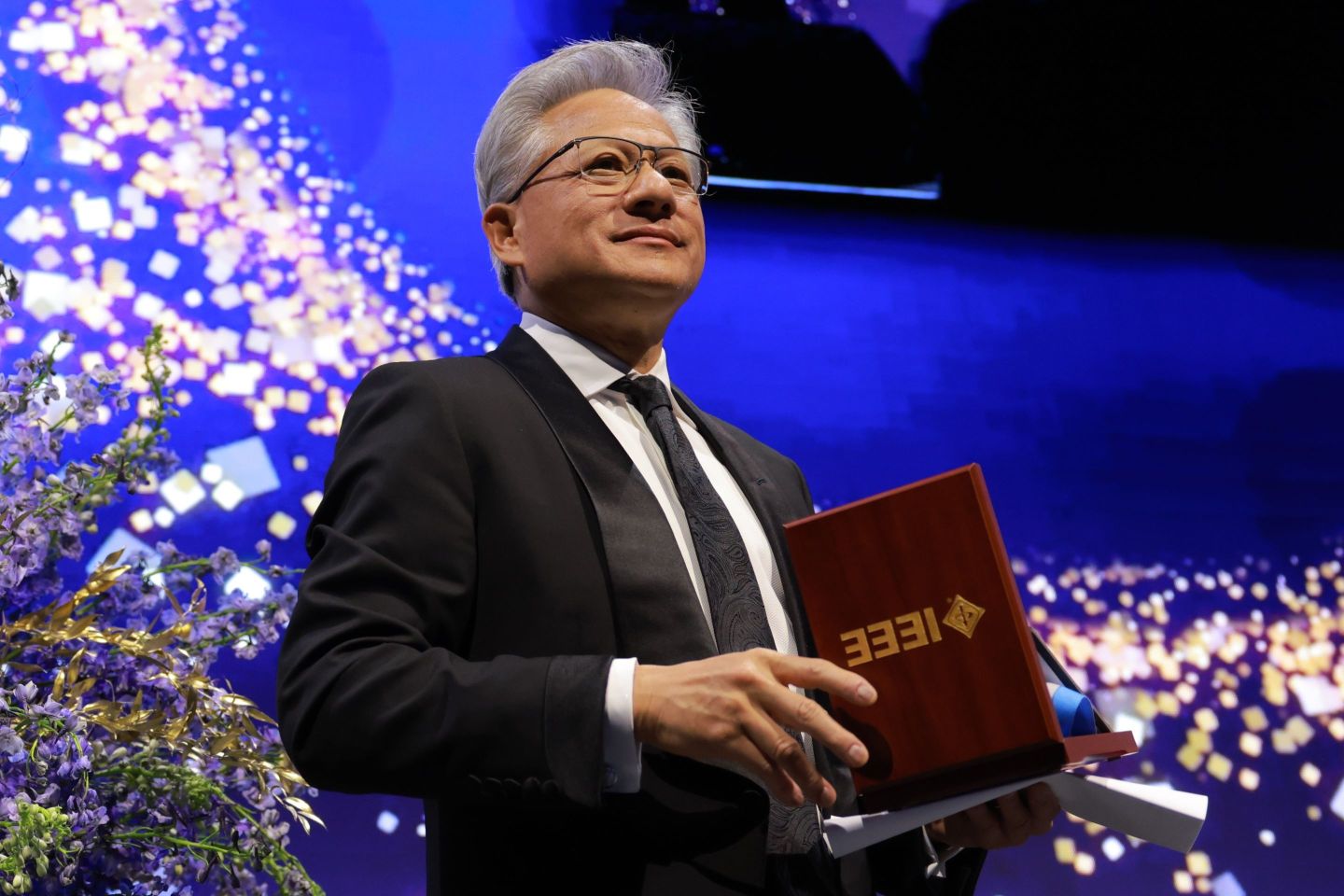
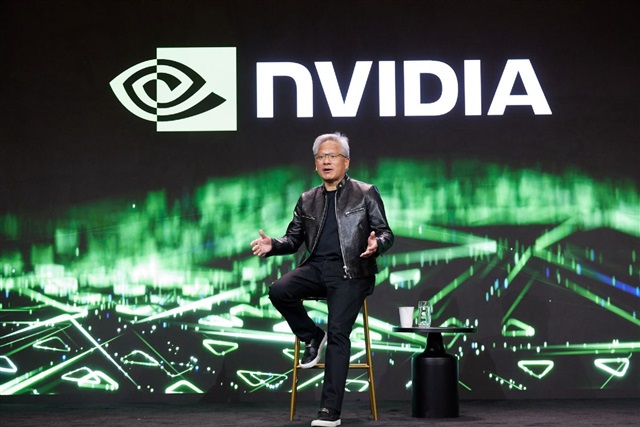
The AI-driven workforce transformation signals a critical talent shortage that directly impacts e-commerce sellers' ability to implement automation solutions. Nvidia CEO Jensen Huang's keynote at the IEEE Medal of Honor ceremony emphasized that engineering will drive the next industrial revolution, with Nvidia itself planning to double its workforce to 75,000 employees over the next decade. According to the U.S. Bureau of Labor Statistics, employment across electrical, electronics, and computer hardware engineering disciplines is expected to grow faster than the national average, driven by surging demand from AI, energy, and defense sectors. This talent scarcity has profound implications for e-commerce sellers seeking to automate product research, pricing optimization, customer service, and inventory management.
For e-commerce sellers, this workforce transformation creates both challenges and opportunities in AI tool adoption and automation implementation. The shortage of engineering talent means that AI-powered SaaS tools—rather than custom development—become the primary path for sellers to access automation capabilities. Huang emphasized that "AI expands rather than shrinks human work capacity," with jobs changing as tasks change but work growing with productivity. This directly translates to e-commerce operations: sellers cannot hire engineers to build custom solutions, but they can leverage existing AI platforms (ChatGPT for customer service, Helium 10 for product research, dynamic pricing engines) to automate repetitive tasks. The talent gap accelerates adoption of no-code/low-code AI solutions, creating a $15-25B opportunity in e-commerce automation tools by 2026. Sellers who develop "AI fluency"—as Huang advised—gain competitive advantage through faster implementation of automation across listing optimization, demand forecasting, and supplier communication.
The immediate seller opportunity lies in identifying which automation tasks can be executed TODAY with existing AI tools, before competitors capture market share. Huang's statement that "engineers ultimately are the ones that take an invention and advance it in such a way that it's safe, beneficial, ultimately transformative to society" applies directly to e-commerce: sellers must become architects of their own AI-driven operations. With engineering talent scarce and expensive ($150K-250K annually for AI specialists), sellers should prioritize: (1) Automating product research using AI tools like Jungle Scout or Helium 10 (saves 15-20 hours/week), (2) Implementing dynamic pricing engines that adjust to competitor pricing in real-time (increases margins 3-8%), (3) Deploying AI chatbots for customer service (reduces response time 70%, cuts support costs 40%), and (4) Using predictive analytics for inventory optimization (reduces stockouts 25%, excess inventory 15%). The talent shortage means these tools will become increasingly expensive as demand rises—sellers who adopt now lock in pricing and gain 12-18 month competitive advantage before widespread adoption.
Questions 8
What specific automation tasks should sellers prioritize given the AI workforce transformation?
Sellers should focus on high-ROI automation: (1) Product research automation saves 15-20 hours weekly, (2) Dynamic pricing increases margins 3-8%, (3) AI chatbots reduce customer service costs 40% and response time 70%, (4) Predictive inventory analytics reduce stockouts 25% and excess inventory 15%. Huang emphasized that AI 'expands rather than shrinks human work capacity,' meaning automation frees seller teams to focus on strategy rather than repetitive tasks. These tools require no engineering expertise and deliver measurable ROI within 30-60 days, making them ideal for sellers without technical resources.
How does the engineering talent shortage impact e-commerce sellers' ability to automate operations?
The talent shortage means custom AI development is prohibitively expensive ($150K-250K annually for specialists), forcing sellers to adopt existing SaaS tools instead. Nvidia's plan to hire 75,000 engineers over a decade signals intense competition for technical talent, driving up costs. Sellers who implement automation NOW using tools like Helium 10, dynamic pricing engines, and AI chatbots gain 12-18 month competitive advantage before widespread adoption. The Bureau of Labor Statistics projects engineering employment will grow faster than the national average, indicating the shortage will worsen, making early adoption critical for cost-effective automation.