




Regulatory Tremors: FDA's Unprecedented COVID Vaccine Warning Signals Massive Compliance Transformation
- Emerging Regulatory Landscape Reshapes Vaccine Market Compliance and Risk Management














)















Overview
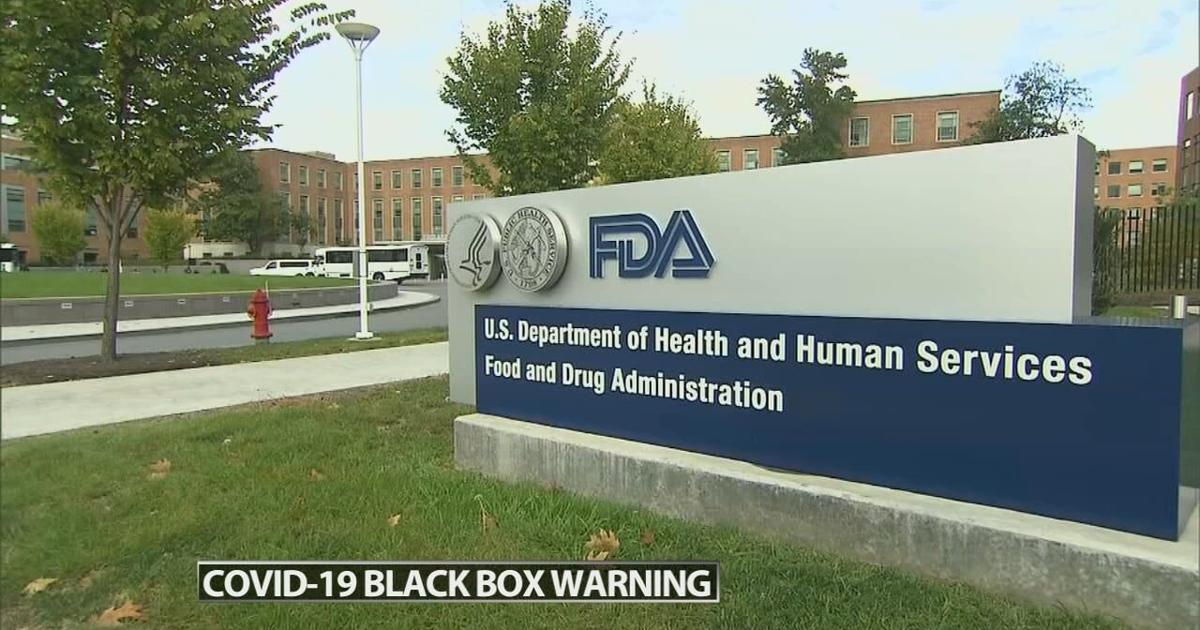
The FDA's potential black box warning for COVID-19 vaccines represents a seismic shift in regulatory compliance that extends far beyond medical communication. This unprecedented move signals a complex intersection of scientific uncertainty, political pressure, and evolving risk management strategies that will fundamentally reshape healthcare product regulation.
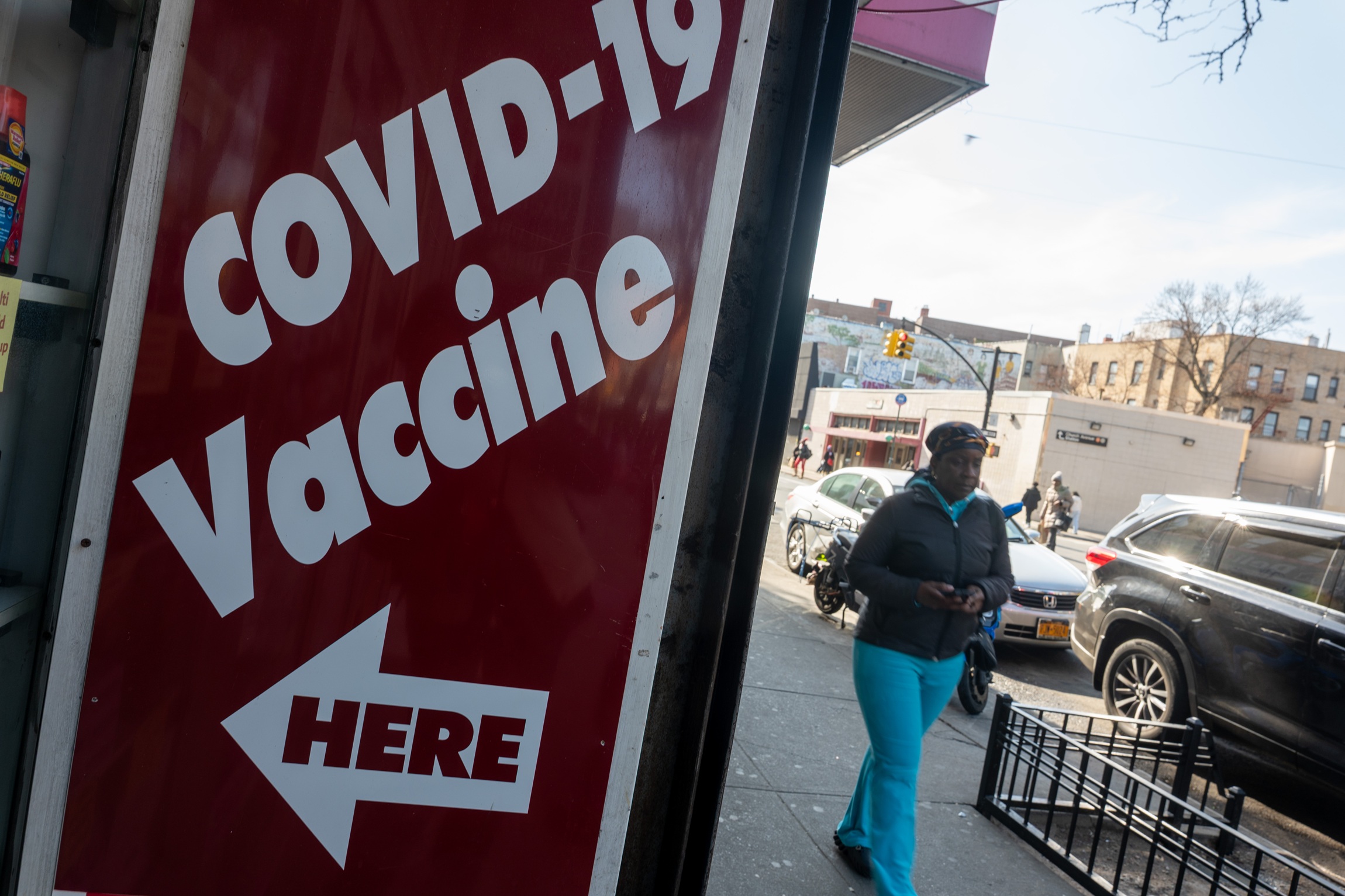
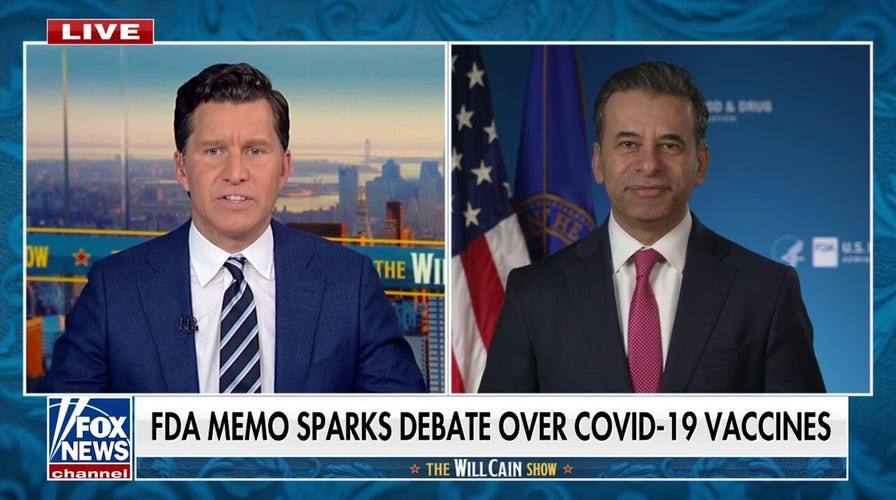
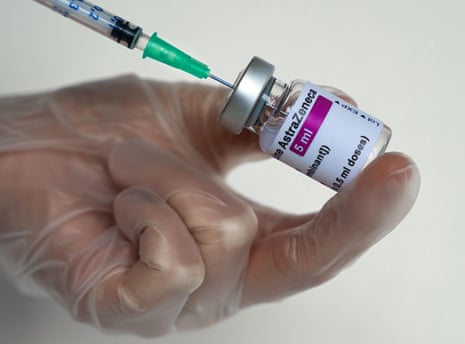
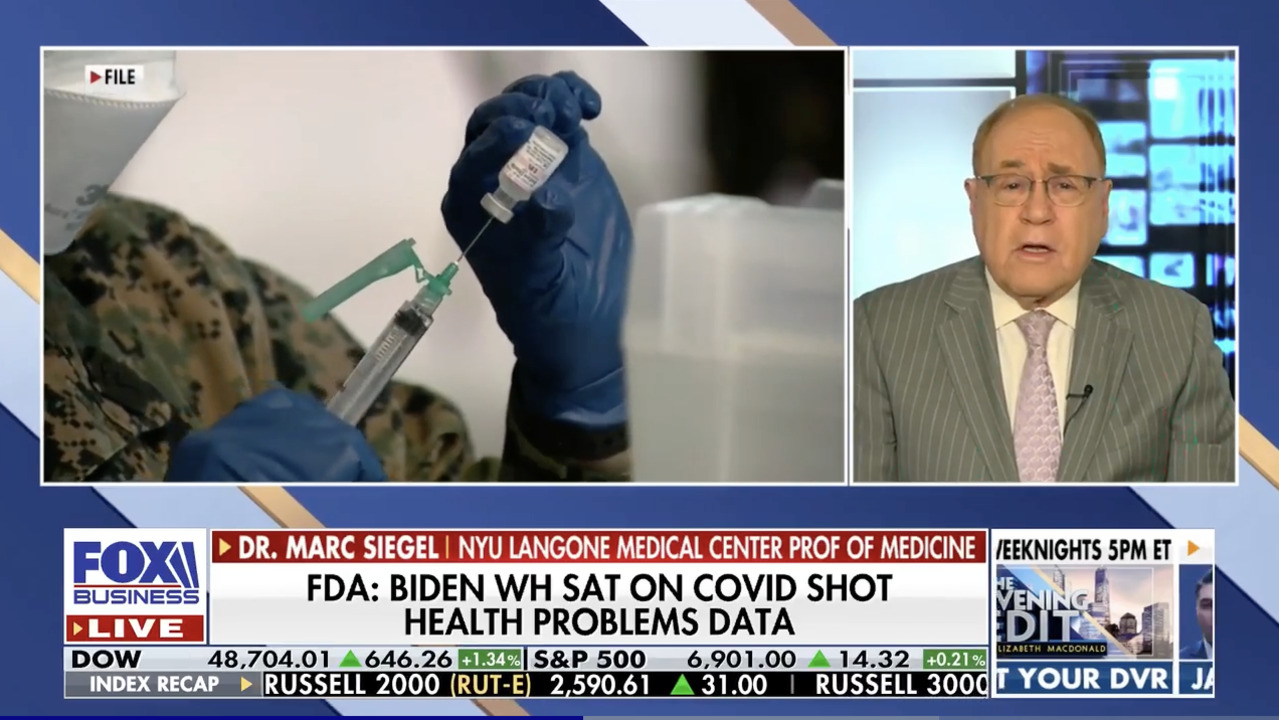
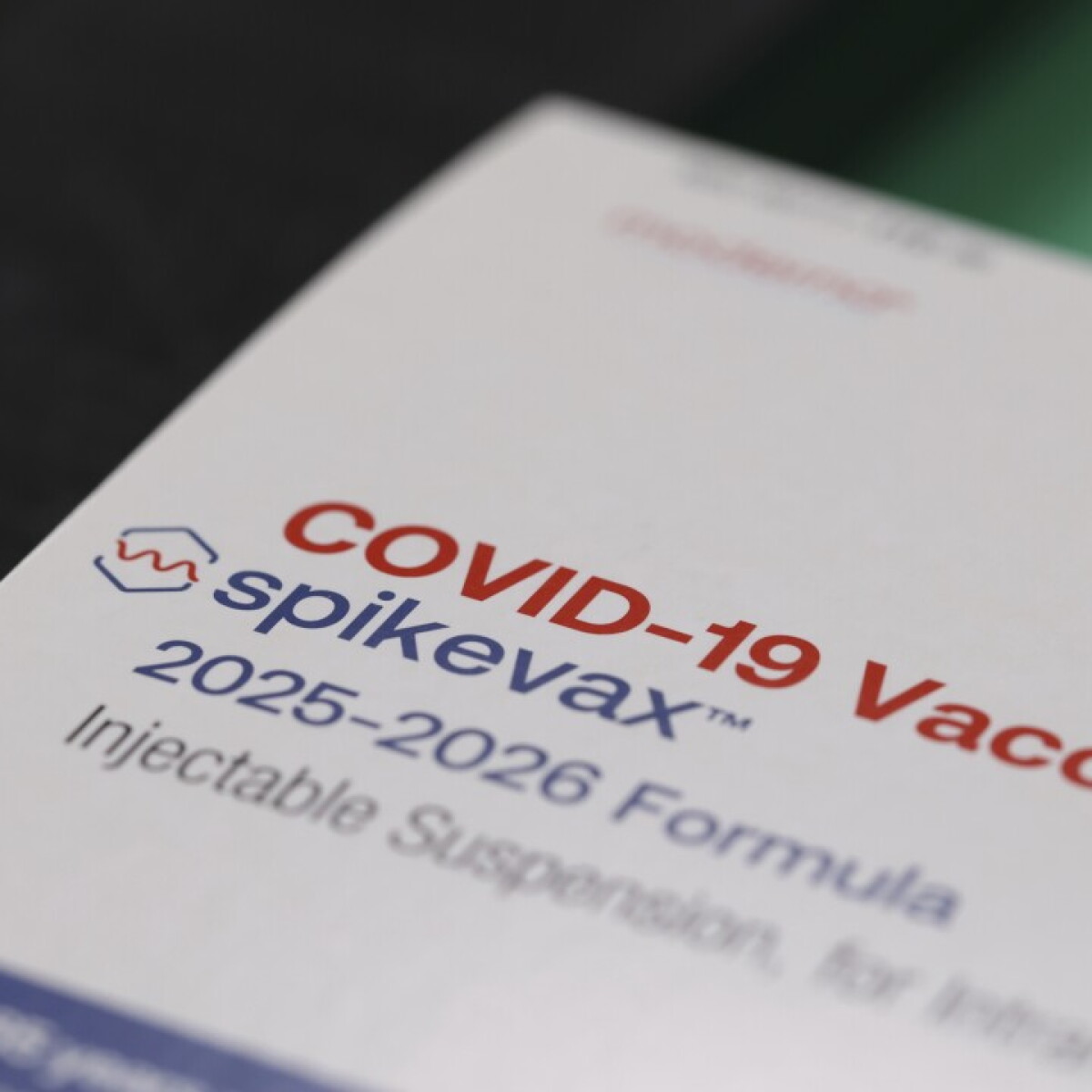
At the core of this development is a regulatory compliance inflection point. The proposed warning, led by FDA Chief Medical Officer Dr. Vinay Prasad, targets mRNA vaccines from Pfizer and Moderna, focusing on rare side effects like myocarditis in younger populations. While the exact scope remains undefined, the implications are profound. A 27% decrease in COVID vaccinations already indicates eroding public confidence, and a black box warning could accelerate this trend.
The regulatory landscape is becoming increasingly complex for healthcare manufacturers. Compliance barriers are emerging as significant market entry obstacles. Vaccine producers must now navigate not just scientific validation, but a heightened political and regulatory environment where scientific evidence and public perception intersect unpredictably. The warning represents more than a safety communication—it's a potential market winnowing mechanism that could eliminate less adaptable market players.
Critically, this development exposes a regulatory risk management paradox. Despite extensive safety data showing COVID-19 vaccines prevented nearly 20 million deaths globally, the FDA is considering its most serious warning label. Health experts like Robert Hopkins and Peter Chin-Hong warn that such a label could reduce vaccine uptake, particularly among high-risk groups, potentially causing more harm than the hypothetical risks being highlighted.
For cross-border healthcare businesses, this signals a dramatically transformed compliance ecosystem. Companies must now develop more sophisticated risk communication strategies, integrate rapid regulatory response capabilities, and build robust scientific defense mechanisms that can withstand both scientific scrutiny and political volatility.
The strategic imperative is clear: organizations must treat regulatory compliance as a dynamic, proactive discipline rather than a static checkbox exercise. Those who can rapidly adapt their scientific communication, maintain transparency, and build trust will emerge as the new market leaders in this uncertain regulatory environment.
Questions 4
Are there international implications for this FDA decision?
The FDA's potential warning could influence global regulatory approaches to vaccine safety, potentially triggering similar reviews in other countries. International healthcare businesses will need to monitor and potentially align with emerging global compliance standards.
How might this warning impact vaccination rates and public trust?
Experts predict the warning could further reduce vaccination rates, which have already declined by 27%. The label might increase vaccine hesitancy, particularly among high-risk groups, potentially undermining public health efforts by creating more confusion than clarity.