



Critical Minerals Sourcing Crisis Reshapes Tech Product Supply Chains | Seller Compliance & Cost Impact 2025
- Lithium demand surges 30% in 2024; sellers face 12-18% component cost increases and new ESG compliance requirements by Q2 2025





Overview
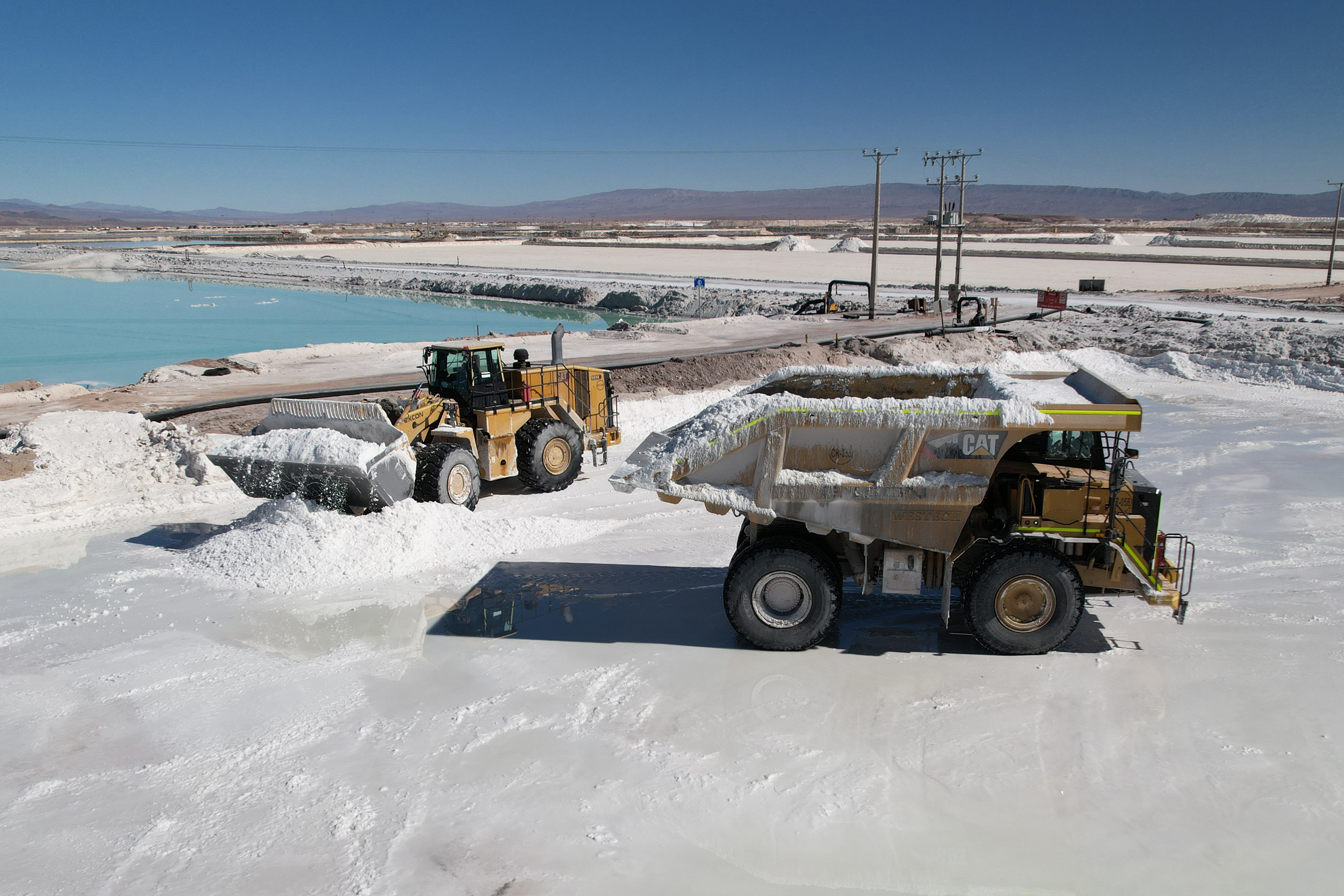
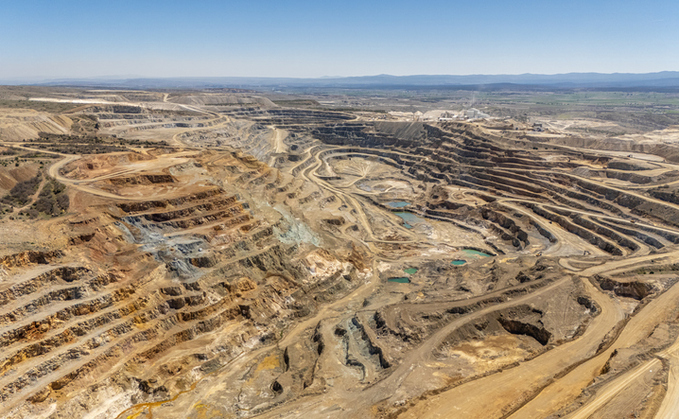
The critical minerals extraction crisis documented by the United Nations University Institute for Water, Environment and Health (UNU-INWEH) is creating a fundamental supply chain disruption that directly impacts e-commerce sellers in electronics, batteries, and tech-enabled product categories. Global lithium production consumed 456 billion liters of water in 2024 to extract just 240,000 tonnes, while lithium demand surged nearly 30% year-over-year according to the International Energy Agency. This supply constraint is already translating into component cost increases of 12-18% for sellers sourcing batteries, microchips, and rare earth element-dependent products. The crisis extends beyond pricing: mandatory international due-diligence standards and legally binding mineral sourcing regulations are now being implemented across EU, UK, and increasingly US markets, creating new compliance obligations for sellers.
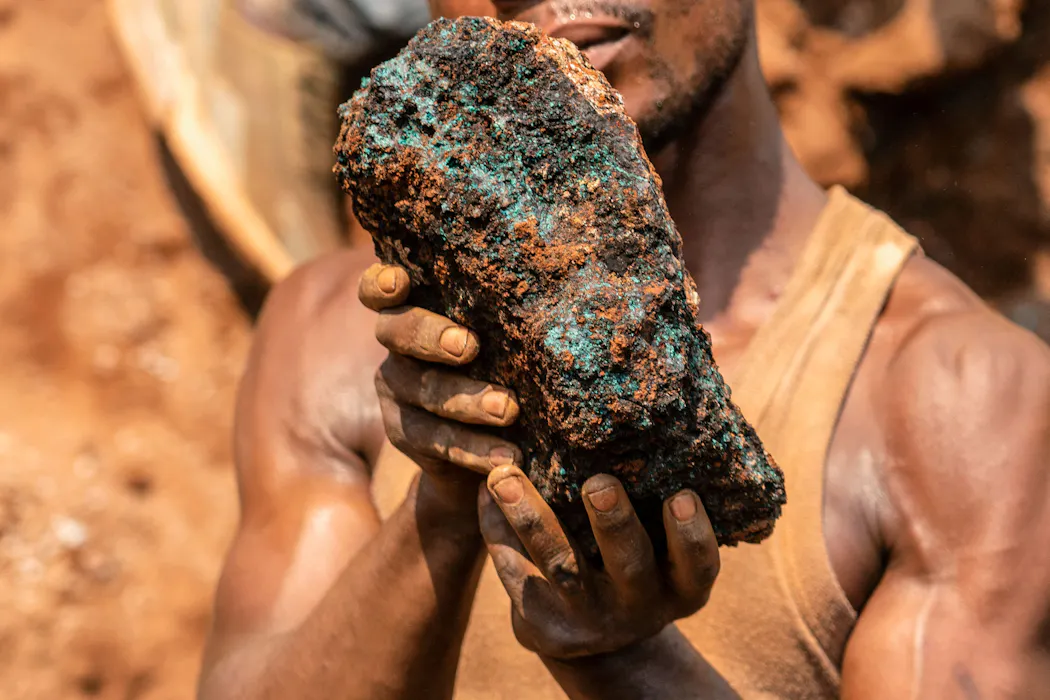
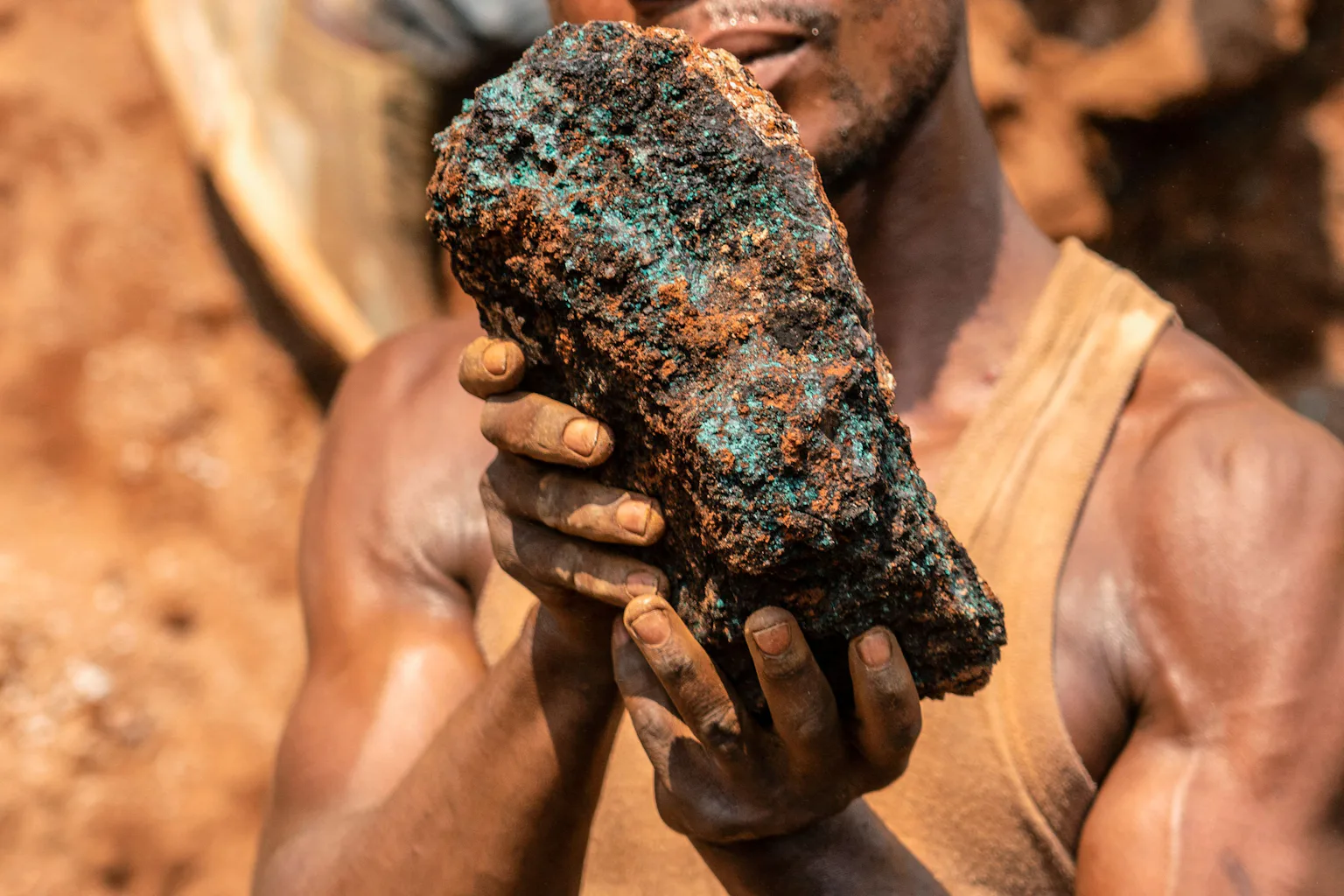
For electronics sellers specifically, this creates immediate operational challenges. Sellers offering lithium-ion batteries, power banks, electric vehicle accessories, and smart home devices face dual pressures: rising component costs from supply-constrained mining operations, and new regulatory requirements to document mineral sourcing provenance. The EU's proposed Critical Raw Materials Act and similar regulations in development across North America require sellers to verify that products don't contain minerals from conflict zones or operations with documented environmental violations. Cobalt sourcing from the Democratic Republic of Congo—which supplies 70% of global cobalt—now requires third-party certification, adding 4-8 weeks to supply chain verification timelines and $0.15-0.40 per unit in compliance costs. Sellers who fail to implement due-diligence documentation face potential delisting from major marketplaces and tariffs up to 25% on non-compliant imports.
The competitive advantage window favors sellers who proactively source from certified suppliers and communicate ESG credentials. Sellers offering "conflict-free" or "responsibly sourced" battery products and electronics can command 8-15% price premiums on Amazon, eBay, and specialty marketplaces. The market for certified sustainable electronics grew 34% in 2024, indicating strong consumer demand for ethically sourced products. Small and medium sellers (1-50 SKUs) should prioritize sourcing from suppliers with third-party mineral certifications (Responsible Minerals Initiative, ICMM standards) rather than attempting individual compliance audits. Large sellers (500+ SKUs) should establish dedicated supply chain compliance teams and consider vertical integration with certified suppliers to secure stable pricing and regulatory protection. The 2040 projection requiring lithium production to increase ninefold creates a 15-year window where certified supply will command premium pricing, making early compliance investment a competitive moat.
Questions 8
How will the critical minerals crisis affect my battery and electronics product costs in 2025?
Component costs for lithium-ion batteries, microchips, and rare earth element products are projected to increase 12-18% through 2025 due to supply constraints documented by UNU-INWEH. The 30% surge in lithium demand during 2024 has created a supply bottleneck, with 456 billion liters of water required to extract just 240,000 tonnes of lithium. Sellers sourcing from certified suppliers may see 8-12% premiums, while non-certified sourcing faces potential tariffs up to 25% under emerging regulations. Budget for component cost increases of $0.40-1.20 per unit depending on mineral intensity, and allocate 4-8 weeks for compliance documentation.
What new compliance requirements do I need to implement for mineral sourcing by Q2 2025?
The EU's Critical Raw Materials Act and similar regulations now require sellers to document mineral sourcing provenance, particularly for cobalt, lithium, and rare earth elements. You must verify that products don't originate from conflict zones or operations with documented environmental violations—specifically mining operations in the Democratic Republic of Congo, Chile's Atacama region, and Peru. Third-party certifications from the Responsible Minerals Initiative or ICMM standards are now mandatory for major marketplace listings. Compliance costs range $0.15-0.40 per unit, with 4-8 week verification timelines. Non-compliance risks delisting from Amazon, eBay, and Shopify, plus tariffs up to 25% on imports.